





 Portuguese
  English
  Spanish
 6 min of reading
  0 comments


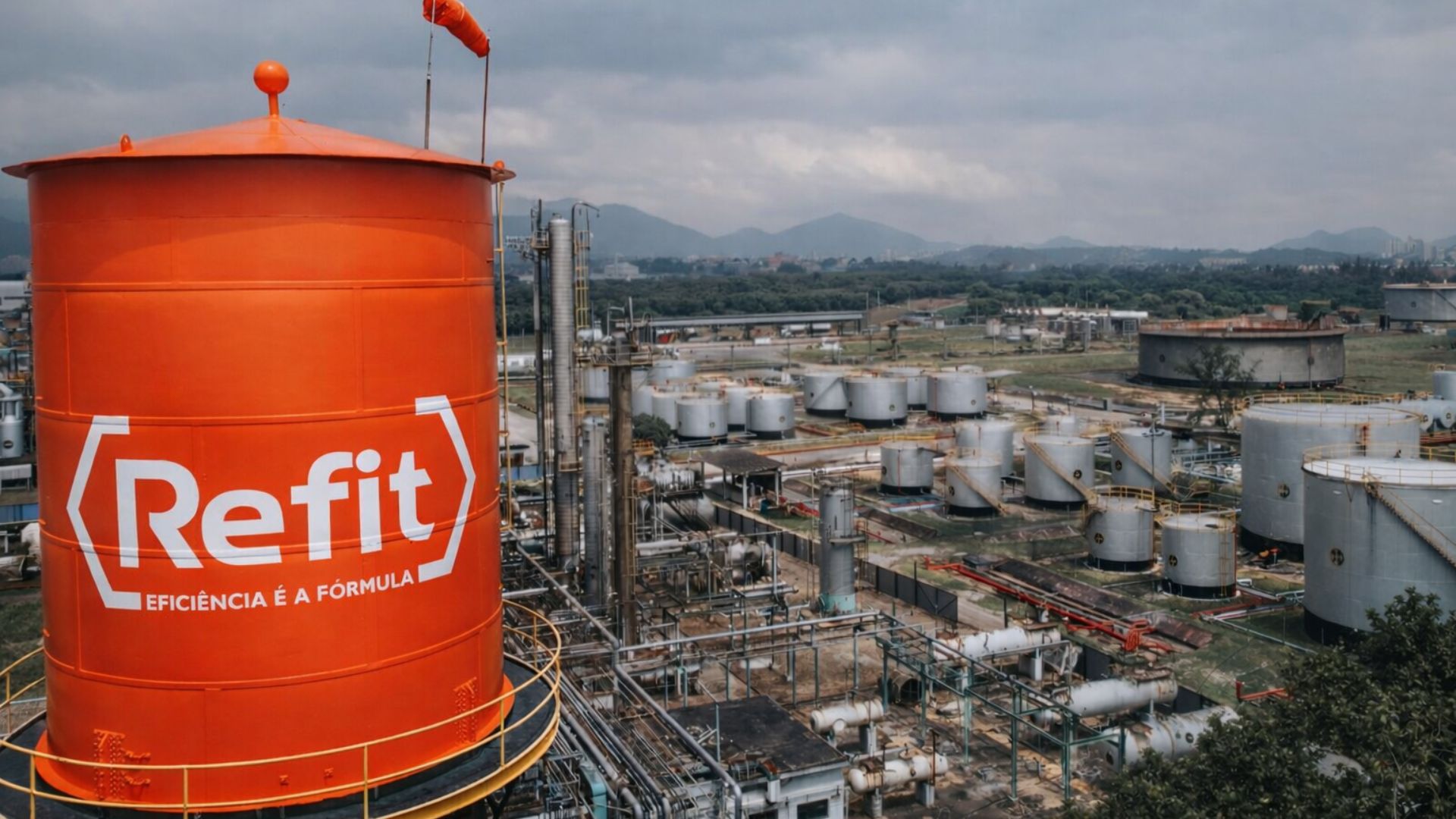
Refit Challenges ANP’s Technical Analyses on Seized Fuels and Requests New Expert Reviews to Reassess Reports That May Impact Regulatory Decisions Involving Fuel Classification.
The dispute between Refit and ANP regarding the classification of seized fuels has gained new judicial developments and may influence important regulatory decisions in the Brazilian oil sector. According to a report published by VEJA on Friday (27), the business group linked to entrepreneur Ricardo Magro challenges the technical reports used by the National Agency of Petroleum, Natural Gas and Biofuels and has requested new expert analyses to clarify the nature of imported cargo from Russia that was seized by the Federal Revenue Service in September 2025.
Understand the Context Between Refit and ANP
The case involves two ships — Oinoussian Star and Madelyn Grace — intercepted during Operation Carbon Chain, an investigation into suspected tax evasion in the fuel sector. The initial technical analysis by ANP indicated that the samples had physical and chemical characteristics similar to automotive gasoline, but Refit maintains that the products were merely inputs intended for refining and not finished fuel.
The controversy reached the Federal Regional Court of the 1st Region in Brasília. The 11th Chamber of the court is expected to rule on whether to maintain or lift the interdiction of the Manguinhos Refinery, a decision that could influence the understanding of the validity of laboratory reports and the need for new expert analyses in regulatory disputes.
-
Petrobras evaluates suspension of sales to distributors and considers canceling the cooking gas auction following guidelines from the Federal Government.
-
Lula reveals a masterstroke by Petrobras to undo a deal made by Bolsonaro, which involves the return of an important refinery that currently produces less than half of what was expected and makes Brazil dependent on international diesel.

-
A study confirms that the natural gas sector will reduce greenhouse gas emissions in Brazil by 0.5% and accelerate the energy transition by 2026.

-
Petrobras implements a severe adjustment and confirms a 55% increase in the price of aviation kerosene with a proposal for installment payments for the companies.


The company asserts that the technical definition regarding the seized content could determine not only the outcome of the legal process but also any administrative and tax penalties.
Dispute Between Refit and ANP Over Classification of Seized Fuels
The conflict between Refit and ANP began after the seizure of imported cargo during Operation Carbon Chain. The investigation led by the Federal Revenue Service raised suspicions of tax irregularities related to the importation of fuels and petroleum derivatives.
The initial reports prepared by ANP indicated that the samples collected from the ships exhibited characteristics very close to those of automotive gasoline. This understanding was used to support the hypothesis that the cargo could be classified as gasoline ready for consumption, which would entail a different tax framework.
Refit, however, contests this interpretation. The company argues that the technical documentation itself does not definitively confirm that the seized product was finished gasoline.
According to the company, the adopted classification may have been based on incomplete interpretations, which would justify the conduct of new independent technical reviews. The distinction between inputs and finished fuel is considered essential as it defines tax obligations, regulatory requirements, and potential penalties.
ANP Reports Raise Technical Discrepancies and Motivate New Expert Analyses
The technical controversy revolves around the laboratory reports prepared by ANP, particularly a memo sent to the Ministry of Finance and the Federal Revenue Service on October 24, 2025. The document states that the analyzed samples exhibited physical and chemical characteristics very similar to those observed in automotive gasoline.
According to the official text, the analyzed samples would be compatible with gasoline A, considered the purest form of fuel marketed in the country. However, the same document includes a relevant technical note: the analyzed product would require some formulation adjustments.
For Refit, this caveat demonstrates that the seized material could not be classified as gasoline ready for consumption. The company argues that if adjustments are necessary, it concerns raw materials or intermediate mixtures, and not finished fuel.
The company formally requested new expert analyses of the seized cargo to definitively clarify the nature of the analyzed products. The expectation is that new laboratory examinations may confirm whether the materials were merely petrochemical inputs.
Refit Points Out Absence of Essential Tests in Technical Reports
Another argument presented by Refit involves the methodology used in the laboratory reports of ANP. The defense claims that tests deemed fundamental for identifying automotive gasoline were not conducted.
Among the main points raised is the absence of octane measurements. This parameter is considered essential to determine if a product can be classified as gasoline ready for use in vehicles.
According to the company, the technical rules of ANP indicate the importance of this type of analysis. Without this measurement, the defense argues that it would not be possible to assert with certainty that the seized material corresponded to automotive gasoline.
The company states that only new complete laboratory analyses will be able to determine the composition of the product with greater technical accuracy. This discussion on methodology may directly influence the validity of the original reports.
Interdiction of Manguinhos Refinery Expanded the Regulatory Conflict
The seizure of the cargo led to the complete interdiction of the Manguinhos Refinery, operated by Refit in Rio de Janeiro. The suspension of activities amplified the economic impact and led the company to seek judicial recourse to try to reverse the decision.
The case reached the Federal Regional Court of the 1st Region, based in Brasília. The 11th Chamber of the court is expected to decide, in a hearing scheduled for 4, whether the interdiction of the unit will be maintained or lifted.
The court’s decision is seen as relevant because it may define the limits of regulatory action in similar cases. The discussion involves not only the interpretation of the technical reports but also the possibility of conducting new expert analyses as a defense tool.

New Expert Analyses May Redefine Technical Interpretation of Analyzed Cargo
The request for new expert analyses submitted by Refit aims to clarify whether the seized cargo was indeed gasoline A or merely intermediate mixtures used in the refining process.
This distinction has a direct impact on regulatory interpretation. Intermediate products may contain components similar to finished fuels but still require additional processes before they can be marketed.
Among the materials analyzed in the reports of ANP were:
- Aromatics used as gasoline additives
- Naphthas used in the production of high-octane gasoline
- Condensates from petroleum used as diluents
These components are common in industrial refining processes and do not necessarily indicate that the product is ready gasoline. Therefore, the company argues that new expert analyses may change the technical understanding of the seized material.
If the results confirm Refit’s thesis, the interpretation of the original reports could be revised, reducing the possibility of regulatory penalties.
If the examinations confirm the initial analysis of ANP, the classification as finished gasoline is likely to be upheld, strengthening the regulatory agency’s position.
What’s at Stake with the Reports and New Expert Analyses in the Fuel Sector
The dispute between Refit and ANP goes beyond a specific case and raises relevant questions about the functioning of the Brazilian regulatory system.
The laboratory reports produced by the regulatory agency are essential instruments for determining the quality and classification of fuels marketed in the country. These documents serve as the basis for administrative, tax, and judicial decisions.
By requesting new expert analyses, Refit seeks to demonstrate that technical discrepancies may exist even when official analyses have already been conducted. This type of discussion is common in industrial sectors where small chemical differences can completely alter a product’s classification.
The judgment of the case may establish parameters regarding the use of technical evidence in regulatory disputes. It may also influence how laboratory reports are interpreted in future proceedings.
Regardless of the final outcome, the conflict between the company and the regulator highlights the importance of clear technical criteria, comprehensive laboratory analyses, and mechanisms for scientific review when discrepancies arise. The decision may impact not only Refit but also other companies that rely on ANP‘s technical interpretation to operate in the Brazilian fuel market.









-

-

2 pessoas reagiram a isso.