





 Portuguese
  English
  Spanish
  3 min of reading
  0 comments


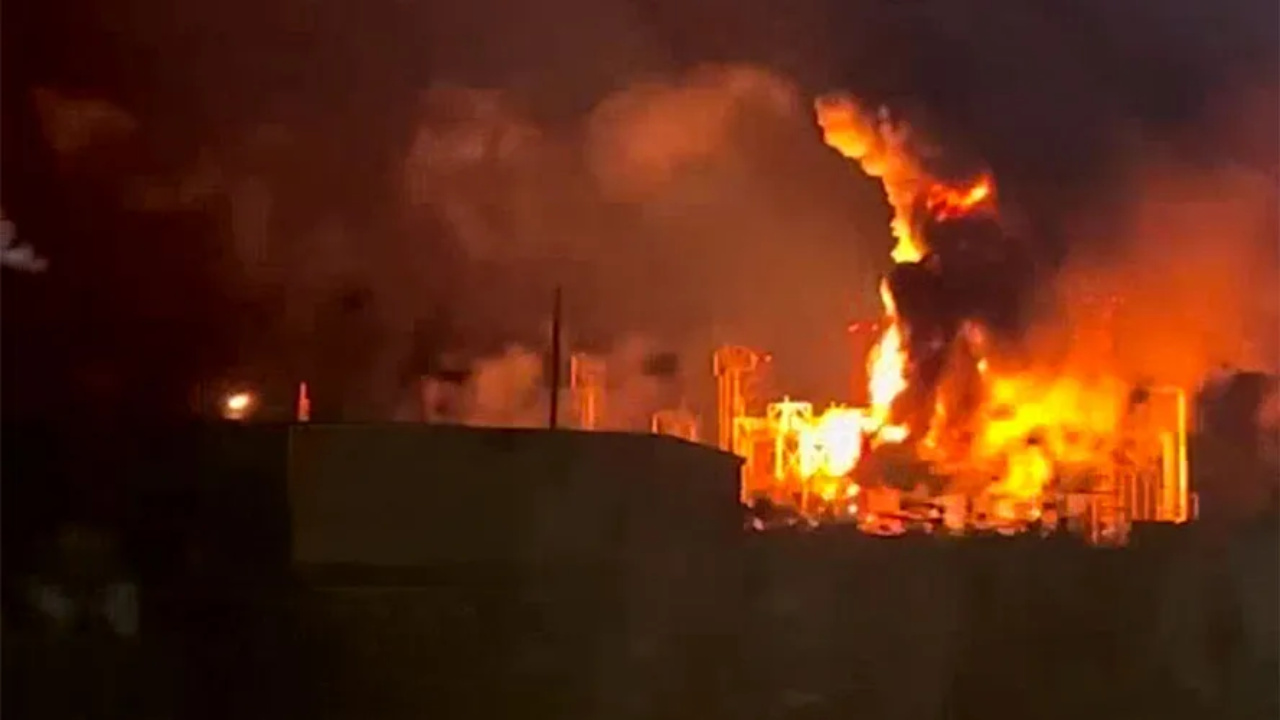
Drone Attack Hits Oil Refinery In Velikiye Luki, Sparks Fire In Fuel Depot And Escalates Tension Between Russia And Ukraine After Negotiations Considered Difficult In Geneva.
An oil refinery located in Velikiye Luki, in the Pskov region of northwestern Russia, was hit during a drone offensive attributed to Ukraine.
The attack caused a fire in a fuel depot, local authorities confirmed.
According to the Russian Defense Ministry, the country’s forces “intercepted and destroyed 113 Ukrainian drones” during the early morning.
-
Petrobras evaluates suspension of sales to distributors and considers canceling the cooking gas auction following guidelines from the Federal Government.
-
Lula reveals a masterstroke by Petrobras to undo a deal made by Bolsonaro, which involves the return of an important refinery that currently produces less than half of what was expected and makes Brazil dependent on international diesel.
-
A study confirms that the natural gas sector will reduce greenhouse gas emissions in Brazil by 0.5% and accelerate the energy transition by 2026.

-
Petrobras implements a severe adjustment and confirms a 55% increase in the price of aviation kerosene with a proposal for installment payments for the companies.


Still, one of the targets hit was precisely the structure connected to the oil refinery in Velikiye Luki.
The regional governor, Mikhail Vedernikov, reported that the impact caused a “fire in a fuel depot.”
According to the initial reports, there were no injuries. Nevertheless, the incident increased tension in a strategic area for Russian energy supply.
Attacks Amid Negotiations Considered “Difficult”
The attack occurred shortly after a new round of international negotiations held in Geneva, Switzerland.
Representatives from Moscow, Kiev, and Washington participated in the meetings, which aimed to seek a resolution for the four years of war.
The talks, held on Tuesday and Wednesday, were described as “difficult” by both Russian and Ukrainian officials.


At the end of the meetings, there was no announcement of concrete progress. The diplomatic climate was already delicate. The drone offensive only intensified the sense of deadlock.
Meanwhile, the conflict continues with frequent attacks from both sides. Ukraine, which has faced nearly daily Russian bombings for four years, has intensified actions directed against strategic infrastructure in Russia.
Among the main targets are oil refineries, port facilities, and energy structures.
Oil Refinery Becomes A Sensitive Point In The Energy War
The choice of an oil refinery as a target is not random. This type of facility is essential for transforming crude oil into fuels used in transportation, industry, and energy generation.
By hitting depots and structures in this sector, the impact can go beyond the military field and reach the economy.

In recent months, attacks on Russian oil refineries have been reported more frequently.
The strategy aims to financially pressure Moscow and affect its logistical capability. On the other hand, Russia claims to have strengthened its air defense systems to neutralize drone incursions.
The Russian Defense Ministry highlighted the destruction of 113 drones in just one night. The number draws attention and illustrates the scale of the operation.
Even with interceptions, the fire recorded in Velikiye Luki shows that some of the attacks managed to breach the defensive barriers.
Escalation Raises Concerns And Increases Uncertainties
The episode reinforces the scenario of instability that marks the conflict. Besides the military impact, the attack on the oil refinery may also generate ripple effects in the energy market and increase internal political pressure.

Although there is no confirmation of significant structural damage, the mere fact that a strategic installation has been hit raises the alarm.
In a context of fragile and stalled negotiations, each new attack tends to further distance any immediate possibility of a ceasefire.
In light of this scenario, the question remains simple and direct: how far can attacks on oil refineries lead this conflict, and what could be the consequences for the global economy?









Seja o primeiro a reagir!