





 Portuguese
  English
  Spanish
  5 min of reading
  3 comments


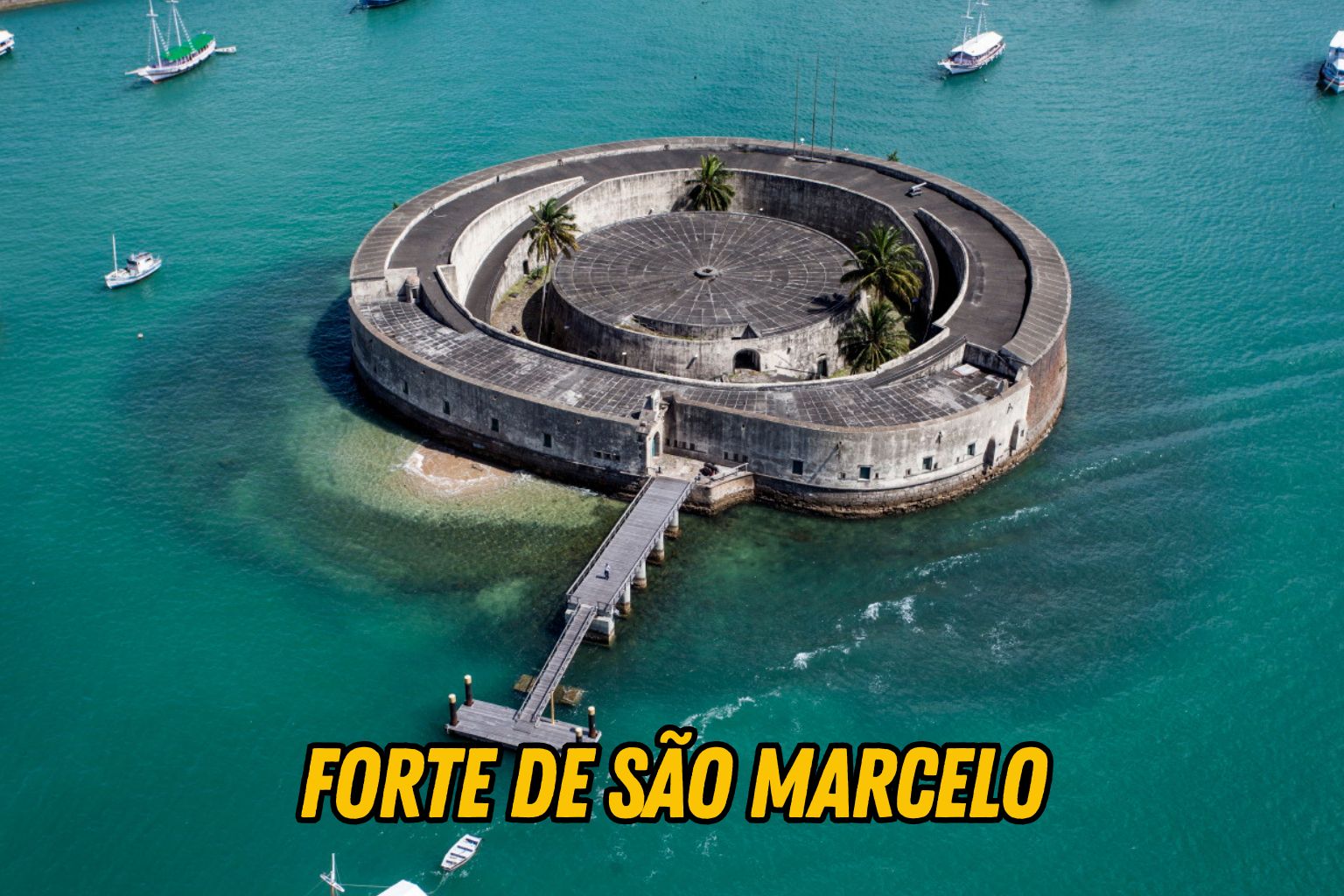


Built In The Seventeenth Century, Forte De São Marcelo In Salvador Defies Time For Almost 400 Years, Raised Over The Sea And Famous For Seeming To Float On The Waters Of The Bay.
At First Glance, It Looks Like A Mirage: A Stone Structure Drawing A Perfect Circle Over The Calm Waters Of Baía De Todos-os-Santos, As If Suspended Between The Sea And The Sky. Those Who Arrive At Porto Da Barra In Salvador Often Stop Instinctively. The Scene Blends History And Nature, Past And Present, Grandeur And Silence. There Stands Forte De São Marcelo — A Fortress Originally Built In The Seventeenth Century To Guard The Coast And Protect Portuguese Territory, But Since Then, It Seems To Have Adopted An Even More Surprising Mission: To Challenge The Ocean, Time, And Modern Logic.
In A Country Where Relatively Recent Buildings Suffer From Infiltration, Corrosion, And Premature Degradation, This Circular Structure Has Stood For Almost Four Centuries Facing Storms, Tides, And Tropical Winds. Built Without Reinforced Concrete, Without Steel, And Long Before Any Industrial Technology, The Fortress Remains Remarkably Intact, Almost Immobile In The Face Of The Forces That Shape The Baiana Coast Every Day. Its Presence Reveals The Strength Of Traditional Engineering And At The Same Time Points To A Disconcerting Truth: Sometimes, Ancestral Architecture Understands Its Environment Better Than Modernity.
A Circle Of Stone Designed To Face The Sea
What Makes Forte De São Marcelo Even More Remarkable Is Its Location. It Is Not On Solid Ground, Nor Protected In Coves Or On Natural Rocks. It Was Built In The Sea — Literally. With Foundations Laid Over Reefs And Reinforced With Stone And Lime Mortar, The Structure Was Born To Withstand The Constant Impact Of Tides And Extreme Salinity. Instead Of Fleeing From The Ocean, It Faced It, Understanding Its Dynamics, Taking Advantage Of The Behavior Of The Waters, And Distributing Load In A Balanced Manner.
-
Friends have been building a small “town” for 30 years to grow old together, with compact houses, a common area, nature surrounding it, and a collective life project designed for friendship, coexistence, and simplicity.

-
This small town in Germany created its own currency 24 years ago, today it circulates millions per year, is accepted in over 300 stores, and the German government allowed all of this to happen under one condition.

-
Curitiba is shrinking and is expected to lose 97,000 residents by 2050, while inland cities in Paraná such as Sarandi, Araucária, and Toledo are experiencing accelerated growth that is changing the entire state’s map.

-
Tourists were poisoned on Everest in a million-dollar fraud scheme involving helicopters that diverted over $19 million and shocked international authorities.


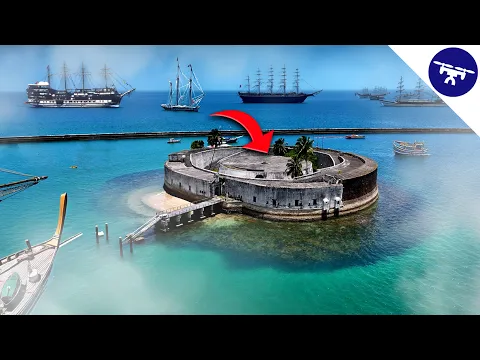

The Circular Geometry Is Not An Aesthetic Whim. It Is An Essential Part Of Its Resistance. Unlike Straight Walls, Curved Lines Dissipate Energy. Waves And Winds Do Not Find Corners To Attack, But Continuous Surfaces That Push The Force Away. In Practice, The Round Shape Acts Like A Hydraulic Shield: The Currents Strike, But Do Not Dominate. The Gusts Blow, But Do Not Tilt. The Naval And Military Engineering Of The Period Knew This Logic And Applied It With Surprising Precision.
The Result Is A Fortress That Seems To Rest Peacefully On The Baiana Waters — When In Fact It Engages In A Constant And Silent Battle With The Elements, A Battle That Has Lasted Nearly Four Hundred Years.
Natural Materials, Extreme Durability, And The Secret Of Lime
The Construction Of The Fortress Used Stone And Lime — Materials That, At First Glance, May Seem Simple, Almost Rudimentary Compared To Today’s Concrete And Steel. But The Choice Was Not Only Technical: It Was Environmental. Lime, Unlike Modern Cement, Creates Structures That Breathe. It Absorbs And Releases Moisture, Works With The Climate, Adapts To Temperature Variation, Reacts With The CO₂ In The Air, And Strengthens Over Time. Instead Of Contracting And Cracking, Like Certain Concretes Exposed To Salt, Lime Matures. Instead Of Oxidizing, The Mineral Core Stabilizes.
The Stone, In Turn, Provides Weight, Density, And Natural Protection Against Salt Water. And The Combination Of These Elements, Aligned With Traditional Techniques Of Binding And Fitting, Allowed For The Creation Of A Coherent, Solid, And Resilient Ensemble. This Harmony Between Material And Environment, Common In Historical Architecture, Rarely Finds Equivalence In Modern Construction. Forte De São Marcelo Was Not Built To Be Quick — It Was Built To Last.
Between War And Landscape: The Transformation Of A Symbol
If In The Seventeenth Century The Fortress Served To Deter Enemies And Protect The Maritime Route Connecting Salvador To The World, Its Function Is Different Today. Now, It Guards The Memory Of A Time When Brazil Was Strategic For European Powers And A Witness To Battles, Blockades, And Territorial Tensions. Over The Decades, It Has Become An Urban Symbol, A Tourist Spot, And An Architectural Reference — Not For The Military Strength It Represented, But For The Silent Resistance It Displays.
Around It, The City Grew, The Waterfront Changed, Ships Were Replaced By Tourist Vessels, And The Port Gained A New Dynamic. Still, The Fortress Remains There, Immobile And True To Its Original Shape, As If Each Century Reinforced Its Purpose. It Has Been Restored, Hosted Official Visits, Been The Subject Of Studies, And Even Artistic Works. Yet At No Point Has It Lost Its Essence: That Of A Structure That Doesn’t Ask Permission From The Sea, But Coexists With It.
When The Past Teaches The Future
In A Global Context Marked By The Search For More Sustainable And Resilient Buildings, Forte De São Marcelo Offers Valuable Lessons. Today, Researchers Are Again Investigating Traditional Techniques Based On Lime, Solid Wood, Organic Forms, And Integration With The Environment. Contemporary Engineering, Which Spent Decades Betting On Industrialized Materials And Rigid Solutions, Reopens Its Eyes To Systems That Prioritize Elasticity, Ventilation, And Dialogue With The Elements.
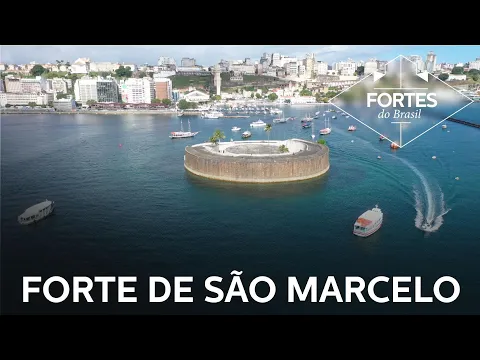
Thus, The Fortress Becomes More Than Just A Monument. It Becomes A Historical Laboratory, A Living Evidence That Architecture Can And Must Learn From Climate, Terrain, And Time. In An Era Of Environmental Urgency And Coastal Challenges, Its Endurance Becomes A Powerful Argument: Surviving The Sea Is Not To Face It — It Is To Understand It.
What Remains, And What Changes
While Tourists Photograph Its Circular Shape, Fishermen Navigate Close To Its Walls, And The Golden Light Of Late Afternoon Reflects On The Sea, The Fortress Remains There — Solid, Silent, Unperturbed. It Is A Witness To A City That Is Born, Grows, Reinvents Itself, And Modernizes. It Is Material Proof That The Slowness And Care Of Ancient Processes Can Produce More Lasting Results Than The Industrial Speed Of The Present.
And When The Tide Rises And Covers Part Of Its Base, Revealing Its Symbiosis With The Waters, A Question Emerges: If Buildings Erected In Another Time, With Simple Tools And Deep Knowledge Of Nature, Stand Firm To This Day, What Prevents Contemporary Engineering From Creating Structures That Endure With The Same Dignity?
Perhaps The Answer Lies Right There, Floating In Front Of The City — Reminding Us That The Future, Often, Is Anchored In The Foundations Of The Past.










Curioso esse fato. Hj pensasse sem pensar na humanidade futura. Perfeição essa engenharia.
Excelente matéria, é muito bom ficar sabendo dessas particularidades !
Apenas para alerta, o forte não fica no Porto da Barra.