





 Portuguese
  English
  Spanish
  4 min of reading
  0 comments


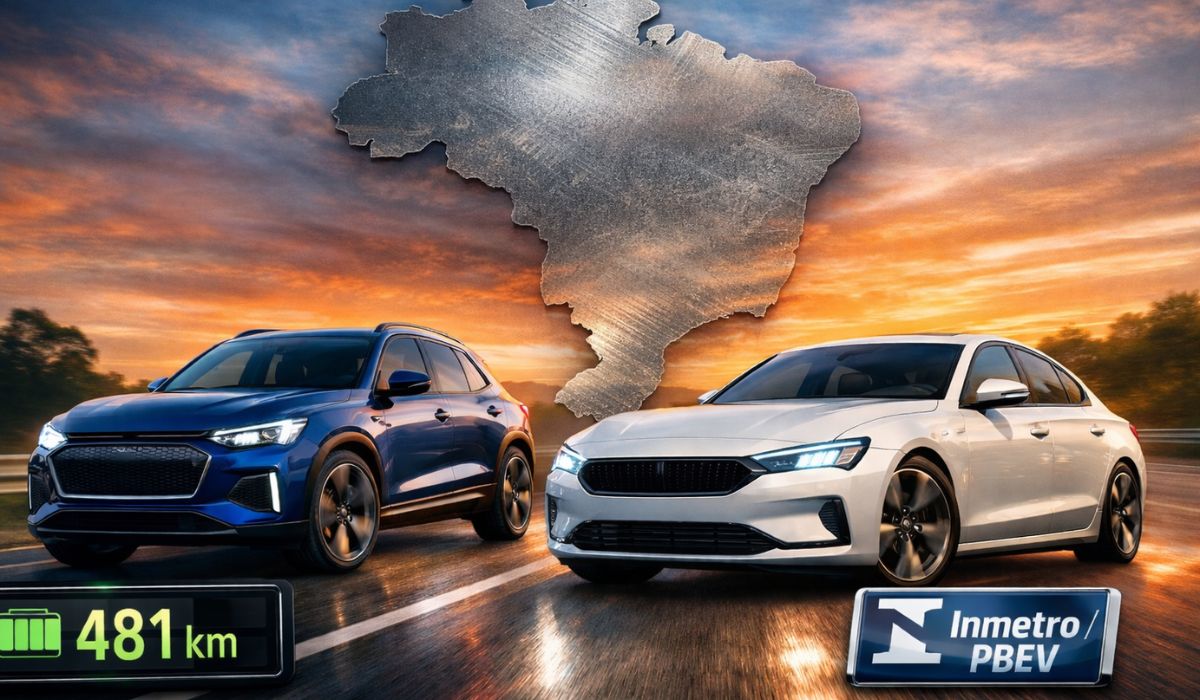
Between SUVs and Premium Models, the List Brings Together Electrics with Declared Range Above 428 km According to Inmetro. The Data Consider the PBEV, Bring Energy Consumption in MJ/km as Tie Breaker and Include Only the Most Efficient Version of Each Vehicle.
Sales of electric cars continued to rise in Brazil and, in 2025, increased by 30% compared to the previous year, with around 80,178 units registered, according to the figures cited in the survey.
By January 2026, the category reportedly recorded an 88% growth compared to the same month of the previous year, again according to the data used as a reference.
With the expansion of the portfolio in the country, the comparison between models began to involve more variables beyond price and size.
-
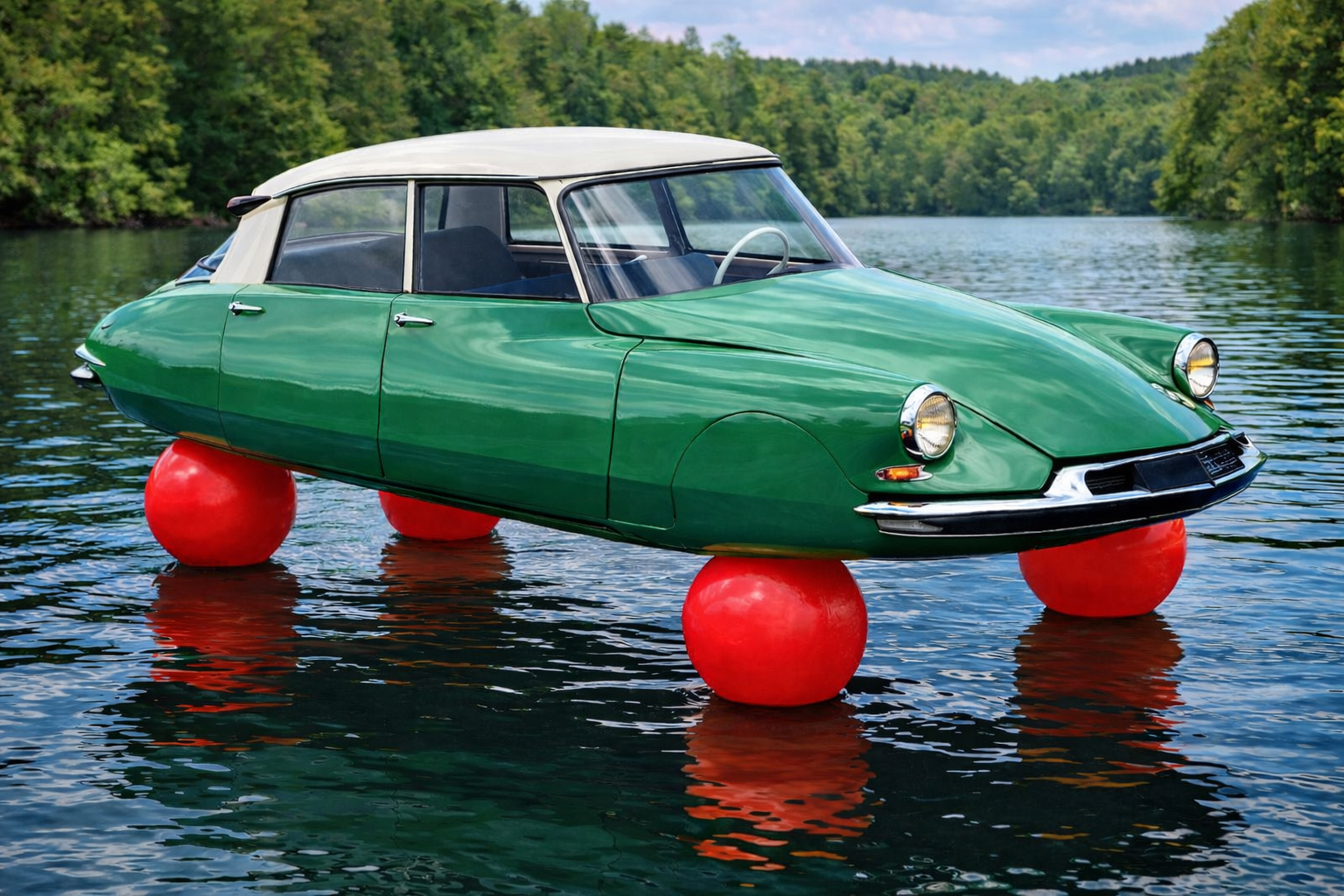
A French brand placed a car on four huge red balloons to prove that its suspension made the vehicle “float,” and the surreal scene became one of the most iconic and unusual images in automotive history.
-
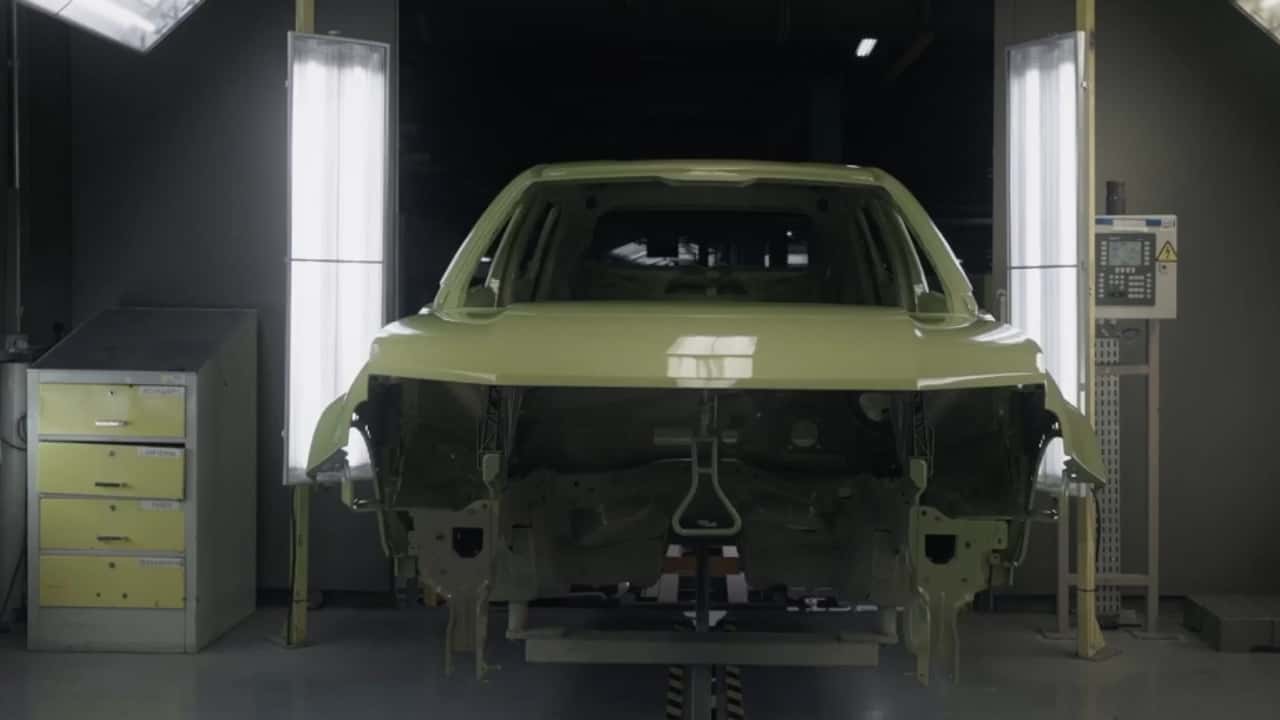
Jeep Avenger begins production in Brazil, debuting as the brand’s new entry-level SUV and inaugurating an unprecedented phase by becoming the first national Jeep manufactured outside of Goiana, as part of a R$ 3 billion plan.
-
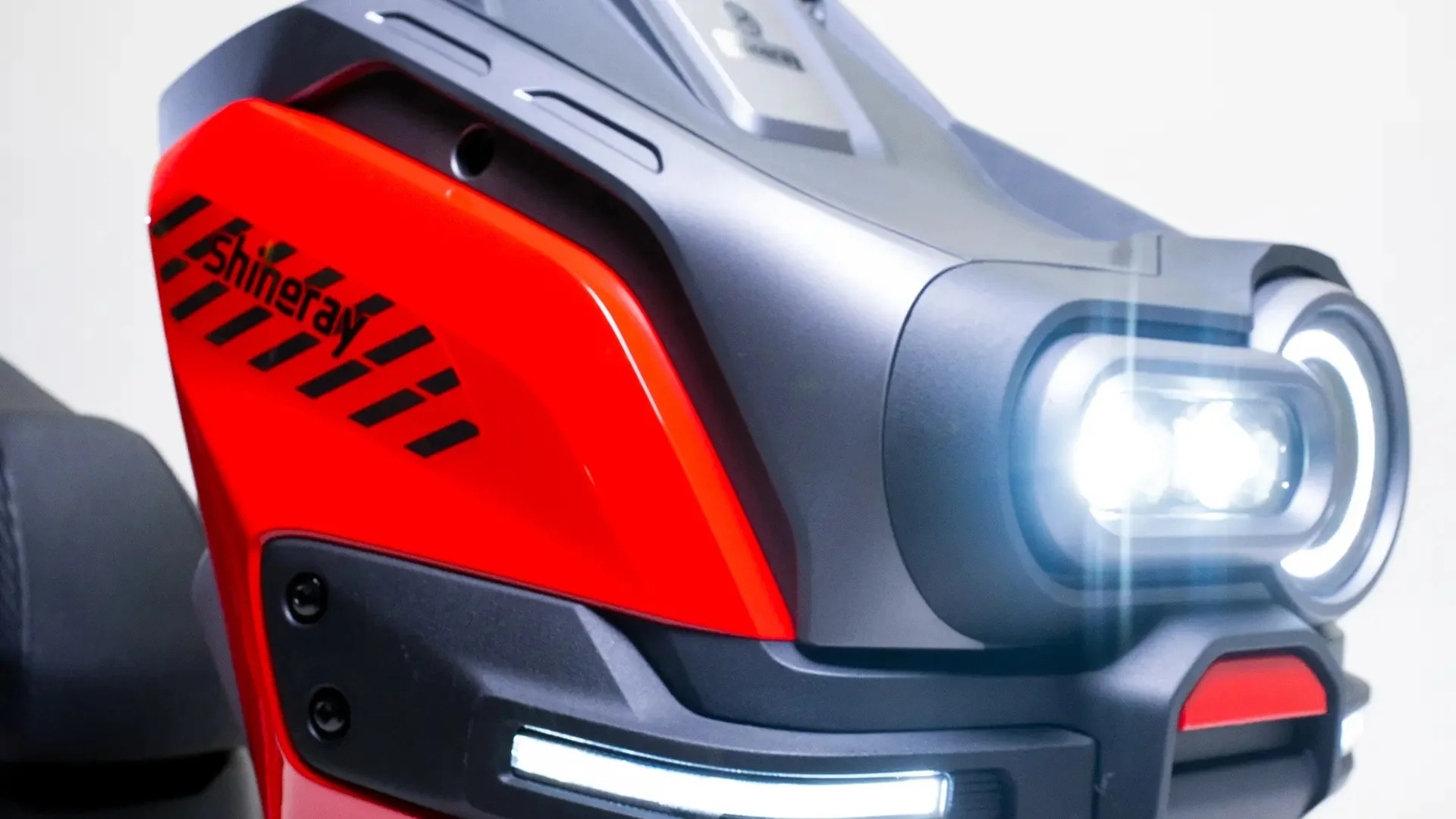
Costing R$ 12,490, the new Shineray Urban Lite 150 “cheap one” arrives in Brazil with a CVT transmission, digital dashboard, and LED lights, making it more affordable than the Biz and targeting those who want to abandon the bus.
-
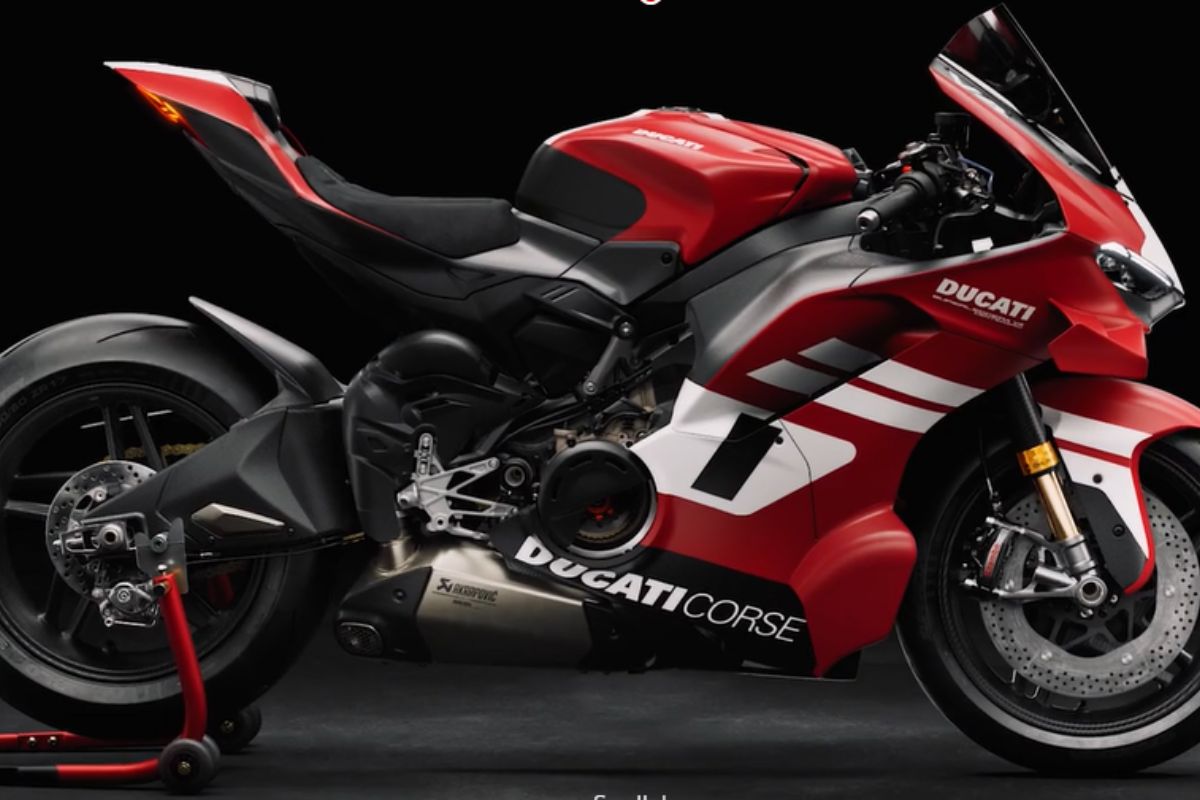
Ducati brings to Brazil the Superleggera V4 Centenario: 228 hp that become 247 with a track kit, carbon fiber and carbon-ceramic brakes, estimated price between R$ 1.5 and 2 million, deliveries only in 2027.

Power, charging capacity, and, especially, range become central to the evaluation, especially for those prioritizing longer trips or routes.
Given this scenario, Autoesporte compiled the 10 Electric Cars with the Greatest Ranges Registered in Brazil in 2026, based on the most recent table from the National Institute of Metrology, Quality and Technology (Inmetro).
The agency consolidates the data on the energy efficiency of vehicles sold in the country through the Brazilian Vehicle Labeling Program (PBEV).
Inmetro Methodology and Tie-Break Criterion (MJ/km)
The list references the range indicated by Inmetro for electric vehicles sold in Brazil.
When the ranges are very close, the adopted tie-break criterion is energy consumption, expressed in MJ/km, as stated in the survey itself.
Additionally, to avoid the same model appearing repeatedly with different versions, only the configuration with greatest range of each vehicle was included.
Thus, alternative versions of the same car may have lower range, but do not enter the cut.
Ranking from 10th to 6th: Range Above 428 km

The 10th place goes to the Audi SQ6 Sportback e-tron Quattro, with 428 km of range.
The cited price starts at R$ 684,990, with two electric motors totaling 517 hp and 80 kgfm.
In energy consumption, the reported value is 0.60 MJ/km.
In 9th place is the BYD Tan GS 700EV, with 430 km.
The survey indicates a starting price of R$ 536,800 and a set of two electric motors with 517 hp and 69.4 kgfm.
The indicated energy consumption is 0.73 MJ/km.
In 8th position is the GAC Hyptec HT Ultra, with 431 km and a price starting at R$ 536,800, according to the list.
The reproduced technical sheet indicates two electric motors with 517 hp and 69.4 kgfm.
The reported energy consumption is 0.53 MJ/km.
Just above, the 7th place goes to the Kia EV9 GTL, with 434 km.
The cited starting price is R$ 749,990.
The SUV uses two electric motors to deliver 385 hp and 71.4 kgfm, while the energy consumption registered in the PBEV is 0.65 MJ/km.
The 6th place goes to the Porsche Macan E4, which marks 443 km.
The reported price starts at R$ 690,000.
The powertrain is described with 387 hp or 408 hp with Overboost and torque of 66.2 kgfm.
In energy consumption, the presented value is 0.61 MJ/km.
Ties in Range and the Role of Energy Consumption

The range of 443 km also appears in 5th place, with the Chevrolet Equinox EV.
According to the list, the model starts at R$ 349,900 and features two electric motors totaling 292 hp and 46 kgfm.
The reported energy consumption is 0.56 MJ/km.
In 4th place, the Audi A6 e-tron registers 445 km.
The cited starting price is R$ 649,990.
The mentioned configuration comes with 367 hp and 59.1 kgfm, with consumption of 0.59 MJ/km.
In this part of the ranking, small differences in consumption and range end up being relevant to defining the order, according to the adopted criterion.
Top 3 in Brazil in 2026: Volvo EX90, BMW i7 and Chevrolet Blazer EV

In 3rd place is the Volvo EX90, with 459 km.
The survey indicates a starting price of R$ 849,950 and a set of two electric motors with 524 hp and 92.8 kgfm.
The indicated energy consumption is 0.68 MJ/km.
The 2nd position belongs to the BMW i7 xDrive60, with 467 km.
The sedan has a reported starting price of R$ 1,373,950, with electric powertrain of 544 hp and 75.9 kgfm.
In energy consumption, the cited value is 0.65 MJ/km.
The 1st place goes to the Chevrolet Blazer EV, with 481 km of range in the considered table.

The listed price starts at R$ 503,190.
The powertrain is described as electric, with 347 hp and 44.9 kgfm.
The reported energy consumption is 0.63 MJ/km.
How to Use the PBEV Table to Compare Electric Models
Although range organizes the list, it is not the only indicator available in the PBEV.
Still, by using the same measurement methodology, Inmetro’s data serves as a reference to compare models within the standard adopted by the program.
The survey also specifies that energy consumption, in MJ/km, is used as a tie-break criteria when range does not separate the vehicles.
For this reason, in cases of close values, the recorded efficiency has a direct impact on the final position.
With the arrival of different brands and versions, the ranking brings together SUVs and models of different price ranges, according to the presented data.
For the consumer, the list can serve as a starting point for comparison, especially when range is treated as the main requirement.








-

-

2 pessoas reagiram a isso.