





 Portuguese
  English
  Spanish
  6 min of reading
  12 comments


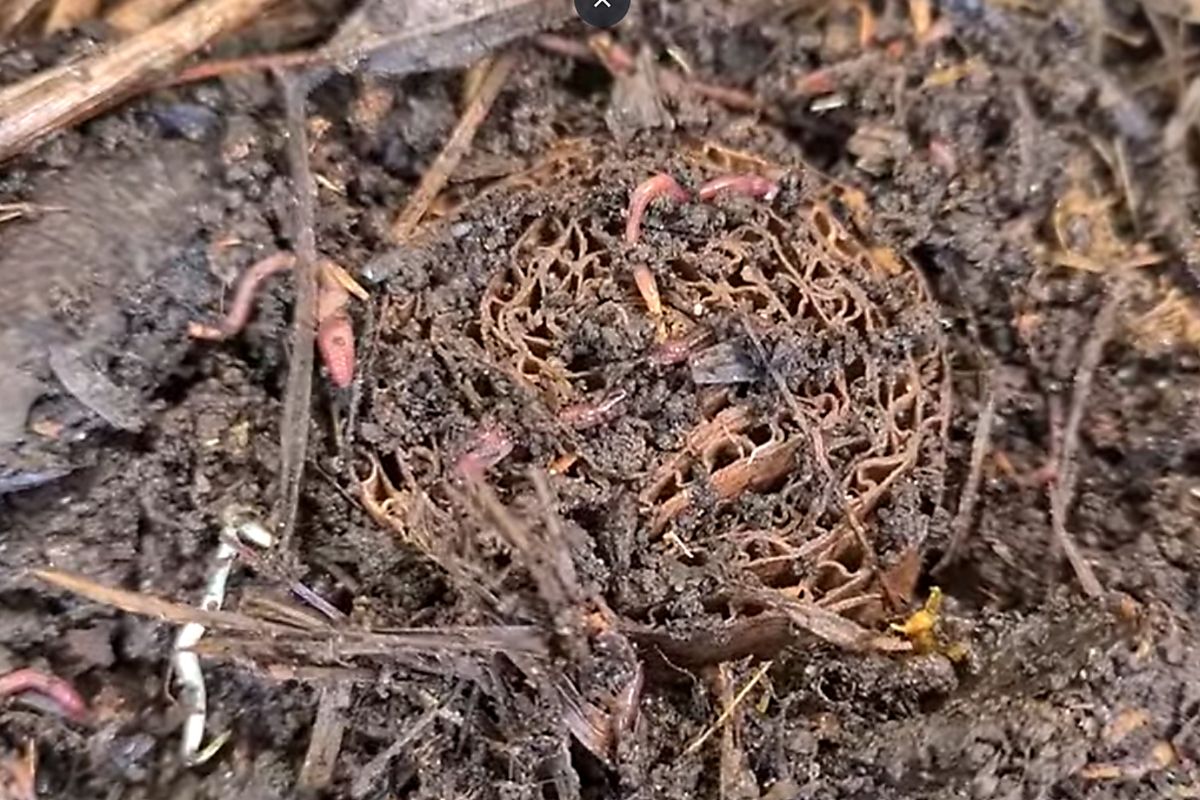


By Replacing Grocery Bags with Cardboard Boxes, She Learned to Control Weeds, Retain Frost, Attract Earthworms, and Transform Her Garden, Yard, and Backyard into a Productive Forest by Reusing What Would Otherwise Go to Waste.
Taking home groceries in cardboard boxes seemed like just a simple habit to avoid plastic bags. In the countryside, this cardboard became a key player in the garden: it helped smother weeds, protect the soil, attract earthworms, and keep the plants healthier with almost no extra effort.
Inspired by the move from city to country, she and her partner tested, in practice, 6 ways to use cardboard in the garden and yard, based on the “no dig” method, in pathways between beds, around trees, as thermal insulation, and even as biodegradable “worm hotels.” In this guide, you will learn step by step how to replicate these ideas in your backyard using cardboard that would have gone to waste.
1. Cardboard for Controlling Weeds with the “No Dig” Method

The first use of cardboard is in preparing the raised bed without having to weed everything or constantly uproot plants with a hoe. Instead of weeding, picking each “weed” and taking it to compost, she simplified the process with the “no dig” method, the well-known “no-till.”
-
The sugar-energy sector advances with agricultural technology, but agricultural productivity still raises concerns.

-
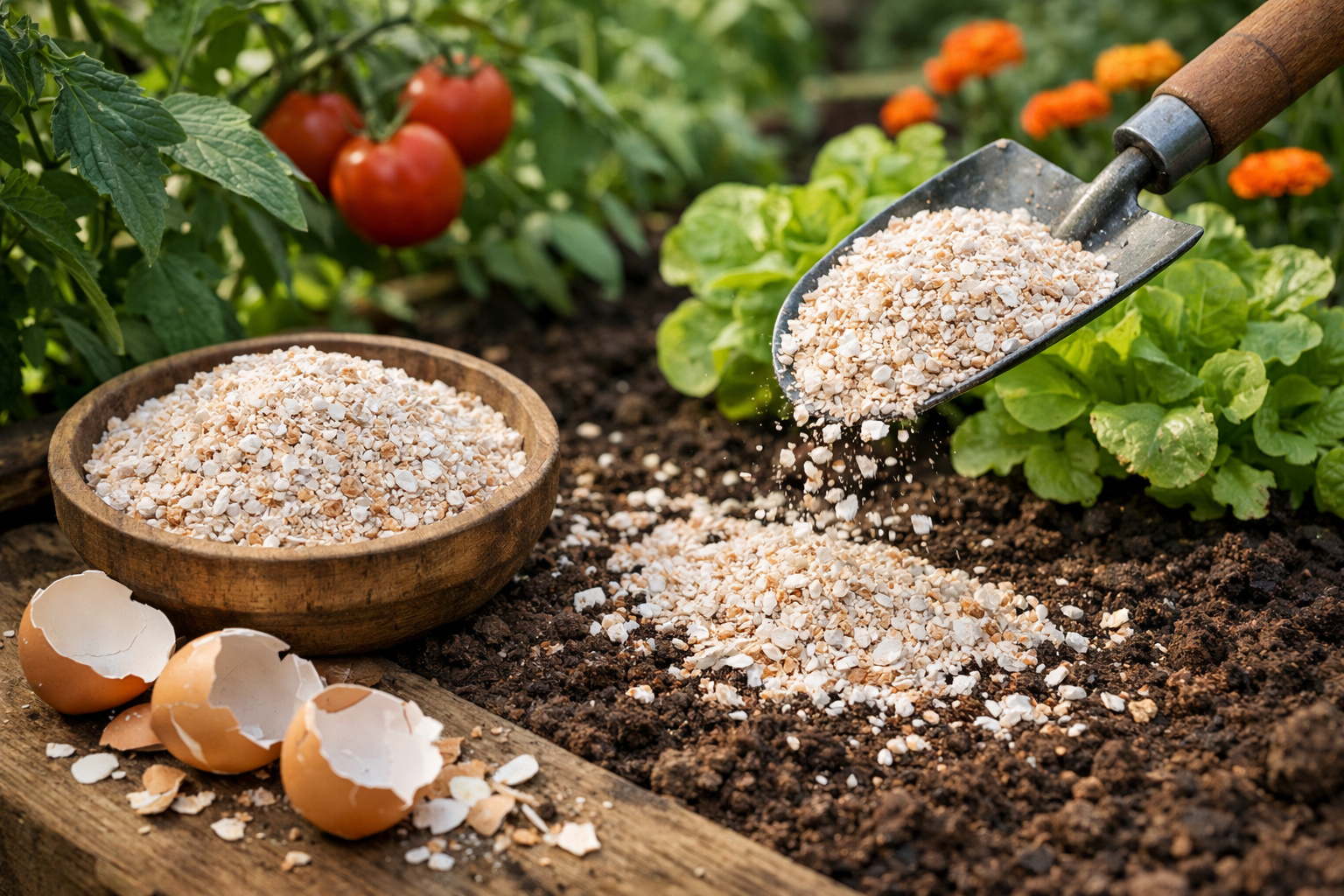
The eggshell that almost everyone throws away is made up of about 95% calcium carbonate and can help enrich the soil when crushed, slowly releasing nutrients and being reused in home gardens and vegetable patches.
-
This farm in the United States does not use sunlight, does not use soil, and produces 500 times more food per square meter than traditional agriculture: the secret lies in 42,000 LEDs, hydroponics, and a system that recycles even the heat from the lamps.

-
The water that almost everyone throws away after cooking potatoes carries nutrients released during the preparation and can be reused to help in the development of plants when used correctly at the base of gardens and pots, at no additional cost and without changing the routine.


It starts like this: you place one or two layers of cardboard directly over the grass and spontaneous plants, in the spot where you want to set up the bed. On top of this cardboard goes a good layer of organic matter and enriched soil. The cardboard acts as a lid that suffocates the weeds underneath while the fertile layer on top creates a perfect bed for seedlings and seeds.
Besides controlling weeds, this system also helps to:
- Improve soil structure
- Reduce erosion
- Conserve moisture
- Minimize the sprouting of new weeds
Before decomposing, cardboard becomes a shelter for insects and earthworms, maintains a more stable temperature near the roots, and gradually turns into food for microorganisms. In the end, it becomes part of the soil itself, making the bed more alive and healthy.
2. Cardboard in Garden Pathways to Keep Walkways Clean

The second use of cardboard is in the pathways between the beds, those spaces where you walk to care for the plants. Instead of constantly struggling with the weeds that grow in the middle of the paths, she simply lines the ground with pieces of cardboard.
The effect is twofold: the weeds struggle to grow under the cardboard, and at the same time, you gain a firmer surface to walk on, without sinking into the damp soil. The pathway becomes more organized, cleaner, and much more pleasant to use in the daily routine of the garden.
To make the appearance even nicer and reinforce the protection, she covers the cardboard with dry leaves. In the end, both the leaves and the cardboard will decompose and become part of a rich layer of organic matter, enhancing the soil even in the pathways.
3. Cardboard Around Trees and Shrubs to Protect Roots
The third use of cardboard appears around small trees and shrubs. The idea is to create a protective circle at the base of the plants to avoid competition with weeds.
She does this by placing cardboard around the trunk, leaving space for the plant to breathe, and then covering it all with a dry layer on top, which can be leaves or grass clippings. This “collar” of cardboard blocks weed growth, retains moisture, and protects the roots, especially in the cold.
This combination of cardboard with dry cover can last several months, precisely the time needed for the tree or shrub to establish itself better in its location. In the meantime, the roots grow more peacefully, without competing for water and nutrients with the surrounding weeds.
4. Cardboard as Thermal Insulation Against Frost
The fourth use of cardboard takes advantage of an important characteristic of the material: it is a great thermal insulator. In practice, this means that cardboard helps protect plants from intense cold, especially young seedlings.
In the experience of the farm, it was used to protect banana seedlings from an expected frost. The seedlings were covered with cardboard, creating a kind of temporary protective house that retained some heat and isolated them from the direct cold. Where cardboard was used, the seedlings had a better chance of surviving the low temperatures.
The seedlings that were left unprotected suffered more, and some were lost. It is a simple reminder: a piece of cardboard can make the difference between losing or saving young plants in winter.
5. Cardboard in the Worm Bin for Shade, Moisture, and Protection from Rain
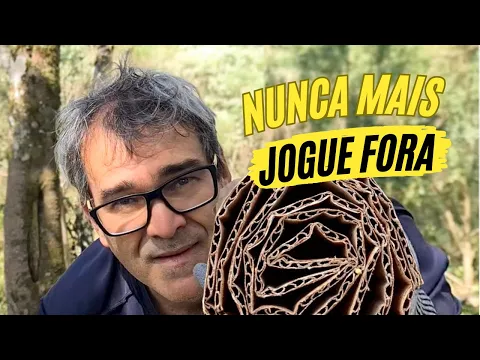

The fifth use of cardboard is inside the worm bin, and here it serves two main functions at the same time.
The first is to act as a cover to keep the environment dark, just the way earthworms like it. It’s placed on top, like a blanket. This creates shade, helps retain moisture, and makes the space more comfortable for the worms to work on organic matter. A simple piece of cardboard on the worm bin keeps everything more stable and pleasant for those who actually do the work: the earthworms.
The second function arises when it’s time to harvest the ready compost. When she wants to collect the material, she concentrates the food and more cardboard on one side, where it is dark and moist. This way, the earthworms naturally migrate to that side, and the other side becomes more “free,” making it easier to remove the compost without losing too many earthworms in the process.
Additionally, the cardboard also acts as a barrier against heavy rain, reducing the direct impact of water on the worm bin, even in areas that already have some protection, like under a grove.
6. Cardboard Worm Hotel to Enhance the Soil
The sixth use of cardboard is one of the most creative: turning the material into a biodegradable “worm hotel” directly in the bed or at the base of a tree.
She does this by rolling it up, leaving small holes, and burying this roll close to the plant she wants to favor. Then, she takes some earthworms, like the Californian ones, and places them in these holes. The holes in the cardboard become shelters, laying areas, and protected spaces for the earthworms to reproduce more peacefully.
Over time, the earthworms will enter the holes, hiding from the sun, enjoying the moisture, and feeding on the cardboard itself. Besides being a shelter, it also becomes food. When it decomposes, it leaves behind more organic matter and an even richer soil around the plant.
Final Tips for Transforming the Garden with Cardboard
By swapping the plastic bag for cardboard boxes, she not only reduced waste but also gained a versatile ally in the garden, yard, and backyard. The same material that brings groceries from the city becomes the base for raised beds, walkway coverings, seedling protection, frost barriers, worm bin lids, and worm hotels.
The more you learn to use cardboard in the soil, the more you realize that it helps build a true productive forest around the house, with living soils, full of earthworms and stronger plants.
And you, which of these cardboard uses will you try first in your garden or yard?









Vou usar, primeiro, nos caminhos entre as plantas. Depois vou colocar nos troncos das árvores!!
Eu tenho um sítio e sofro muito com a capina das ervas daninhas. Vou testar todas as dicas.
Vou começar a testar o papelão na horta.