





 Portuguese
  English
  Spanish
 3 min of reading
  0 comments


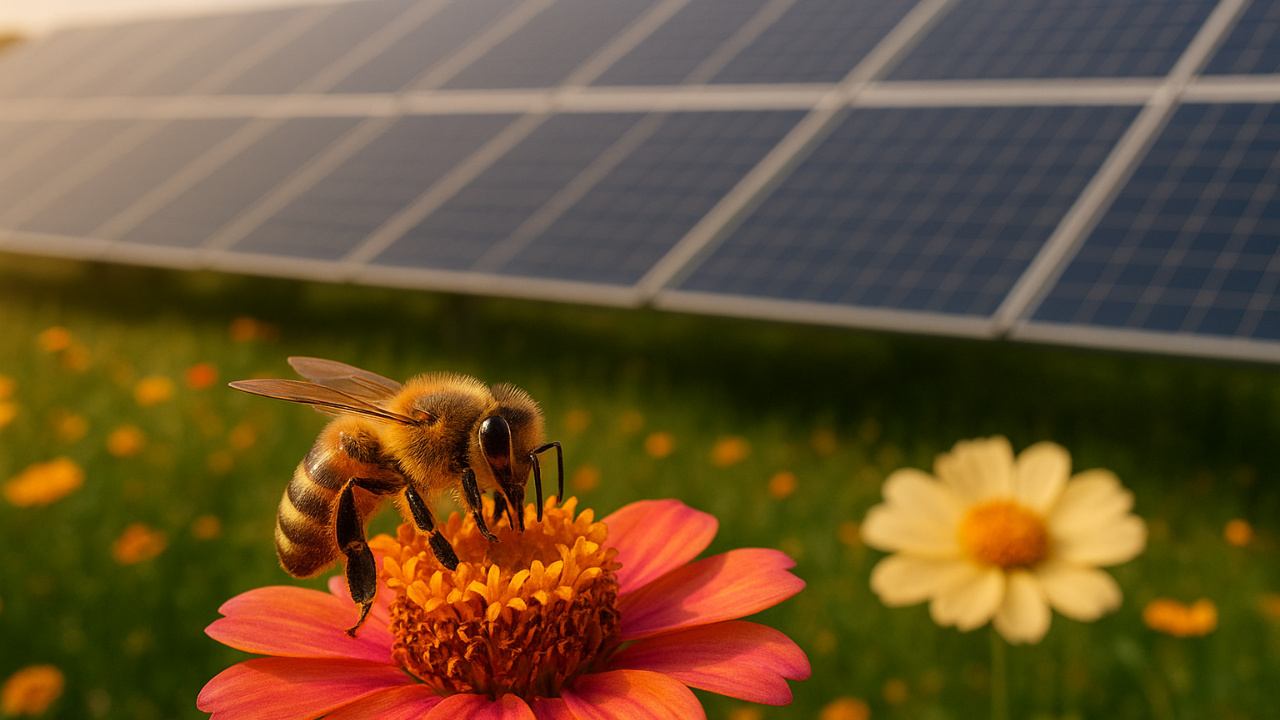
With Solar Energy and Focus on Environmental Preservation, the BeeVolt Project, Developed by EDP in Partnership with Bee2Be and the NGO Orientavida, Completes One Year Uniting Clean Technology, Community Training, and Protection of Native Bees in Roseira (SP).
The BeeVolt project, an initiative by EDP in partnership with the startup Bee2Be and the NGO Orientavida, celebrates one year this month, also marking the National Day of Bee Preservation. The program combines solar energy, sustainable agriculture, and environmental preservation, transforming the Solar Plant of Roseira (SP) into a hub of socio-environmental innovation, as reported this Monday, 06. The agrivoltaic proposal — which combines solar generation with agricultural activities — accommodates native stingless bee hives and promotes environmental education, income, and social inclusion.
Expansion of Hives and Strengthening of Biodiversity
Initially with 20 swarms, each containing about 600 bees, BeeVolt now has 48 hives and aims to reach 100 by April 2026. In addition to producing clean solar energy, the project protects endangered species and encourages natural pollination, directly benefiting local biodiversity.
The highlight is the Mandaçaia bee (Melipona quadrifasciata anthidioides), a native stingless species at risk of extinction. Considered essential for ecological balance, these bees are responsible for about 80% of the pollination of plants in the region, including trees and typical fruits such as jabuticaba, uvaia, pitanga, and araçá. Since the project’s inception, it is estimated that approximately 630 hectares have already been pollinated in Roseira and surrounding areas.
-
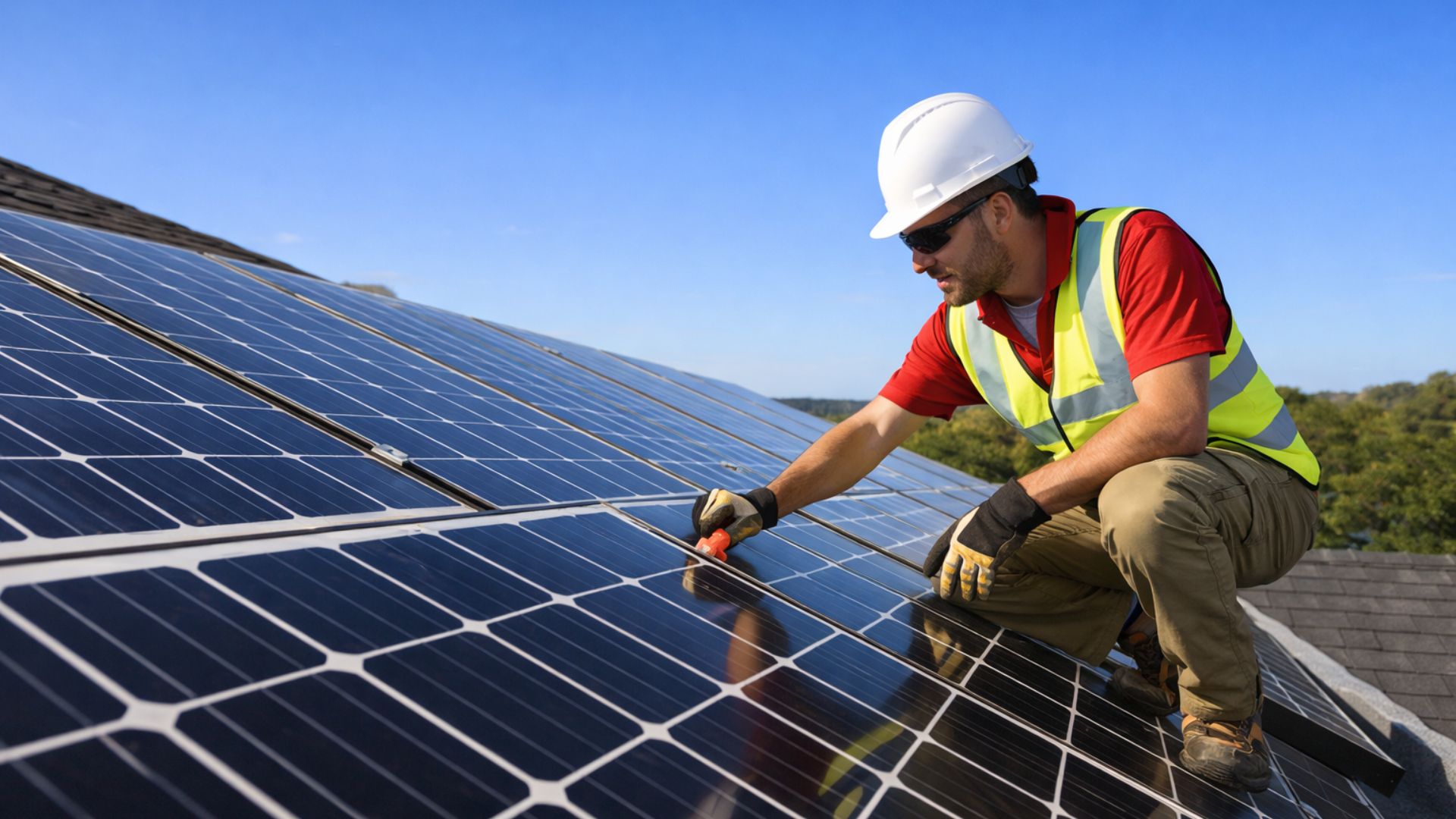
Seagri’s headquarters invests in solar energy with Neoenergia Coelba and promises to cut electricity costs, highlighting a strategic advance in sustainability and energy efficiency within state public administration.
-
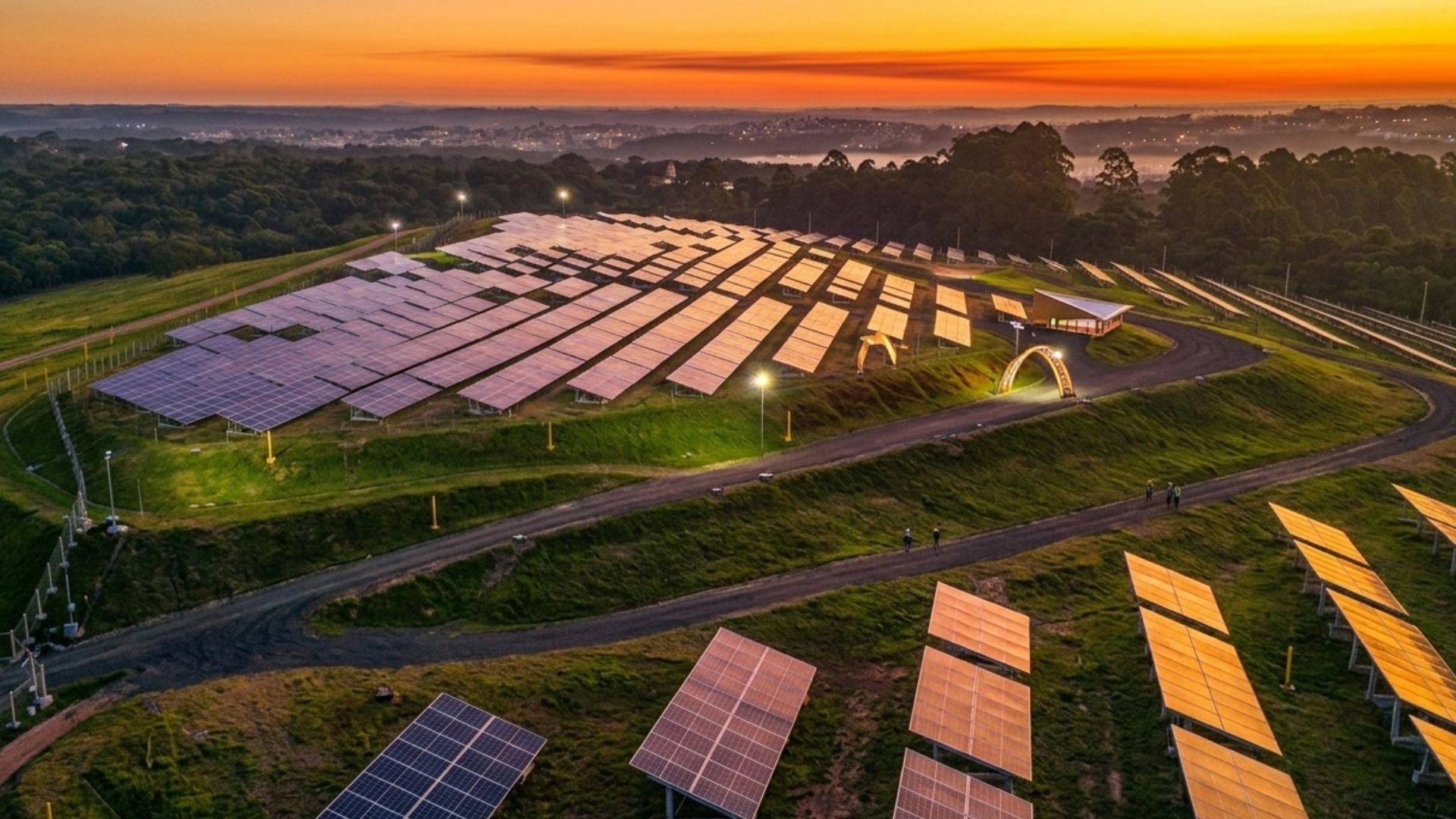
Solar Pyramid draws attention by converting solar energy into million-dollar savings and repositioning the City Hall of Curitiba as an example of innovation, sustainability, and intelligent use of public resources.
-
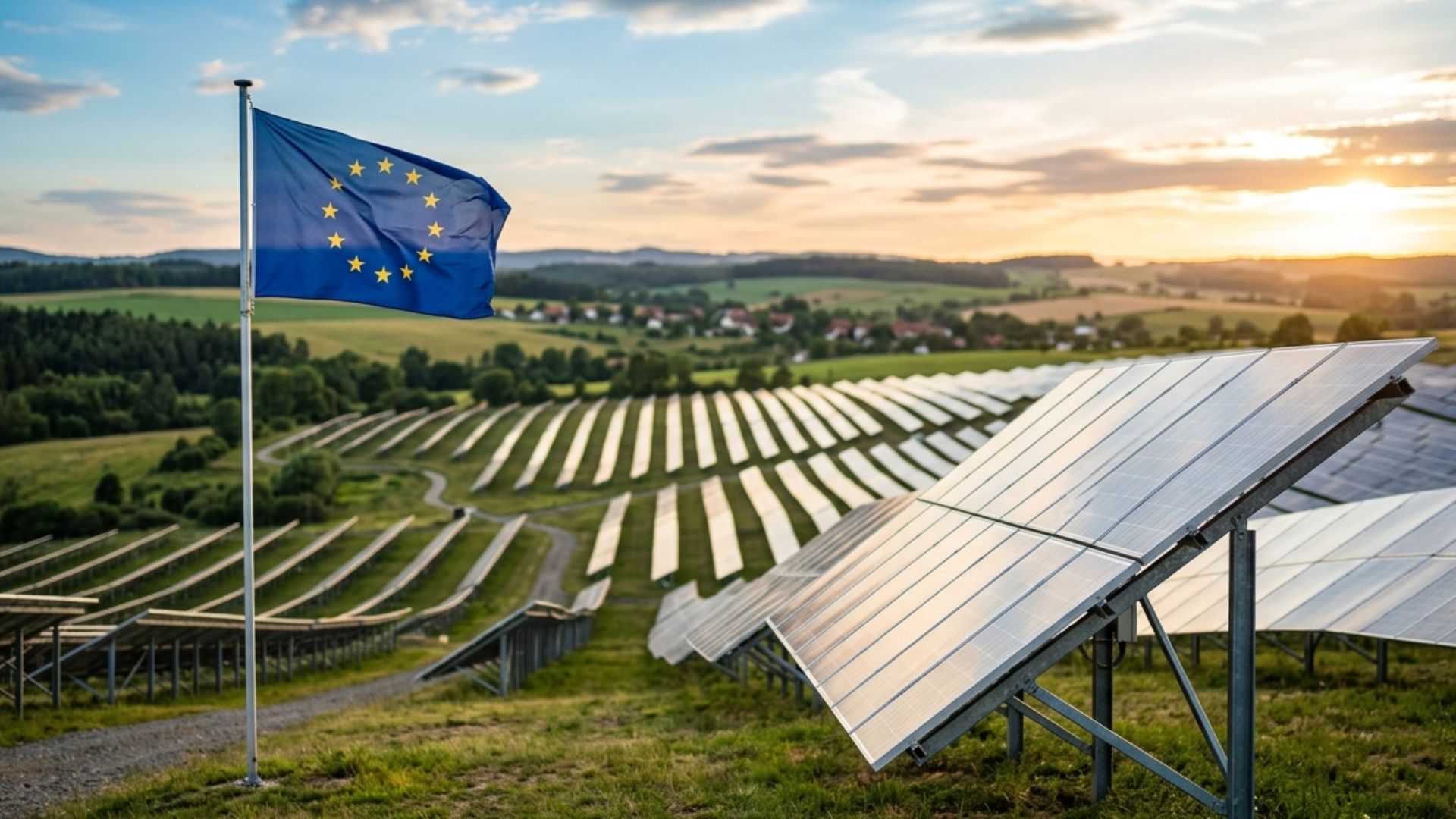
Europe records strong euro economy with solar energy in March and sparks curiosity about which country leads growth that redefines the energy market and reduces costs.
-
Piauí reaches a historic milestone in energy transition: State records nearly 160,000 households powered by solar energy and leads growth in the Northeast.

Bees as Allies Against Climate Change
“In times of climate change, bees become even more relevant. As pollinators, they ensure the regeneration of native plant species and strengthen ecosystems. That is why this collaboration with EDP is so valuable: by integrating the creation of stingless bees with solar plants, we promote a constructive effect on the environment and social surroundings,” explains Vitor Costa, founder of Bee2Be.
One of the pillars of BeeVolt is social impact. In March 2025, seven residents of the area received training in meliponiculture, colony management, making bait hives, bee biology, and legislation on meliponaries. The course involved women in situations of social vulnerability and neurodivergent individuals, enhancing inclusion and access to new income opportunities.
Four of the hives were directed to the NGO Orientavida, which currently maintains nine active swarms. The expectation is that in the coming months, the production of honey and geopropolis will become a source of income for the local community, strengthening sustainable economic development.
Solar Energy Benefiting Families and Communities
Installed at the Solar Plant of Roseira, BeeVolt is more than an environmental project: it is a social transformation initiative. The plant, inaugurated in February 2024, has a capacity of 75 kW — enough energy to supply around 154 families in the Favela dos Sonhos in Ferraz de Vasconcelos (SP). Distribution occurs through energy credits, ensuring direct savings on electricity bills.
Between March 2024 and August 2025, participating families have already saved over R$ 110 thousand, resulting from an investment of more than R$ 500 thousand from EDP, in partnership with the NGO Gerando Falcões.
“The project combines environmental preservation and social transformation, reinforcing the company’s commitment to the development of the communities where it operates and to a just energy transition. It is a solar plant that benefits the community in different spheres, whether through renewable energy generation, the protection and enhancement of the region’s biodiversity, and also through awareness, environmental education, and income generation,” says Dominic Schmal, ESG Director of EDP in South America.
Global Model of Sustainable Replicability
BeeVolt is part of the international Y.E.S. (You Empower Society) program, which brings together over 500 social projects by EDP in various countries. A similar example is the Solar Solidarity project in Portugal, which brings solar energy and efficient appliances to low-income families in the Cova da Moura neighborhood in Lisbon.
With the union of solar energy, environmental protection, and social empowerment, the Roseira project demonstrates how the energy transition can go far beyond electricity generation, serving as a replicable model for communities in Brazil and around the world.









Seja o primeiro a reagir!