





 Portuguese
  English
  Spanish
  5 min of reading
  1 comment


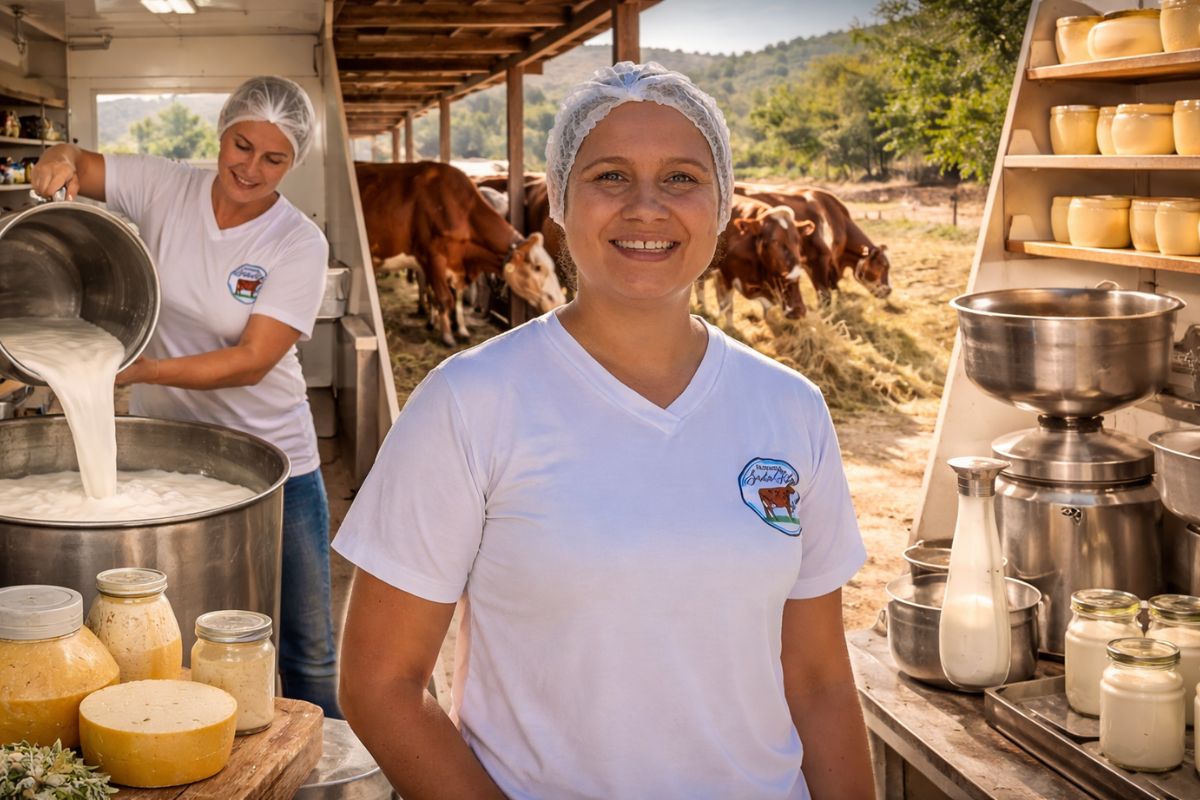


In Minas Gerais, A Biomedical Professional Leaves the Laboratory, Learns from Senar Courses, and Transforms the Santa Rita Cheesery into A Production Routine Every Day. The Milk Goes Directly Through The Tube, Is Pasteurized, Skimmed Into 21 Dishes, and Turns Into Cream, Fresh Butter, and Parmesan Since 2017 With Full Control
The biomedical professional Carla did not leave the city to “find peace.” She left to seek predictability, and this, in the countryside, has a name and smell: milk under control, from the cattle to the pasteurizer, without shortcuts, without improvisation, with a defined routine and hygiene monitoring that resembles a laboratory.
At Fazenda Santa Rita, in Carmo do Rio Claro, she and her husband, Beto, sustain an operation where the morning milk turns into product and calendar. What is seen from the outside is a simple cheesery; what is understood from the inside is a chain of decisions to reduce risk and increase standards.
Why The Biomedical Professional Switched The Laboratory For The Cheesery

The turning point has a practical reason: to stop being at the mercy of milk prices.
-
The sugar-energy sector advances with agricultural technology, but agricultural productivity still raises concerns.

-
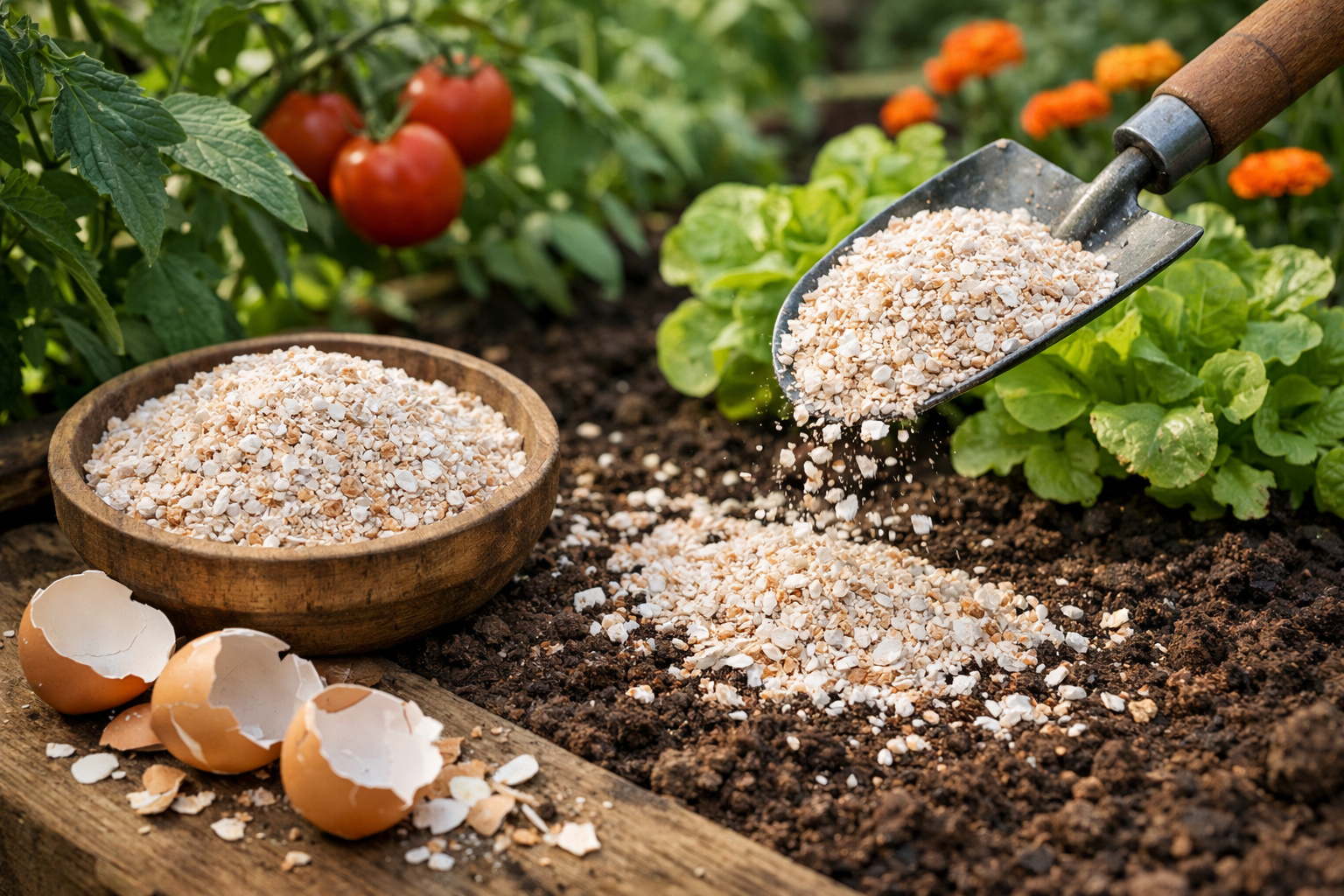
The eggshell that almost everyone throws away is made up of about 95% calcium carbonate and can help enrich the soil when crushed, slowly releasing nutrients and being reused in home gardens and vegetable patches.
-
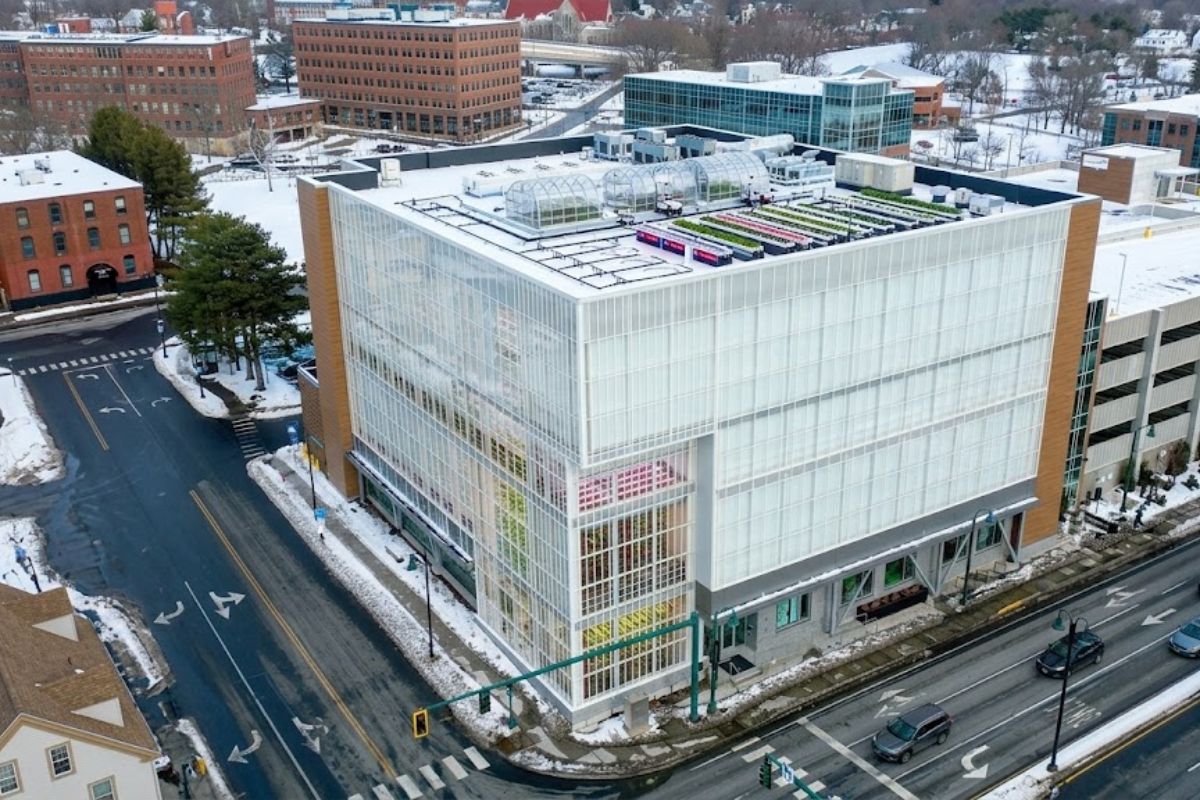
This farm in the United States does not use sunlight, does not use soil, and produces 500 times more food per square meter than traditional agriculture: the secret lies in 42,000 LEDs, hydroponics, and a system that recycles even the heat from the lamps.
-
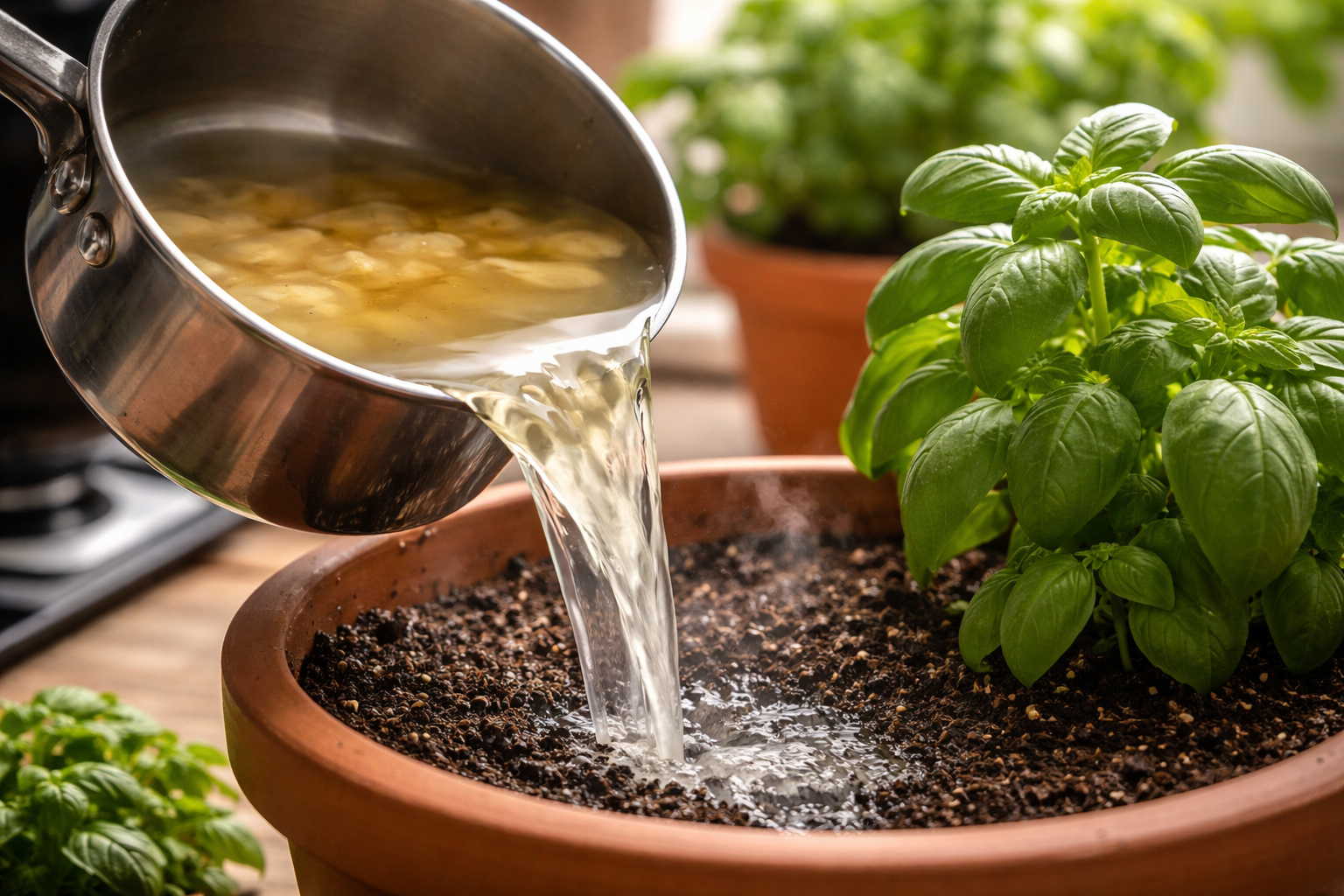
The water that almost everyone throws away after cooking potatoes carries nutrients released during the preparation and can be reused to help in the development of plants when used correctly at the base of gardens and pots, at no additional cost and without changing the routine.

Beto describes the discomfort of years of complaints and the decision to “add value,” until reaching the milestone they refer to as the birth of the plan, July 25, 2017, when they sold their first cheese.
For the biomedical professional, the change was also a change in language.
She says she left one laboratory to build another because cheese requires method, cleanliness, and repetition.
It’s not rural romanticism; it’s process control, and this is evident in the way she talks about bacteria, hand sanitizer, and environmental standards.
From Cattle to Pasteurizer Without Touching The Milk

The milking design follows a simple idea: reduce contact and reduce contamination.
The milk comes out of the cow and goes directly through the tube to the pasteurizer, without passing through any hands, with sealed entry points.
The milking works with four sets at a time, in a dynamic of preparing four, milking four, maintaining the flow.
Beto describes the herd and the internal separations. There is a division between animals aimed at cheese and milk production and another group whose milk goes to the dairy factory.
He mentions a daily total ranging from 1000 to 1200 liters, with about 700 linked to the cattle he calls Gers, and emphasizes that the routine has no break, with two milkings a day, 365 days a year.
The Skim Separator That Separates Cream and Milk in Minutes

If milking creates volume, the skim separator organizes the fat.
Carla sets up the equipment with 21 small cups, fits the initial piece that needs to be in the right order, and lets the machine spin for 3 minutes before receiving the milk to achieve full rotation.
The operation demonstrates, in practice, the difference in density.
The skimmed milk comes out in larger quantities, while the cream takes a little longer but appears thicker, with the look and viscosity that explain why it turns into butter.
Carla describes a typical proportion: in 100 liters of milk, she extracts around 15 to almost 20 liters of cream, varying according to the day and time of year.
She also compares the before and after.
Previously, with a smaller skim separator, she spent about 5 hours skimming.
Today, the same step becomes a quick part of the day, because the volume is large, and the goal is to keep the routine going with few people.
Daily Routine and The Calendar That Began On 07/25/2017
What sustains the cheesery is not just equipment; it’s the schedule.
Carla organizes the week like a production line per day, avoiding piling up tasks that require attention at the same time.
One day she skims and pasteurizes the cream for the butter of the next day, letting it mature from one day to the next.
On another day, she makes Minas fresh cheese and bottled milk.
Then comes the Parmesan, which follows a longer path: pressing, entering brine, and time counted.
She describes Parmesan weighing around 3.5 kg, with a stay of five days in the brine before moving on to the next stages.
The routine exists to reduce mistakes, not to accelerate for vanity.
Genetic A2A2, Gers, and The Math of Yield
The conversation in the barn turns to yield calculations.
Beto mentions that he separates the milk and that the results change when the cattle changes, citing a test in which 40 liters yielded 17 units of white cheese in one group and 20 in the cattle he refers to as Gers, a difference he considers crucial for those who live by transforming milk into products.
He also describes an A2A2 genetic plan started in 2017, aiming for 100% A2A2 cattle by 2026.
For him, the commercial gain is still gradual because the local audience knows little, but the strategy is to standardize the herd to standardize the product, avoiding the difficulty of separating milk from distinct groups without mixing a drop.
The routine, however, faces a problem that is nothing but romantic: labor.
Beto talks about difficulties with helpers and how a tame herd helps when working with few people.
Total control of the milk, in practice, is also control of human risk, when a collaborator is absent and tasks pile up.
Total Control of Milk Is Not Peace; It Is Responsibility
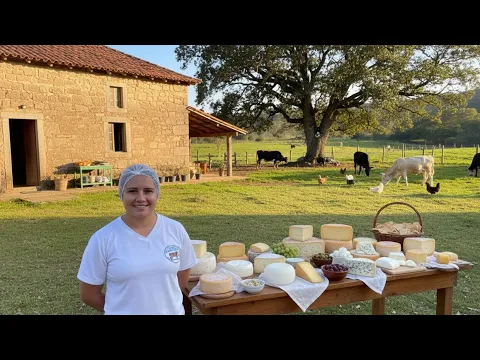

The biomedical professional discusses Senar courses as a starting point and for continuous training, seeking qualifications where opportunities arise.
It’s not just to learn recipes; it’s to maintain standards, keep inspections in order, and protect the reputation of the cheesery.
This total control also appears in what they choose not to do.
In the beginning, they tried dairy drinks, sweetened milk, and more variety. Later, with turnover among employees and the wear and tear of daily routine, they decided to focus on what they can execute well.
There’s a clear limit between ambition and the capacity to maintain quality.
In the end, biomedical professional Carla did not swap the city for silence; she swapped it for mastery of the process.
The milk that comes from the cattle is not just raw material; it’s the basis of a chain that starts at milking, goes through the pasteurizer, passes through the skim separator, and turns into products following a calendar and laboratory hygiene, with a declared milestone since 07/25/2017.
Now I want to pull you to the personal side, without generic answers: if you could have total control over a food you consume every week, what would it be—milk, cheese, bread, coffee, meat—and which step of the process would you be most suspicious of if you weren’t seeing it up close?










Boa noite eu fico muito feliz em saber que você está priorizando a qualidade não a quantidade porque fazendo um produto de qualidade a quantidade vem por excelência eu já trabalhei fazendo parmesão pro laticínio Nilza,já trabalhei fazendo iogurte pro laticínio tio don don aqui na minha cidade de Orlândia SP e adoro ver reportagem de gente trabalhando com responsabilidade com alimentos e segue esse propósito de vocês de ter uma produção de leite A2A2 que é o futuro principalmente de quem tem alergia parabéns continue assim que sejam muito abençoados um abraço