





 Portuguese
  English
  Spanish
  5 min of reading
  8 comments


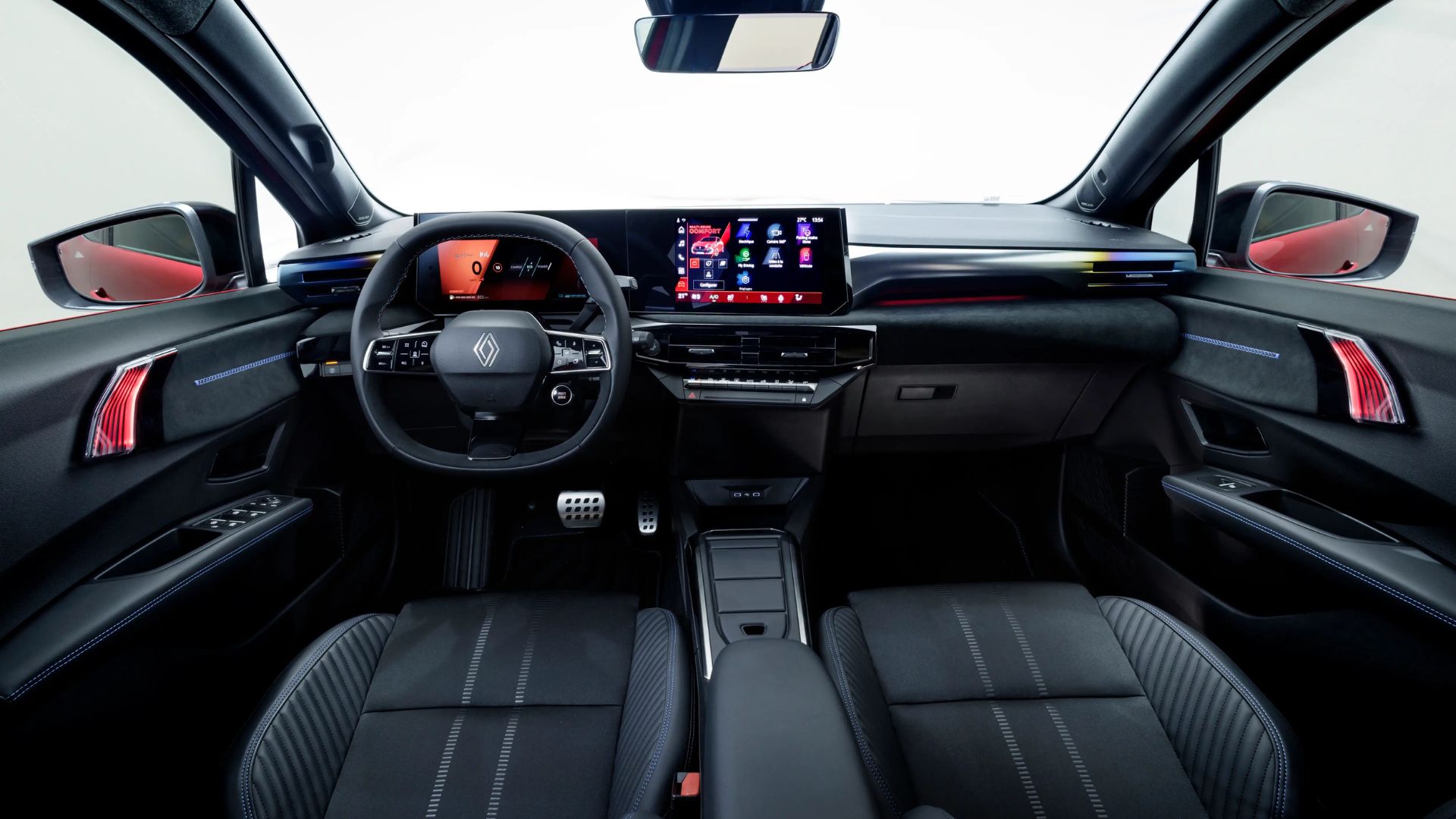


Compact Hatch That Has Been Discontinued in Brazil Reemerges in Europe with Updated Visuals, Enhanced Embedded Technology, and a Unique Hybrid System in the Model’s History, Achieving Fuel Consumption of Up to 25.6 Km/L and Performance Superior to Its Predecessor.
Renault is preparing a major turnaround for the Clio by redesigning the hatchback, expanding the technology offerings, and for the first time since the model’s debut in 1990, removing diesel options to prioritize electrified versions, especially the E-Tech hybrid system.
In Brazil, the Clio left the market in 2017, ending a trajectory that included production in São José dos Pinhais (PR) and discreet commercial performance against rivals, while the brand reorganized its lineup to make room for the Kwid.
In Europe, however, the scenario is the opposite: the model remains among the leaders in registrations and, in the first half of 2025, ranked second in the continental listing, just behind the Dacia Sandero.
-
A French brand placed a car on four huge red balloons to prove that its suspension made the vehicle “float,” and the surreal scene became one of the most iconic and unusual images in automotive history.

-
Jeep Avenger begins production in Brazil, debuting as the brand’s new entry-level SUV and inaugurating an unprecedented phase by becoming the first national Jeep manufactured outside of Goiana, as part of a R$ 3 billion plan.
-
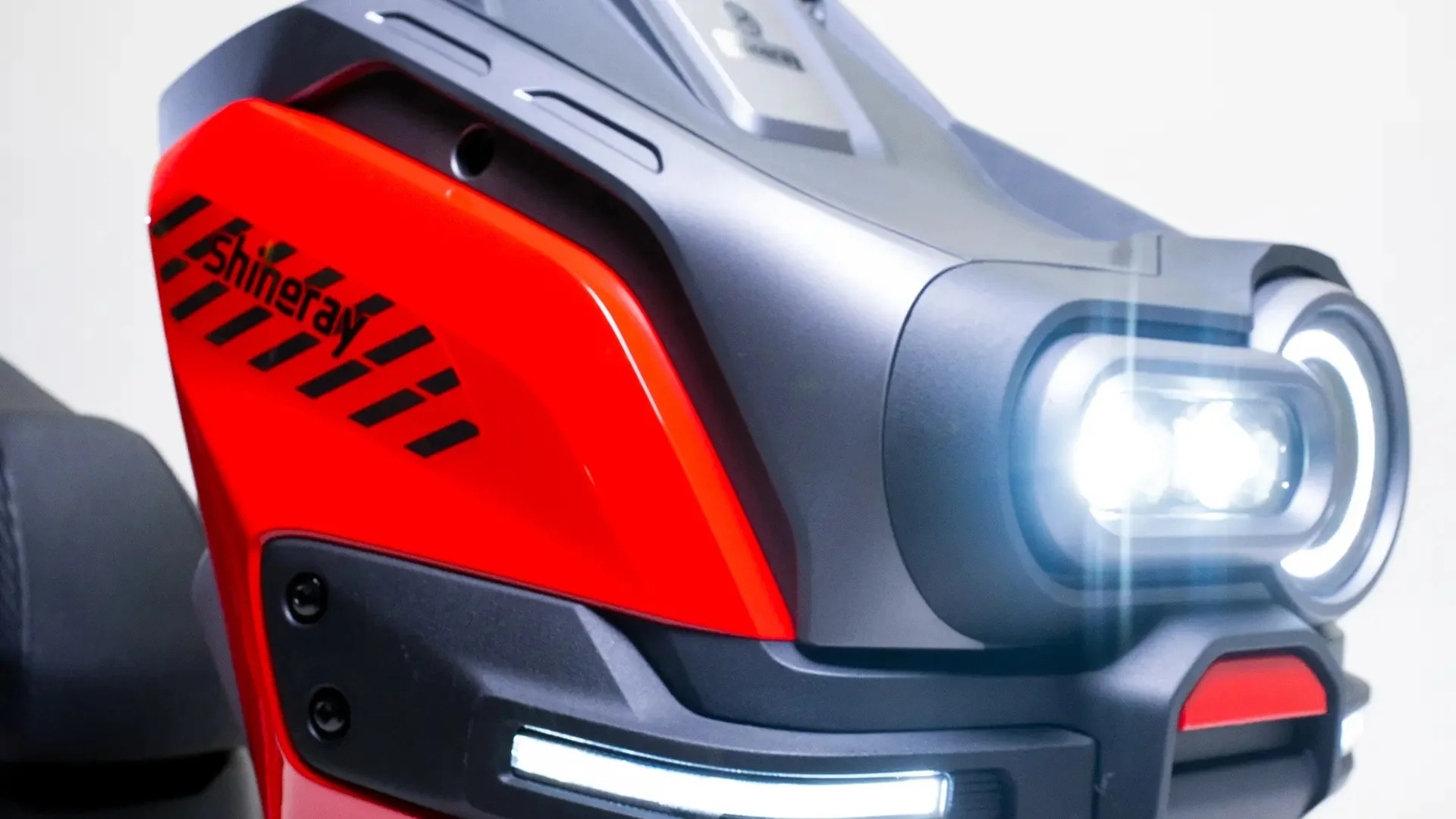
Costing R$ 12,490, the new Shineray Urban Lite 150 “cheap one” arrives in Brazil with a CVT transmission, digital dashboard, and LED lights, making it more affordable than the Biz and targeting those who want to abandon the bus.
-
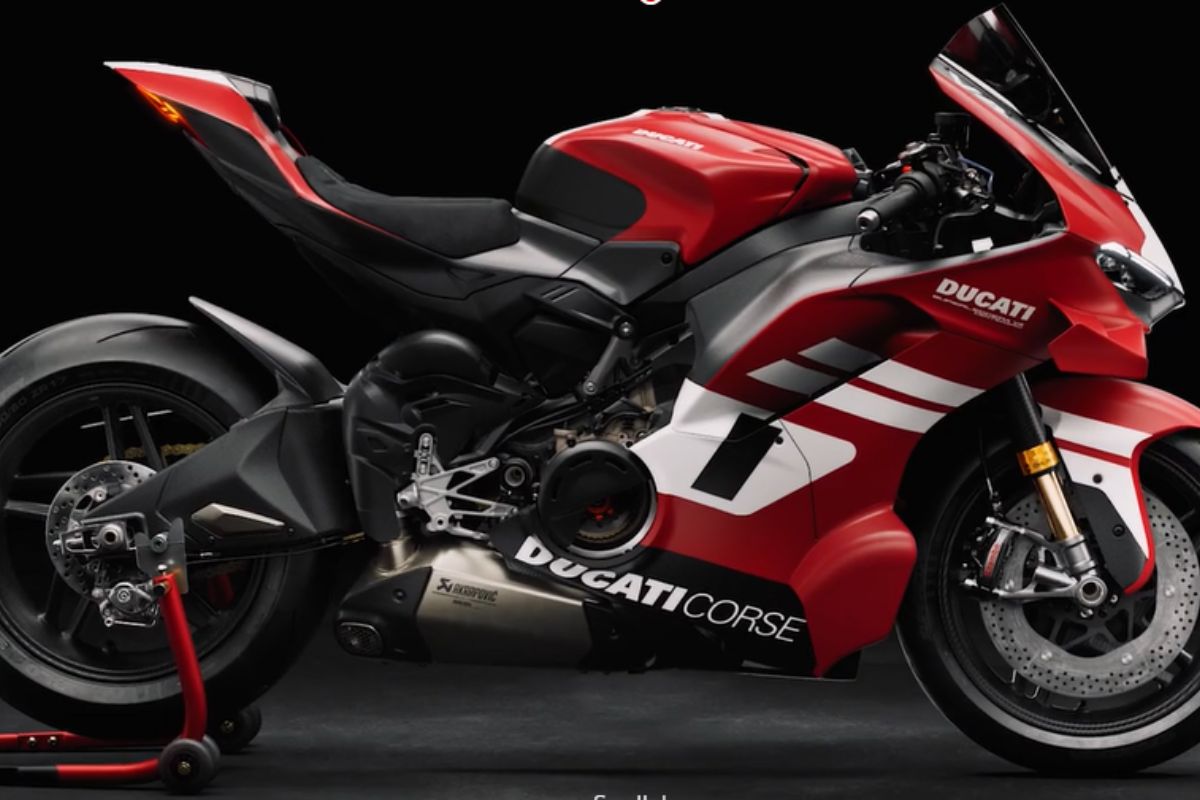
Ducati brings to Brazil the Superleggera V4 Centenario: 228 hp that become 247 with a track kit, carbon fiber and carbon-ceramic brakes, estimated price between R$ 1.5 and 2 million, deliveries only in 2027.

New Design and Expanded Dimensions of the Renault Clio

The new generation of the Clio adopts a front with sharper lines, featuring narrow headlights, prominent creases on the hood, and a more aggressive bumper design, bringing the hatch closer to Renault’s recent visual language and distancing it from its predecessor.
In addition to style, the hatch has grown in size and now measures 4.12 meters in length, 1.77 m in width, 1.45 m in height, and 2.59 m in wheelbase, a change that impacts stability and helps improve internal use compared to the previous generation.
With the new body, the trunk has also seen an upgrade, reaching 391 liters in combustion versions, while the hybrid variant loses space to accommodate the electric components and falls within the range of 300 liters, depending on the configuration and market.
In the back seat, the Clio continues to better accommodate four adults, as the central seat is narrower and the tunnel on the floor takes away some foot space, although the headroom helps taller passengers travel without hitting the ceiling.
In the cabin, Renault has raised the connectivity bar by offering digital screens that can reach around 10 inches, with Google-based multimedia in some markets, maintaining support for Android Auto and Apple CarPlay, while the finish relies on simpler materials and a lot of hard plastic.
End of Diesel and Introduction of the 1.8 E-Tech Hybrid Engine

The removal of diesel marks a historic change for the Clio, which will now focus its strategy on gasoline engines and electrification, maintaining the CMF-B platform and a typical mechanical setup for the segment, with McPherson front suspension and a torsion beam at the rear.
Among the options, Renault plans a 1.2 turbo three-cylinder engine, coupled with either a manual or automated dual-clutch transmission depending on the version and country, while the main highlight is the full hybrid E-Tech system, which combines a 1.8 gasoline engine with two electric motors.
In the hybrid configuration, the setup delivers 158 hp and uses a multi-mode transmission that creates multiple operating combinations, allowing for the alternation between electric traction, combined use, or predominant internal combustion engine operation, without the need for a charging plug.
Renault claims that in urban use, the hybrid Clio can run up to 80% of the time in electric mode, a strategy that helps reduce consumption and noise at low speeds, although the internal combustion engine’s participation naturally increases on highways and during stronger accelerations.
According to the brand, fuel consumption can reach 25.6 km/l in the European WLTP cycle, a measurement standard different from Inmetro, making direct comparison with Brazilian numbers inadequate without methodological conversion and without local testing repetition.
Performance, Acceleration, and Driving Dynamics
With the new tuning, the Clio E-Tech now accelerates from 0 to 100 km/h in 8.3 seconds, a gain attributed to the joint work between electrification and the multi-mode transmission, as well as the immediate response typical of electric torque during urban starts and accelerations.

Changes in geometry and steering also reinforce the hatch’s dynamic proposal, with more direct responses at the wheel and a greater sense of stability in curves, although the final experience depends on the wheel and tire package, which can prioritize comfort or sportiness.
In practical use, the driver can select driving modes that alter acceleration and regeneration strategy, and the system tends to smooth out transitions between electric and combustion, an important aspect in compact hybrids, especially when the car alternates between urban sections and fast roads.
Price in Europe and Implications for the Brand’s Strategy
In Europe, the hybrid Clio starts with entry prices around 24,000 euros in some markets, a value that varies by equipment package, version, and local taxes, while Renault tries to keep the model competitive without completely shifting to a 100% electric offering.
Although the Clio is not on the radar for a return to Brazil, the brand’s electrification strategy here is set to gain a new chapter with the arrival of the hybrid Koleos, confirmed for 2026, a move that expands the presence of E-Tech systems in the national portfolio.
With a renewed Clio, more efficient and repositioned for a Europe tightening emission regulations, the question remains whether the formula of full hybrids in compact hatches, without a plug and focusing on consumption, will become the new standard for the segment in the coming years?









Quando chega ao Brasil?
Porque eu recuso carrros chineses.
Este carro seria muito bem-vindo para as terras tupiniquins, já tem muita gente saudosa deste ótimo veículo, imagina reviver ele devidamente atualizado e reestilizado?
Sinceramente, reportagem que não agrega nada. Não adianta comparar o clio brasileiro com o europeu. Aqui não temos carro a diesel. Subsídio desse nosso governo para elétricos não ajuda, etc. Faça uma reportagem sobre o que realmente agrega valor aos brasileiros.