





 Portuguese
  English
  Spanish
  5 min of reading
  4 comments


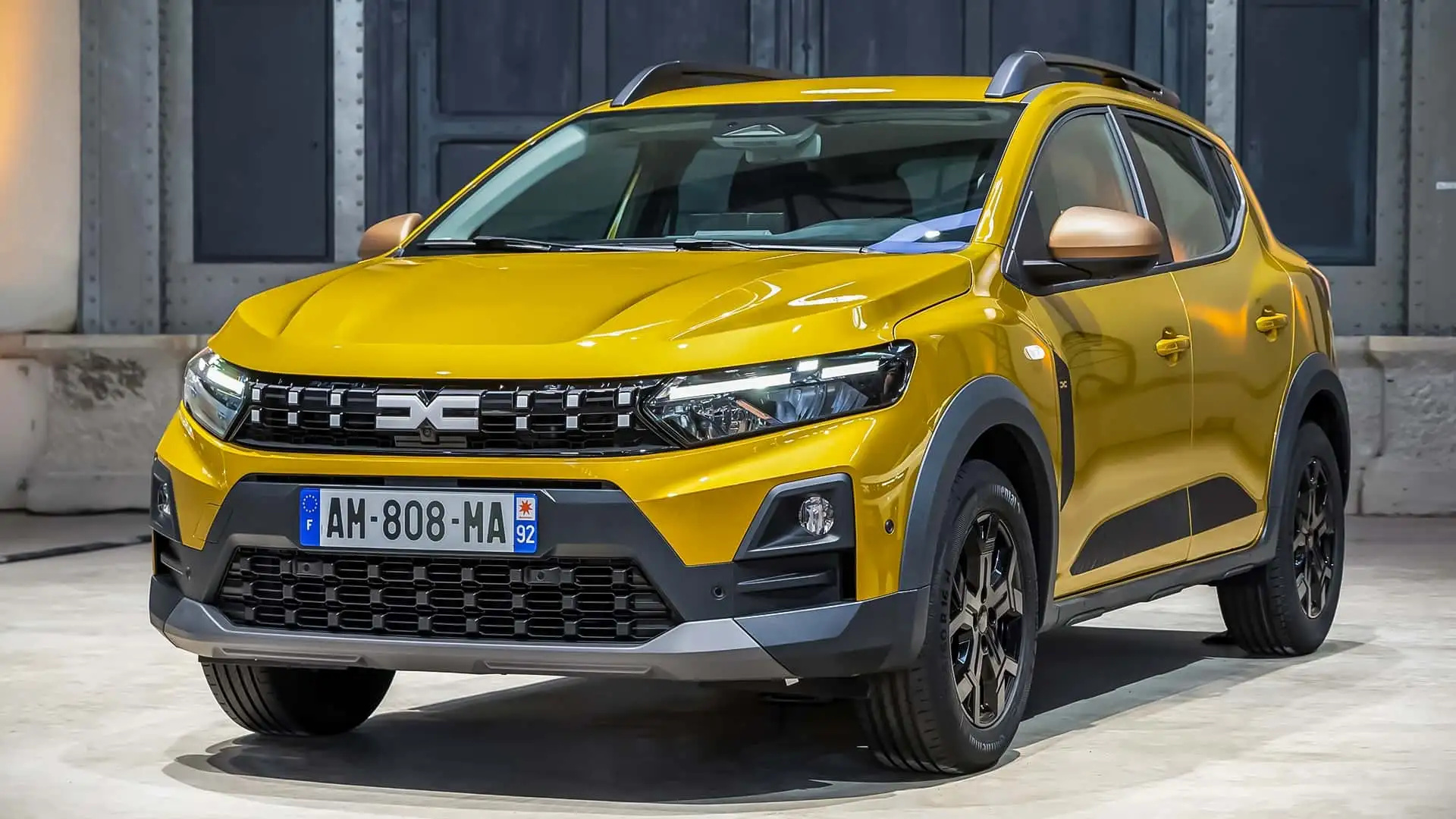


Dacia Sandero Went from The Cheapest Car and Target of Jokes in the UK in 2013 to Absolute Sales Leader in Europe by 2025, Surpassing BMW, Tesla, and Volkswagen.
When the Dacia Sandero arrived in the UK in 2013, the entry-level model had unpainted bumpers, steel wheels without hubcaps, and did not come with a factory radio, the device was an option. Even so, not many people bought it. The joke was automatic: the cheapest car in Europe was made in a factory in Romania, used a platform with 1990s DNA, and was equipped like a vehicle for developing markets such as Morocco and Iran. The specialized press compared the interior to a “Armenian second-hand shop.” It was not praise.
By 2025, the Dacia Sandero was the best-selling car in Europe for the second consecutive year, with 243,676 units sold. No BMW, no Tesla, no Volkswagen Golf beat it. No one.
The Car That Europe Didn’t Want and Then Couldn’t Stop Buying
Dacia was founded in 1966 in communist Romania as a licensed manufacturer of Renault models. After the fall of the Soviet regime, the brand was bought by the Renault Group in 1999 with a specific mission: to produce simple and affordable cars for emerging markets.
-
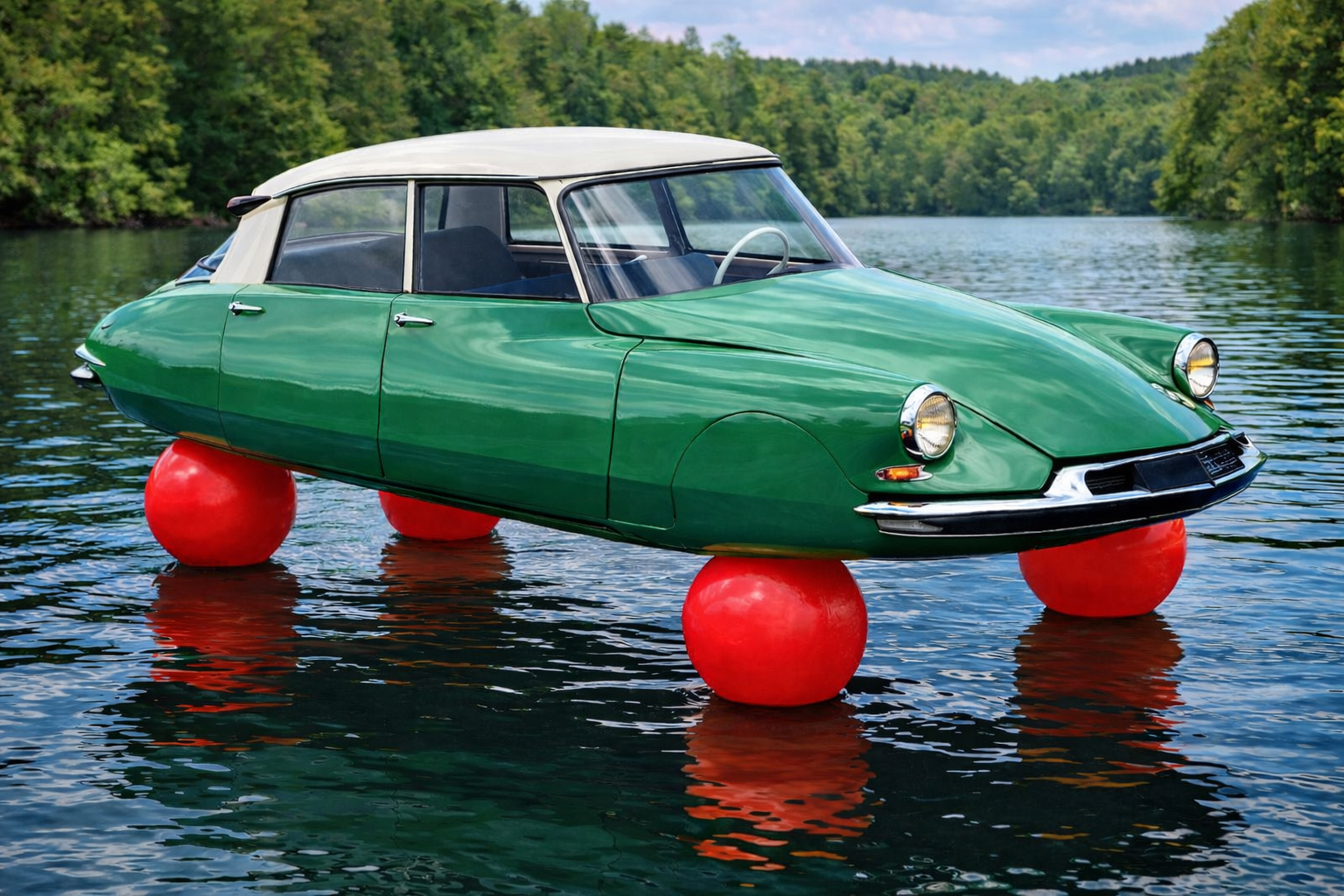
A French brand placed a car on four huge red balloons to prove that its suspension made the vehicle “float,” and the surreal scene became one of the most iconic and unusual images in automotive history.
-
Jeep Avenger begins production in Brazil, debuting as the brand’s new entry-level SUV and inaugurating an unprecedented phase by becoming the first national Jeep manufactured outside of Goiana, as part of a R$ 3 billion plan.
-
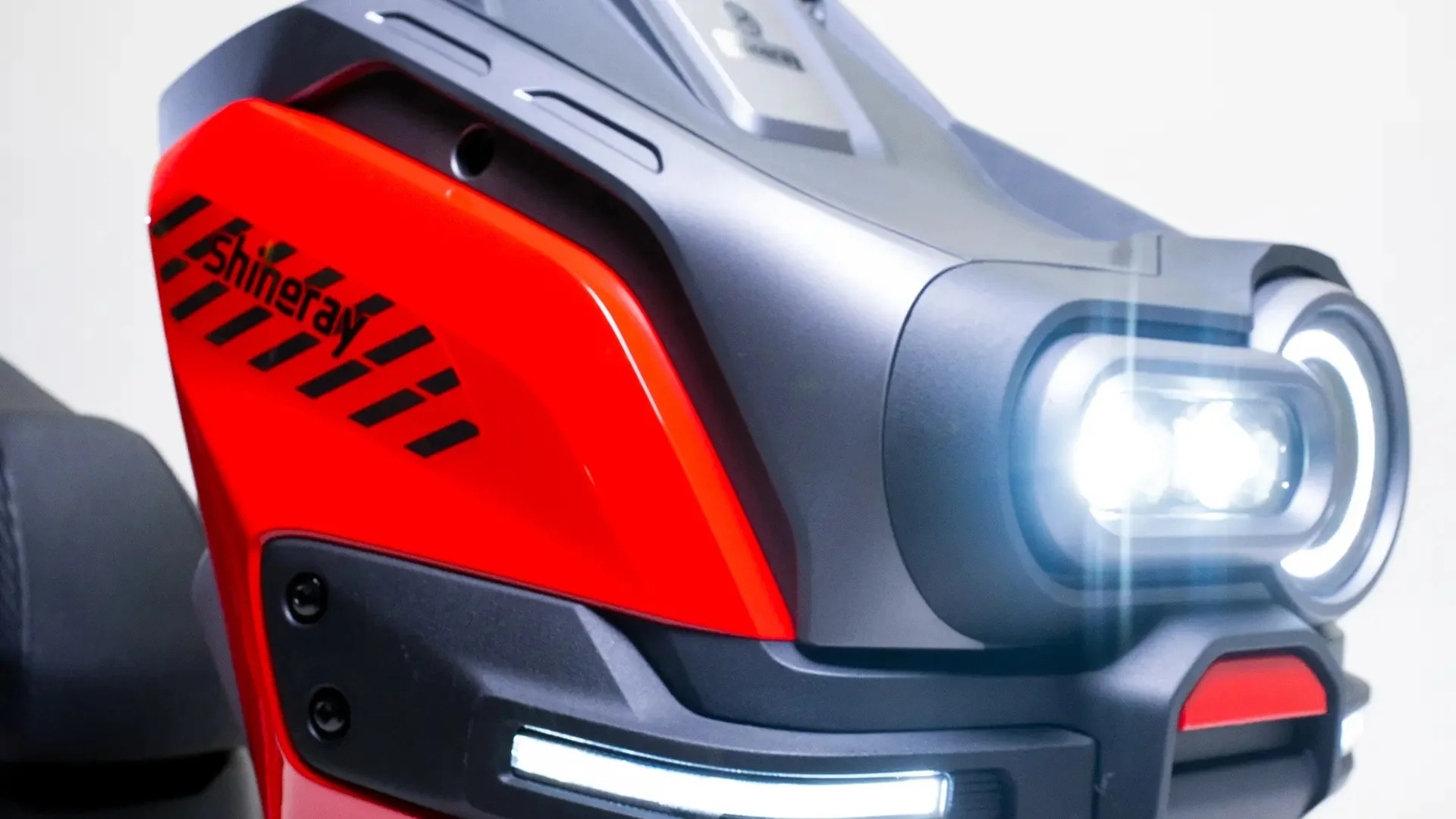
Costing R$ 12,490, the new Shineray Urban Lite 150 “cheap one” arrives in Brazil with a CVT transmission, digital dashboard, and LED lights, making it more affordable than the Biz and targeting those who want to abandon the bus.
-
Ducati brings to Brazil the Superleggera V4 Centenario: 228 hp that become 247 with a track kit, carbon fiber and carbon-ceramic brakes, estimated price between R$ 1.5 and 2 million, deliveries only in 2027.

The first product of this era was the Logan, launched in 2004 as the “5,000 euro car,” a promise that never fully materialized but clearly communicated the brand’s positioning.
The Sandero arrived in 2008 at the Geneva Motor Show as the hatchback version of the Logan. It was not designed for wealthy consumers in Western Europe. It was intended for Romania, Morocco, Russia, Brazil — countries where price matters more than prestige.


The surprise came right after: German, French, and British consumers began asking Renault dealerships where they could buy one. The demand was so unexpected that Dacia took five years to establish a proper commercial operation in Western Europe. The official launch in the UK only happened in 2013.
New and Affordable Car, But Still Ignored
At that moment, the Sandero was by far the cheapest new car on the British market, costing less than many comparable used ones.
The reaction was divided: practical buyers were enthusiastic; car enthusiasts made jokes. The most common criticism was not about mechanical defects — it was about what the car represented. Buying a Sandero in 2013 was publicly admitting that you prioritized money above all else.
Twelve years later, that narrative flipped upside down.
What Changed and What Did Not Change
The third generation of the Sandero, launched in 2021, was built on the same modular CMF-B platform that supports the Renault Clio and the Nissan Juke — two cars that no one calls cheap.
The program head, Michel Benoussan, explained the logic to Top Gear: by sharing the platform with higher-volume models, Dacia can buy components in larger quantities, reducing costs without needing to use obsolete parts. The result is a car with current engineering sold at the price of the previous generation.
What Did the Company Do to Ensure the Model Made a Triumphant Return?
What Dacia cut was not structural quality, it was everything the average consumer does not use in their day-to-day. The Sandero does not have built-in connected navigation. Instead, it has a holder that positions the driver’s smartphone exactly in the line of sight, next to the instruments, with buttons on the steering wheel for control. The hood is made of steel instead of aluminum, as in the Clio.

The wheels stop at 16 inches, which simplifies the suspension and reduces costs. The exhaust is shorter because the engine does not require a larger one. Every decision was calculated to reduce cost without compromising the practical experience of use.
The Eco-G 120 bi-fuel engine — which runs on both gasoline and LPG — delivers 120 hp and an average consumption of 5.6 liters per 100 km in the combined WLTP cycle on gasoline, equivalent to approximately 17.8 km/l.
In LPG mode, the cost per kilometer is halved compared to gasoline, as the price of liquefied gas in Europe is consistently lower than that of 95 gasoline.
The combined range using both fuels exceeds 1,500 km without stopping to refuel. Today, 42% of all Sanderos sold in Europe come factory-equipped with this bi-fuel engine.
What Europe Discovered That Brazil Hasn’t Seen Yet
The Sandero was sold in Brazil for years, but as Renault Sandero, not as Dacia. The Romanian brand was never officially introduced in the Brazilian market, partly because the positioning of “European cheap car” does not easily translate in a market where consumers prefer compact SUVs, flex engines, and automatic transmission. The Brazilian Renault Sandero had a modest life and was discontinued.
In Europe, the car found a different audience: drivers who don’t want to impress anyone, who calculate ownership costs before signing the contract, and who realized that premium brand dealerships charge a premium price for features that are inactive 95% of the time.
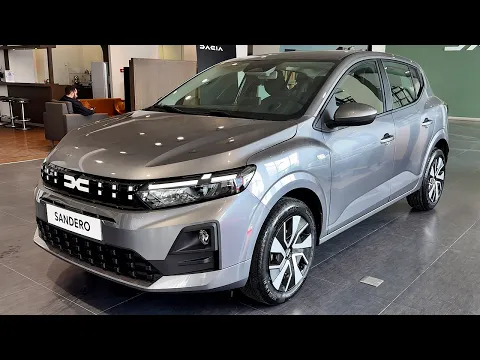
Top Gear, a British publication that for years made jokes about the car, published in its latest review: “If you don’t care at all about cars, this is probably what you should buy.”
The change in perception was not due to marketing. It was due to inflation. As car prices in Europe consistently rose throughout the 2010s and 2020s, the Sandero became relatively cheaper.
While a Volkswagen Polo or Ford Fiesta surpassed 20,000 euros, the Sandero remained below 15,000 euros and offered comparable interior space to a medium hatchback, not a compact utility vehicle.
The Number That Destroys the Argument
In 2025, the Sandero ended the year with 243,676 units sold in Europe — a decrease of 9.8% compared to 2024, but enough to maintain its lead. In second place was the Renault Clio, with 229,778 units.
The Volkswagen Golf, which in the 1990s and 2000s was synonymous with “the car that any middle-class European aspires to have,” ended up in fifth place.
What these numbers indicate is not just about the Sandero. They highlight what European consumers decided to value when the cost of living rose, inflation eroded wages, and the average price of a new car approached 30,000 euros on the continent.
In this context, the car that arrived in the UK in 2013 without a radio and with unpainted bumpers ceased to be a punchline and became an argument. The thicker steel shell, the 16-inch wheels, and the absence of a rear camera came to be seen not as limitations, but as choices made by those who understand costs.
Dacia did not change the Sandero. The market changed its opinion about what a car needs to be.









E mais: podendo dar xabú em qualquer posto com combustível adulterado e também vendido acima do valor que custa produzir por políticas erradas de décadas (décadas!) de governos que acham que carro, telefone e segurança são sinônimo de coisas de rico e não de quem tem necessidade de se comunicar e de ir e vir, como é direito de todos. Nesse país, os políticos só governam pra eles próprios e pras suas bancadas. Abraço pro país que é potência ecológica, mas impotência entre os emergentes(!)
A receita pra vender carro no Brasil é parecer ser o que não é, incluir multimedia e alertas disso e daquilo e vender pro consumidor que não entende de carro e nem de custo de tecnologia embarcada. Fidelizar nas idas à concessionária vendendo penduricalhos com lucros de mais de 400 porcento. E os clientes felizes… apaixonados por suas **** de 4 rodas que não são o que parecem ser, nem valem o que pagaram CARO por elas.
Isto acontece quando os gestores olham para o bem do povo, em vez de que olhar para o bem dos produtores de combustível.