





 Portuguese
  English
  Spanish
  5 min of reading
  0 comments



When The Car Starts To Stutter Right After Refueling, Many People Conclude That The Engine Is Faulty Or That They Chose The “Wrong” Gasoline Or Ethanol. The Alert Is Another: Mixed Water Can Break Stability, Cause Phase Separation And Imitate Mechanical Failures, Leading The Driver To Replace Parts.
You refuel, leave the gas station, and within a few minutes, the engine starts showing strange signs: stutters, loss of power, hesitations, and a feeling that “something is off.” The common mistake that every driver makes begins here, when the hypothesis of contaminated fuel is set aside and the explanation almost automatically becomes “it must be a part.”
The problem is that when there is water mixed with the fuel, an obvious indication doesn’t always present itself at the time of refueling. Nothing changes in the pump, nothing reveals itself in the color, and the intermittent failure pushes the diagnosis towards the most expensive path: trial and error, without addressing the real cause.
Failures Right After Refueling: The Pattern That Deceives Even Those Who Know The Car
When the engine changes behavior right after refueling, the most common impulse is to look for mechanical or electrical defects.
-
A French brand placed a car on four huge red balloons to prove that its suspension made the vehicle “float,” and the surreal scene became one of the most iconic and unusual images in automotive history.

-
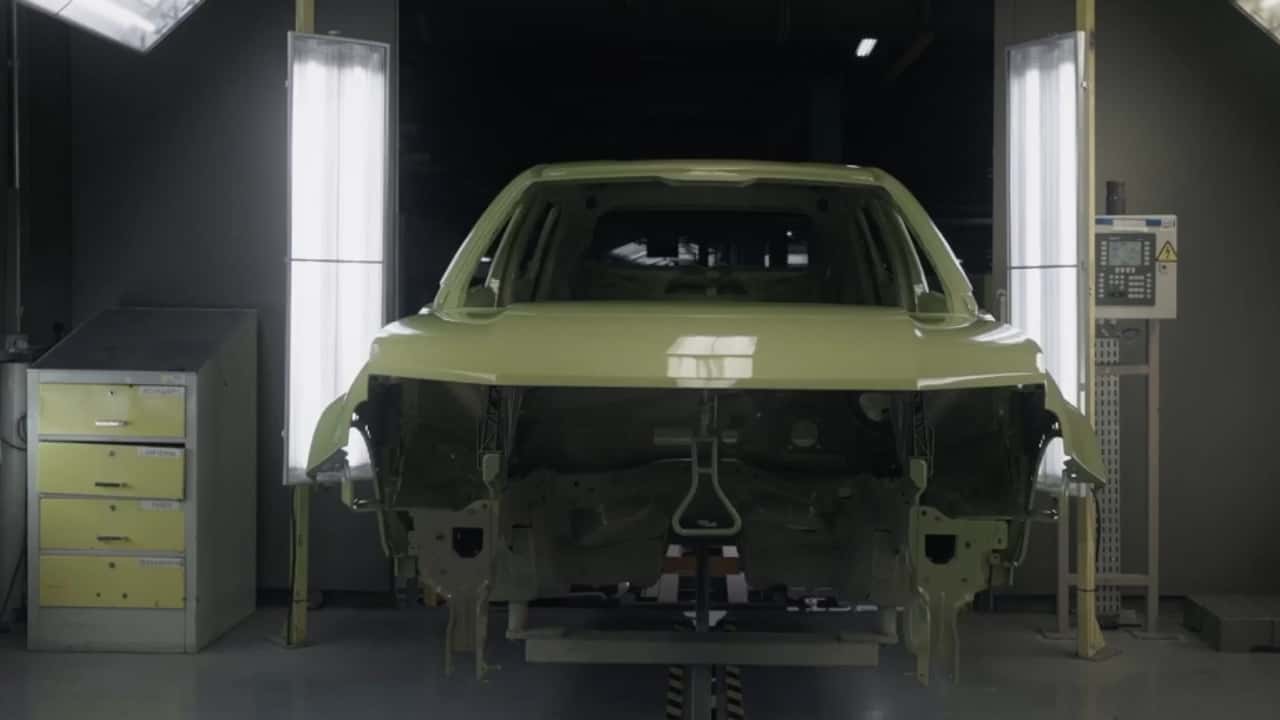
Jeep Avenger begins production in Brazil, debuting as the brand’s new entry-level SUV and inaugurating an unprecedented phase by becoming the first national Jeep manufactured outside of Goiana, as part of a R$ 3 billion plan.
-
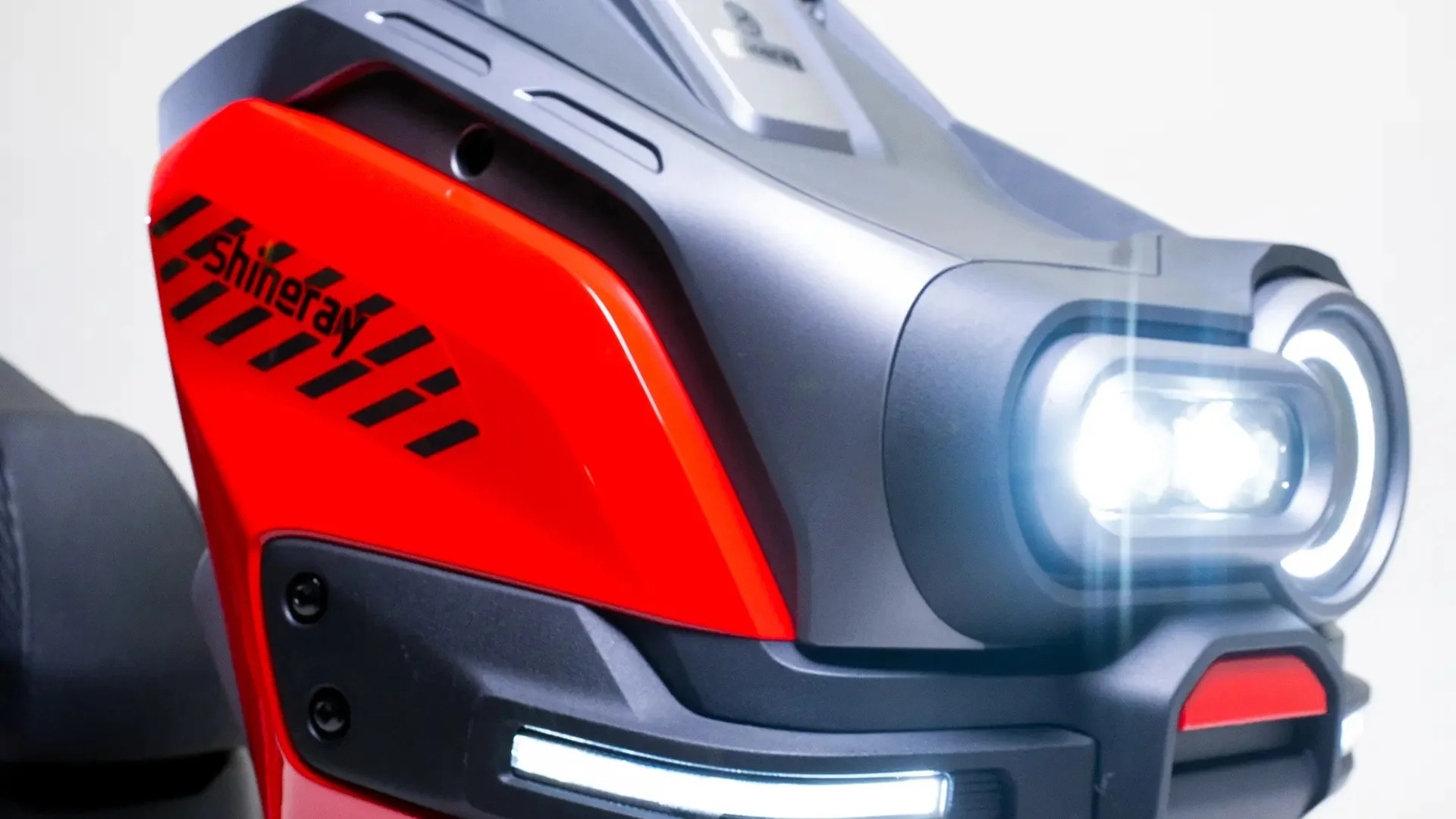
Costing R$ 12,490, the new Shineray Urban Lite 150 “cheap one” arrives in Brazil with a CVT transmission, digital dashboard, and LED lights, making it more affordable than the Biz and targeting those who want to abandon the bus.
-
Ducati brings to Brazil the Superleggera V4 Centenario: 228 hp that become 247 with a track kit, carbon fiber and carbon-ceramic brakes, estimated price between R$ 1.5 and 2 million, deliveries only in 2027.


As the symptoms resemble ignition failure, dirty injectors, worn filters, or faulty sensors, many people fall into an endless maintenance cycle, with partial improvement or no improvement at all.
However, there is a decisive detail: the coincidence with the recent refueling is not a coincidence.
If the car was “normal” and starts to fail right after fueling, the quality of the mixture needs to be part of the investigation from the beginning, because water in the fuel and phase separation can reproduce exactly the kind of irregularities that confuse even a hasty diagnosis.
Phase Separation: What Happens Inside The Tank And Why This Changes Everything
Phase separation is a physicochemical process in which ethanol tends to associate with water, forming a heavier layer that settles at the bottom of the tank.
The gasoline remains above and, in this scenario, begins to have lower ethanol content than expected, creating a fuel that is different from that for which the system was calibrated.
This imbalance directly affects combustion. Since the engine was designed to operate within a stable range of composition, any sudden change can result in irregular burning, especially during acceleration, climbs, and under higher loads.
The practical result is a car that “stutters,” loses power, and seems to have an internal defect when what changed was what is getting to the combustion chamber.
Why Water And Fuel Don’t Behave The Same And How This Becomes A Symptom In The Engine
Water does not dissolve uniformly in fuel, and gasoline and ethanol react differently to humidity.
Under certain conditions, the mixture loses stability and phase separation appears as an unwanted event, which can start outside the car and end up inside the vehicle’s tank.
The most treacherous point is that no one sees the failure happening. You don’t notice it at the time of refueling, you don’t feel it at the first turn of the key in all cases, and sometimes the car stutters “only at certain times.”
This intermittency reinforces the common mistake that every driver makes: attributing blame to parts, insisting on driving, and treating fuel as the last hypothesis, even with the engine clearly out of standard.
Where Water In Fuel Comes From: Storage, Infiltration, And Transport
Water can enter through condensation in tanks subjected to temperature variations, especially when there is space in the reservoir.
Humidity accumulated over time can reach the stability limit of the mixture, and from there the scenario changes: the fuel ceases to be homogeneous and starts to separate.
Faulty seals, infiltration in underground tanks, maintenance issues, and improper procedures during transport also make the list. Humid environments favor the gradual absorption of water by ethanol until phase separation occurs.
The tank of your car becomes the endpoint of a problem that may have begun at storage or distribution, long before you stop at the pump.
Symptoms After Refueling: When The Engine “Complains” About The Contaminated Layer
The first impact usually appears when the fuel system draws from the contaminated lower layer. This is more common with low tank levels, with inclines, bumps, and movements that make the contents of the tank “mix” and vary what is drawn into the system.
Then stutters, fluctuations in idle speed, loss of power, and difficulty starting arise. In some cases, the injection light may come on due to out-of-spec combustion.
And as failures can come and go, the driver convinces themselves that “it can’t be fuel,” reinforcing the common mistake that every driver makes and keeping the engine running irregularly for longer than it should.
Why This Can Be Expensive: Corrosion, Wear, And Maintenance That Becomes Trial And Error
Water in fuel favors corrosion and accelerated wear of components in the fuel system, such as the pump and fuel injectors.
Filters may saturate more quickly, leading to increased costs and creating new symptoms, amplifying the confusion between cause and consequence.
The greater risk is transforming a diagnostic issue into a sequence of replacements that do not solve the root cause.
Replacing parts without confirming the fuel may even coincide with a temporary improvement, but the failure tends to return if contamination and phase separation remain present.
In the end, the loss is not only financial: it’s time, trust, and, in more persistent cases, the health of the engine operating outside of optimal conditions.
What To Do When You Suspect: How To Break The Cycle Of Error And Get Back On The Right Path
When the car starts to stutter right after refueling, the fuel needs to be considered in the investigation, along with the professional diagnosis.
This posture reduces the risk of continuing to drive and worsening damage, in addition to preventing the analysis from being trapped in merely mechanical hypotheses.
It is also essential to keep the receipt and invoice in case a complaint needs to be registered. Ignoring the recent refueling as a possible cause is exactly the common mistake that every driver makes and separates a simpler solution from an expensive maintenance.
If you notice a sudden change in the operation of the engine, treat the quality of the fuel as a real hypothesis from the start.
Have you ever experienced the engine stuttering right after refueling and swore it was a part? Do you remember if the tank was low, if you encountered an incline, bump, or if the failure appeared only in certain situations?
And when you noticed the stutters, what was the first action you took: did you keep driving, sought a diagnosis, or replaced something out of trial?










-

2 pessoas reagiram a isso.