





 Portuguese
  English
  Spanish
  5 min of reading
  0 comments


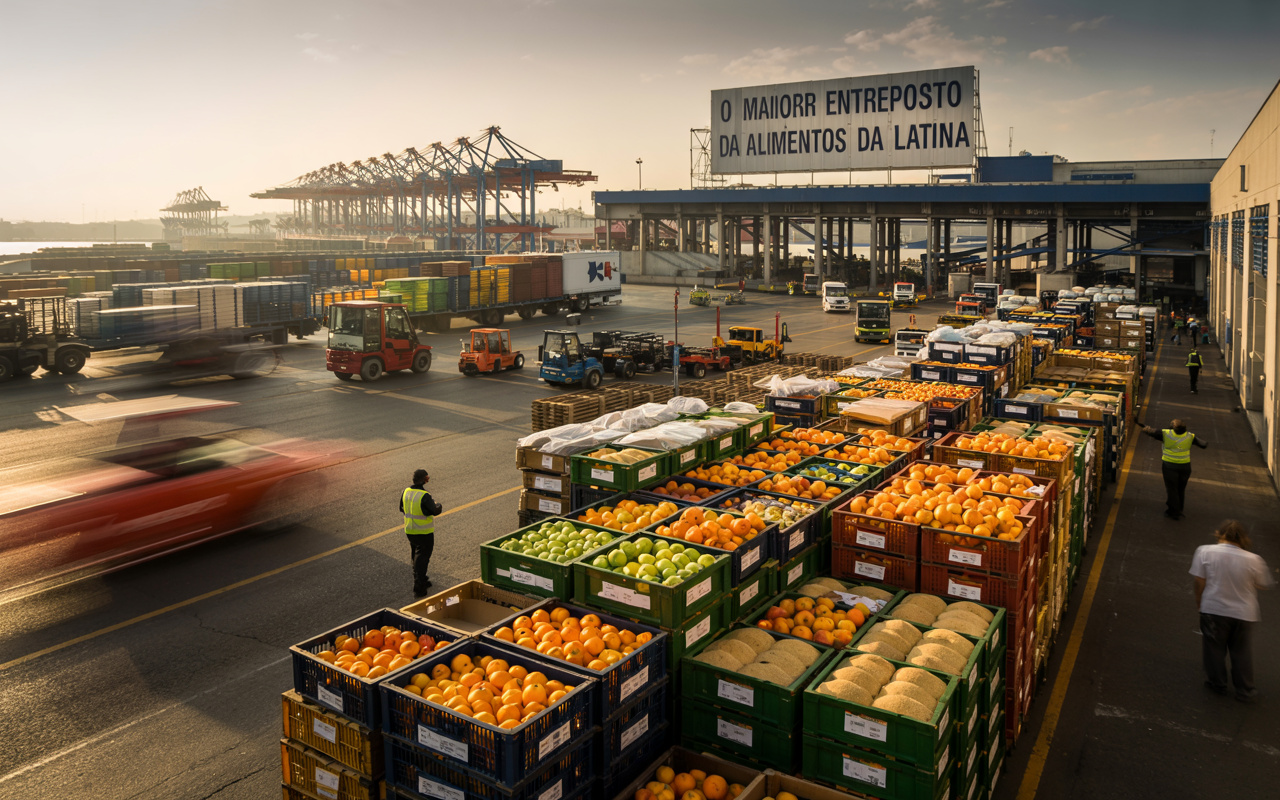


CEAGESP, The Largest Food Distribution Center In Latin America, Operates Almost 24 Hours A Day In São Paulo And Moves 14 Thousand Tons Per Day. Understand How It Supplies Millions And Operates Like A Ground Port For Food.
In a discreet spot in the western zone of São Paulo, amid immense warehouses, constantly moving trucks, and thousands of workers who never sleep, operates a structure that few Brazilians know from the inside — but which ensures that millions have something to eat every day. This is CEAGESP (Companhia de Entrepostos e Armazéns Gerais de São Paulo), the largest wholesale food market in Latin America, and one of the most impressive logistical machines in the country.
Every day, without exception, more than 14 thousand tons of fruits, vegetables, greens, fish, grains, and flowers circulate through the complex. There are more than 50 thousand people per day among buyers, vendors, wholesalers, employees, loaders, and drivers, operating almost 24 hours a day, seven days a week, in a dynamic that resembles the functioning of an open-air commercial port — but dedicated to food.
A City That Supplies Cities
Located in the Vila Leopoldina neighborhood, western zone of São Paulo, CEAGESP occupies an area of more than 700 thousand square meters, with almost 4 thousand registered companies operating in various supply segments. Just in fruits and vegetables, there are more than 300 different types of products coming from all regions of Brazil and from more than 10 countries.
-
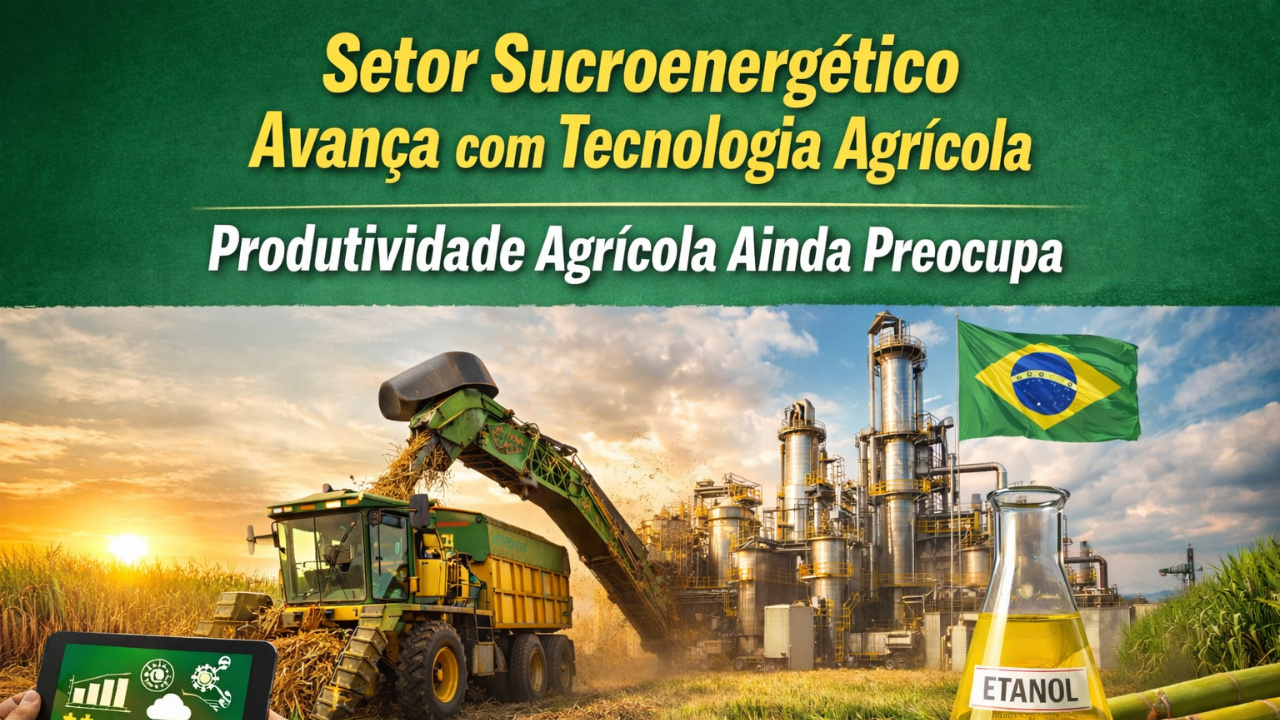
The sugar-energy sector advances with agricultural technology, but agricultural productivity still raises concerns.
-
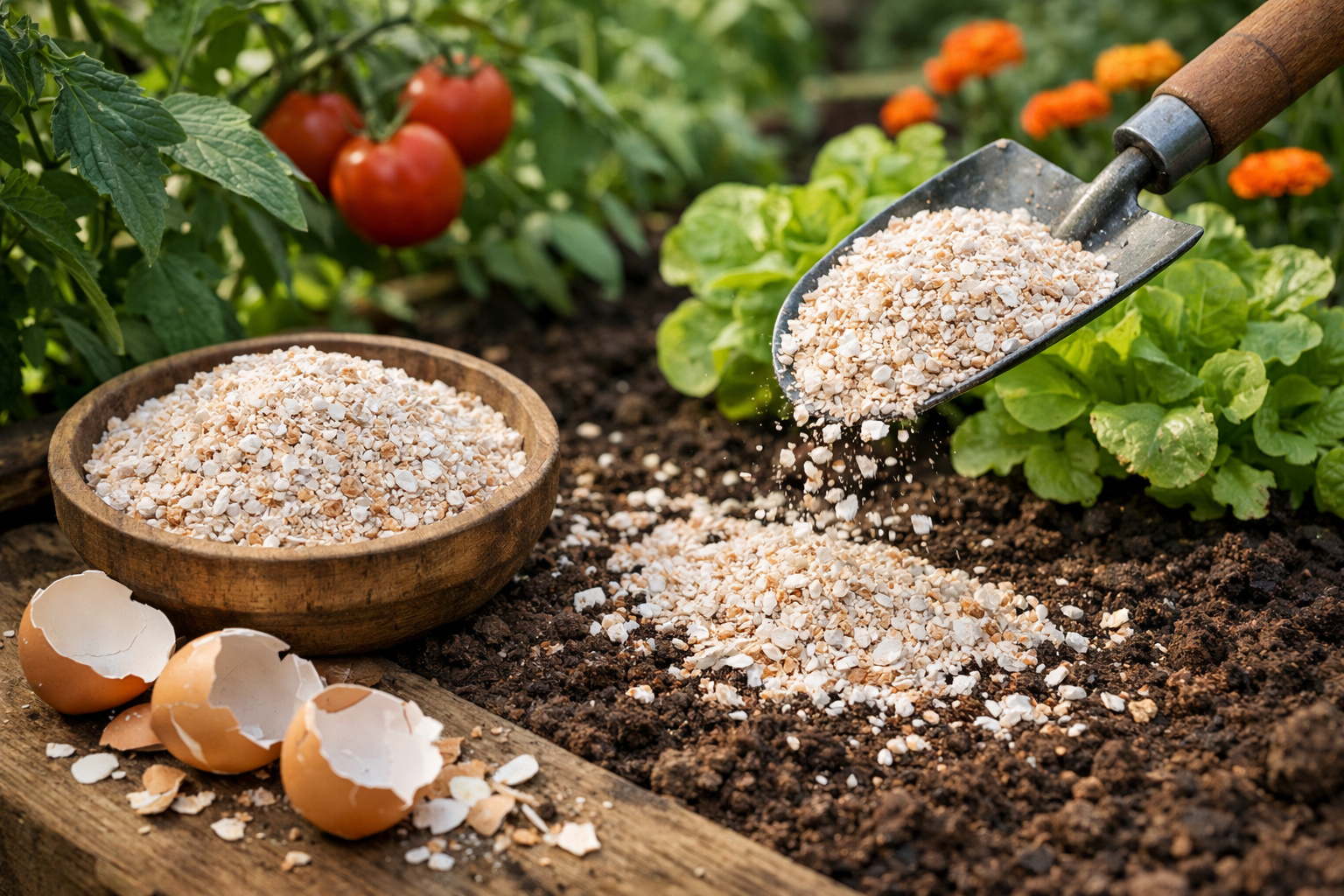
The eggshell that almost everyone throws away is made up of about 95% calcium carbonate and can help enrich the soil when crushed, slowly releasing nutrients and being reused in home gardens and vegetable patches.
-
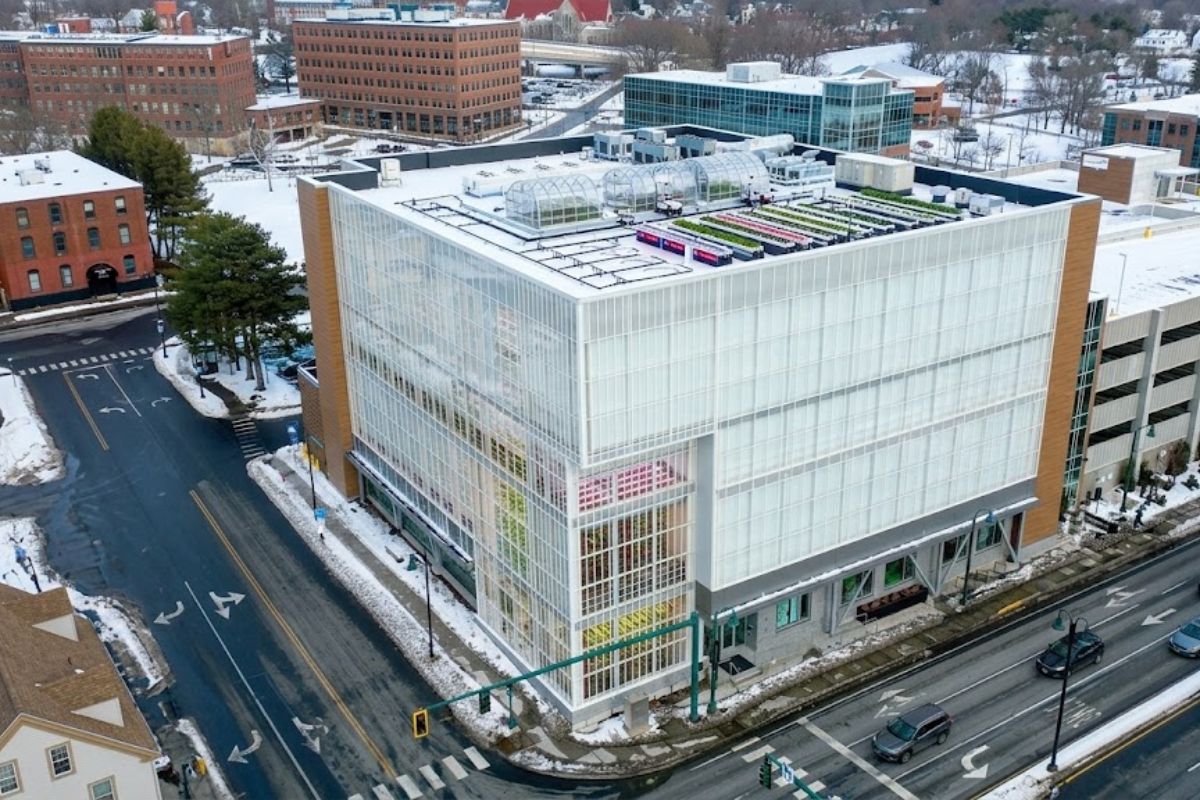
This farm in the United States does not use sunlight, does not use soil, and produces 500 times more food per square meter than traditional agriculture: the secret lies in 42,000 LEDs, hydroponics, and a system that recycles even the heat from the lamps.
-
The water that almost everyone throws away after cooking potatoes carries nutrients released during the preparation and can be reused to help in the development of plants when used correctly at the base of gardens and pots, at no additional cost and without changing the routine.


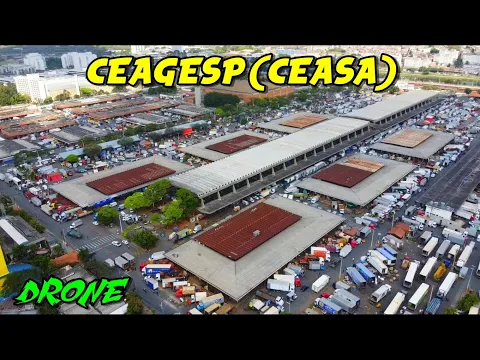

The volume moved is so large that, if it were a port, CEAGESP would be among the most active in the continent. And in a way, that’s exactly what it is: a ground port for food. Trucks coming from the interior of São Paulo, the Northeast, the South, the North, and even South America arrive at all times, supplying the pavilions that, in turn, redistribute the products to supermarkets, grocery stores, street markets, hotels, restaurants, hospitals, and even public schools.
Invisibly to the final consumer, the distribution center ensures that a banana harvested yesterday in Minas Gerais or a potato from Santa Catarina arrives fresh at the table of a family in the outskirts of São Paulo — or at a luxury restaurant in Jardins.
Logistics Synchronized On An Industrial Scale
Few places in the world operate a food flow with the same precision and intensity as CEAGESP. In order for the system to work, a complex logistical coordination is required, which involves:
- Temperature and refrigeration control
- Product rotation by the hour, to avoid waste
- Weighing and phytosanitary inspection
- Real-time negotiation between wholesalers and retailers
- Continuous loading and unloading
- Safety, cleanliness, and maintenance in a space that never stops
CEAGESP also serves as a center for interstate redistribution, with products entering through São Paulo, being fractioned, and then sent to all of Southeast, Central-West, and South. It is a machinery that operates with minimal margin for error — because any failure can mean tons of food lost and losses for hundreds of small producers.
Unmeasurable Economic And Social Impact
It is estimated that more than 20 million people are directly impacted by the supply from CEAGESP, from final consumers to rural workers who have the company as their main channel for distribution.
The company moves more than R$ 8 billion annually in commercial transactions, placing it among the largest companies in the food distribution sector in Latin America.
In addition to the economic aspect, CEAGESP also has a strong social relevance:
- Generation of more than 30 thousand direct and indirect jobs
- Surplus donation programs for social institutions
- Logistical support for food security operations during periods of crisis
- Support for family farming, which has guaranteed space in the distribution center
Not by chance, the site is considered strategic in any public food security policy for the city and the country. During the pandemic, for example, CEAGESP maintained its uninterrupted operation, ensuring supply even when other chains collapsed.
A System Born In The 1960s — And Needs To Reinvent Itself
The distribution center we know today began operating in the 1960s, as part of a national policy to modernize wholesale trade. Over the decades, the structure has been expanded, adapted, and electrified, but the base still follows the traditional physical model, based on presence in the pavilion and direct negotiation between producer and buyer.
In recent years, debates have arisen about modernizing the model, with proposals for broader computerization, expansion of digital channels, product traceability, use of AI for supply/demand predictability, and even projects to relocate to more distant and modern areas of Greater São Paulo.
However, the symbolism of CEAGESP remains unshakeable. Even with discussions about privatization or concession, the company is still a continental reference in urban food logistics — a model that has been studied by Latin American, African, and Southeast Asian countries facing similar challenges in large metropolises.
Much More Than Fruits And Vegetables: Flowers, Fish, And Grains — The Largest Food Distribution Center In Latin America
Although the most common image of CEAGESP is of pavilions filled with boxes of fruits and vegetables, the scope goes far beyond:
- Flower Market: one of the largest in Brazil, with sales to florists, events, hotels, and supermarkets.
- Fish: with daily supply and strict freshness control, serves everything from small fishmongers to large food service chains.
- Grains And Cereals: rice, beans, corn, soybeans, and other dry products that complement the basic basket.
- Organic And Special Products: with spaces dedicated to producers who work with sustainable inputs and differentiated foods.
This diversity makes CEAGESP a complete food supply platform, serving everyone from small merchants to the processed food industry.










Sou consumidor dos varejoes do ceagesp das flores, dos boxe de alimento mas quando chega aos domingos para fazer uma reposição de algumas frutas e legumes. Av vem o sofrimento a organização tem coragem de deixar as pessoas idosas por mais fé 1 hora na fila dos carrinhos, e isso não tem quem resolva , e uma pouca vergonha. Essa é minha queixa.