





 Portuguese
  English
  Spanish
 5 min of reading
  0 comments


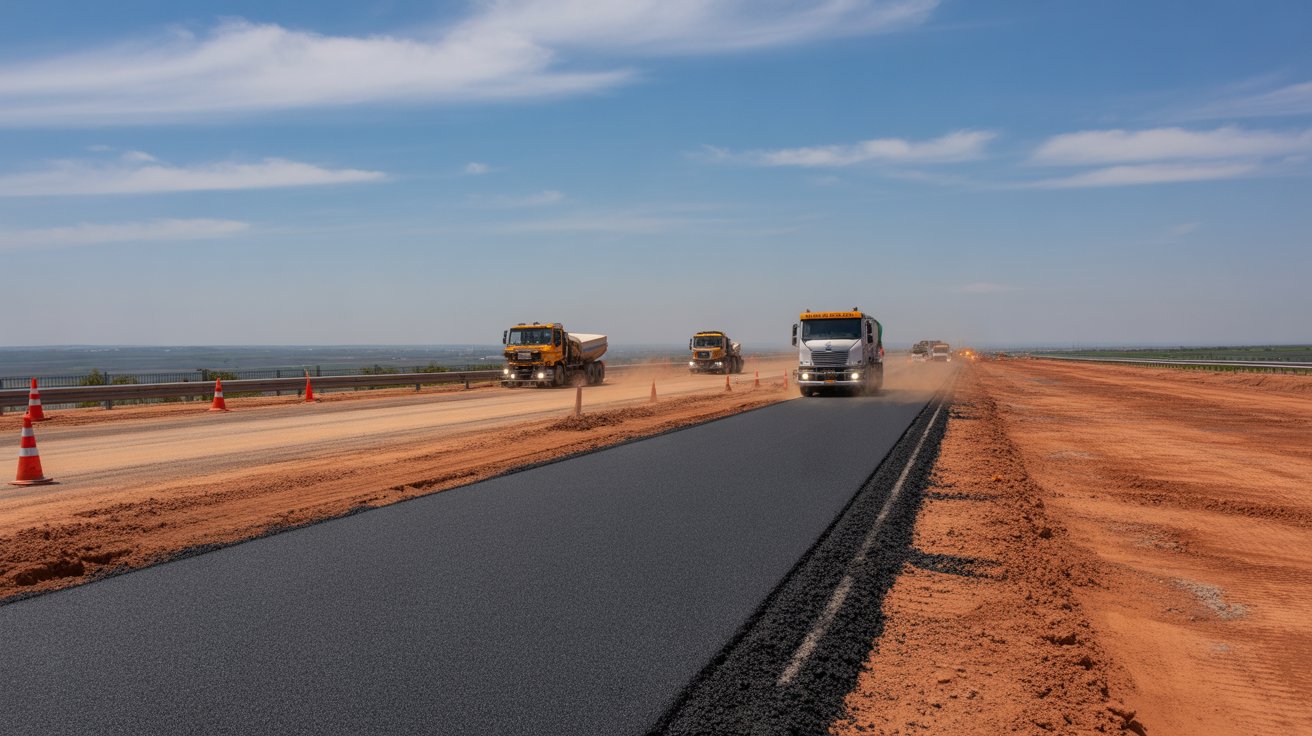
Adjustment in the BR-419/MS Contract Raises Value to Over R$ 124 Million and Extends Deadline to 2026, While Government and Dnit Project Direct Impact on the Bioceanic Route and Await Completion of International Bridge.
The Regional Superintendence of Dnit in Mato Grosso do Sul approved an adjustment that raises the BR-419/MS contract from R$ 119,540,000 to R$ 124,334,666, an increase of 4.01%.
The summary published in the Official Gazette of the Union on Monday (25) also informs that the duration of the new agreement extends until August 19, 2026.
According to the agency, the revision encompasses adjustment of quantities, inclusion of new items, and increase at initial prices.
-
Mercado Livre has just started selling medications with delivery in up to three hours to your door, and this move could completely change the way Brazilians buy medicines on a daily basis.

-
In Dubai, rising tensions from the war in the Middle East are causing super-rich individuals to leave the Gulf and direct their fortunes to a new financial refuge in Asia.

-
“No one will make us change the Pix,” says Lula after the US report.

-
Lula responds directly to Trump and says that Pix is from Brazil and will not change under pressure from anyone, after a report from the United States pointed out the Brazilian payment system as an American trade barrier.


While the amendment seeks to adjust the technical scope, the financial impact raises an alert about the work considered strategic to shorten Brazilian access to the Bioceanic Route.
Campo Grande News questioned Dnit about which items were included and is awaiting a response.
Adjustment and Scope of BR-419
According to what has been disclosed, this is the first formal revision of the ongoing project.
The document mentions the need to adjust measurements and include services not initially foreseen, a common justification in infrastructure contracts when quantities are updated.
However, there is no public detail of the added items and their unit costs, information that Dnit has not yet made available.
In the schedule, the extension of validity until August 2026 keeps the execution window aligned with the federal government’s priority for the road network in the Central-West.
The next update will depend on Dnit’s return with the description of the amendment.
Division into Lots and Extension of the Work
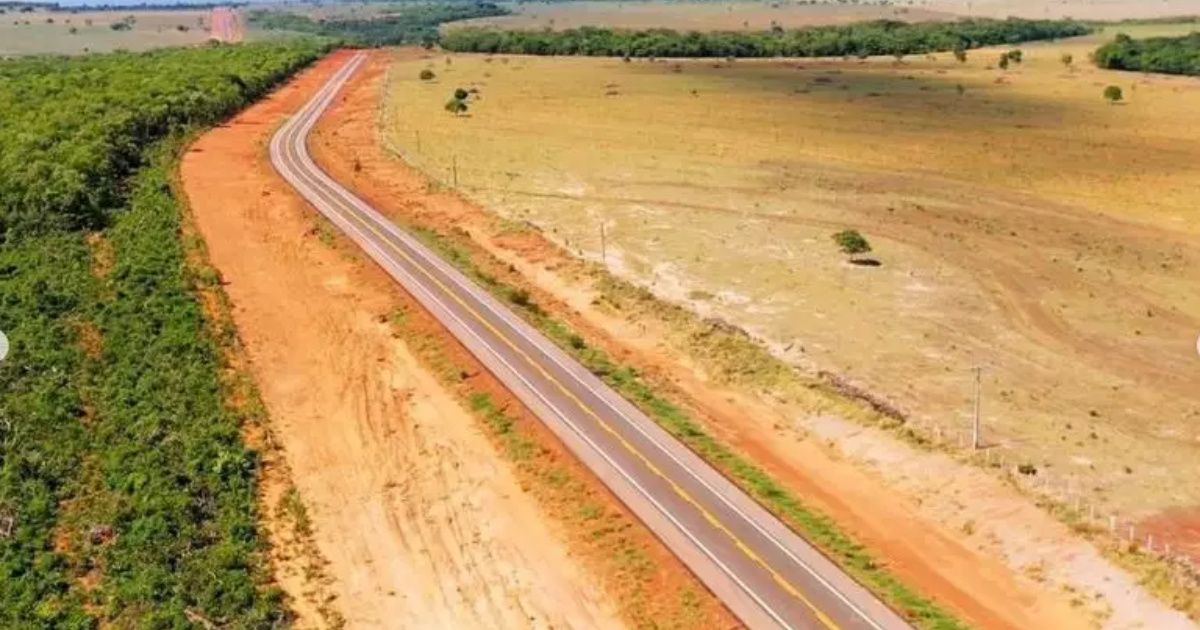
The BR-419 project was divided into lots. The first segment provides for 52 kilometers of paving between Rio Verde and Rio Negro.
Another lot, of 55.5 kilometers, connects Aquidauana to the Taboco River. The other two lots total 127 kilometers, completing the planned corridor.
In July, Governor Eduardo Riedel (PSDB) was in Brasília with the acting Minister of Transportation, George Santoro, to discuss the continuation of the construction fronts.
At the time, Riedel stated: “The fourth lot of the work is ongoing from Aquidauana to the North Region, with the expectation of completing the work this year or early 2026. Afterwards, lots two and three will proceed to bidding”.
The statement indicates that the state government is working with two parallel phases: completing what is already underway and accelerating the hiring of the intermediate sections.
Connection of BR-419 with the Bioceanic Route
BR-419 is presented by the State Government as an axis that will reduce the distance from the Northern region of Mato Grosso do Sul to the logistical corridor of the Bioceanic Route by 100 kilometers.
In practice, the shortening aims to decrease travel time, transportation costs, and pressure on overloaded sections of the state network, integrating municipalities in the Pantanal with the international cargo flow.
This effect, if confirmed, depends on three converging factors: completion of the lots with a definitive pavement standard, full operation of the accesses, and synchronization with border-crossing works.
The newly published amendment, while reinforcing resources for the highway, targets the first of these pillars.
International Bridge and Access Works
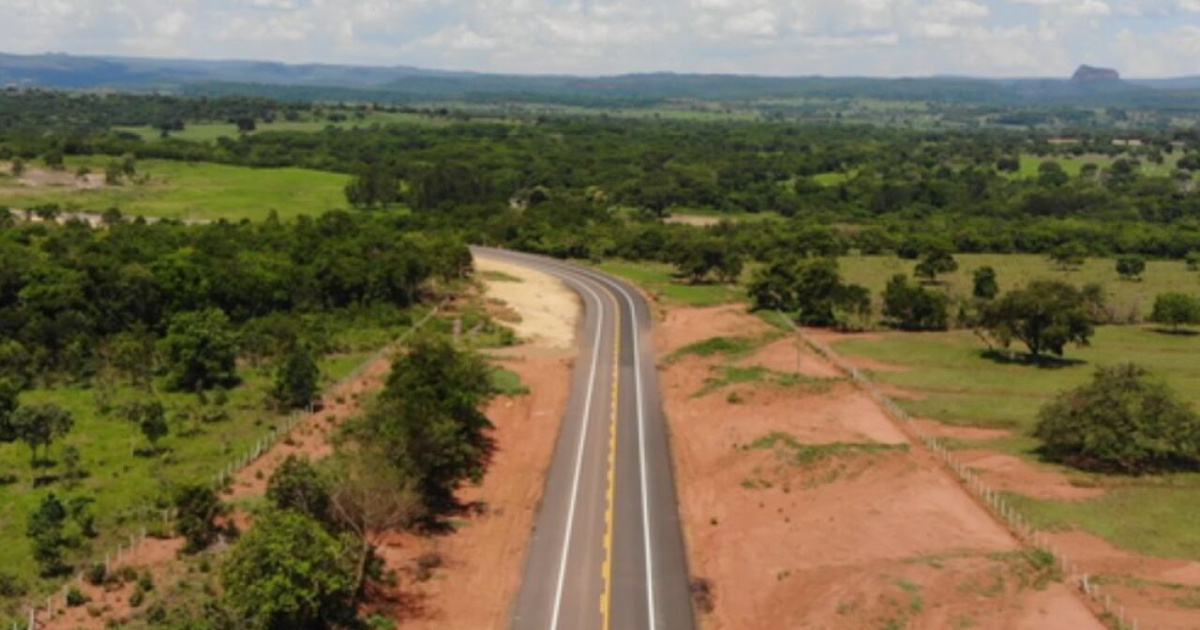
In parallel, the International Bridge of the Bioceanic Route — connecting Porto Murtinho (MS) to Carmelo Peralta (Paraguay) — is 75% completed, with a forecast for completion in the second half of 2026.
The estimate keeps the bridge within the same contract validity horizon as BR-419, which is relevant for aligning deadlines and clearing the route without bottlenecks.
On the Brazilian side, the access works to the structure total about 13 kilometers and are also expected to be completed by the end of 2026.
The coordination of these sections is essential for the bridge to operate at full capacity from inauguration and for the reduction of routes announced by the state government to materialize in continuous and safe paths.
Costs, Transparency, and Next Steps
The adjustment of R$ 4.7 million corresponds, mathematically, to the 4.01% reported by Dnit.
In road works, increases of this order usually arise from rebalancing due to variations in quantities, inclusion of supplementary services, or technical adjustments made during execution.
Still, the absence of detail in the amendment prevents assessing point by point how each item pressured the total contract.
For now, what is officially known is that the contract is valid until August 19, 2026, that the fourth lot is ongoing with the goal of completion between the end of this year and early 2026, and that lots two and three are awaiting bidding.
It is also known that the bridge is progressing at a considered high pace and that national accesses need to keep up with the schedule to avoid discrepancies in the delivery of the corridor.
In addition to physical execution, another decisive aspect is the timely update of schedules and scopes.
Without transparency regarding the technical inclusions of the amendment, it becomes difficult to assess, for example, whether the new items are corrective (to solve unforeseen issues in the layout) or improvements (to raise standards of safety and durability).
Dnit was formally questioned and, as soon as it responds, it will be possible to accurately gauge where every cent of the new amount is allocated.
Regional Impact of the Work and Challenges
The expectation of the government of Mato Grosso do Sul is that BR-419, by shortening 100 kilometers to the bioceanic axis, redistributes flows and strengthens the competitiveness of productive centers in the interior.
Gains of this type depend not only on the delivered mileage but also on the quality of the pavement, signage, and maintenance conditions in the post-work phase.
The paving between Rio Verde and Rio Negro, combined with the advance between Aquidauana and the Taboco River, forms the backbone of this expected benefit.
On the other hand, coordination between different levels of government and distinct schedules continues to be a test.
The synchronization between the completion of the internal lots, the bridge clearance, and the finishing of the 13 kilometers of access will determine whether the time and cost savings will come into effect immediately or gradually.
Without exceeding what is documented, what these milestones show is a large-scale enterprise, with simultaneous fronts and contractual adjustments within the work cycle.
Attention now turns to the detailing of the amendment and the bidding schedule for lots two and three, which complete the corridor.






Seja o primeiro a reagir!