





 Portuguese
  English
  Spanish
  5 min of reading
  0 comments


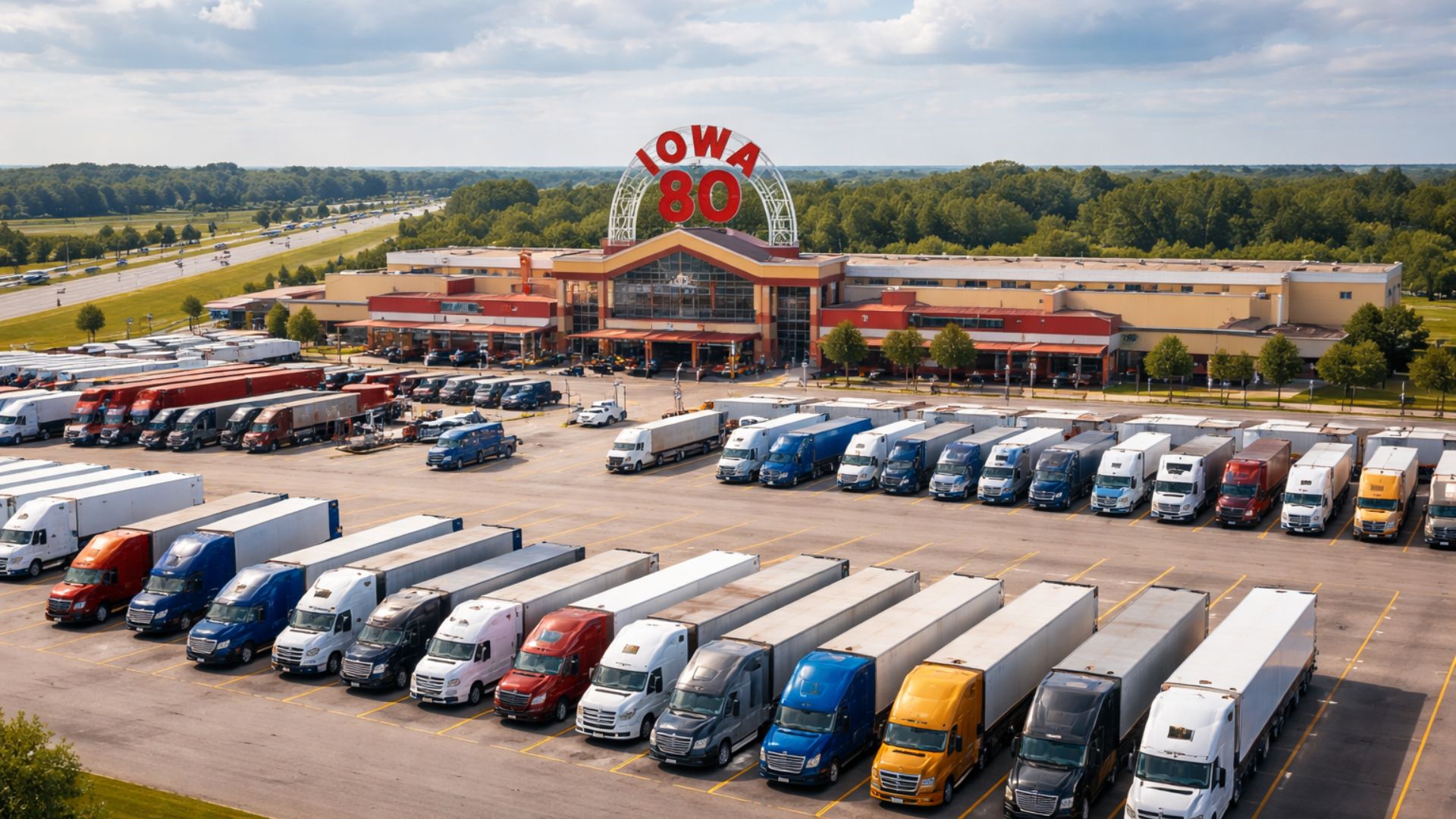
American Road Giant Gathers Parking for 900 Trucks, Medical Services, Leisure, Historical Museum, and Continuous Operation Restaurant, Becoming a Logistical Reference and Essential Support Point for Professional Drivers Crossing the United States Daily.
Located on the banks of Interstate 80, in Walcott, Iowa, United States, the Iowa 80 Truckstop is recognized for having one of the largest support structures for truck drivers in the world.
The complex features 900 exclusive truck spaces, food services, leisure, and personal maintenance facilities, as well as a museum dedicated to the history of road transportation.
According to information released by the establishment itself and news reports from the international press, the location serves about 350,000 meals per year and operates continuously.
-
A truck driver spent 21 years building a 15-meter replica of New York using balsa wood, cardboard, and regular glue; the work, featuring hundreds of thousands of buildings, has become an attraction in a museum in the city itself.

-
More than 138 stone tools found on the seabed between Turkey and Europe reignite the hypothesis of a lost land bridge from the Ice Age that may have been used by humans to cross continents.

-
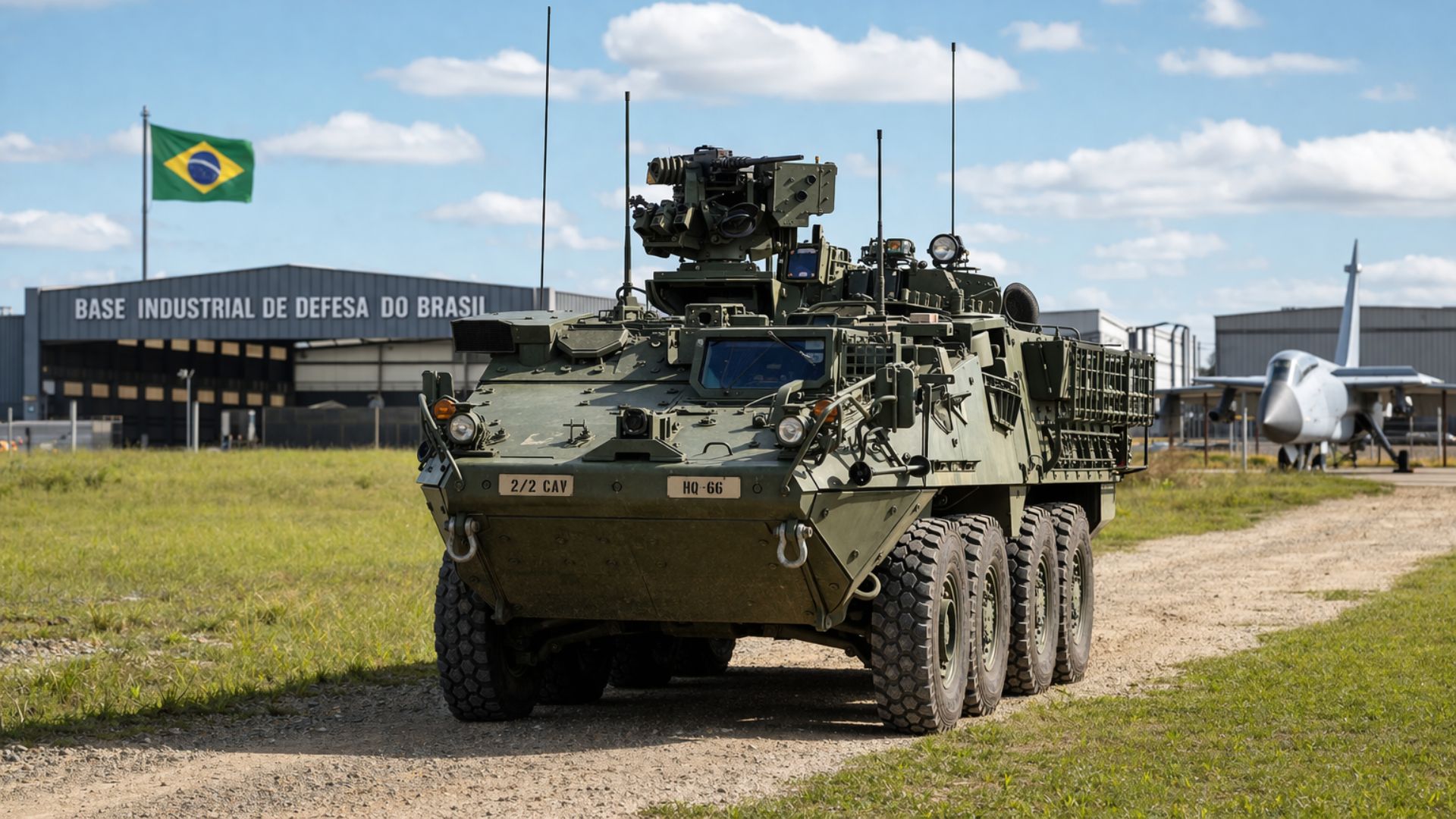
Argentina places the first U.S. Stryker 8×8 armored vehicles in operational units, while Brazil sets a record of $3.1 billion in military exports, reaching 140 countries and strengthening the Defense Industrial Base.
-
A flight attendant fell from 10,160 meters without a parachute after an airplane explosion, survived against all logic, and still holds the record for the highest fall ever survived by a human being.


The station was inaugurated in 1964 and has since undergone successive expansions to keep up with the growth of road traffic in the central corridor of the United States.
Today, it operates as a multifunctional stop primarily aimed at professional drivers covering long distances, although it also welcomes visitors traveling through the state by car.

Although it has dimensions comparable to major road networks, Iowa 80 maintains a family management in a significant part of its operation.
The fueling area is associated with a franchise of TravelCenters of America (TA), a common practice on interstate highways, while other services remain directly managed by the founding family, as reported in journalistic profiles about the location.
Complete Structure for Drivers on Long Routes
Driving through Iowa 80, the truck driver finds a range of services that goes beyond fuel.
The complex houses a continuously operating restaurant, cinema, laundry, barbershop, beauty salon, chapel, and dental office, in addition to washing and resting areas.
The proposal, according to management, is to concentrate in one location demands that would normally require multiple stops along the journey.
The parking capacity is regarded as one of the pillars of the operation.
The 900 spaces designated exclusively for trucks allow drivers to find room to stop and fulfill mandatory rest periods, a relevant factor on high traffic routes, such as Interstate 80, which runs across the country from east to west.
In the restaurant, the production scale reflects the daily volume of customers.
Reports describe an organized kitchen designed to function without interruptions, with rotating teams.
Since its opening, the establishment reports having served over 23 million eggs, a number often cited as a reference for the accumulated traffic over the decades.
Breakfast is among the peak demand times, with continuous preparation of traditional American cuisine dishes.
Museum Preserves the History of Road Transportation
Adjacent to the station, the Iowa 80 Trucking Museum functions as a historical preservation space.

The museum showcases antique trucks, mechanical parts, photographs, and items related to the evolution of freight transport in the United States.
According to institutional materials, more than 100 trucks are usually on display simultaneously, with periodic rotation of the collection.
Specialized reports and announcements about expansions of the space indicate that the total preserved collection exceeds 130 historical vehicles, in addition to hundreds of memorabilia items.
The distinction between what is on display and what is part of the collection varies over time, according to curation.
The museum is open to the public and welcomes both drivers and visitors interested in the history of American roads, functioning as a cultural complement to an essentially operational space.
Continuous Expansions Since Inauguration in 1964
Since its inauguration in 1964, Iowa 80 has undergone dozens of renovations and expansions.
Records released by the company indicate more than 30 structural interventions over six decades, including changes in internal layout, expansion of service areas, and modernization of facilities.
These transformations occurred without complete interruptions of activities, a strategy adopted to maintain a steady flow of truck drivers in one of the country’s main logistical hubs.

The station has developed alongside the consolidation of the interstate highway system, which expanded freight transport by truck from the second half of the 20th century.
Importance of Stops in the Logistical System of the USA
The prominence of Iowa 80 is placed within a broader context of road transportation in the United States.
Data from industry associations indicate that trucks account for about 70% of freight transport in the country, considering the volume moved.
The reliance on this modal makes the support infrastructure a relevant part of the logistical chain.
At the same time, industry studies and reports highlight challenges faced by drivers, such as long journeys, extended periods away from home, and high turnover rates in employment.
In large transport companies, annual replacement rates of professionals often exceed 90%, according to representative entities of the category, which associate the figure with working conditions, compensation, and deadline pressure.
In this scenario, logistics specialists and driver representatives evaluate that structured stops contribute to compliance with rest regulations and to road safety by providing adequate places for food, hygiene, and rest.


From Mega Truck Stop to Historical Roadside Stop
A few hours from Walcott, another point in Iowa illustrates an earlier phase of American road culture.
Reed Island Corner, also known as Reed/Niland Corner, emerged in the 1920s at the intersection of the old Lincoln Highway and Jefferson Highway.
The location combined a gas station, diner, and cabins for overnight stays, catering to travelers in an era before interstate highways.
With the redirection of traffic starting in the 1960s, the flow of vehicles decreased, and the space eventually closed for long periods.
In recent years, local initiatives have sought to restore the building and preserve its memory, with support from historical associations and the community of Colo, the town where it is located.
While Iowa 80 represents a model of large-scale service, the old Reed Island Corner is cited in historical records as an example of the stops that marked the beginning of long-distance road travel in the United States.
Between modern structures and preserved sites as heritage, these spaces remain connected to the routine of those who live on the road.
In an increasingly standardized logistical system, what type of stop still meets the needs of truck drivers most effectively?




-

-

-

-

-

-

14 pessoas reagiram a isso.