





 Portuguese
  English
  Spanish
  4 min of reading
  0 comments


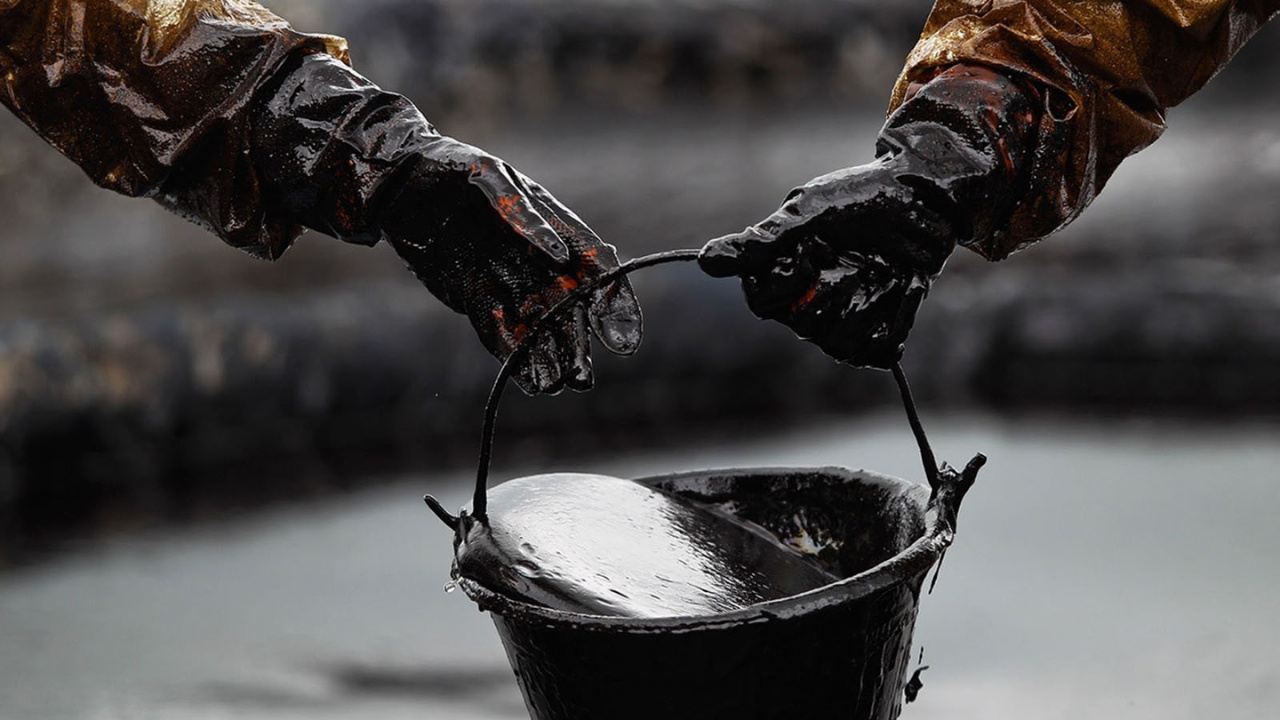
Oil Discoveries Plummet, Consumption Remains At Record Levels, And Experts Warn Of Supply Shortage. New Frontiers, Like Brazil, Guyana, And Namibia, Enter The Center Of The Global Energy Debate.
Oil, the foundation of the global economy for decades, is becoming increasingly difficult to find. Even with production at a high pace, new discoveries are not keeping up with global consumption.
The warning comes from recent data from Norwegian consultancy Rystad Energy, which shows a sharp decline in conventional oil discoveries over the past decade.
In the early 2010s, the average annual volume of discoveries exceeded 20 billion barrels of oil equivalent (boe).
-
Petrobras evaluates suspension of sales to distributors and considers canceling the cooking gas auction following guidelines from the Federal Government.
-
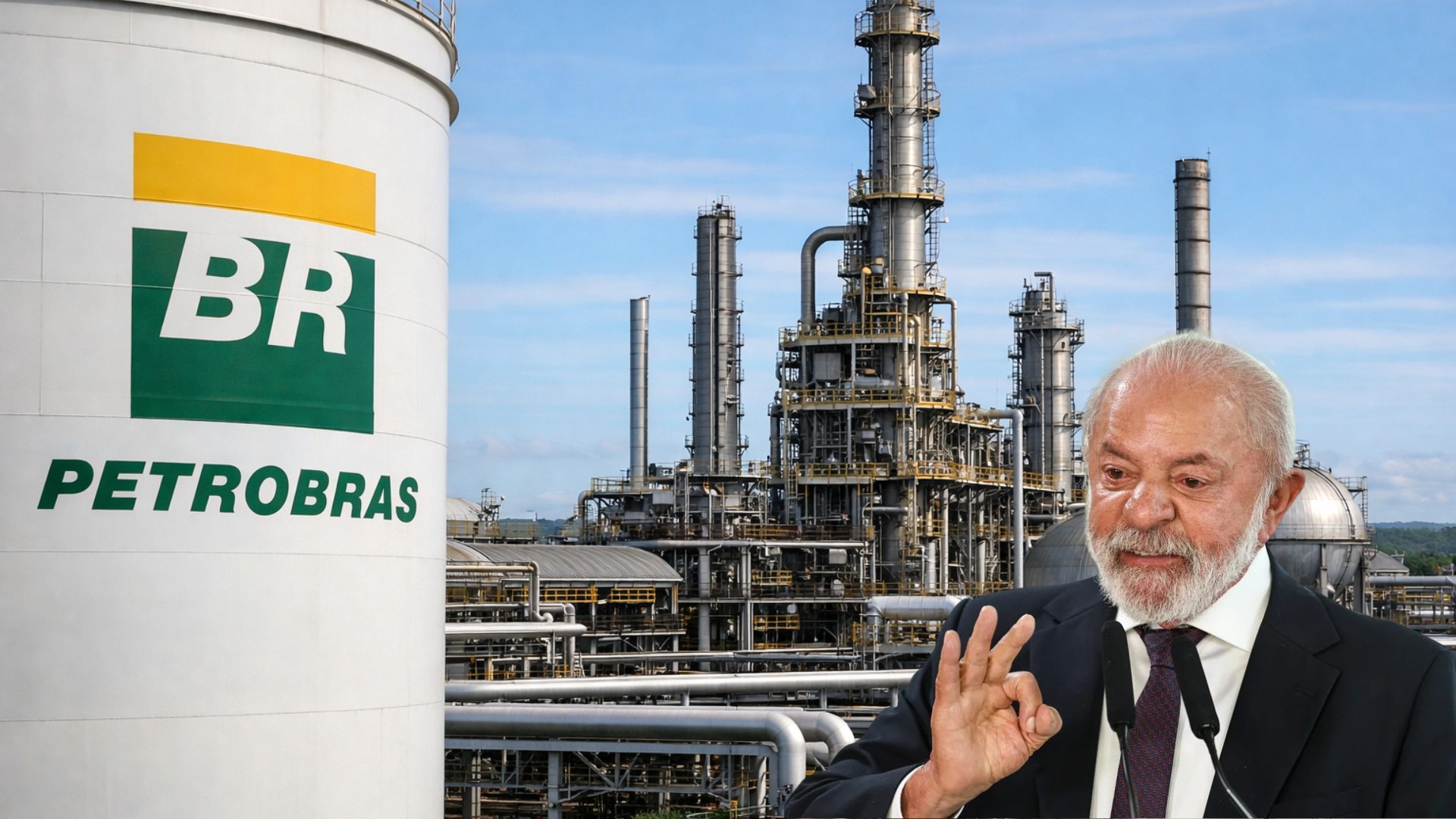
Lula reveals a masterstroke by Petrobras to undo a deal made by Bolsonaro, which involves the return of an important refinery that currently produces less than half of what was expected and makes Brazil dependent on international diesel.
-
A study confirms that the natural gas sector will reduce greenhouse gas emissions in Brazil by 0.5% and accelerate the energy transition by 2026.

-
Petrobras implements a severe adjustment and confirms a 55% increase in the price of aviation kerosene with a proposal for installment payments for the companies.


However, since 2020, that number has plummeted to just over 8 billion boe per year.
Even more seriously, when considering the period between 2023 and the end of 2024, the average falls to around 5.5 billion boe, highlighting an increasingly tight scenario for the future of supply.
Production Grows, But Replacement Does Not Keep Up
Meanwhile, global oil consumption remains close to record levels. Production continues to be high, but new discoveries are failing to replace even a third of the volume extracted annually in a sustained manner.
This mismatch creates a growing gap between future supply and demand, putting pressure on the energy sector.


According to analyses from Rystad Energy, this difference has been compensated by alternatives such as unconventional resources, advanced recovery techniques in mature fields, and, mainly, by the need for increasingly higher long-term investments.
Still, experts warn that these solutions have technical, environmental, and financial limits.
Investment In Exploration Falls And Raises Red Flags
In addition to the decline in discoveries, investments in mineral exploration have also taken a significant hit.
After peaking at around US$ 115 billion in 2013, investments were drastically reduced starting in the mid-2010s. For 2025, estimates range between US$ 50 billion and US$ 60 billion.
This amount represents only a fraction of the annual budget considered necessary to avoid supply shortages in the future, estimated between US$ 500 billion and US$ 540 billion.
The result is an increasingly tense market, where any geopolitical instability or production failure can cause global impacts on oil prices.

In light of this scenario, the strategy of exploration and production companies has changed radically. The global map of oil exploration is no longer defined solely by the size of available areas. Now, the key word is precision.
Both national oil companies and major global firms are focusing their efforts on basins with high impact and potential return.
Among them are the deepwater basin of Suriname, the Orange Basin in Namibia, and the Brazilian pre-salt. At the same time, mature and low-return regions have been set aside.
This concentration reveals that the success of oil exploration is becoming increasingly restricted to a few points on the planet, increasing the risk and dependence on spot discoveries.
Brazil And The Pre-Salt: The Bet That Changed The Game
One of the biggest examples of this strategic shift was the discovery of the Tupi field, now called Lula, in 2006, in the Santos Basin. Located under nearly 2,000 meters of water and another 2,000 meters of salt, the field revolutionized the Brazilian and global oil industry.
With recoverable resources estimated between 5 and 8 billion barrels of oil equivalent, the discovery required advanced seismic technologies, specialized drilling, and strong investment in research.
Programs like Petrobras’ PROCAP were crucial in enabling exploration at extreme depths, proving that layers once considered inaccessible could be explored.
Another frontier that surprised the market was Guyana, next to Suriname. In 2015, ExxonMobil discovered the Liza-1 well, finding over 90 meters of sandstone reservoirs rich in oil. Prior to this, the region had accumulated more than 40 dry wells and was viewed with skepticism.
The success was attributed to the use of advanced seismic mapping technologies, high-performance computing, and techniques such as Full Wavefield Inversion, which allowed precise insight into complex geological structures at great depths.
Namibia Emerges As A New Promise Of Oil
More recently, the Orange Basin in Namibia has emerged as one of the most promising oil provinces in recent years. Companies like Shell, TotalEnergies, and Galp Energia are leading the discoveries, supported by 3D seismic, high-capacity drilling platforms, and sophisticated geochemical analyses.
These campaigns have confirmed reservoirs with good properties, including light oil of 37° API, reinforcing the region’s potential. Still, high costs and environmental risks keep the debate alive.
With less oil being discovered and consumption remaining high, is the world prepared to face a possible shortage, or is the price shock just a matter of time?







-

Uma pessoa reagiu a isso.