





 Portuguese
  English
  Spanish
  4 min of reading
  0 comments



Between Past Records, Rising Costs, New Requirements, Strategy of Selling Less and More Expensively, Pandemic, Chinese Imports and High Interest Rates, the Brazilian Automotive Sector Reveals Adaptation, Competitive Tension and Consumption
The Brazilian automotive market has always been a mirror of circumstances. In a country where political decisions and monetary fluctuations quickly reflect in consumption, automakers have learned to survive amidst frequent changes. Taxes, regulations, incentive packages, technical requirements, and interest rates have shaped the behavior of the sector over the years.
Brazilian Automotive: A Past of Volume and Easy Credit
Fifteen years ago, the scenario was one of abundance in sales. The logic was clear: low ticket, long terms, and low down payment. The popular car dominated the streets and consumption dreams.
Slim models, basic versions, and financing that extended for 72 months were common. In 2012, this movement culminated in a record of 3.6 million registrations of passenger and light commercial vehicles.
-
A French brand placed a car on four huge red balloons to prove that its suspension made the vehicle “float,” and the surreal scene became one of the most iconic and unusual images in automotive history.

-
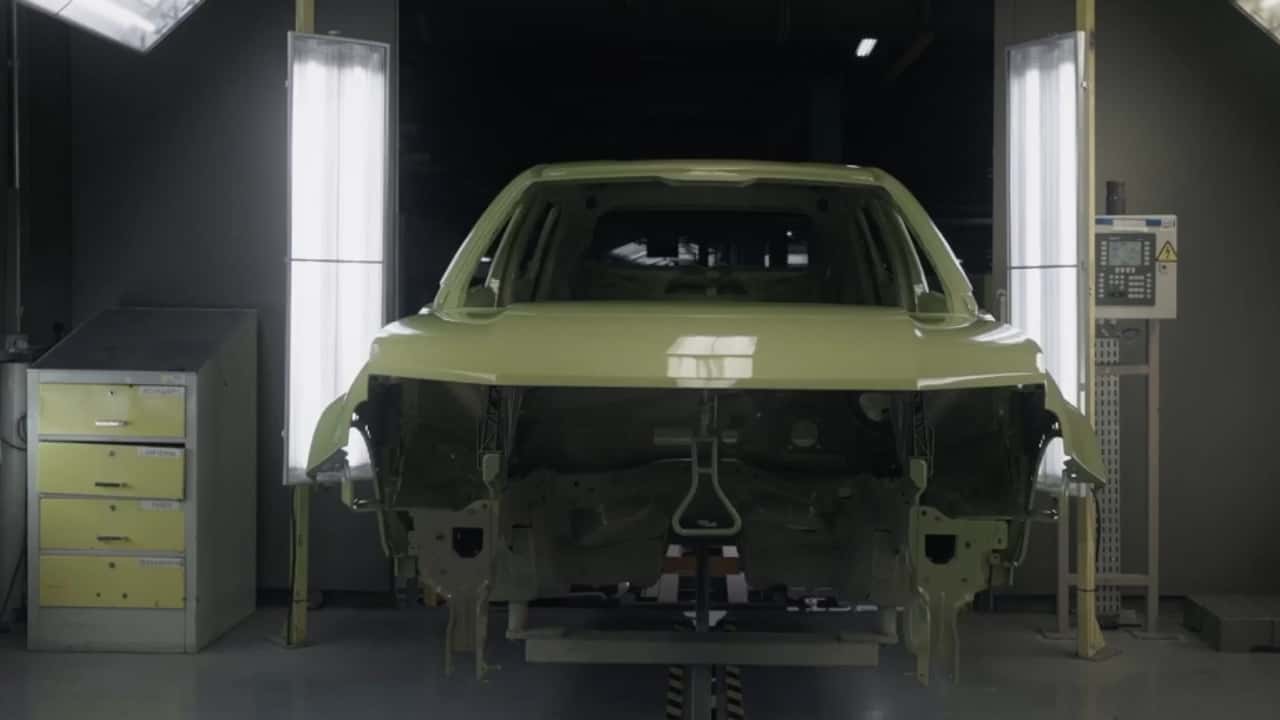
Jeep Avenger begins production in Brazil, debuting as the brand’s new entry-level SUV and inaugurating an unprecedented phase by becoming the first national Jeep manufactured outside of Goiana, as part of a R$ 3 billion plan.
-
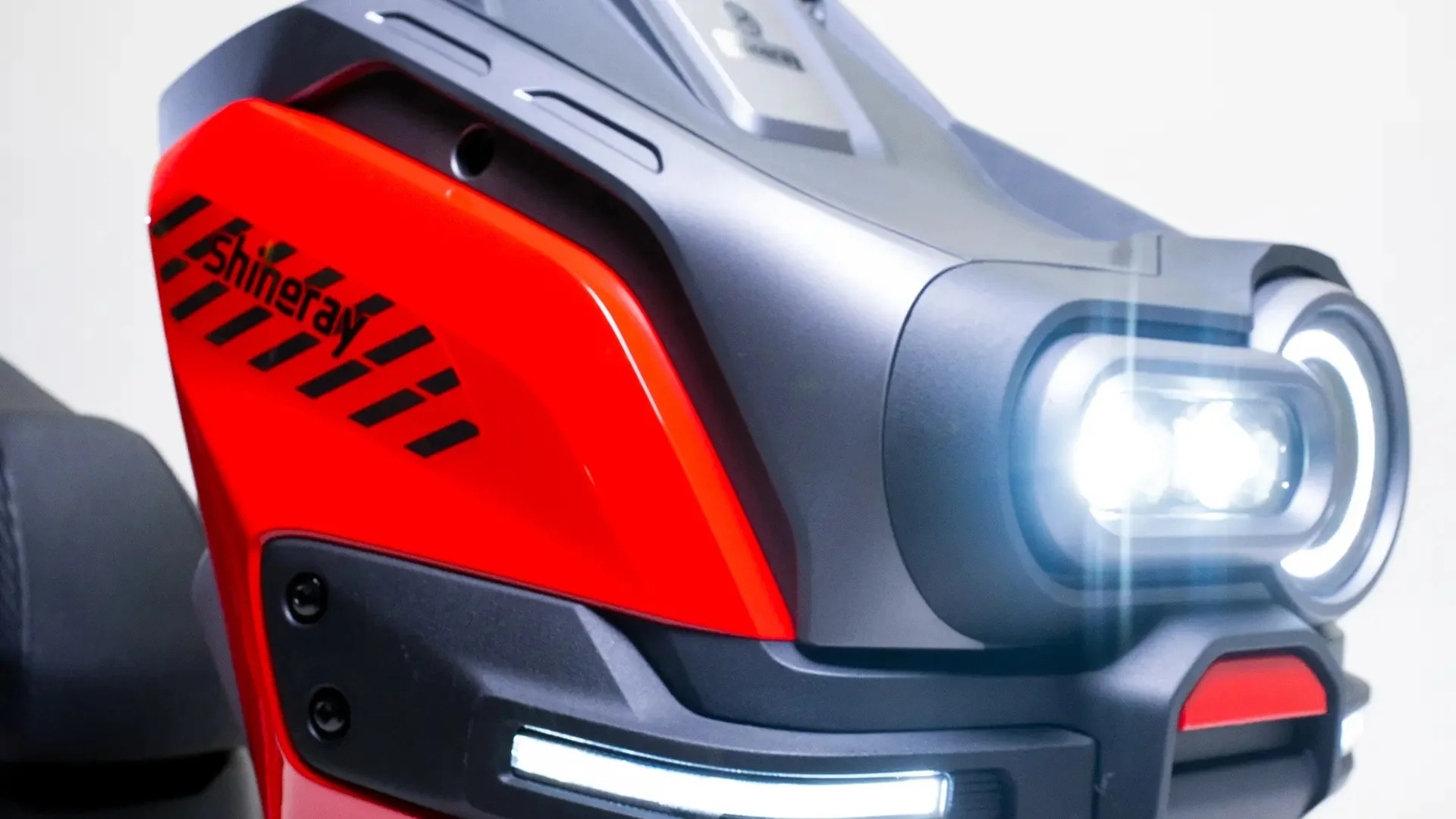
Costing R$ 12,490, the new Shineray Urban Lite 150 “cheap one” arrives in Brazil with a CVT transmission, digital dashboard, and LED lights, making it more affordable than the Biz and targeting those who want to abandon the bus.
-
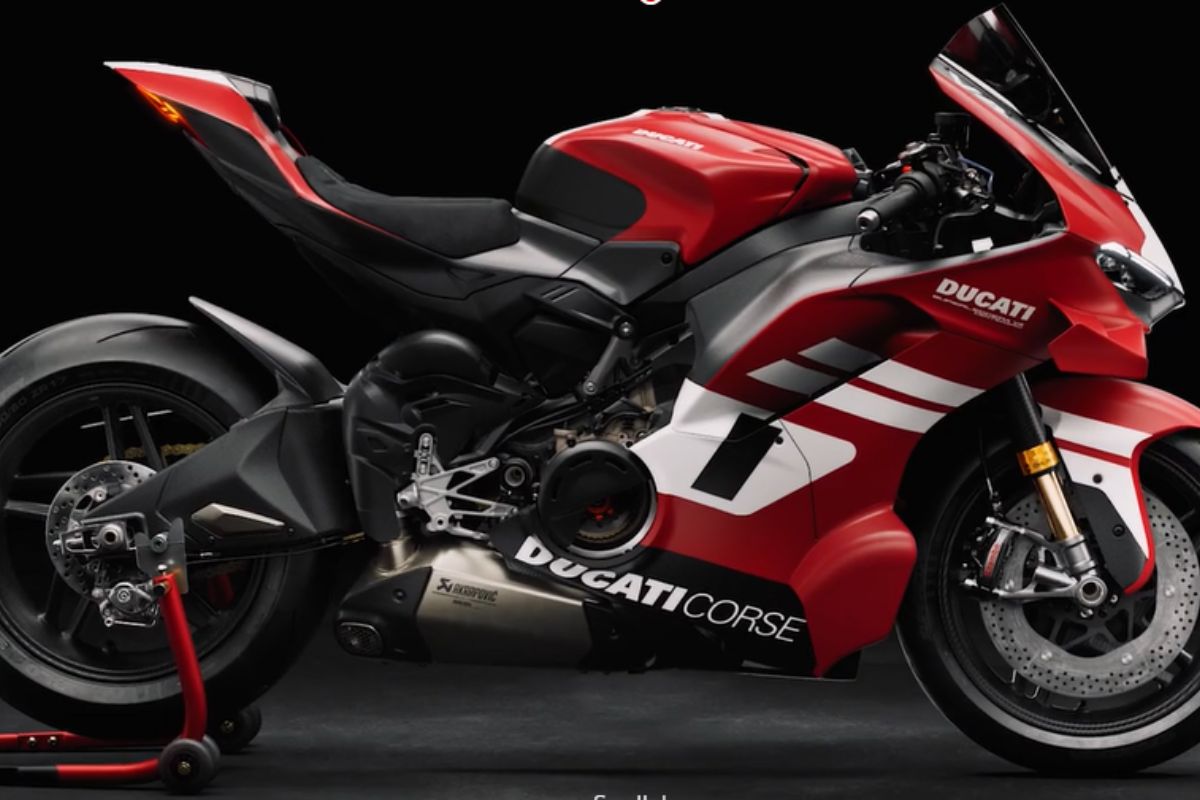
Ducati brings to Brazil the Superleggera V4 Centenario: 228 hp that become 247 with a track kit, carbon fiber and carbon-ceramic brakes, estimated price between R$ 1.5 and 2 million, deliveries only in 2027.

Protectionism and Industrial Rearrangements
During that time, the industry lobby played a decisive role. The advance of Chinese brands, especially JAC Motors, faced barriers through protectionist measures.
The reflection came in the form of investments and new factories, with brands like BMW, Jaguar Land Rover, and Chery expanding their productive presence. Those who were left out of this redesign faced difficulties.
Over time, the political and economic environment changed. Requirements such as airbags and ABS increased costs and altered strategies.
Manufacturers began to target niches such as the PcD segment, taking advantage of tax discounts. Still, the results did not fully compensate for the market’s cooling.
Fewer Units, Higher Value
Faced with cost pressures, the industry recalibrated its course. Producing vehicles became more expensive, not only due to the incorporation of equipment but also because of items perceived as cost generators without equivalent valuation.
Then, the fever for compact SUVs emerged, along with the renewal of hatchbacks, now more sophisticated.
The maxim became pragmatic: sell less but for a higher price. The strategy reduced logistical and operational efforts, sustaining margins in a context of retraction. It was a silent but decisive movement to keep the mechanism active.
The Prominence of Subsidiaries
This new cycle required investments in product development and the localization of strategic areas that were previously concentrated in the headquarters.
Subsidiaries gained relevance by dictating guidelines aligned with the local consumer profile. Those who could not adapt, or did not have an adequate portfolio, lost ground.
Importing projects from other international units appeared as an initial solution. Although it seemed an efficient alternative, part of the sector still deals with the limitations of this stopgap.
The effects of the Covid-19 pandemic aggravated an already delicate situation. Costs of chips, rubber, steel, foam, and shipping were identified as factors that drove up prices.
The new car became significantly more expensive, widening the gap between desire and reality.
The Chinese Offensive in the Brazilian Automotive Sector
When the market seemed stabilized around just over 2 million units, a new movement gained momentum.
Modern models from China began to compete with lower prices and high quality, even in the face of the staggered increase in taxation for electric vehicles.
Sales progressed haltingly, with expectations of surpassing 2.5 million in 2025. The number, although positive, carries ambiguity.
It indicates resilience but also demonstrates that the sector is not experiencing a transformative expansion.
Who Really Buys?
A cold reading of the data presents a challenging picture. With 2.5 million units registered in a country of nearly 220 million inhabitants, just over 1% of the population purchases a new car.
The scenario tightens further when considering that direct sales account for almost half of that volume.
A large part of the vehicles goes to companies, large fleet operators, rental agencies, and government bodies. Just one rental company, for example, operates over 600,000 cars a year.
In the end, the average consumer steps back. High interest rates compress budgets, while high prices make decisions difficult.
The Brazilian is left to rely on driving, app transportation, or the used car market, often filled with former rental vehicles.
As a backdrop, expectations, cycles, and the hope that the next turnaround will bring new breath to the sector remain.
With information from Autopapo.









Seja o primeiro a reagir!