





 Portuguese
  English
  Spanish
  3 min of reading
  0 comments


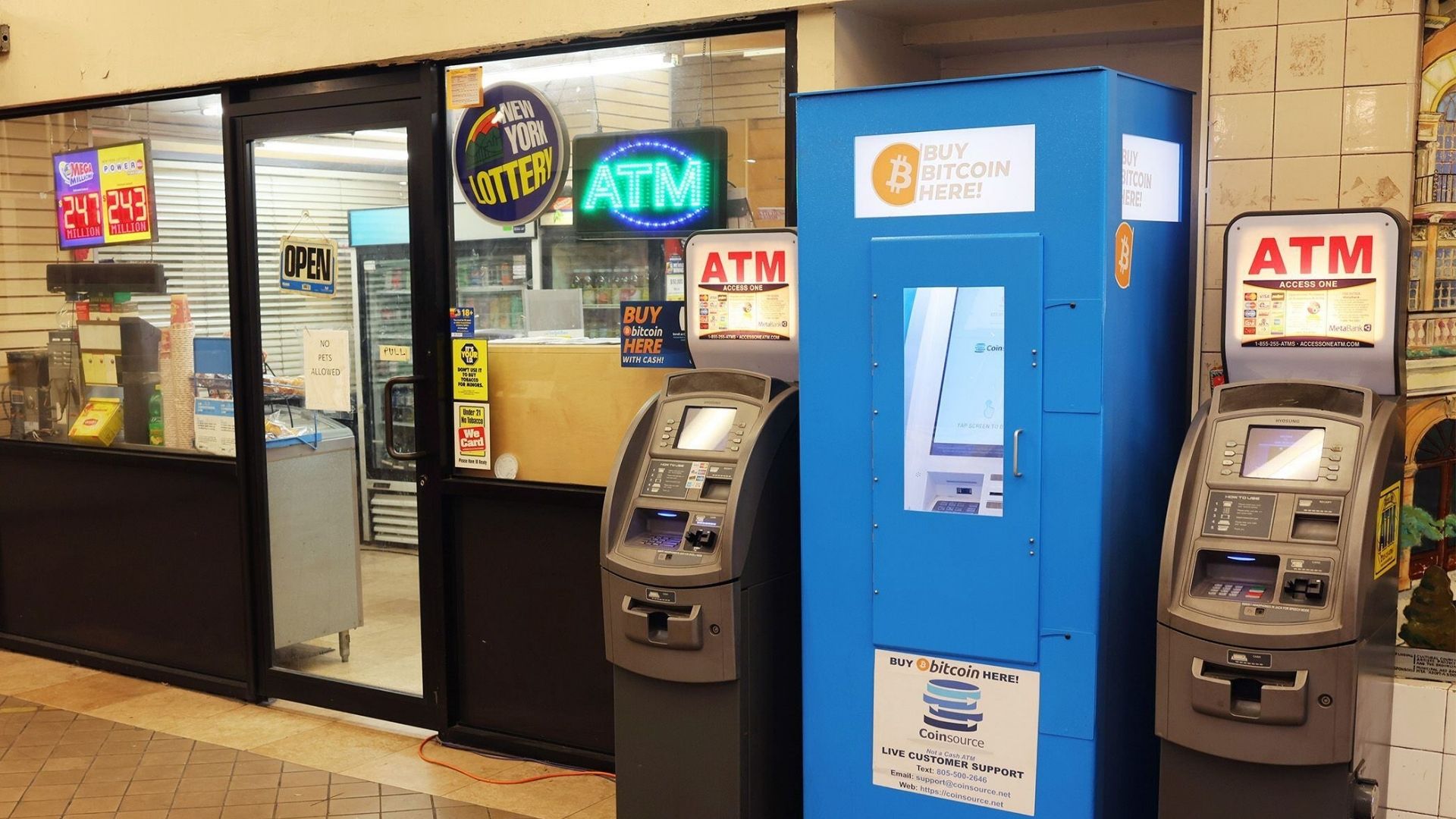
From ATMs to Automatic Laundries: See How Entrepreneurs Transformed Simple and Even Boring Activities into Million-Dollar High Cash Flow Businesses.
1. ATMs
One of the classic examples of an apparently “boring” but highly profitable business is independent ATMs. Paul Alex, a former police officer from San Francisco, started in 2018 by purchasing a single machine for about US$ 2,100 and installing it in a hair salon. The machine generated an average of US$ 500 per month.
Over time, he expanded the business by installing dozens of ATMs in strategic locations. Within a few years, he was able to live solely off the income from this venture. Today, his company, ATM Together, generates over US$ 8 million annually and teaches others how to replicate the model. The secret lies in two points: location and maintenance; without cash available in the register or machines out of operation, there is no profit.
2. Automatic Laundries
Self-service laundries have a 95% success rate, nearly double the national average for businesses in the U.S. Although they may seem like a source of “passive income,” in practice, they require frequent maintenance, constant cleaning, and, primarily, strategic location selection.
-
The government requests the Federal Revenue Service for a new system to automate the income tax declaration, reducing errors, time, and bureaucracy for millions of Brazilians.

-
Pix in installments, international Pix, and contactless payment without internet: the Central Bank revealed the new features coming to the tool that is already used by almost every adult in Brazil.

-
Mercado Livre has just started selling medications with delivery in up to three hours to your door, and this move could completely change the way Brazilians buy medicines on a daily basis.

-
In Dubai, rising tensions from the war in the Middle East are causing super-rich individuals to leave the Gulf and direct their fortunes to a new financial refuge in Asia.


With well-functioning machines, a safe environment, and a captive audience, laundries become a true “silent gold mine.”
Many entrepreneurs start small and, after mastering one neighborhood, expand with new locations. Although it requires more initial capital than it seems, it is a resilient sector with solid margins.
3. Industrial Equipment Rental
Few think about it, but equipment rental is one of the most profitable and rapidly growing markets. Companies often need compressors, generators, welding machines, or tractors but do not want or cannot invest in their own purchases.
This model allows for quick returns: a piece of equipment purchased for US$ 100,000 can generate US$ 60,000 in just one year from rentals, and the owner can still deduct 100% of the investment value in taxes. The trend of reindustrialization in countries like the U.S. is expected to further boost this demand, solidifying the sector as a stable source of wealth.
4. HVAC Services
The HVAC sector is considered one of the most promising for those looking to create a scalable service business. It is a market of basic necessity: homes, offices, and factories require maintenance and installation of air conditioning and ventilation systems.
The great advantage is that it does not require a large initial capital, but rather technical knowledge and the ability to provide quality local service.
Many entrepreneurs start with a small team serving the local community and, over time, expand to new areas. Scalability comes with well-structured systems and strategic use of digital marketing.
5. Towing and Roadside Assistance
Few realize it, but the towing and recovery sector generates billions every year. The secret lies in heavy vehicles: transportation companies rely on quick assistance when trucks break down on highways. Having the right equipment in strategic locations can mean high-value contracts and robust margins.
An entrepreneur can start with a single truck, providing services in a limited area, and then grow by adding vehicles to the fleet.
The challenge is finding trained drivers and maintaining the operational structure without failures. But those who master this market create highly profitable businesses.
6. Waste Management and Urban Cleaning
The most emblematic example is GFL (Green for Life), founded by former hockey player Patrick Dovigi in 2007. He started by acquiring small local waste collection companies in Canada and, within a few years, aggressively expanded through acquisitions.
The turning point came in 2011 when he won a billion-dollar collection contract in Toronto. Today, GFL is publicly traded and has over 20,000 employees.
The waste management sector is one of the most profitable because it meets an essential need: all cities and businesses require proper collection and disposal.
Although it requires substantial investment and faces competition, it offers stability and predictable growth.
The analysis was made by business expert David Heacock on his YouTube channel.









Seja o primeiro a reagir!