





 Portuguese
  English
  Spanish
  5 min of reading
  0 comments


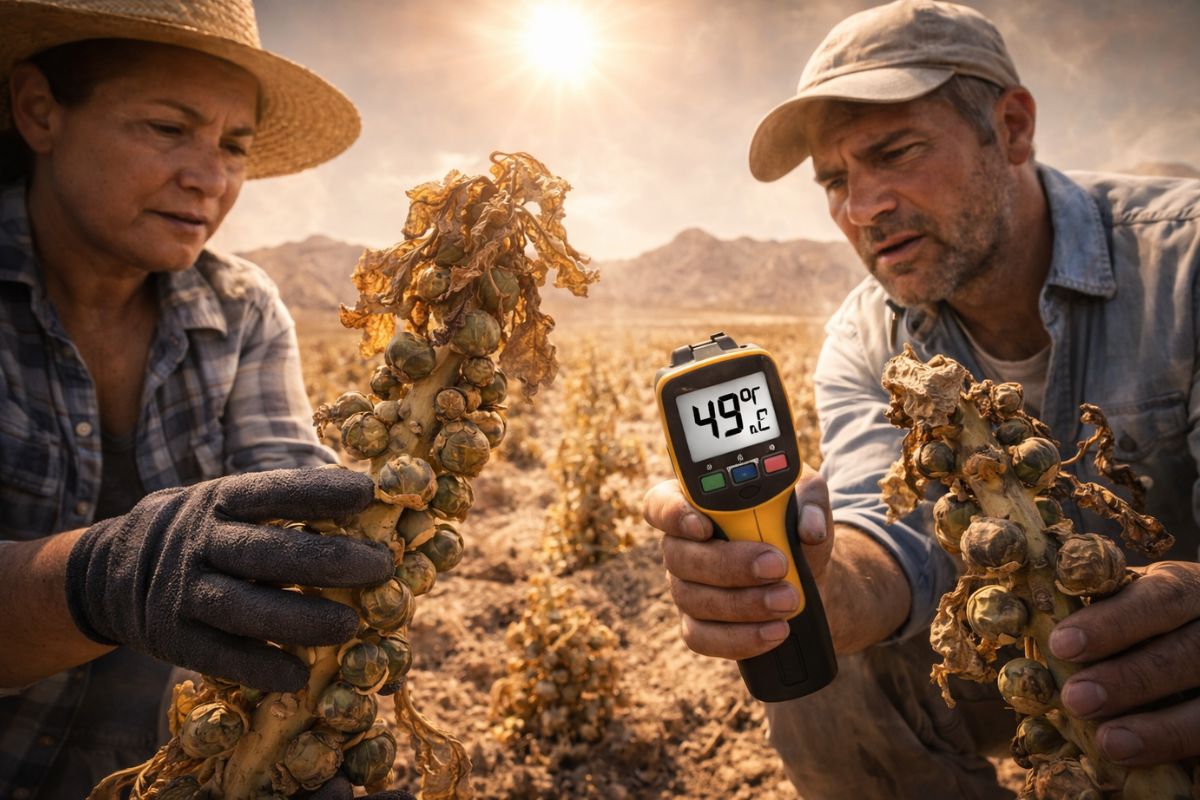
In The Sonoran Desert, Where Summer Hits 43°C And Can Reach 49°C, A Brussels Sprouts Crop Only Advanced When A 7-Step Plan Combined Microclimate, Soil Adjustment, And Frost Mimicry, Swapping August Rush For Precise Planting In October To Avoid Bolting Or Bittering.
In The Sonoran Desert, Trying To Grow Brussels Sprouts Seems Like An Invitation To Failure: Heat Of 43°C, Peaks That Can Reach 49°C, And A Sun That Dries Everything Up Before The Plant Decides Whether It Is Worth Growing. What Catches Attention Is Not The Promise Of A Miracle, But The Method, Organized As A 7-Step Plan To Reduce Heat Stress Without Relying On Actual Frost.
The Central Change Was To Treat The Crop As Applied Engineering. Instead Of Betting On The Power Of The Sun And Wishing For The Best, The Strategy Involved Controlled Microclimate, Adjusted Soil Chemistry, And A Frost Mimicry Designed To Sweeten The Brussels Sprouts Even When November And December Do Not Bring Consistent Cold Or Snow.
The Calendar Trap That Takes Down Almost Everyone

In The Sonoran Desert, The Most Common Mistake Is Not The Seed, But The Clock.
-
The sugar-energy sector advances with agricultural technology, but agricultural productivity still raises concerns.

-
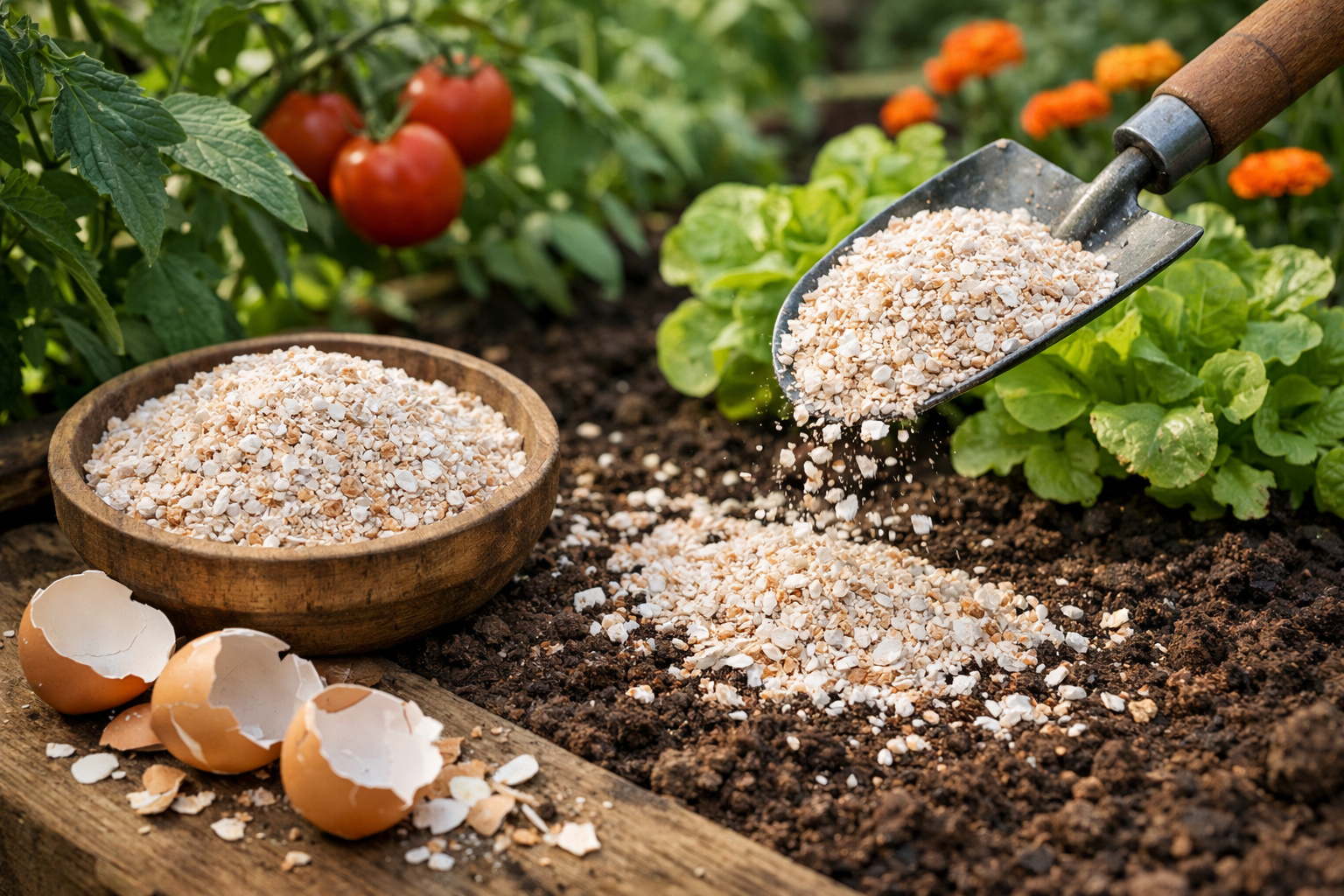
The eggshell that almost everyone throws away is made up of about 95% calcium carbonate and can help enrich the soil when crushed, slowly releasing nutrients and being reused in home gardens and vegetable patches.
-
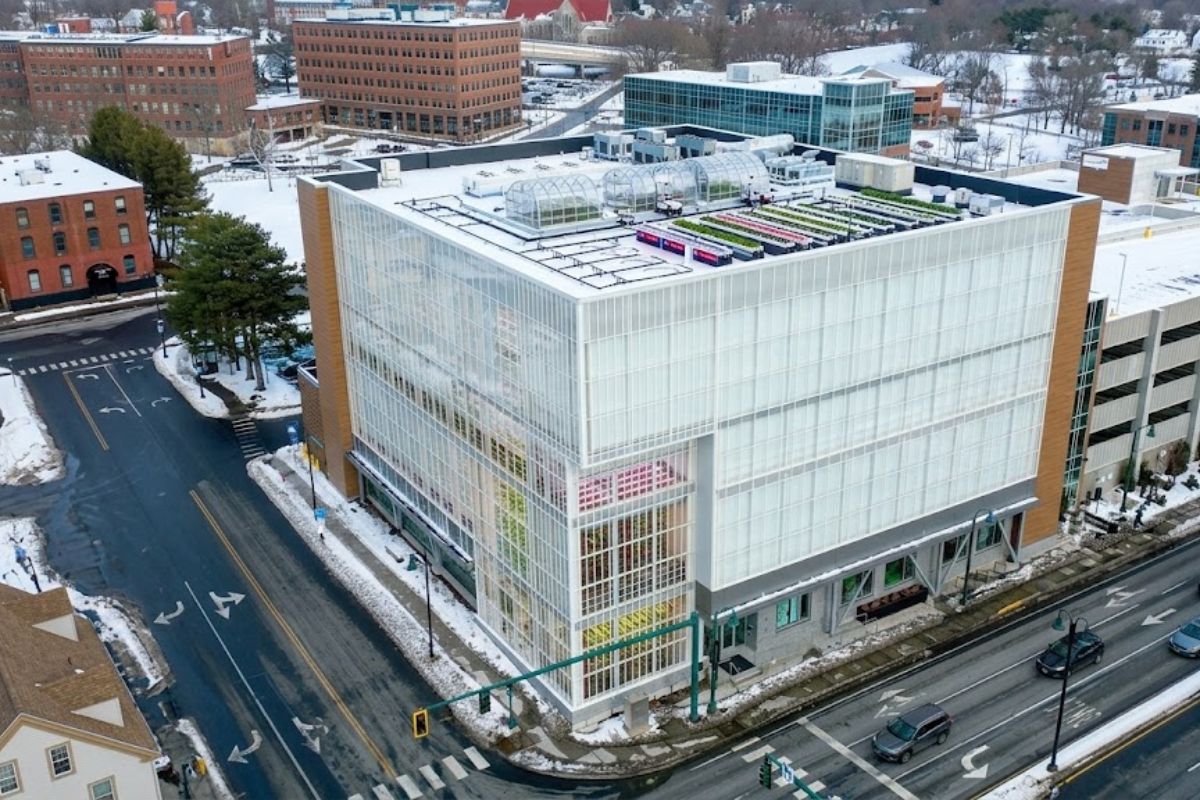
This farm in the United States does not use sunlight, does not use soil, and produces 500 times more food per square meter than traditional agriculture: the secret lies in 42,000 LEDs, hydroponics, and a system that recycles even the heat from the lamps.
-
The water that almost everyone throws away after cooking potatoes carries nutrients released during the preparation and can be reused to help in the development of plants when used correctly at the base of gardens and pots, at no additional cost and without changing the routine.


Many People Start In August Or September And Miss The Window Because The Heat Is Still High, And The Plant Rushes To Bolt Or Becomes Bitter Before Forming Firm Buds.
The 7-Step Plan Starts From The Opposite: Set A Specific Day In October To Plant, Respecting The Logic Of “Fall Planting” In An Area Designated As 9b.
The Bet Here Is Simple And Hard To Swallow: Wait Longer, Plant Later, And Use The Remaining Steps To Keep Roots Cool And Achieve Steady Growth, Even With The Hostile Environment Of The Sonoran Desert.
Soil That Does Not Turn To Dust In Four Hours

The Second Bottleneck Is Physical.
Ready-Made Potting Soil, Used As A Shortcut, Dries Quickly In Arid Climates And Leaves The Root Bouncing Between Lack Of Water And Surface Saturation, A Cycle That Weakens The Brussels Sprouts And Increases The Risk Of Bitterness.
The Proposed Mix For The Sonoran Desert Combines Three Components: Coconut Fiber, Worm Humus, And Native Soil, In A Ratio Designed To Retain Moisture Without Turning The Bed Into Mud.
The Point Is Not To “Fertilize More,” But To Hold Water In The Right Place, Because The 7-Step Plan Relies On Hydric Stability For The Plant To Maintain Regular Budding.
Microclimate As An Engineering Piece, Not As Improvisation
The Word That Sustains The Rest Of The Method Is Microclimate.
Instead Of “Creating Shade,” The Strategy Works With Shade Screens Compared At 30% And 50%, With Positioning Aimed At Filtering Light And Reducing The Temperature Perceived Around The Plant.
The Reference Used Is Direct: The Right Screen, In The Right Place, Can Reduce The Ambient Temperature Around The Brussels Sprouts By 15 Degrees.
In The Sonoran Desert, This Changes The Game Because It Cuts The Thermal Peak That Pushes The Plant Into Survival Mode.
Here, Microclimate Becomes A Measurable Tool, Part Of The 7-Step Plan And Not An Aesthetic Detail.
Deep Watering To Push The Root Down
Drip Irrigation Does Not Solve Alone.
In The Sonoran Desert, Shallow Watering Leaves The Root Zone Hot; The Described Solution Is To Force Water Deeper To Push The Root System Beyond 30 Cm, Where The Soil Tends To Stay Cooler And More Stable.
This Design Aligns With The Microclimate: Shade Reduces Heat At The Top, Deep Watering Reduces Heat Underground.
It’s A Survival Trick That Seems Counterintuitive: Instead Of Watering More Often, Water Downwards, In Fewer Cycles, To Get The Brussels Sprouts Out Of The Overheated Surface.
Nutrition And Pests When Every Green Becomes A Target
In Alkaline Soils Common In Desert Regions, A Specific Problem Arises: Boron Deficiency, Associated With Hollow Stems And Loose Shoots.
The Proposed Solution Is An Organic And Inexpensive Adjustment, Found At A Hardware Store, Without Turning This Into A Branded Recipe.
The Pressure From Pests Also Weighs In. Caterpillars Measure A Foot Long, And Aphids Appear As The Main Targets Because In The Sonoran Desert, Every Green Becomes An Opportunity.
Instead Of Toxic Spray, The 7-Step Plan Mentions “Diatomaceous Earth Storm,” An Application Of Diatomaceous Earth To Repel Pests Without Harming Bees.
The Message Is Pragmatic: Those Who Don’t Protect Lose Leaves, And Without Leaves, There Are No Buds.
Frost Mimicry, The Step That Decides The Flavor
The Most Sensitive Point Of The Process Is Frost Mimicry.
Brussels Sprouts Usually Taste Sweeter After Frosts, When Starch Converts To Sugar, But November And December In The Sonoran Desert Do Not Provide This Trigger Safely.
The Solution Combines Two Mechanisms: The “Refrigerator Trick” And A “Leaf Stress” Method To Simulate The Cold That The Plant Expects. The Idea Is To Create The Shock That Triggers Sweetening, Without Depending On The Weather.
It’s Here That Microclimate Meets The Physiology Of The Plant, And The 7-Step Plan Attempts To Transform Extreme Heat Into Useful Energy, Not A Sentence Of Defeat.
The Sonoran Desert Has Not Become Kinder; The Brussels Sprouts Have Been Forced To Follow Another Logic.
What Appears As The Result Is Not Magic, But A Chain: Right Calendar, Soil That Holds Water, Microclimate With Calculated Shade, Roots Pushed Down, Nutrition With Attention To Boron, Pest Control, And Frost Mimicry To Close The Flavor.
If You Have Tried To Plant Something “Out Of Place” In The Sonoran Desert, Which Step Took You Down First: The Calendar, The Microclimate, Or The Frost Mimicry? And If You Live In A Hot Area, What Trick Has Worked To Make Brussels Sprouts Taste Really Sweet, Without Relying On Winter?










-

Uma pessoa reagiu a isso.