





 Portuguese
  English
  Spanish
  4 min of reading
  0 comments


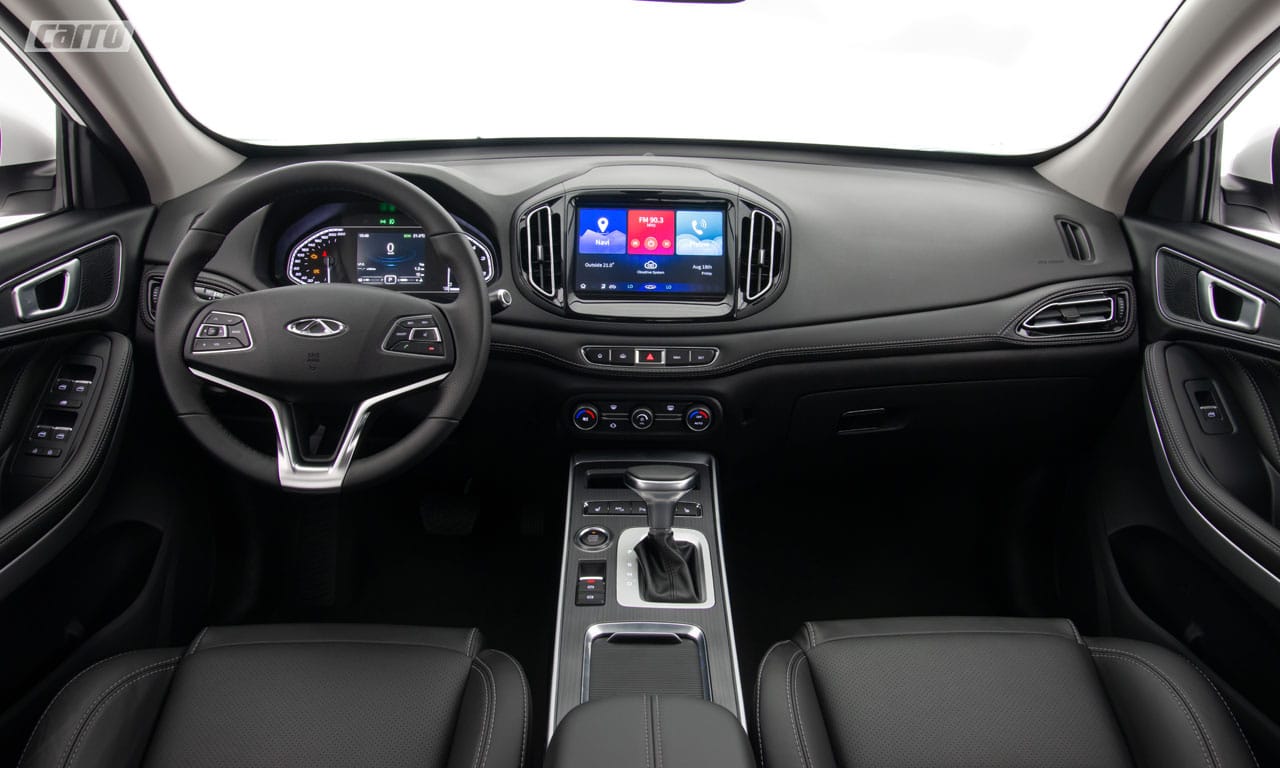
Caoa Chery Tiggo 7 Goes From 500 to 2,000 Monthly Sales, Offers Up to 187 Hp, 525 Liters of Trunk Space, and 5 Years of Warranty for a Price Lower Than Compass and Corolla Cross.
In 2021, when the Caoa Chery Tiggo 7 entered the Brazilian market, few believed in its success. Sales were modest and barely surpassed 500 units per month, while the public still showed strong resistance to Chinese brands in the medium SUV segment. Three years later, the scenario has changed radically. The same model that faced skepticism now registers an average of 2,000 registrations per month and has secured third place among the best-selling medium SUVs in Brazil, consolidating one of the largest recent commercial turnarounds in the national automotive sector.
The Pricing Strategy That Changed the Game for Caoa Chery
Caoa Chery identified that the problem was not in the product, but in the positioning. In February 2024, it launched the Tiggo 7 Sport version for R$ 134,990, placing a medium SUV at the price of compact models like Nivus and Pulse.
The market’s response was immediate. Sales jumped from 522 units in February to 1,745 in March, the first month with the complete Sport version. The growth tripled in just 30 days and completely changed the model’s standing within the segment.
-
A French brand placed a car on four huge red balloons to prove that its suspension made the vehicle “float,” and the surreal scene became one of the most iconic and unusual images in automotive history.

-
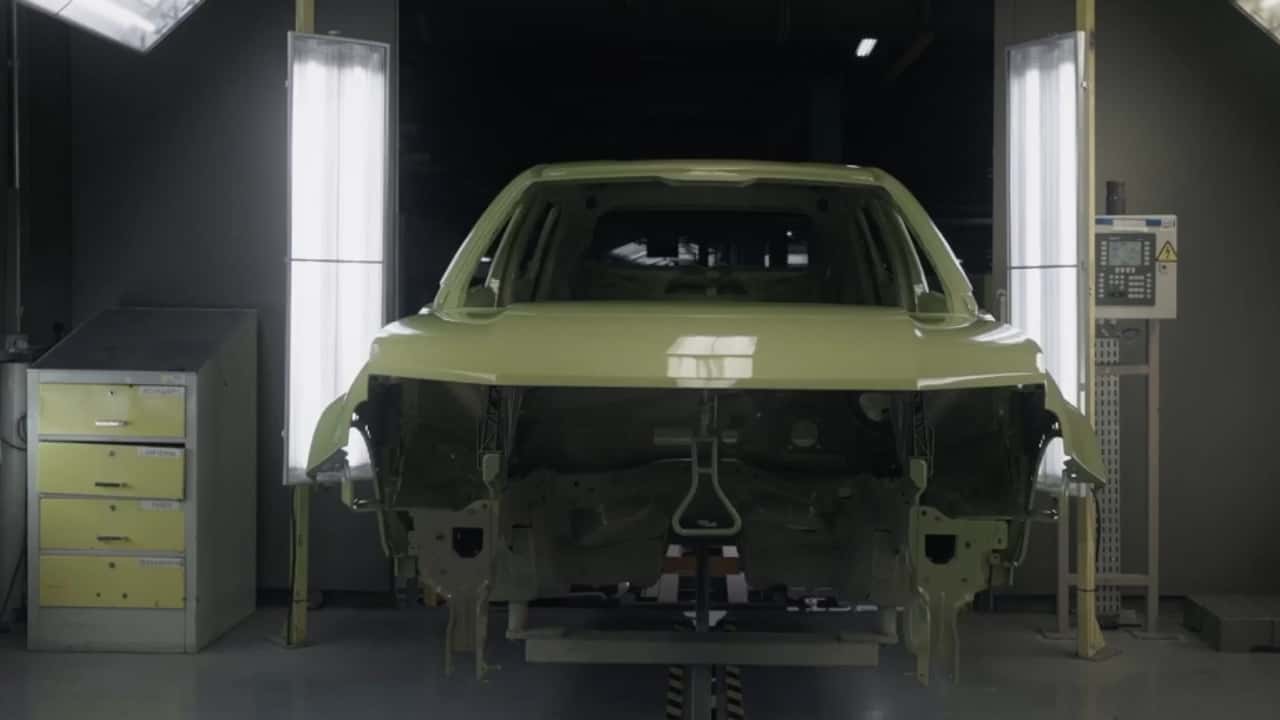
Jeep Avenger begins production in Brazil, debuting as the brand’s new entry-level SUV and inaugurating an unprecedented phase by becoming the first national Jeep manufactured outside of Goiana, as part of a R$ 3 billion plan.
-
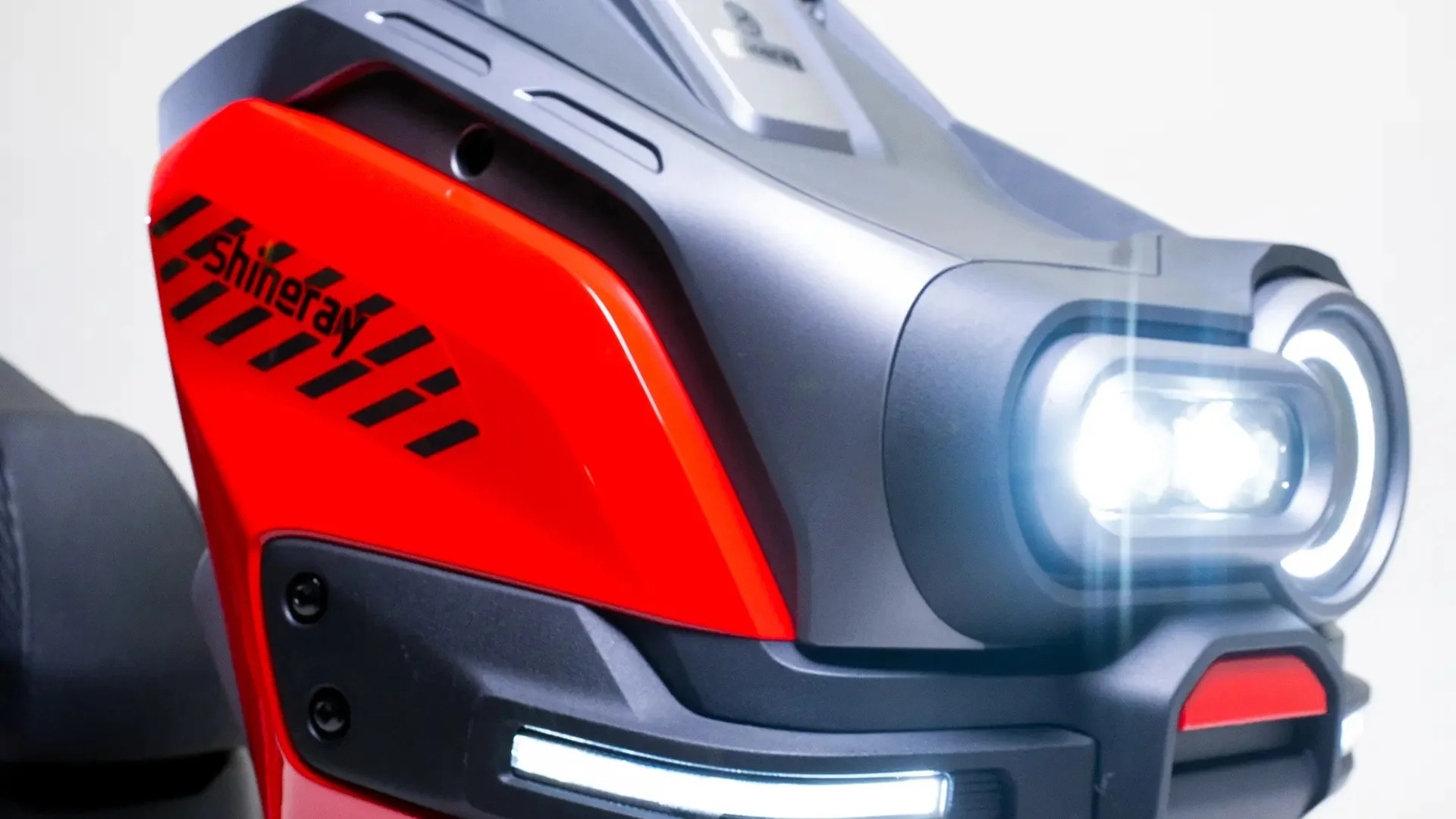
Costing R$ 12,490, the new Shineray Urban Lite 150 “cheap one” arrives in Brazil with a CVT transmission, digital dashboard, and LED lights, making it more affordable than the Biz and targeting those who want to abandon the bus.
-
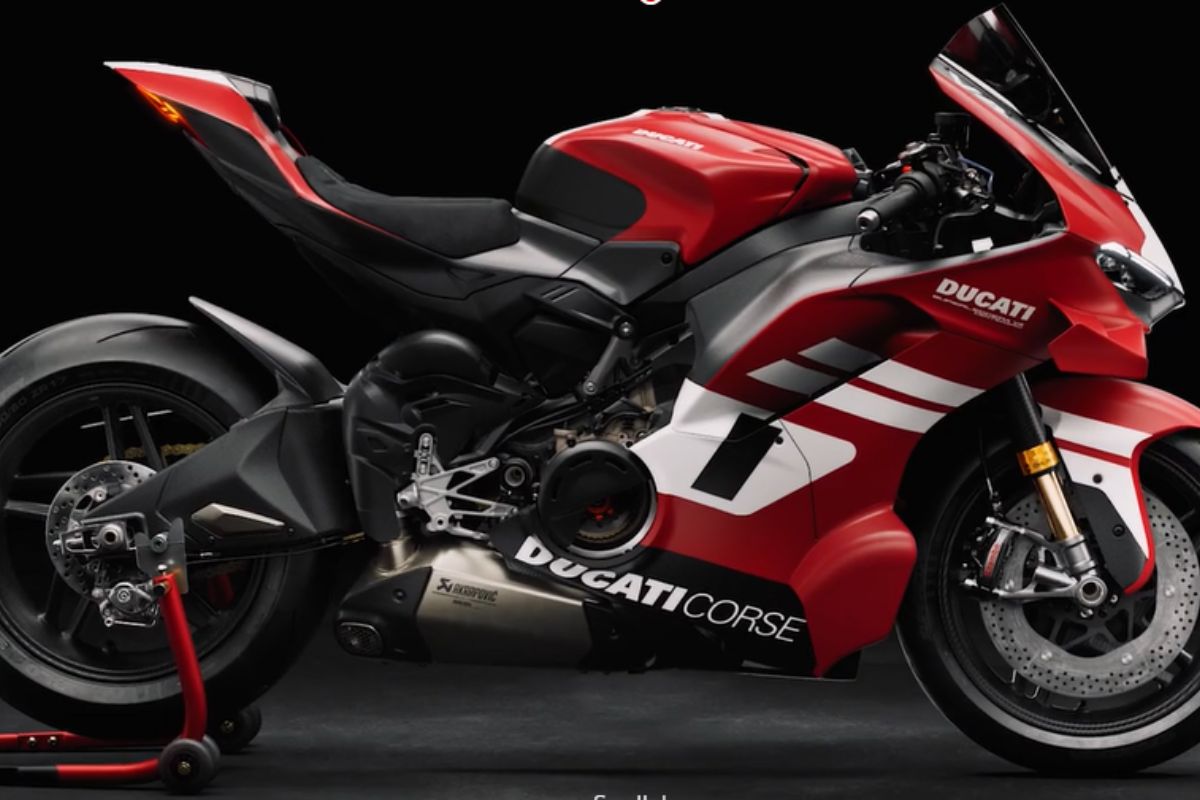
Ducati brings to Brazil the Superleggera V4 Centenario: 228 hp that become 247 with a track kit, carbon fiber and carbon-ceramic brakes, estimated price between R$ 1.5 and 2 million, deliveries only in 2027.
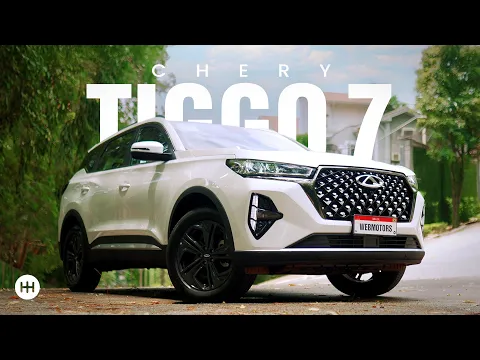

The Sport version, responsible for approximately 95% of sales, features a 1.5 turbo engine with 150 hp and 21.4 kgfm of torque, paired with a CVT transmission that simulates nine gears. The acceleration from 0 to 100 km/h occurs in 10.7 seconds, focusing more on efficiency and comfort than on sportiness.
Meanwhile, the Max Drive version elevates performance levels with a 1.6 turbo engine producing 187 hp and 28 kgfm, combined with a seven-speed dual-clutch DCT transmission. The SUV accelerates from 0 to 100 km/h in 8.1 seconds and reaches a declared top speed of 200 km/h, figures that directly compete with the Jeep Compass 1.3 turbo.
Fuel Consumption and Range of the Caoa Chery Tiggo 7
Even with 187 hp, the Tiggo 7 Max Drive has competitive fuel consumption for the category. In mixed use with gasoline, it records 10.8 km/l and can achieve 11.7 km/l on the highway. With ethanol, the numbers are 7.2 km/l in the city and 8.5 km/l on highways.

The 51-liter tank ensures a range of over 550 km with gasoline, which positions the model in line with the main Japanese and American competitors in the segment.
Above-Average Interior Space and Trunk Capacity
At 4.50 meters in length and 2.67 meters in wheelbase, the Tiggo 7 stands as a true medium SUV, not a disguised compact. The interior space accommodates five occupants with adequate comfort for long trips.
The 525-liter trunk is one of its major differentiators. It surpasses the Compass (438 liters), Corolla Cross (487 liters), and even the Volkswagen Taos (520 liters), making it a strong selling point for families prioritizing cargo capacity.
Equipment, Technology Package + Local Production and 5-Year Warranty
The model features two 12.3-inch screens, forming an integrated digital dashboard and multimedia center. Android Auto and Apple CarPlay work wirelessly, a feature still restricted in many competitors in the price range.
The package includes six airbags, stability and traction controls, electronic parking brake with Auto Hold, power-adjustable driver’s seat, and dual-zone digital air conditioning, positioning the Tiggo 7 as one of the most complete in the category in terms of cost-effectiveness.

Produced in Anápolis (GO), in a factory with a capacity of 150,000 vehicles per year, the model gained competitiveness through nationalization. Local production reduces logistical costs and allows for quick adjustments in supply according to demand.
The five-year warranty with no mileage limit is another differentiator compared to Jeep, Toyota, and Volkswagen, which offer three years. The maintenance costs are fixed and competitive within the segment.
Sales Figures and Market Impact
In 2024, the Tiggo 7 recorded 30,892 units sold, peaking at 3,026 registrations in March. The success generated wait times that reached 150 days, forcing the automaker to increase shifts at the factory.
The aggressive entry of the Sport version forced competitors to reassess their prices and commercial strategies. Models like Compass and Taos began to offer discounts and promotional campaigns to maintain competitiveness.
Weaknesses and Limitations
The Sport version does not offer advanced driver assistance systems (ADAS), such as autonomous emergency braking and adaptive cruise control. These features are restricted to higher versions.
The 1.5 engine uses multi-point injection instead of direct, a choice that reduces costs but slightly impacts efficiency and performance. Nevertheless, maintenance tends to be simpler and more tolerant of local ethanol.
Buyer Profile and Brand Perception
In 2021, the buyer was primarily an early adopter willing to take a risk on a new brand. In 2025, the profile shifted to middle-class families and pragmatic entrepreneurs who analyze cost-benefit rationally.
The stigma against Chinese vehicles has weakened with the expansion of the dealership network, availability of parts, and significant increase in sales. Perception has evolved alongside the brand’s presence in the market.
The Caoa Chery Tiggo 7 is not the most refined SUV in the segment, nor the most technological. But it offers space, power, equipment, and warranty at a price significantly lower than direct rivals.
Ignored in 2021, it has become respected in 2025. The combination of aggressive pricing, local production, and a competitive package has turned the model into one of the biggest commercial turnaround cases in the recent Brazilian automotive market.









Seja o primeiro a reagir!