





 Portuguese
  English
  Spanish
 3 min of reading
  0 comments



Driven By Oil And One Of The Largest Industrial Poles In Brazil, Duque De Caxias Establishes Itself As An Economic, Cultural And Educational Power In The Metropolitan Region Of Rio De Janeiro.
Located In Baixada Fluminense And Adjoining The Capital Of Rio De Janeiro, Duque De Caxias Has Become One Of The Richest Cities In The State. The Economic Advancement Of The Municipality Is Linked, Above All, To The Oil Sector, Which Sustains A Powerful Chain Of Industries, Logistics And Jobs.
At The Same Time, The City Also Draws Attention For Investing In Education, Science And Culture, Creating An Uncommon Contrast In Industrial Centers.
Although Many Residents Of The Capital Still View The Region Merely As A Transit Area, Caxias Has Transformed Into A Financial Engine That Directly Influences The Development Of Fluminense. Therefore, The Municipality Has Come To Be Known As The “Locomotive Of Baixada”.
-
Friends have been building a small “town” for 30 years to grow old together, with compact houses, a common area, nature surrounding it, and a collective life project designed for friendship, coexistence, and simplicity.

-
This small town in Germany created its own currency 24 years ago, today it circulates millions per year, is accepted in over 300 stores, and the German government allowed all of this to happen under one condition.

-
Curitiba is shrinking and is expected to lose 97,000 residents by 2050, while inland cities in Paraná such as Sarandi, Araucária, and Toledo are experiencing accelerated growth that is changing the entire state’s map.

-
Tourists were poisoned on Everest in a million-dollar fraud scheme involving helicopters that diverted over $19 million and shocked international authorities.


Oil-Based Economy Places The City Among The Richest In Brazil
A Large Part Of This Economic Strength Comes From The Duque De Caxias Refinery (REDUC), One Of The Largest Units In The Petrobras System.

It Is Here That Millions Of Barrels Of Oil And Natural Gas Are Processed Daily, Supplying Different Regions Of The Country.
Moreover, Around The Refinery An Enormous Industrial And Logistical Hub Has Grown. Companies In The Chemical, Petrochemical And Transportation Sectors Have Set Up In The City, Taking Advantage Of The Strategic Location Close To Washington Luís Highway And The Metropolitan Arch.
This Facilitates The Flow Of Production And Reduces Operational Costs.
As A Result, Duque De Caxias Has Ranked Among The Municipalities With The Highest Gross Domestic Product In Brazil. This Revenue Strengthens Public Finances And Enables More Investments In Services, Education And Infrastructure.
Business Tourism And Jobs Keep Up With The Sector Advancement
With The Economy Revolving Around Oil, The Municipality Has Also Become A Hub For Corporate Tourism.
Executives, Technicians And Representatives Of Large Companies Circulate Daily Through The City, Which Boosts Hotels, Restaurants And Event Centers.
This Constant Flow Generates Direct And Indirect Jobs, Expanding Opportunities For Local Residents. At The Same Time, It Strengthens The Local Trade, Which Benefits From The Presence Of Professionals From Outside.
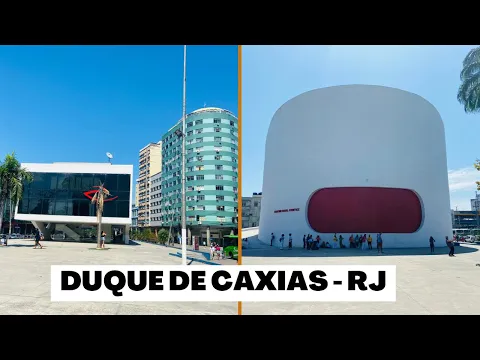

Despite Its Industrial Profile, Duque De Caxias Surprises By Investing In Education And Culture. One Of The Main Symbols Of This Change Is The Ciência E Vida Museum, The First Scientific Museum In Baixada Fluminense.
The Space Includes A Planetarium And Interactive Exhibitions That Bring Children And Young People Closer To Scientific Knowledge.
Another Highlight Is The Cultural Complex Designed By Oscar Niemeyer. It Houses The Raul Cortez Municipal Theater And The Leonel Brizola Municipal Library, Which Expanded The Public’s Access To Books, Shows And Cultural Events.
While Oil Drives The Economy, These Initiatives Help To Shape New Generations Better Prepared, Creating A Cycle That Goes Beyond Heavy Industry.









-

Uma pessoa reagiu a isso.