





 Portuguese
  English
  Spanish
  5 min of reading
  2 comments


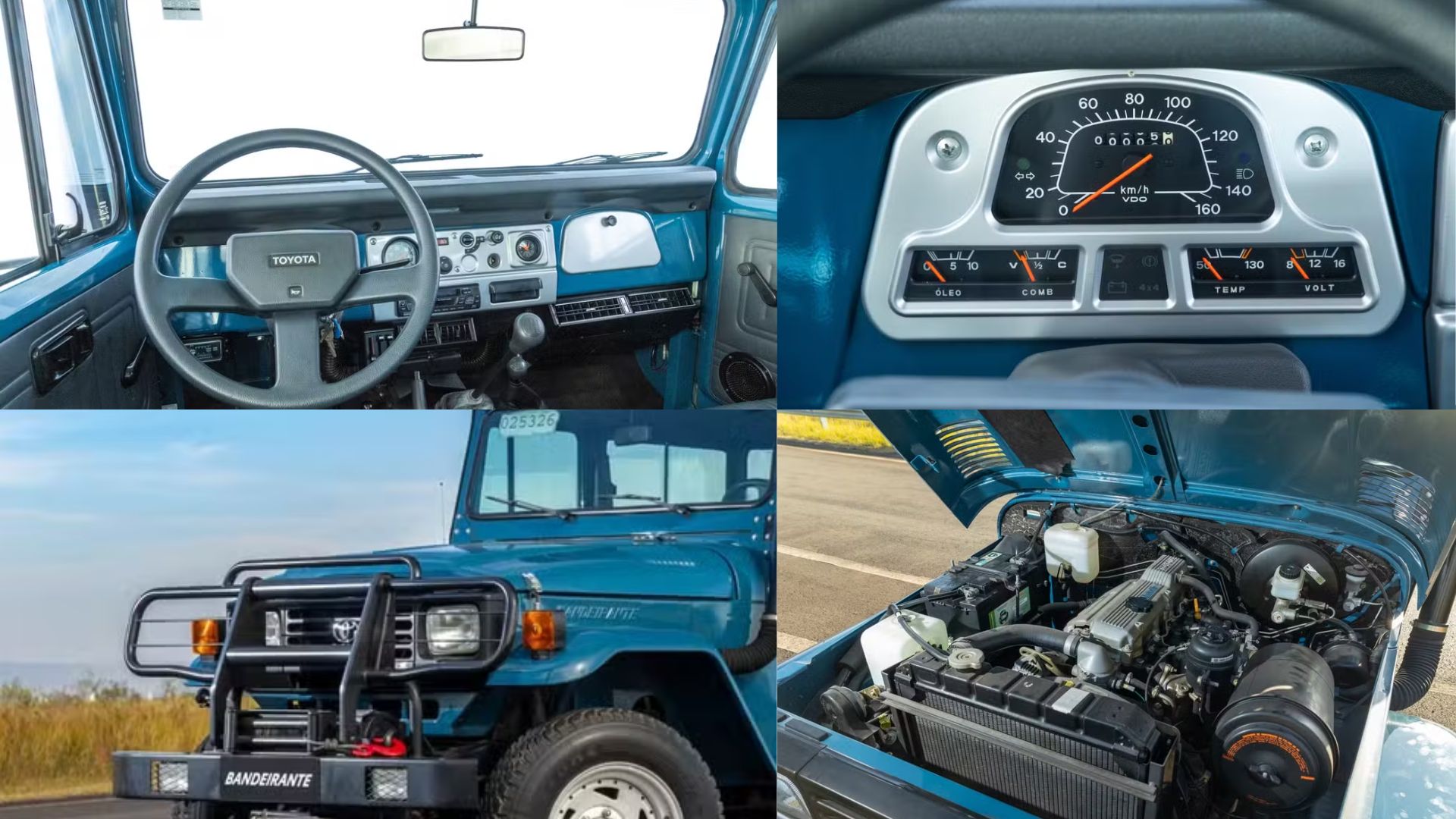


Icon Of The Brazilian Off-Road, The Toyota Bandeirante Was Born From The Land Cruiser, Was Produced For Almost Four Decades In The Country And Left Its Mark On Generations Of Workers And Enthusiasts For Its Robustness, Mechanical Simplicity And Incomparable Durability.
The Toyota Bandeirante Consolidated The Brand’s Image Of Reliability In The Country Over Nearly Four Decades Of National Production.
Directly Descendant Of The Land Cruiser, The Utility Was Manufactured In São Bernardo do Campo (SP) Between November 12, 1962, And November 28, 2001, Totaling 104,621 Units.
The Last Of Them, Preserved As A Museum Piece In Sorocaba (SP), Has Only 50 Km Recorded And Was Exclusively Driven By Autoesporte, Highlighting Why The Model Became Synonymous With Robustness.
-
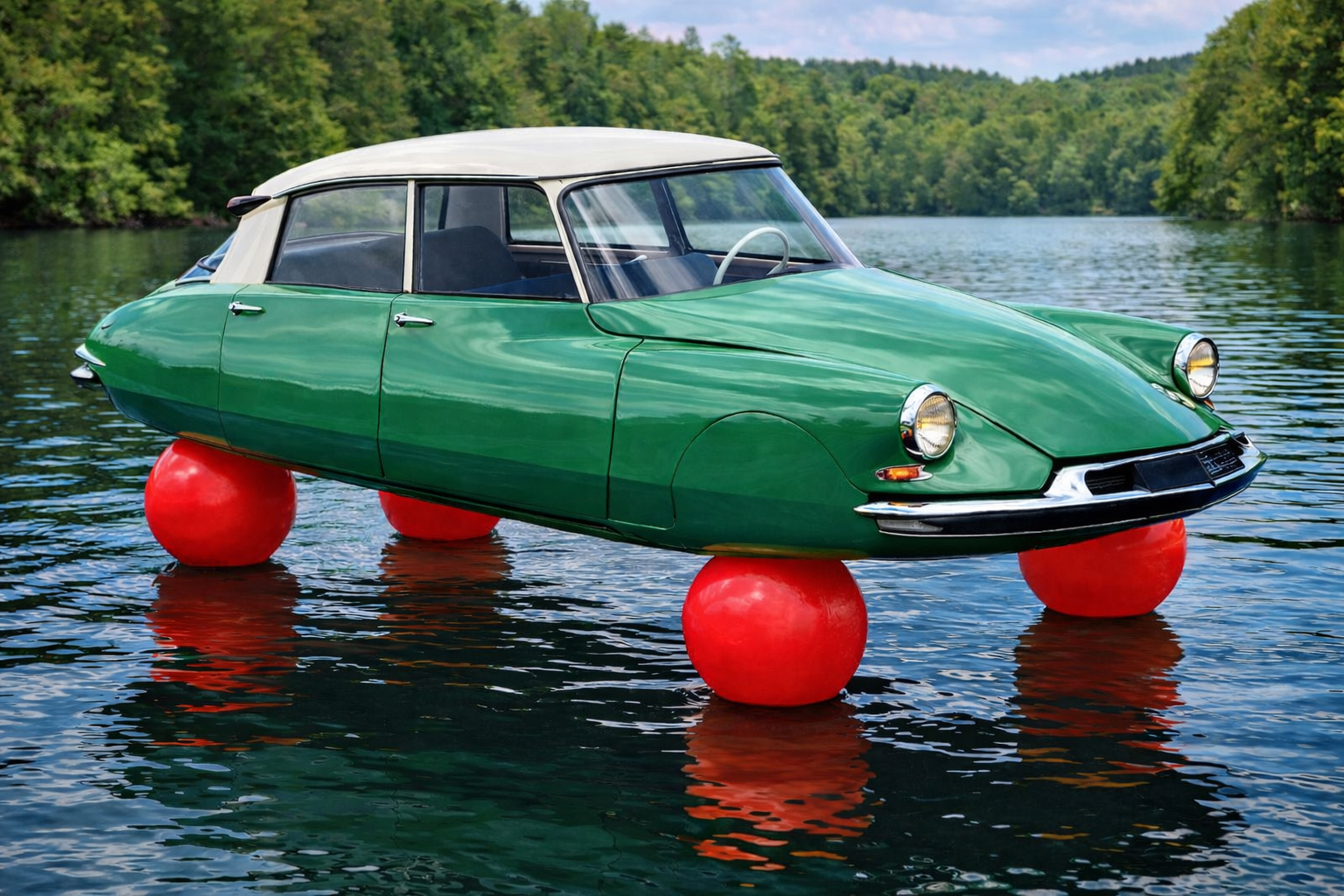
A French brand placed a car on four huge red balloons to prove that its suspension made the vehicle “float,” and the surreal scene became one of the most iconic and unusual images in automotive history.
-
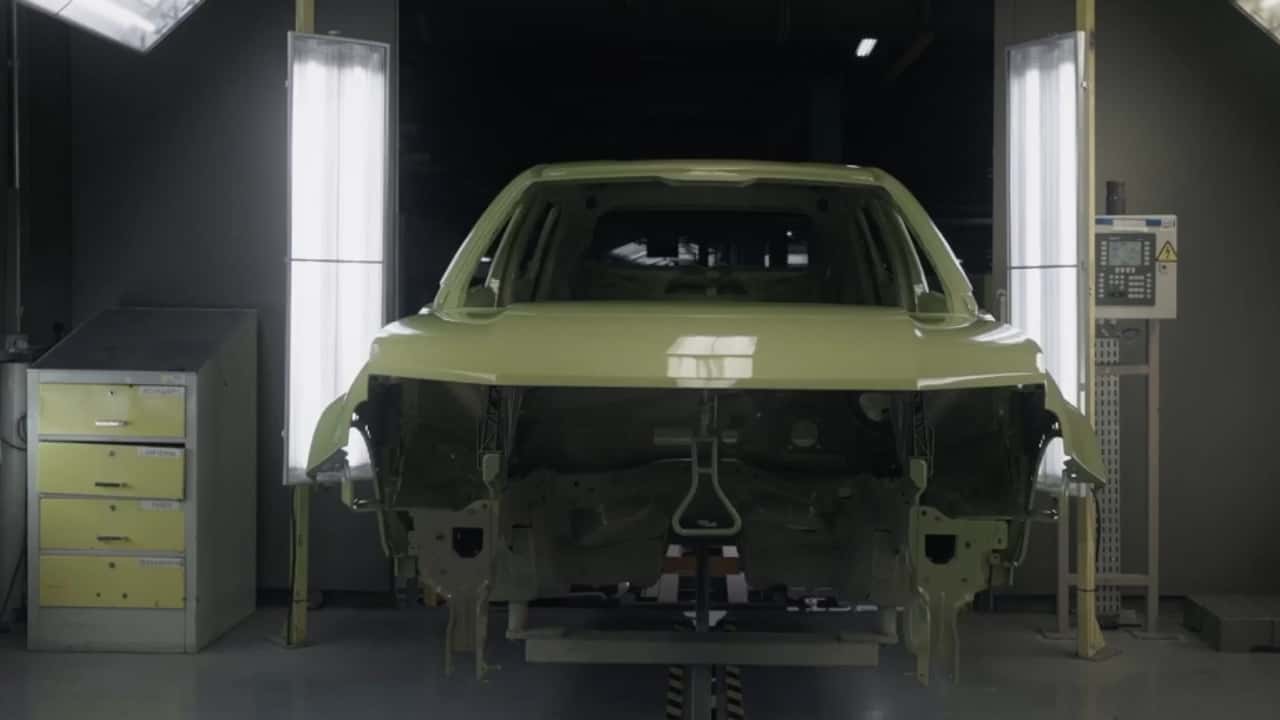
Jeep Avenger begins production in Brazil, debuting as the brand’s new entry-level SUV and inaugurating an unprecedented phase by becoming the first national Jeep manufactured outside of Goiana, as part of a R$ 3 billion plan.
-
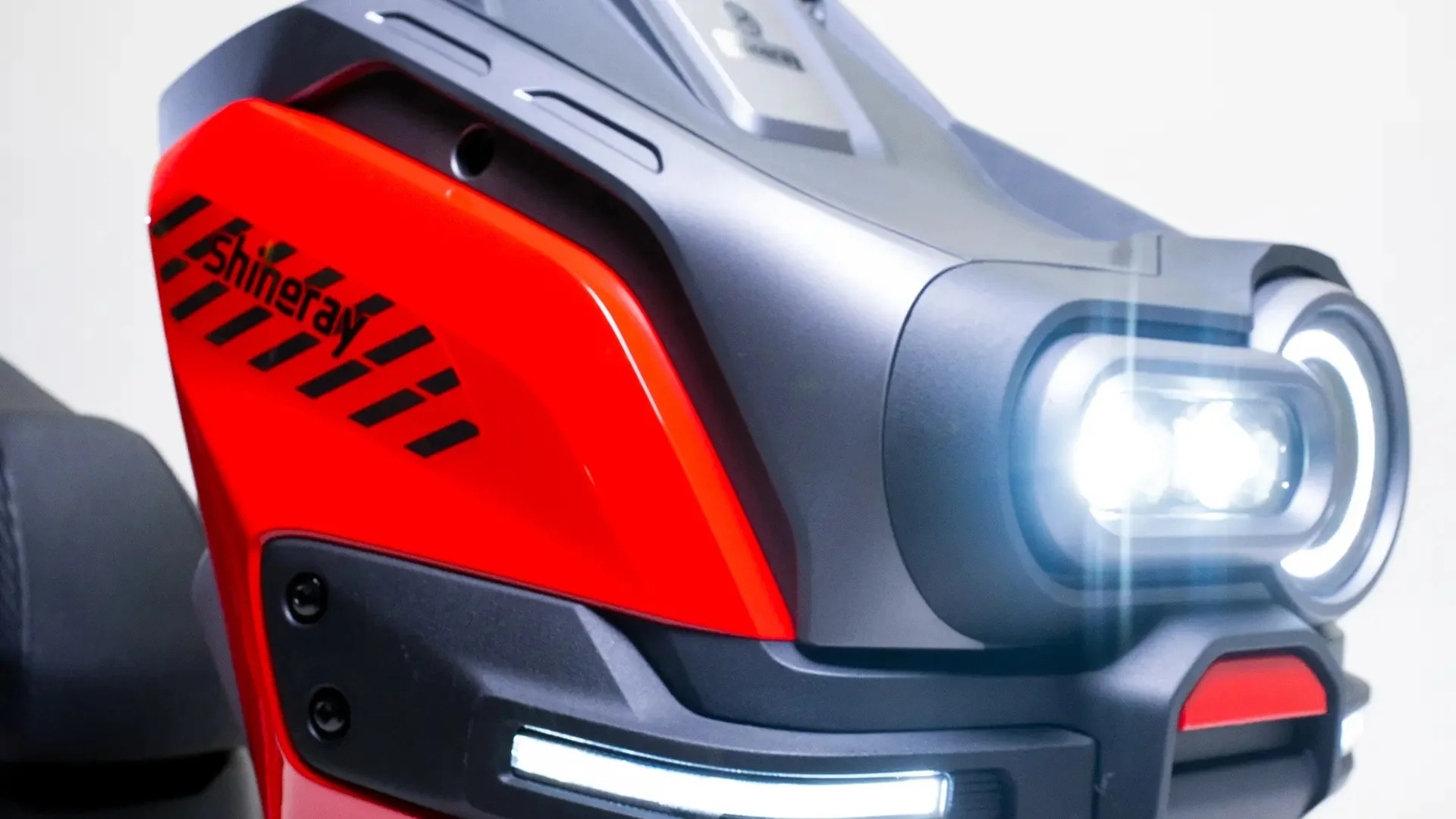
Costing R$ 12,490, the new Shineray Urban Lite 150 “cheap one” arrives in Brazil with a CVT transmission, digital dashboard, and LED lights, making it more affordable than the Biz and targeting those who want to abandon the bus.
-
Ducati brings to Brazil the Superleggera V4 Centenario: 228 hp that become 247 with a track kit, carbon fiber and carbon-ceramic brakes, estimated price between R$ 1.5 and 2 million, deliveries only in 2027.

Military Origin And The Feat At Mount Fuji
The Lineage Begins In 1951, With The BJ Project. To Demonstrate The Resistance Of The Chassis, With A Design Close To Trucks, Test Pilot Ichiro Taira Took A Prototype To The Sixth Station Of Mount Fuji In Japan, Over 2,500 Meters In Altitude.
It Was Registered As The First Vehicle To Reach That Point, In A Test Supervised By The Japanese National Police Agency (NPA).
The Impact Led The NPA To Order 289 Units Of The BJ For Army Patrol. Until 1953, The Jeep Was Used Exclusively For Military Purposes; Subsequently, Civil Production Started Under The Name Land Cruiser.
Arrival In Brazil And Start Of Local Assembly
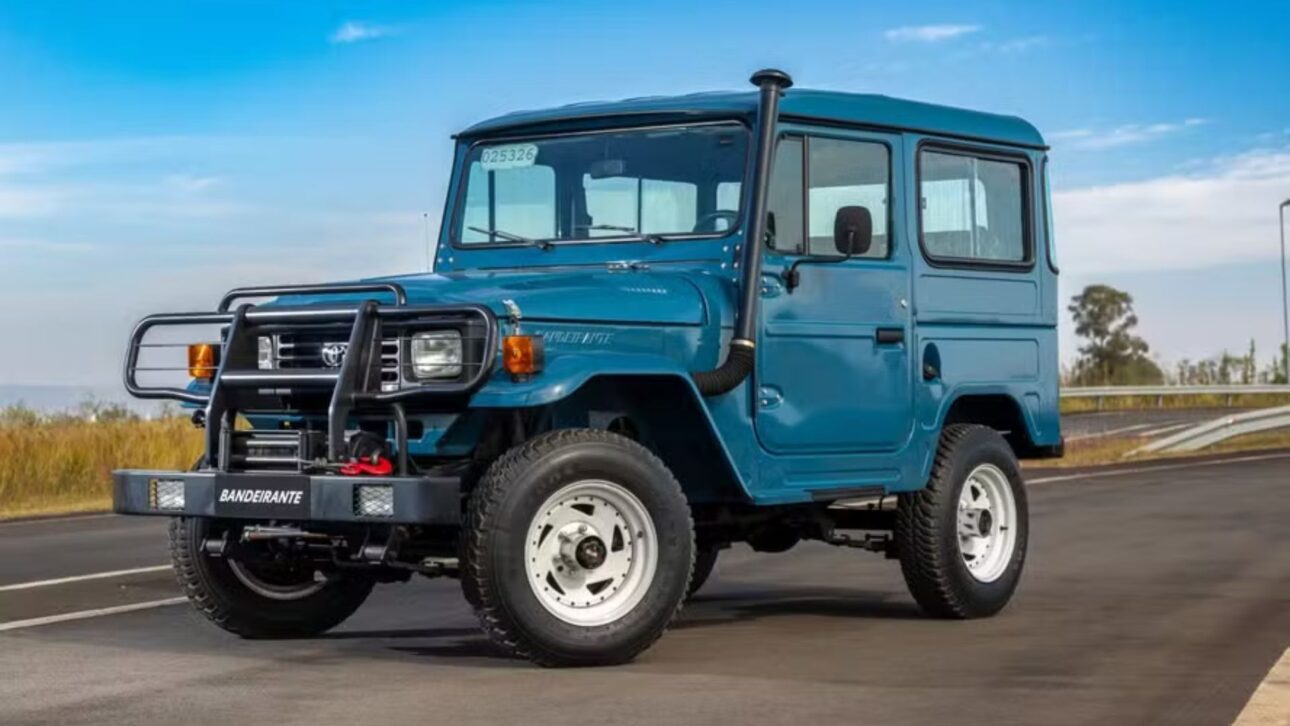
Brazil Met The Model In 1955, Not Brought By Toyota, But By Sociedade Comercial Arpagral Ltda., Which Had A Warehouse In Ipiranga, São Paulo.
The Company Imported Land Cruiser Chassis And Assembled Them With Mercedes-Benz Diesel Engines.
Demand Grew And, In January 1958, Toyota Opened Its First Office In The Center Of São Paulo.
A Few Months Later, In December 1958, The Manufacturer Inaugurated An Assembly Line Also In Ipiranga To Produce The Land Cruiser In CKD (Completely Knock-Down) Mode, Receiving The Vehicle Disassembled For Local Assembly.
This Was The First Time A Toyota Model Was Produced Outside Japan, Just 21 Years After The Company Was Founded In 1937.
Bandeirante Is Born In São Bernardo
In 1961, Toyota Acquired The Land In São Bernardo do Campo And, Starting In 1962, Production Became Fully National.
At This Time, The Name Changed From Land Cruiser To Bandeirante.
The Company Does Not Disclose The Official Reason For The Change; The Most Widely Circulated Hypothesis Refers To The Colonial Period Pioneers, Aligning The Jeep’s Image With The Ability To Conquer Any Brazilian Terrain.
Bodies For All Kinds Of Work
With Expansion Across The Country, The Utility Became A Regular Presence On Urban And Rural Work Fronts. Over The Decades, It Received Multiple Body Configurations.
In Addition To The Steel Roof And Canvas Roof Versions With Short Chassis, There Were Variations Of Medium And Long Chassis, Short And Long Wheelbase Pickups, And Options For Double Cab With Short Or Long Bed.
This Modularity Helped The Bandeirante Occupy Niches Ranging From The Countryside To Infrastructure Works, Including Public Services In Remote Areas.
Why Mercedes Engines For So Long
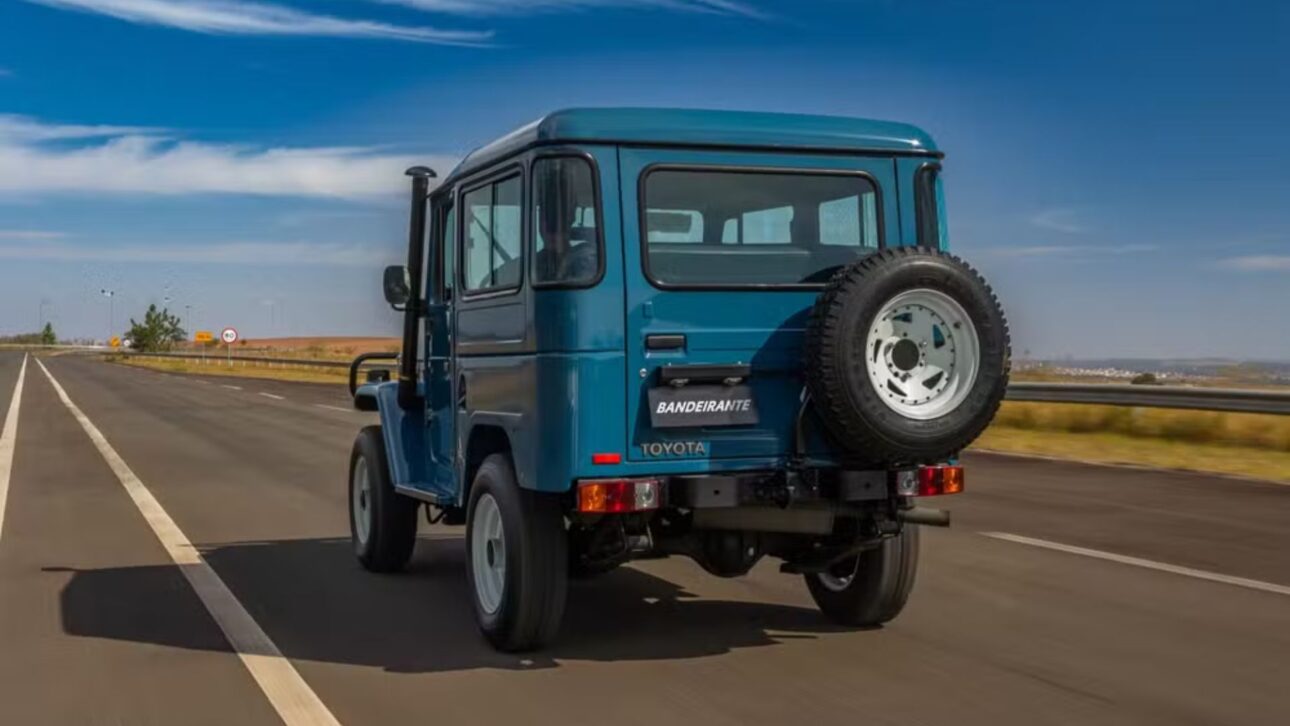
Until The Early 1990s, The Bandeirante Exclusively Used Mercedes-Benz Engines From The OM Family, With Four-Cylinder Diesel Engines Derived From Trucks.
The Decision Had Two Pillars: The Reputation Of Robustness Of These Engines And The Extensive Parts Network Resulting From Mercedes’ Leadership In The Heavy Market In Brazil, Which Simplified Maintenance.
Between 1962 And 1973, The Utility Was Equipped With The OM-324, With 3.4 Liters, 78 Hp, And 17.5 Kgfm. In 1973, The Range Migrated To The OM-314, With 3.8 Liters, 85 Hp, And 24 Kgfm.
Between 1990 And 1994, The OM-364, With 4.0 Liters, 90 Hp, And 27 Kgfm, Was Introduced. Depending On The Application, There Were Manual Transmission Options With Four Or Five Gears And 4×2 Or 4×4 With Low Range.
The Turning Point Of 1994: Toyota 14B Engine
Only Starting From 1994 Did The Bandeirante Receive An Engine From The Brand: The Toyota 14B.
This Is A 3.7 Liters Diesel With Four Cylinders, With 96 Hp And 24.4 Kgfm, Matched To A Five-Speed Manual Transmission And 4×4 With Reduction Box.
This Is The Mechanic Of The Last Unit Produced, Preserved At The Factory In Sorocaba.
The Last Unit: Preserved, Short And With 50 Km
The Final Example Is Of The Short Chassis Version, With 3.93 Meters In Length. Maintained As An Item In The Collection, It Counts 50 Km On The Odometer And Preserves The Factory Condition.
The Body In Pacém Blue Highlights A Set Of Rare Accessories Today: Black Leather Seats, Tow Hook With 40 M Cable, Brush Guard, Snorkel, Fog Lights, Floating Rear Axle, Sports Wheels, Air Conditioning, And Heating.
The Dashboard Features Tachometer, Clock, And Digital AM/FM Radio, Composing A Simple And Functional Environment.
At The Wheel: Truck Feel And Immediate Torque
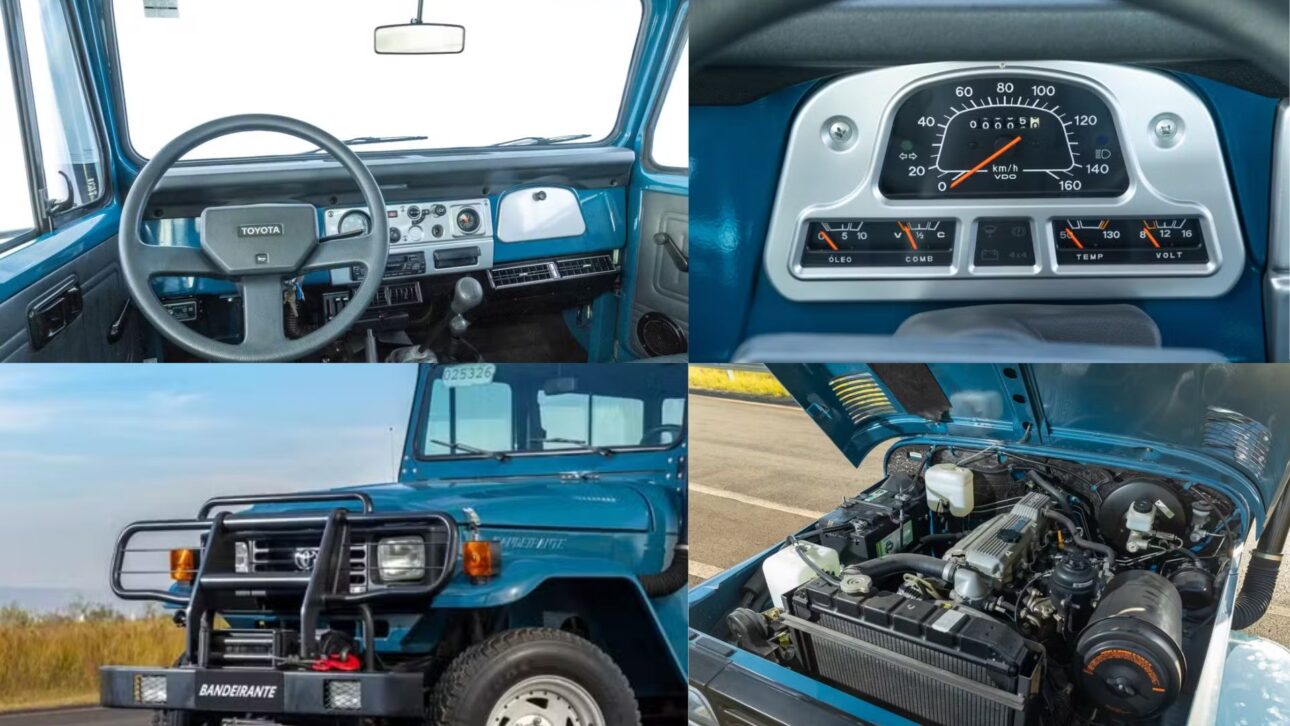
The Driving Position Is Marked By The Single Front Seat, Which Puts The Body In A More Upright Position, Reminiscent Of Truck Cabins. When Turning The Key, The Vibration Of The Engine Invades The Cabin, And The Smell Of Diesel Confirms Its Utility Character.
Even In Brief Driving On The Toyota Testing Ground, Autoesporte Highlighted That The Bandeirante Delivers Torque At Low RPM And Precise Engagements, Characteristics That Made It A Reliable Work Tool In Demanding Operations.
More At Home Off The Asphalt
On Perfect Pavement, The Jeep Seems Out Of Place.
The Natural Habitat Of The Bandeirante Is Trails, Dirt Roads, Sandy Areas, And Inclines That Test Durability And Traction.
Not By Chance, Its Reputation Started With An Extreme Challenge On The Slopes Of Mount Fuji And Was Consolidated By Conquering Adverse Scenarios From North To South Of Brazil.
From A Public Service Agent To A Partner Of Rural Producers, The Model Forged An Image Of A Vehicle That “Does Not Break” Because It Was Designed For Continuous Effort.
Legacy In Industry And Automotive Culture
The Contribution Of The Bandeirante Goes Beyond The 4×4 Market. The Production In CKD In The 1950s And Full Industrialization In The 1960s Helped Establish The Industrial Presence Of Toyota In The Country.
At The Same Time, The Jeep Established A Standard Of Courage And Reliability That Echoes In The Current Lines Of The Brand.
Even Out Of Production Since 2001, It Remains A Reference Among Professionals Who Depend On The Vehicle Daily And Among Enthusiasts Who Appreciate Simple Mechanics And Uncomplicated Maintenance.
What Memories Or Real-Use Stories Do You Have With The Bandeirante — And What Attributes Are Still Missed In Modern Utilities?









Possou um ano 1994
Tenho um Toyota bandeirantes, ano 94!!!
Minha paixão!Viajamos pelo Brasil , com Brutus ( nome de batizado),de Atibaia/SP passando por vários estados ate a Ilha do Marajo.
Foi mágico….inesquecível!