





 Portuguese
  English
  Spanish
  4 min of reading
  4 comments


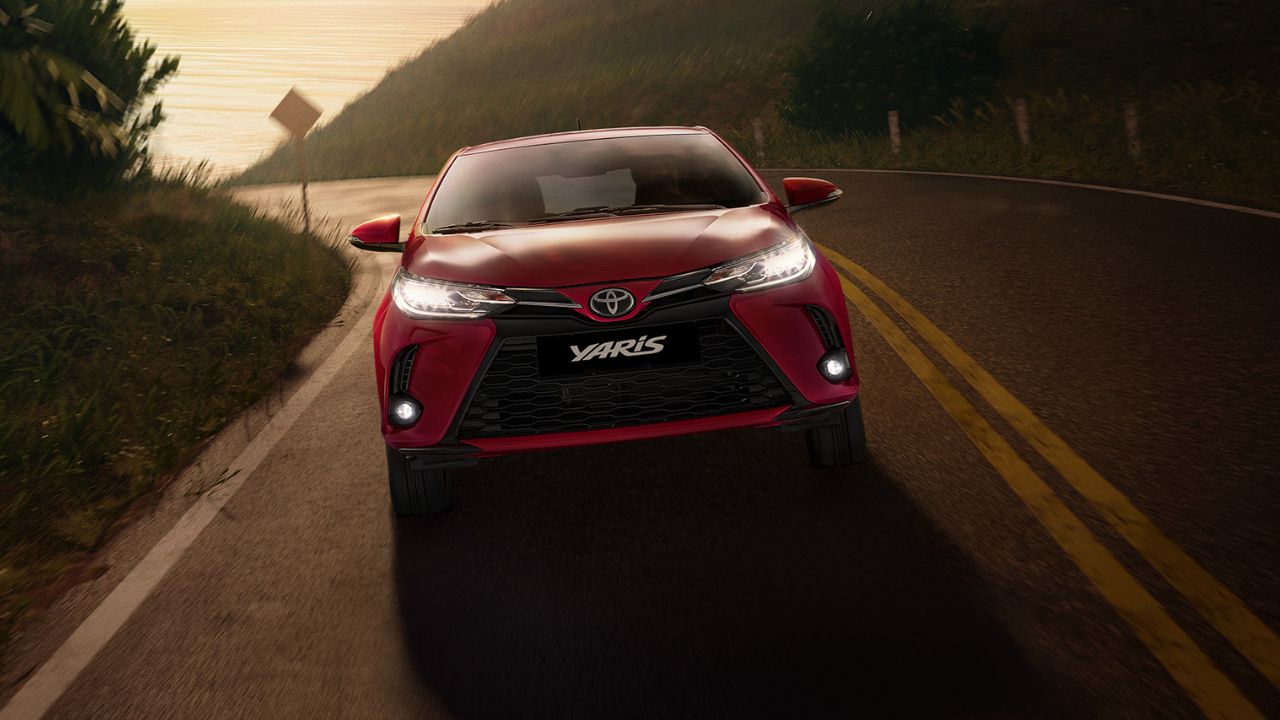


The Japanese Giant Launches in Brazil an SUV That Promises to Revolutionize Consumption With Hybrid-Flex Technology, But the True Cost of Ownership Goes Far Beyond the Fuel Pump.
The launch of the Toyota Yaris Cross Hybrid-Flex is not just the arrival of another SUV in the Brazilian market. It is the materialization of an audacious strategy by Toyota: to use the country’s ethanol infrastructure as the main pathway for decarbonization. While global competitors focus on 100% electric cars, Toyota bets on a solution that combines renewable energy with electric power, promising to reduce dependence on gasoline. But does this technology have a hidden cost?
Why Is Ethanol the Way Forward for Brazil?
Toyota’s decision was not accidental. The Toyota Yaris Cross Hybrid-Flex represents a pragmatic approach, adapted to the reality of Brazil. The automaker uses the mature and vast network of ethanol stations to offer a more viable energy transition for Brazilian consumers.
The vehicle is Toyota’s response to the country’s economic and infrastructure challenges. The bet is that the most practical solution for the driver lies not in an electric charger, but in the fuel station they already know.
-
A French brand placed a car on four huge red balloons to prove that its suspension made the vehicle “float,” and the surreal scene became one of the most iconic and unusual images in automotive history.

-
Jeep Avenger begins production in Brazil, debuting as the brand’s new entry-level SUV and inaugurating an unprecedented phase by becoming the first national Jeep manufactured outside of Goiana, as part of a R$ 3 billion plan.
-
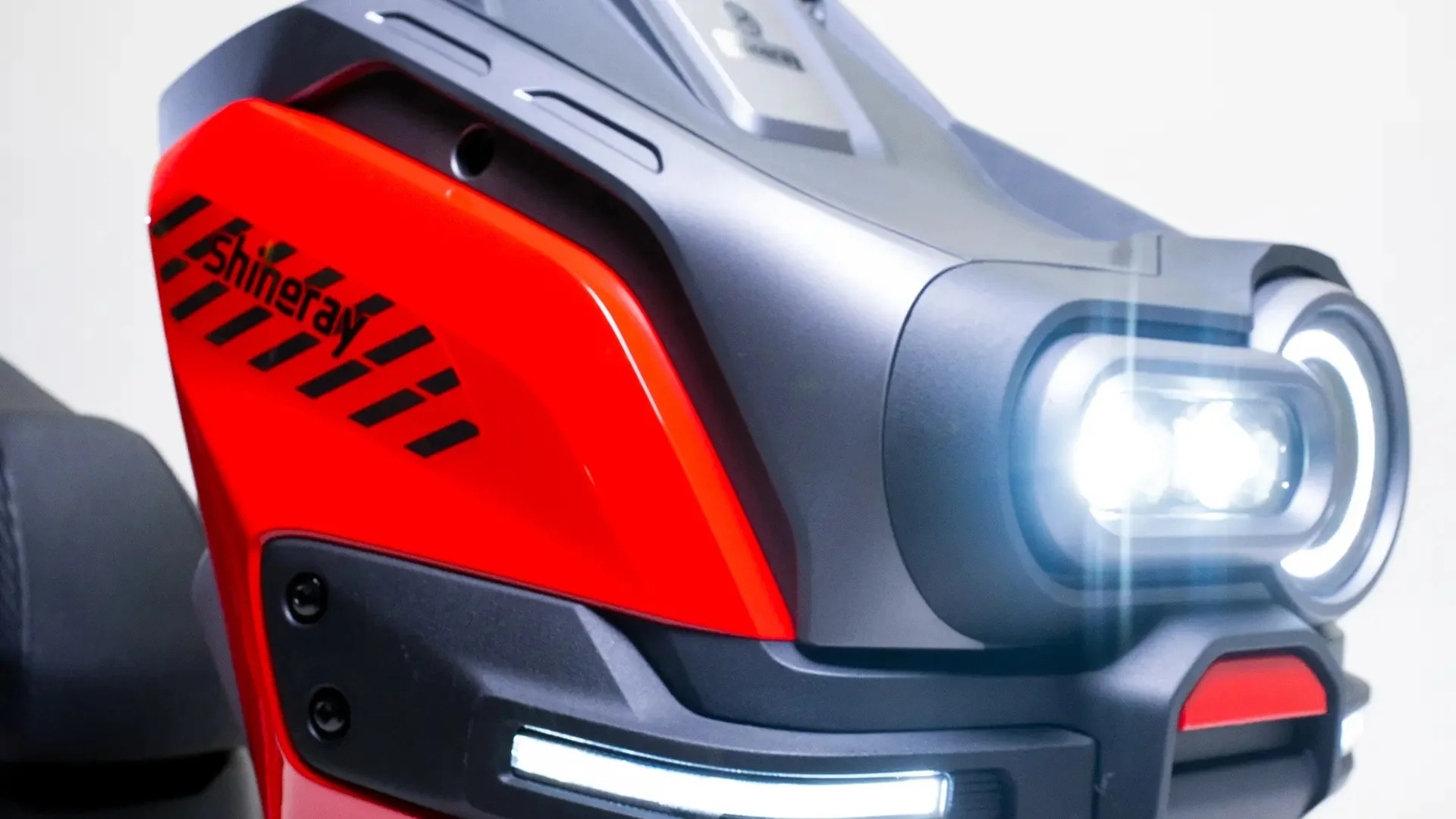
Costing R$ 12,490, the new Shineray Urban Lite 150 “cheap one” arrives in Brazil with a CVT transmission, digital dashboard, and LED lights, making it more affordable than the Biz and targeting those who want to abandon the bus.
-
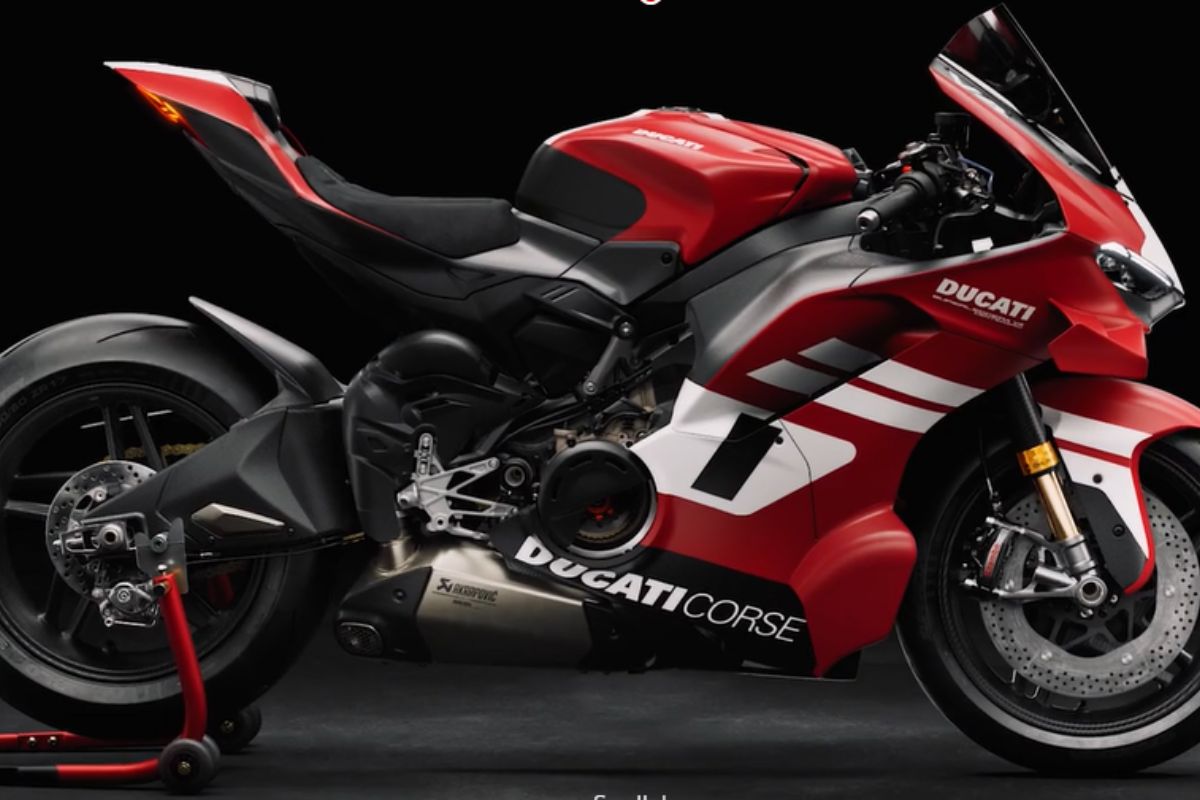
Ducati brings to Brazil the Superleggera V4 Centenario: 228 hp that become 247 with a track kit, carbon fiber and carbon-ceramic brakes, estimated price between R$ 1.5 and 2 million, deliveries only in 2027.

X-Ray of the Toyota Yaris: What’s Under the Hood?
To understand its value proposition, it is necessary to analyze its engineering. The heart of the Toyota Yaris Cross is its “full hybrid” system. Unlike “mild-hybrid” systems, its electric motor can drive the car alone at low speeds, optimizing urban consumption.
The mechanical set combines a 1.5 Atkinson cycle combustion engine, which prioritizes fuel economy, with an 80 hp electric motor. Together, they deliver a combined power of up to 115 hp. The energy is stored in modern lithium-ion batteries, which are lighter and more efficient than the older nickel-metal hydride ones.
Built on the DNGA platform, a variant of the acclaimed TNGA, the Toyota Yaris Cross has compact SUV dimensions but stands out with its 471-liter trunk, surpassing most rivals. The Toyota Safety Sense package, featuring adaptive cruise control and emergency braking, raises the standard for the segment.
The Numbers That Really Matter to Your Wallet
The main promise of the Toyota Yaris hybrid is savings. Toyota’s goal is to certify the car with an urban consumption greater than 20 km/l with gasoline. With ethanol, the expectation is approximately 15 km/l, an excellent figure for biofuel.
This could change the famous “70% rule”, which states that ethanol is only worth it if it costs less than 70% of the price of gasoline. With an efficiency of 75% compared to gasoline (15 km/l on ethanol against 20 km/l on gasoline), ethanol becomes advantageous for the Toyota Yaris whenever its price is below 75% of the gasoline price.
Considering average prices in July 2025 (Gasoline: R$ 6.23; Ethanol: R$ 4.16), the ratio of 66.8% already makes ethanol the cheapest choice for driving.
Unraveling the Real Cost of Owning a Toyota Yaris Hybrid
The true cost of a car goes beyond the purchase and the fuel. A detailed analysis reveals the so-called “hidden costs”.
- Maintenance and Insurance: Maintenance tends to be cheaper than that of conventional cars due to less brake wear and the absence of components like the clutch. Insurance may be a point of concern, with potentially higher premiums due to the complexity of hybrid technology.
- IPVA: Here lies a great benefit. In São Paulo, the Toyota Yaris Cross, being a hybrid and produced in the state, will have total exemption from IPVA in 2025 and 2026. In Rio de Janeiro, the rate is reduced to 1.5%, compared to 4% for common flex cars.
- The Battery: The biggest concern for consumers is the cost of battery replacement. Toyota offers an 8-year warranty for the entire hybrid system. The cost to replace the battery pack is approximately R$ 17,000. Although high, this amount can be diluted over the component’s lifespan. Amortizing over 10 years, the cost would be R$ 142 per month, an amount that can be easily covered by the monthly fuel savings.
Is the Toyota Yaris Hybrid-Flex Worth It for You?


The Toyota Yaris is not for everyone, but it positions itself as an extremely rational option for many.
Against combustion rivals like the VW T-Cross and Hyundai Creta, it falls short on performance, as their turbo engines are more powerful. However, it excels in urban consumption and trunk capacity.
Compared to 100% electric cars, like the BYD Dolphin, its advantage lies in flexibility. There’s no range anxiety or dependence on an infrastructure for charging that is still limited in Brazil. Refueling takes minutes, anywhere.
The ideal choice depends on your profile:
- Urban Driver: For those who drive a lot in the city, fuel savings make the Toyota Yaris an almost unbeatable choice.
- Practical Family: The combination of space, top-notch safety, and low operational cost makes it a strong competitor.
- Performance Enthusiast: Those seeking vigorous acceleration and road performance will find better options among turbo rivals.
In summary, Toyota’s bet on ethanol with the Toyota Yaris Hybrid-Flex is a strategic and intelligent move, perfectly suited to the current Brazilian landscape and with the potential to redefine the segment.









E por acaso tem bateria de carro híbrido ou 100% elétrico mais barata que a do yares híbrido?
Com certeza é meu próximo carro//////Toyota precisa dizer alguma coisa?????
O problema é a demora no lançamento aqui no Brasil. Desde 2024 que a Toyota marca datas para colocar o carro no mercado brasileiro, chega o mês e nada. Ficou para março deste ano, não veio, marcou para julho/2025, não lançou. Agora há boatos nas redes sociais de que o lançamento não será em Júlio e sim em outubro de 2025. Se o lançamento não sair ainda neste ano, comprarei outra marca japonesa, como a Honda que já tenho experiência com dois excelentes veículos. Aguardarei mais um pouco.
Julioooo