





 Portuguese
  English
  Spanish
  6 min of reading
  0 comments


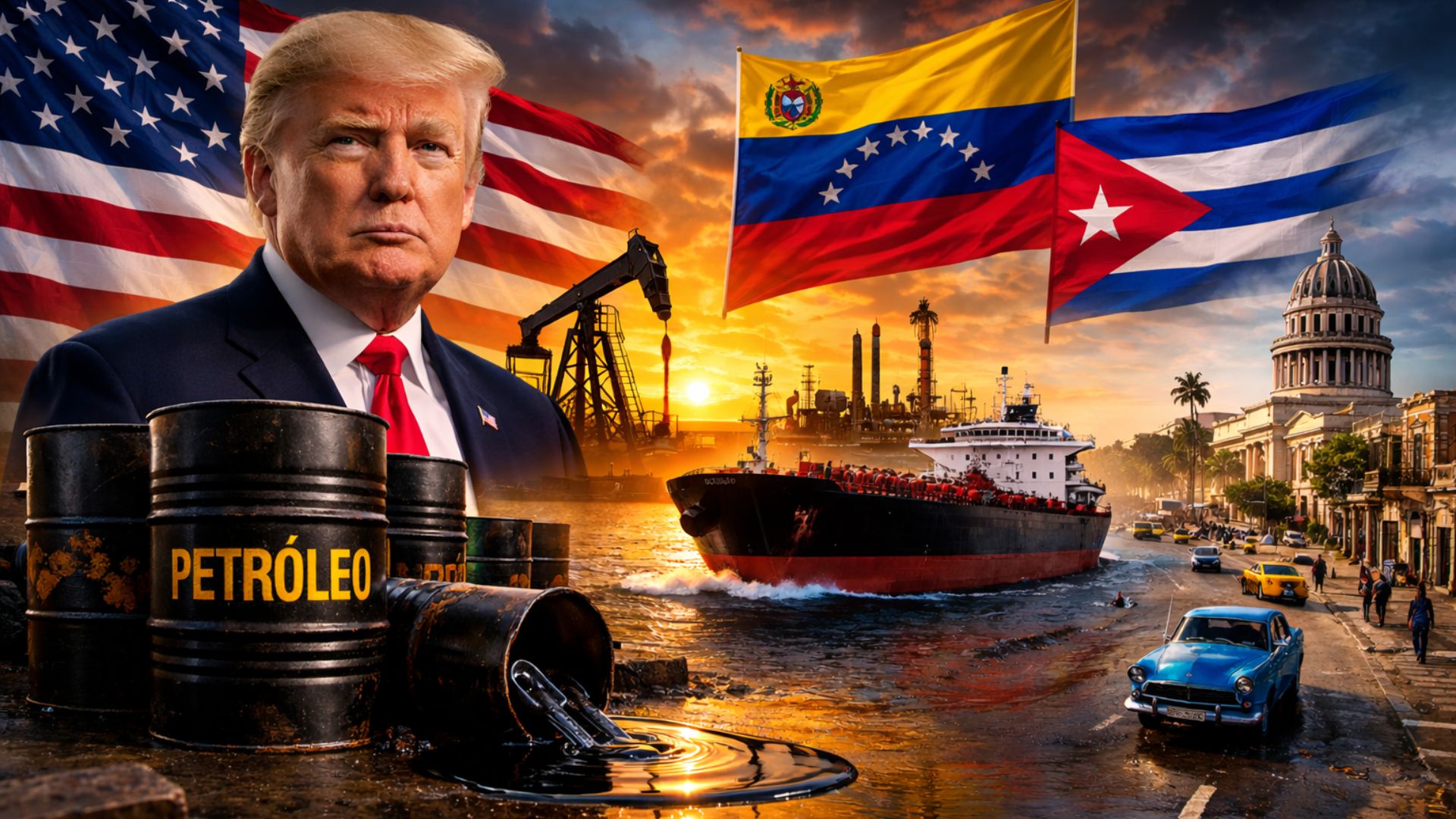
New Measure from the U.S. Allows Resale of Venezuelan Oil to Cuba in an Effort to Reduce Fuel Shortages and Alleviate the Energy Crisis Threatening the Cuban Economy.
The decision by the U.S. to allow companies to apply for licenses to resell oil from Venezuela to Cuba may help ease the severe fuel shortage affecting the Caribbean island. The measure was announced by the U.S. Department of the Treasury in February 2026 and comes at a time of deep energy crisis, marked by blackouts, transportation difficulties, and limitations on economic activity.
According to guidance published by the U.S. government, interested companies will be able to apply for authorization to market oil from Venezuela destined for Cuba, provided that the operations are for commercial or humanitarian purposes. The relaxation follows the disruption of direct shipments of Venezuelan fuel that began in early January 2026, a situation that significantly worsened the fuel shortage in the country.
According to a report published by G1 on Wednesday (25), the measure represents an attempt by the U.S. to avoid worsening the Cuban energy crisis without completely changing the trade rules imposed on the Venezuelan oil sector. Nonetheless, the success of the initiative will depend on the purchasing and financing capacity of the Cuban government and local companies.
-
Petrobras evaluates suspension of sales to distributors and considers canceling the cooking gas auction following guidelines from the Federal Government.
-
Lula reveals a masterstroke by Petrobras to undo a deal made by Bolsonaro, which involves the return of an important refinery that currently produces less than half of what was expected and makes Brazil dependent on international diesel.
-
A study confirms that the natural gas sector will reduce greenhouse gas emissions in Brazil by 0.5% and accelerate the energy transition by 2026.

-
Petrobras implements a severe adjustment and confirms a 55% increase in the price of aviation kerosene with a proposal for installment payments for the companies.


U.S. Authorizes Venezuelan Oil for Cuba Amid Fuel Shortage
The U.S. announced that companies can apply for specific licenses to resell oil from Venezuela to Cuba, opening a new pathway for the island’s energy supply. The decision comes after direct shipments of fuel were interrupted, starting in January 2026, which had a strong impact on the Cuban energy system.
Since Washington began to exercise greater control over oil exports from Venezuela, the regular flow of fuel to Cuba was interrupted. The change occurred after the capture of President Nicolás Maduro, an event that led to a reorganization of Venezuelan energy policy under international influence.
The interruption of shipments has expanded the fuel shortage, which had already been recorded due to financial constraints and logistical difficulties. In various regions, irregular supply began to affect basic services and the mobility of the population.
With the new authorization from the U.S., international companies can act as intermediaries in the sale of fuel, which may allow for a gradual resumption of energy supply.
Historical Dependence on Venezuelan Oil in the Cuban Economy
For over 25 years, Venezuela has been the main supplier of oil to Cuba, under a bilateral agreement that ensured stable supply and special payment conditions. This model allowed the country to maintain electricity generation and internal supply even amid economic constraints.
Cuba’s energy dependence is high because domestic fuel production is insufficient to meet national demand. The supply of Venezuelan oil has become a central element for the functioning of the economy and public services.
When shipments were interrupted in 2026, the fuel shortage quickly intensified. The impact was felt mainly in electricity generation, which heavily relies on derivatives of oil, and in the transportation of goods and passengers.
Without stable supply, sectors such as agriculture, commerce, and industry began to operate with increasingly greater limitations.
International Market Begins to Concentrate Venezuelan Oil
The reorganization of international trade has also influenced the destination of oil from Venezuela. Currently, large trading companies concentrate the majority of Venezuelan exports, acting as intermediaries between producers and buyers.
Millions of barrels are regularly sent to markets such as U.S., Europe, and India. At the same time, other millions remain stored in terminals located in the Caribbean, awaiting new commercial opportunities.
In this context, allowing the sale of oil to Cuba may help increase the number of buyers and reduce pressure on regional stocks. The measure may also make the logistical flow more efficient, taking advantage of the geographical proximity between Venezuela and the Cuban island.
Despite this, supply will depend on the financial capacity of buyers, who will need to meet the commercial demands of international trading companies.


Fuel Shortage in Cuba Concerns U.S. Authorities
The energy crisis and the fuel shortage in Cuba have begun to worry authorities in the U.S., who assess the risk of regional instability if the situation continues to deteriorate.
The authorization for the resale of Venezuelan oil was announced at the same time that Secretary of State Marco Rubio began a diplomatic visit to the Caribbean. The goal of the meetings was to discuss the economic and social impact of the Cuban energy crisis on neighboring countries.
According to the U.S. government, the measure aims to directly support the population and the private sector in Cuba, allowing for the import of fuels intended for productive activities and essential services.
The established rules indicate that operations should benefit the civilian economy. Transactions that involve or favor government or military institutions will not be authorized.
This approach seeks to balance the strategic interests of the U.S. with the need to mitigate the humanitarian effects of the energy crisis.
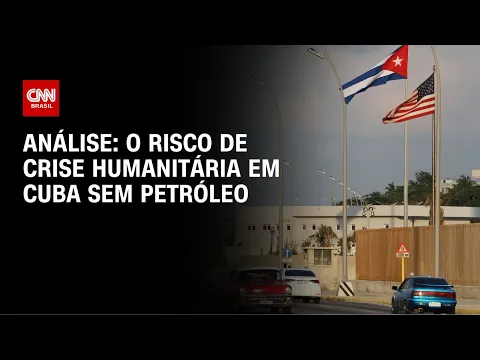
Cuba Still Faces Difficulties in Importing Oil
Even with the authorization from the U.S., there are still doubts about Cuba’s capacity to import sufficient volumes of oil to reduce the fuel shortage.
In recent years, the country has faced difficulties in financing purchases in the international market. Many negotiations require upfront payment or bank guarantees, which limits import possibilities.
Additionally, traditional allies of Venezuela, including Cuba, have been required to pay market prices for oil. In the past, part of the fuel was supplied through special agreements that included trade swaps or differentiated payment.
The change in commercial conditions may hinder the resumption of large-scale supply, even with the relaxation of rules.
U.S. Trade Rules Aim to Alleviate the Cuban Energy Crisis
The Department of the Treasury’s guidelines indicate that trade authorized by the U.S. should prioritize support for the Cuban people and the private sector. The goal is to allow Venezuelan oil to contribute to reducing the fuel shortage without strengthening governmental structures.
The rules allow for exports intended for commercial and humanitarian use in Cuba, including transportation, economic activities, and essential services.
Another important point is that interested companies do not need to be based in the U.S., which expands the potential number of participants in commercial operations. This opening may facilitate the formation of new contracts.
Furthermore, restrictions outlined in a license granted in January for broad exports of Venezuelan oil will not apply to operations intended for Cuba, which may make the process more viable.
Energy and Humanitarian Impacts That May Arise in the Coming Months
The U.S. authorization for the resale of oil from Venezuela to Cuba may represent a partial relief for the fuel shortage, but its effects will depend on economic and commercial factors.
If new contracts are made, the supply of oil could help stabilize electricity generation, reduce disruptions in transportation, and improve fuel availability in the domestic market.
On the other hand, the high cost of imports may limit the volume acquired. Even so, the relaxation of rules represents a concrete alternative to reduce the social impacts of the energy crisis.
The decision by the U.S. indicates an attempt to balance geopolitical interests and humanitarian needs. If the supply is partially restored, the population of Cuba may face fewer difficulties related to energy and transportation shortages.
In this scenario, the resumption of the flow of Venezuelan oil may become a decisive factor in easing economic pressure and reducing risks associated with the prolonged Cuban energy crisis.









Seja o primeiro a reagir!