





 Portuguese
  English
  Spanish
  4 min of reading
  4 comments


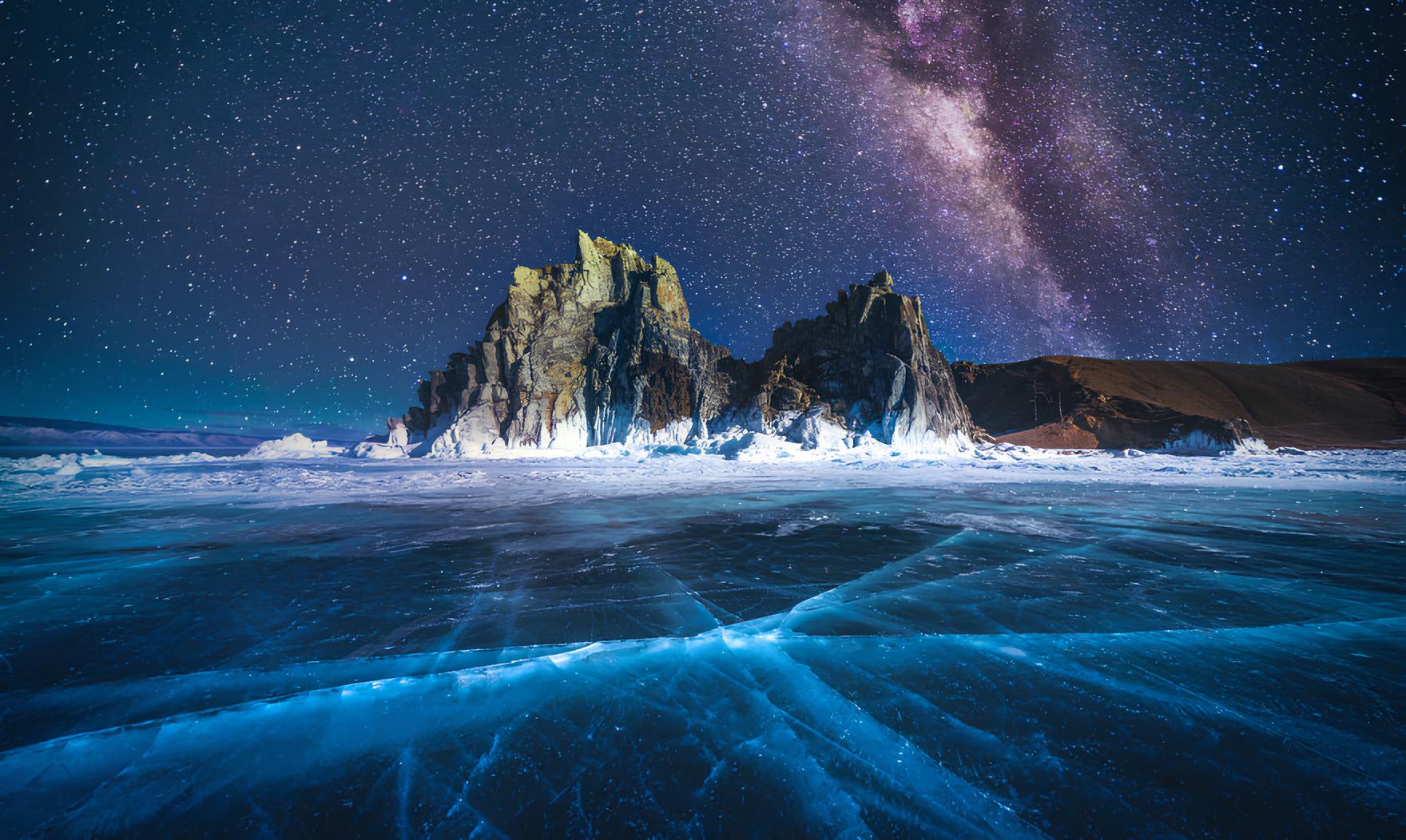


In Siberia, Lake Baikal Holds 20% of the World’s Liquid Freshwater and Is Home to Unique Species Like the Baikal Seal in an Ecosystem That Is 25 Million Years Old.
In the frozen vastness of Siberia, surrounded by mountains and vast forests, lies a nearly untouched natural colossus: Lake Baikal. Known as the “Blue Eye of Siberia,” it is not only the deepest and oldest lake in the world but also the largest reservoir of liquid freshwater on the planet. Its crystal-clear waters contain about 23,000 km³, equivalent to 20% of all the unfrozen freshwater on Earth.
Baikal is so monumental that it holds more water than the five Great Lakes of North America combined. Yet, its significance goes far beyond the numbers: it hosts a unique ecosystem, with species that exist nowhere else on the planet.
A 25 Million-Year-Old Lake
Formed approximately 25 million years ago, Lake Baikal is considered the oldest lake in the world.
-
Extratropical cyclone and cold front generate alerts for storms with winds of up to 90 km/h, occurring between April 6 and 10, advancing through 3 regions and risk of heavy rains in the South, Southeast, and Midwest.
-
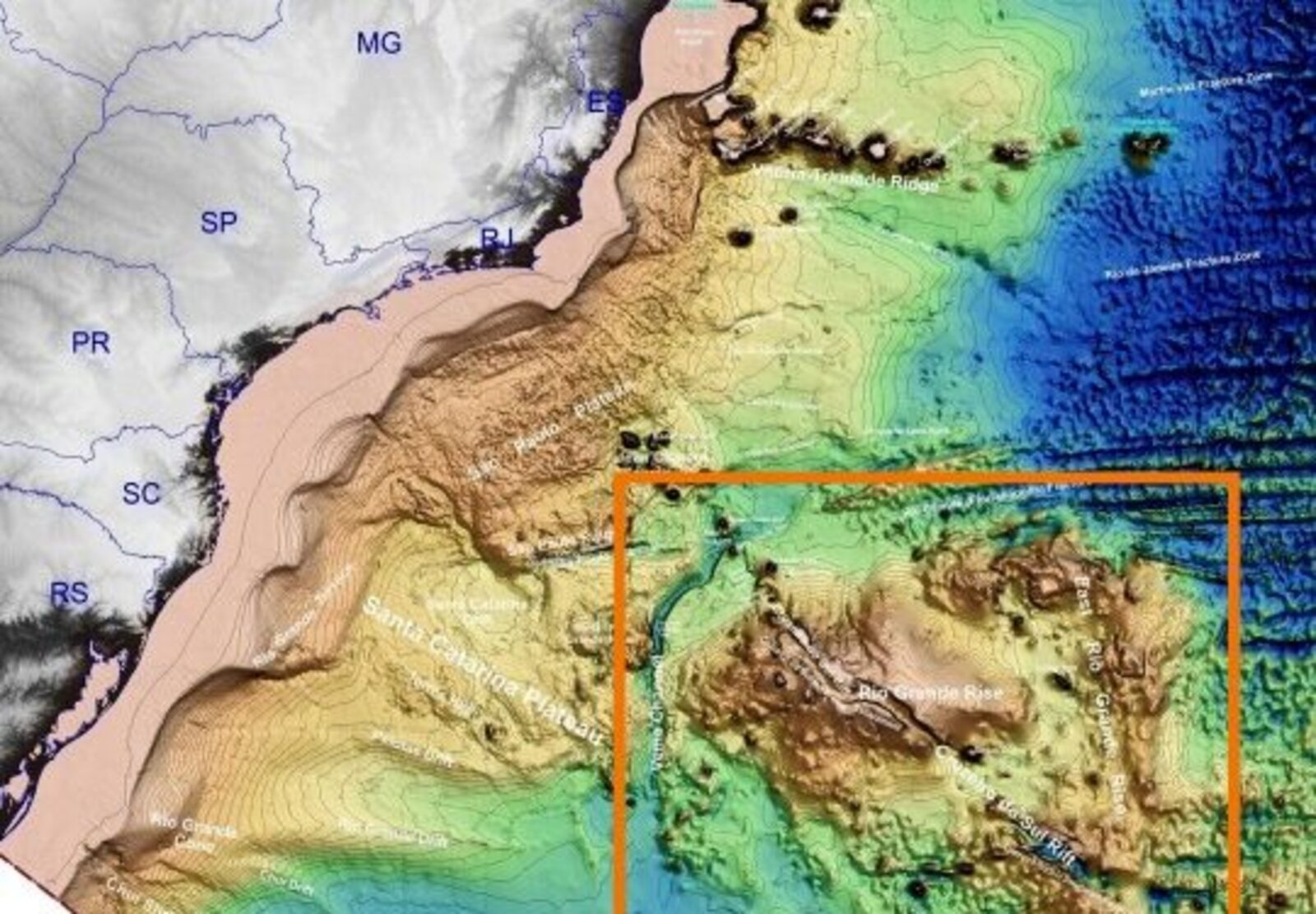
Trapped between layers of lava for 44 million years, an ancient tropical island in the Atlantic is back on the map and puts Brazil in contention for valuable minerals on the seabed.
-
Specialists are urging residents to eat as many wild blackberries as they can because the invasive plant is destroying native species and causing billions of dollars in damages in the United States.
-
At 93 years old, Mr. Francisco completes a 5 km run, is cheered as he crosses the finish line, moves the city, and gives an emotional lesson in strength, discipline, and the will to live.


Its origin is linked to a rare geological process: the separation of tectonic plates, which created a deep, stable rift over millions of years. This feature makes Baikal, in practice, a natural laboratory for biological evolution.
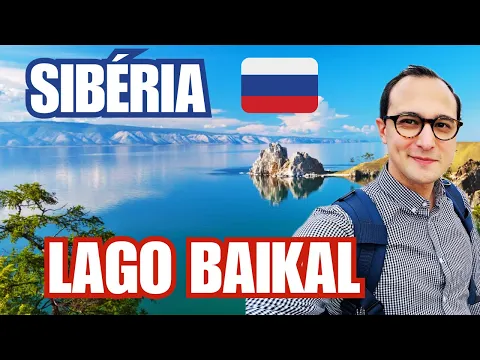

With a maximum depth of 1,642 meters and an average that exceeds 700 meters, it is not only the deepest but also contains the highest biological diversity among lakes.
Pure and Transparent Waters
The water of Baikal is famous for its unmatched purity. Scientists have recorded visibility of up to 40 meters deep, which is extremely rare in lake environments.
This phenomenon is due to the action of microscopic sponges that constantly filter the water, keeping it crystal clear.
This transparency allows direct observation of underwater formations, plants, and schools of fish, creating a unique visual spectacle.
An Exclusive Ecosystem
What truly makes Baikal a unique place is its biodiversity. More than 3,600 animal and plant species have been cataloged, with about 80% being endemic, meaning they exist only there.
Among the most emblematic inhabitants are:
- Baikal Seal (Pusa sibirica) – the only species of freshwater seal on the planet, whose origin remains a mystery to science.
- Golomyanka – a translucent fish that lives at great depths, practically invisible in the water.
- Green Sponges of Baikal – responsible for keeping the water crystal clear, but highly sensitive to environmental changes.
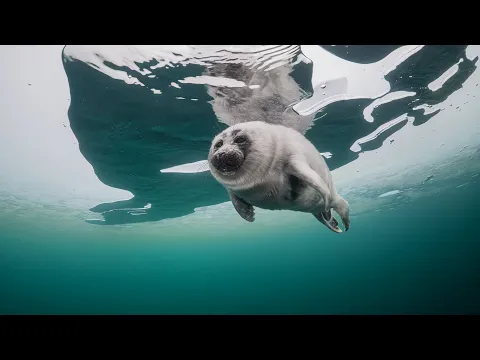
This collection of unique species has earned Baikal the nickname of the “Galapagos of Russia”, a reference to the Ecuadorian archipelago known for its unique biodiversity.
The Natural Laboratory of Science
For scientists, Lake Baikal is more than a natural wonder: it is a living archive of the planet’s history.
Its bottom holds sediments that tell, layer by layer, 25 million years of climatic evolution. Studying these records helps understand how Earth’s climate has changed over the ages and how it may behave in the future.
Moreover, its endemic fauna is the subject of research in evolutionary biology, genetics, and conservation. Each organism found there represents a window into evolutionary processes that occurred in isolation over millions of years.
Environmental Challenges of Lake Baikal
Despite its grandeur, Lake Baikal faces rising threats. Industrial pollution, deforestation in nearby areas, and uncontrolled tourism are risking its ecological balance.
In recent years, scientists have observed sponge bleaching, a phenomenon that compromises water quality and indicates environmental imbalance. Additionally, climate change is affecting the lake’s freezing cycle, which traditionally turned it into an ice road during the Siberian winter.
These warning signs reinforce the urgency for conservation measures. After all, losing Baikal would be not only a local environmental disaster but a global tragedy.
World Heritage
Recognizing its importance, the UNESCO declared Lake Baikal a World Heritage Site in 1996. Today, various organizations work to protect its biodiversity and ensure that it continues to be a source of knowledge, life, and pure water for future generations.
To look at Baikal is to witness a rare balance between time, life, and water. It is a mirror of Earth’s history, a repository of unique biodiversity, and a reminder that the greatest treasures of the planet are not made of gold or oil, but of something even more valuable: water.
If humanity can preserve this blue giant, Lake Baikal will continue to be a beacon of life and science for millions of years — a true liquid heart of the Earth.








Realmente espetacular a matéria sobre o lago Baikal, já havia visto um documentário a respeito do lago, porém,a matéria foi muito completa.
Parabéns
Li que já viram ets lá
Larga mão docê sê **** trem!
Fantástica a matéria sobre o Lago Baikal. Parabéns!