





 Portuguese
  English
  Spanish
  3 min of reading
  1 comment


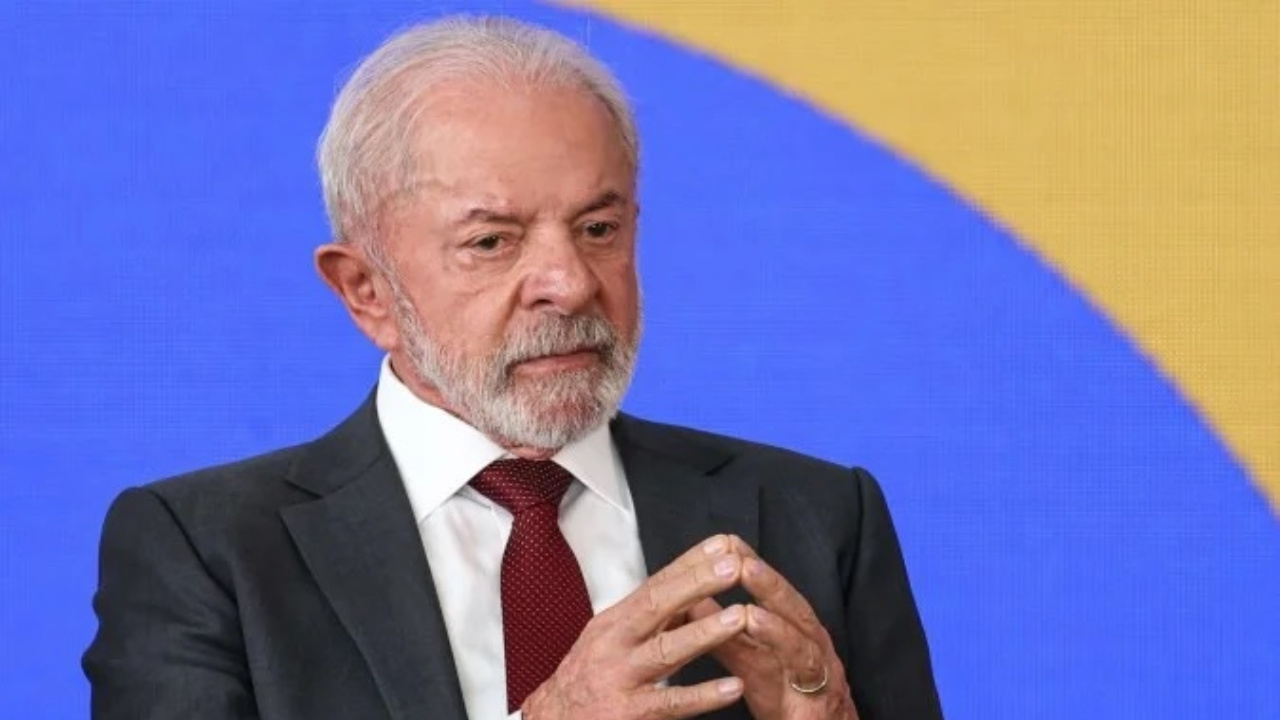


Sindipetro-RJ and Other Unions Call for Protest to Pressure the Lula Government and Petrobras to Send Brazilian Oil to Cuba Amid Severe Energy Crisis Caused by the US Blockade.
A protest organized by the Oil Workers Union of Rio de Janeiro and various trade federations promises to shake the streets in the coming days. According to the organizers, the mobilization seeks to pressure President Luiz Inácio Lula da Silva and the state-owned Petrobras to send Brazilian oil to Cuba, which is facing a deep energy crisis after the US-imposed oil blockade and the interruption of Venezuelan exports.
The movement has gained strength in recent days. For the oil workers, Petrobras has the capacity to help the Caribbean island without harming domestic supply.
The central idea: the volume of oil that Cuba needs for a year would be less than one week’s worth of production from the Brazilian state-owned company.
-
Petrobras evaluates suspension of sales to distributors and considers canceling the cooking gas auction following guidelines from the Federal Government.
-
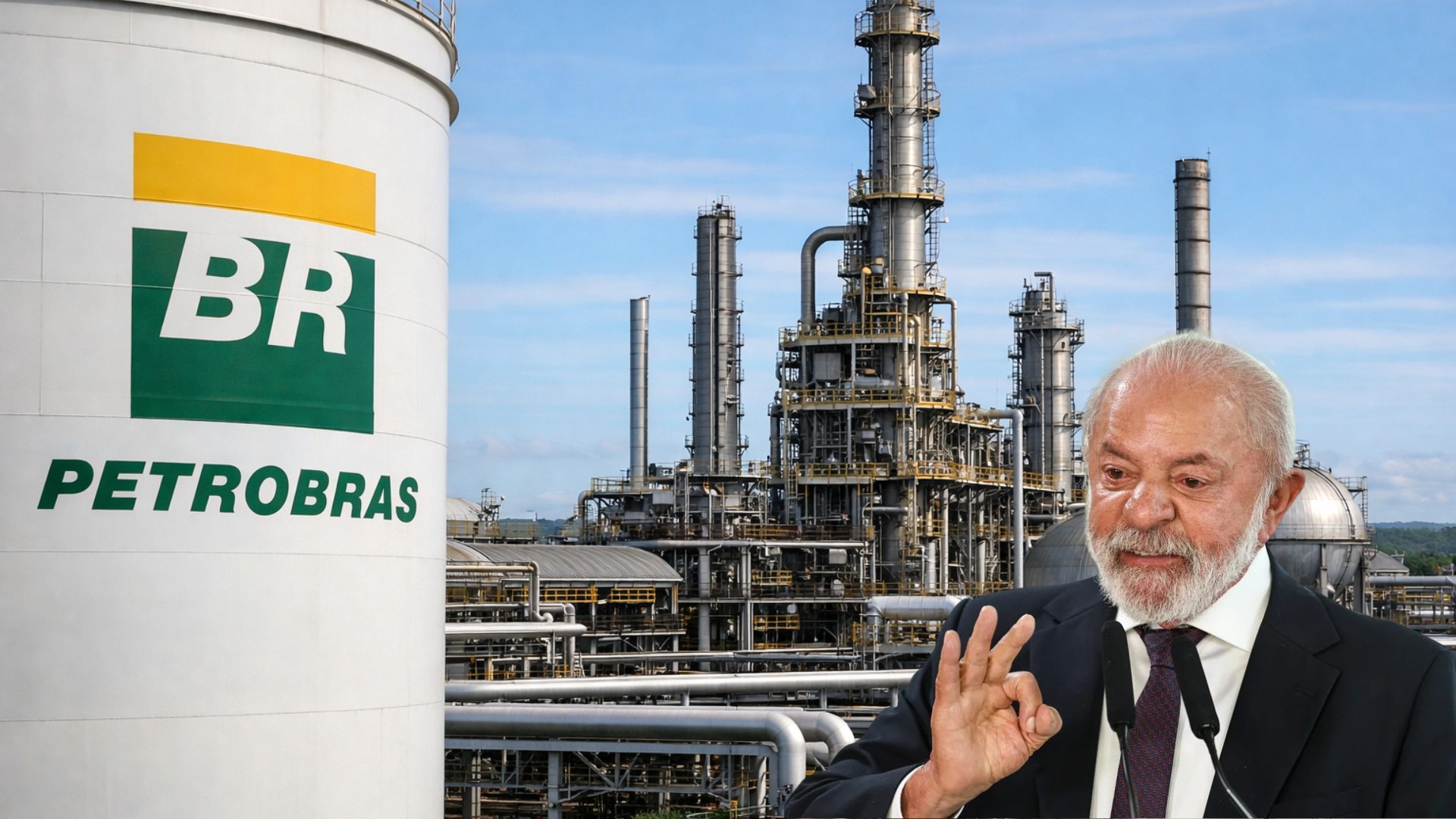
Lula reveals a masterstroke by Petrobras to undo a deal made by Bolsonaro, which involves the return of an important refinery that currently produces less than half of what was expected and makes Brazil dependent on international diesel.
-
A study confirms that the natural gas sector will reduce greenhouse gas emissions in Brazil by 0.5% and accelerate the energy transition by 2026.

-
Petrobras implements a severe adjustment and confirms a 55% increase in the price of aviation kerosene with a proposal for installment payments for the companies.


The call for action mentions that the crisis on the island is already affecting essential services such as transportation, hospitals, and schools due to a lack of fuel. Therefore, the unions argue that Brazil could exercise international solidarity.
Labor Movement Expands “Oil for Cuba” Campaign Nationwide
The National Federation of Oil Workers (FNP) launched a manifesto called “For the End of the Energy Blockade” and is also working to expand the protest. The organization states that the assistance would be feasible, humanitarian, and would not compromise Brazilian production.
This type of union campaign has mobilized various bases, including entities from São Paulo, Amazonas, and other regions. The proposal is to coordinate not only actions in Rio de Janeiro but also other solidarity protests in different Brazilian cities.
While the unions demand concrete actions, the Cuban government itself denounces the energy blockade imposed by the US, classifying the measure as an attempt to provoke a “humanitarian disaster” on the island.
The lack of oil has affected basic services and generated economic and social uncertainties in Cuba.
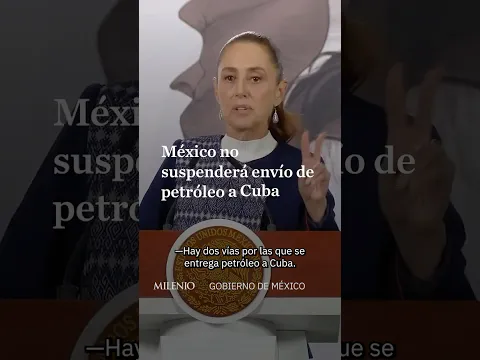
Several countries have also expressed their stance on the crisis. Mexico, for example, has maintained food shipments and helped relieve the pressure of the energy blockade, highlighting the importance of international solidarity amid the difficulties faced by Cubans.

Heated Debate in Brazil and Abroad
The union mobilization has provoked varied reactions. While some argue that Brazil should accept the humanitarian responsibility of helping Cuba with oil, others point out legal, diplomatic, and economic issues that need to be debated before any government action.
The protest is scheduled and could transform the debate about foreign policy, trade relations, and international solidarity into a central theme in the coming weeks.
In light of this scenario, a question arises: do you think Brazil should send oil to Cuba amid the energy crisis, or would that complicate relations with the United States even further? Leave your opinion in the comments!









tá de brincadeira né kkkkkkkkkkkkk