





 Portuguese
  English
  Spanish
  4 min of reading
  1 comment


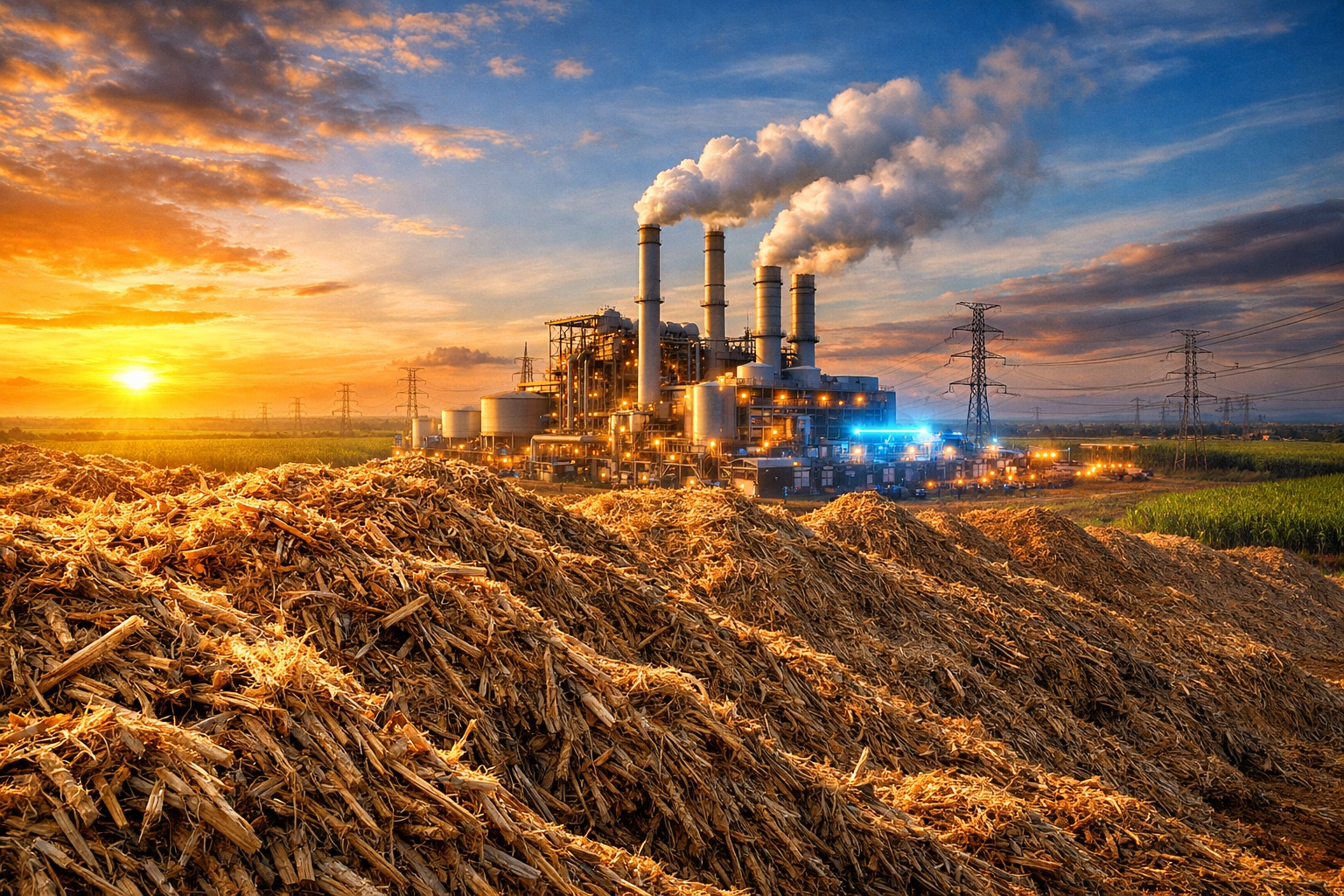


Brazil Transforms More Than 200 Million Tons of Sugarcane Bagasse Per Year Into Bioelectricity, Supplying Millions of Homes and Strengthening the Renewable Electricity Matrix.
Brazil generates more than 200 million tons of sugarcane bagasse per year and transforms this waste into bioelectricity capable of supplying millions of households. For decades, sugarcane bagasse was seen only as a byproduct of the industrial process. After the juice extraction to produce sugar and ethanol, a fibrous mass remained, seemingly of little economic value. Today, this “leftover” has become one of the most important components of the Brazilian electricity matrix.
The country produces annually more than 200 million tons of sugarcane bagasse, according to data from the sugar-energy sector. This gigantic volume fuels a co-generation energy system that places Brazil among global leaders in bioelectricity.
How Sugarcane Bagasse Turns Into Energy

The process starts within the plants themselves. After crushing the cane, the bagasse is directed to high-pressure boilers. Controlled combustion generates superheated steam, which drives turbines connected to electric generators.
-
The sugar-energy sector advances with agricultural technology, but agricultural productivity still raises concerns.

-
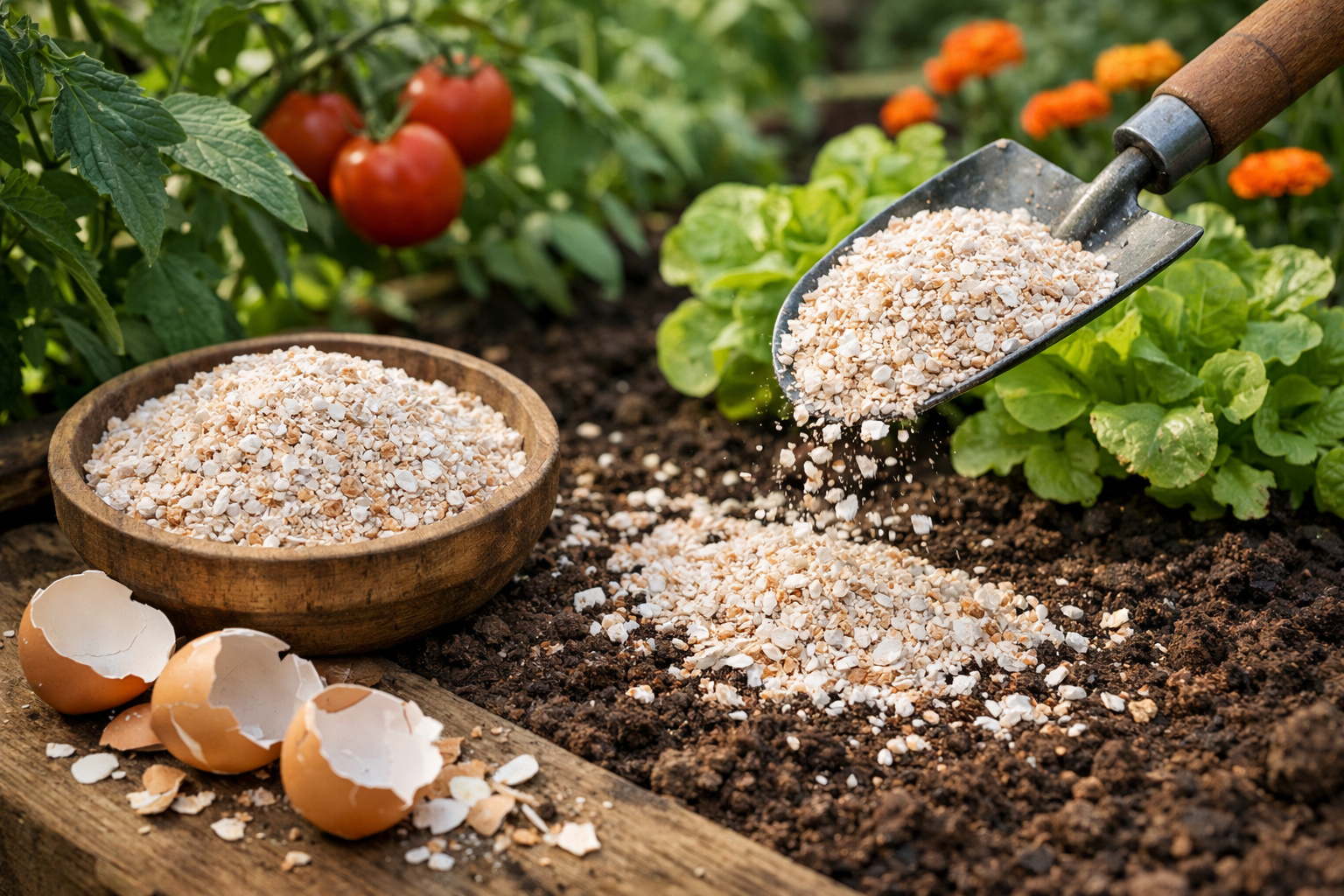
The eggshell that almost everyone throws away is made up of about 95% calcium carbonate and can help enrich the soil when crushed, slowly releasing nutrients and being reused in home gardens and vegetable patches.
-
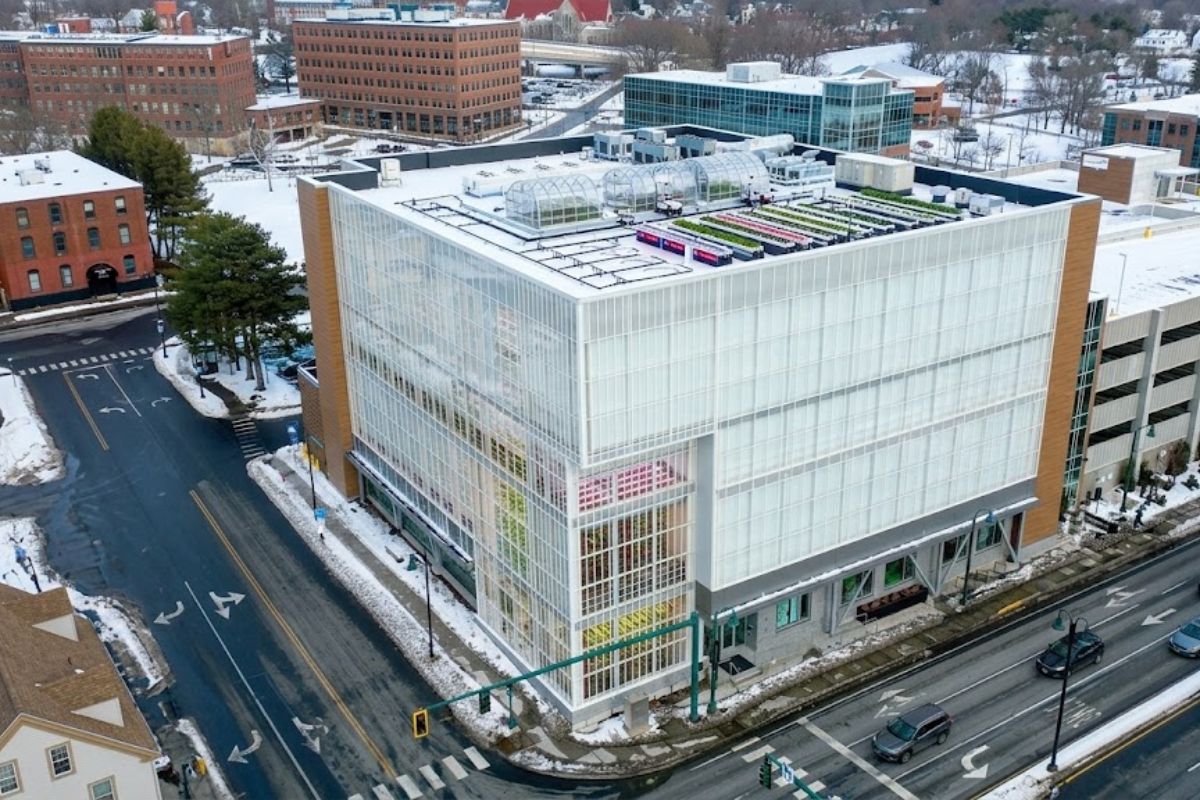
This farm in the United States does not use sunlight, does not use soil, and produces 500 times more food per square meter than traditional agriculture: the secret lies in 42,000 LEDs, hydroponics, and a system that recycles even the heat from the lamps.
-
The water that almost everyone throws away after cooking potatoes carries nutrients released during the preparation and can be reused to help in the development of plants when used correctly at the base of gardens and pots, at no additional cost and without changing the routine.


This technology is called co-generation because it simultaneously produces:
- Thermal energy (for the industrial process itself)
- Electric energy (for internal consumption and sale to the national system)
In many cases, the production is so efficient that the plants are able to generate a surplus and inject energy into the electricity grid.
Amount of Energy Generated from Sugarcane Bagasse
According to data from the Energy Research Company (EPE) and the National Sugarcane Industry Union (UNICA), the bioelectricity from sugarcane accounts for approximately 8% to 10% of Brazil’s total electricity generation during certain periods of the year, especially during the harvest.
This means that millions of households can be supplied with electricity generated from an agricultural waste.
Practically speaking, bioelectricity from sugarcane has already surpassed the annual generation of some medium-sized hydropower plants.
Why Brazil Became a Benchmark
The Brazilian differential lies in scale. The country is one of the largest global producers of sugarcane, with an annual production exceeding 600 million tons of agricultural raw material.
As about one-third of the crushed cane mass turns into bagasse, the volume available for energy generation is colossal.
Additionally, the plants have evolved technologically:
- More efficient boilers
- Higher-yielding turbines
- Thermal recovery systems
- Integration with the national electricity grid
What was once considered waste has become a strategic asset.
Complementary Energy to the Electricity System
One of the most relevant points is the timing of generation. Bioelectricity production occurs primarily during the dry season in Central-South Brazil, exactly when hydropower reservoirs tend to run low.
This creates an important complementary effect in the electricity matrix.
As rainfall decreases and hydropower generation falls, the sugarcane harvest is in full swing, increasing energy production from bagasse.
This characteristic helps to reduce the need to activate thermoelectric plants powered by fossil fuels, which are more expensive and polluting.
Environmental Impact
Unlike coal or fuel oil, sugarcane bagasse is considered a renewable source. The carbon released during combustion was previously absorbed by the plant during its growth through photosynthesis.
Additionally, energy use prevents the waste from needing to be discarded or stored in large volumes.
Bioelectricity from sugarcane also contributes to emission reduction when it replaces conventional thermal generation.
Circular Economy in Agriculture
The Brazilian sugar-energy system is a classic example of a circular economy.
From the same plant, the following are extracted:
- Sugar
- Etanol
- Electric energy
- Organic fertilizers
- Industrial byproducts
Nothing is wasted.
The very steam generated in the industrial process is reused. The vinasse returns to the soil as fertilizer. The bagasse becomes fuel for generation.
The cycle closes within the production chain itself.
Even Greater Potential
Experts point out that Brazil has not yet explored the full potential of bioelectricity from sugarcane. With additional modernization of the plants and greater energy efficiency, the country could increase the participation of this source in the national matrix.
There are also research initiatives involving:
- Utilization of sugarcane straw in the field
- Production of biogas from liquid waste
- Integration with storage systems
The sugar-energy sector has ceased to be merely agricultural and has also become an energy hub.
From Waste to Energy Pillar
What was once considered a low-value byproduct has become a strategic piece in Brazil’s energy security.
More than 200 million tons of bagasse per year drive turbines, feed power grids, and reduce pressure on other generation sources. Sugarcane does not only produce sugar and ethanol.
It produces energy. And in sufficient scale to light entire cities.










There is the possibility that the waste remaining after the **** fruit is harvested could be treated in a similar manner **** waste.
This could provide the farmer with additional income with the waste converted to ethanol.