





 Portuguese
  English
  Spanish
  4 min of reading
  4 comments


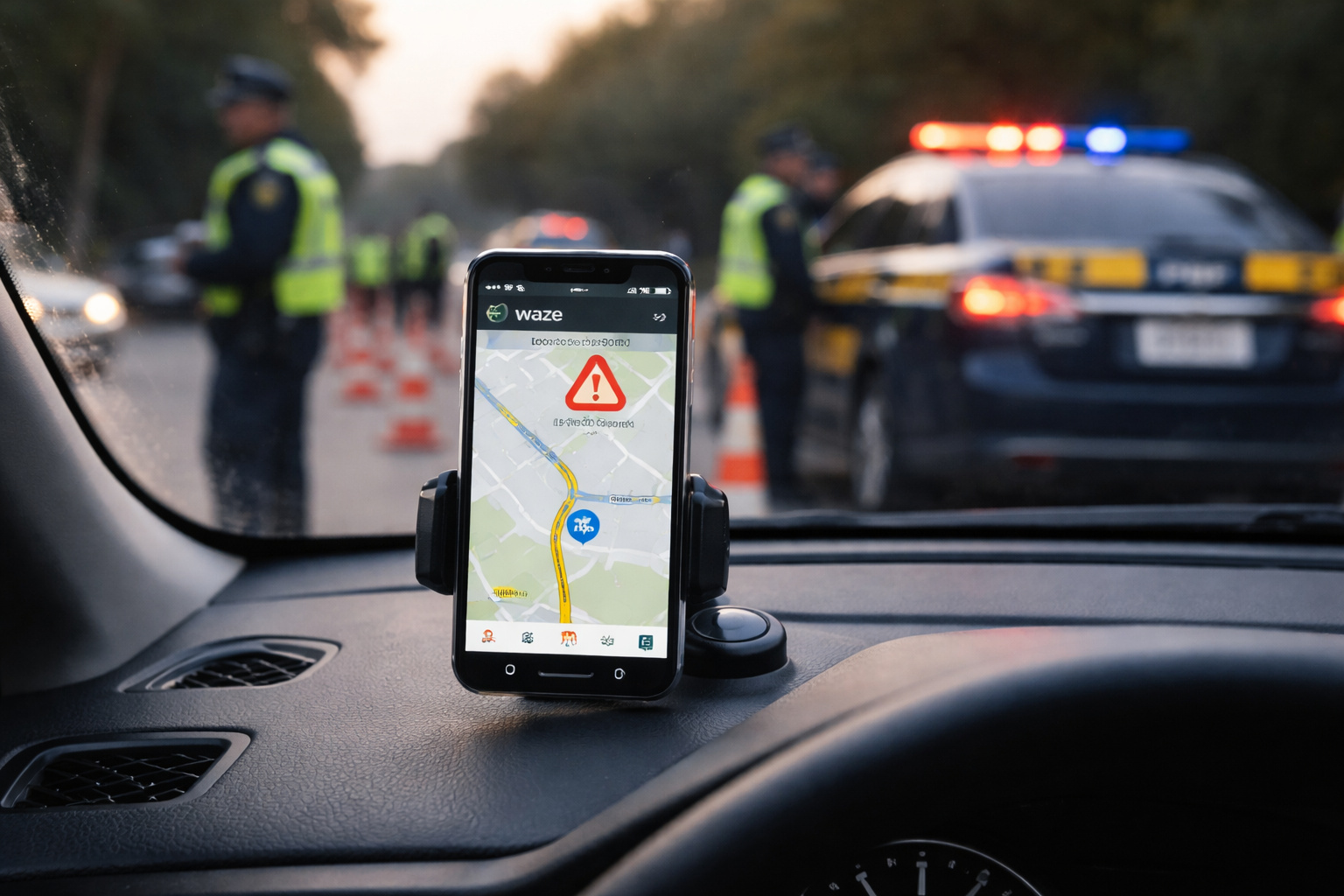


See What the Brazilian Traffic Code and the Contran Say About the Use of Waze During Blitz and Understand When There May Be Fines
The use of Waze open during blitz returned to the center of discussions in 2026, after the reinforcement of inspections on Brazilian roads. Millions of drivers use navigation apps to plot routes and receive radar alerts. Still, many drivers question whether the police can impose a fine upon catching the app active on the dashboard.
According to the Brazilian Traffic Code (Law No. 9.503/1997), in effect until 2026, the use of geolocation apps is allowed when intended for navigation. Furthermore, according to the understanding consolidated by the Contran (National Traffic Council), software that indicates inspection points does not constitute an automatic infraction. Therefore, keeping the app open does not generate an immediate penalty.
What the Brazilian Traffic Code Says About Apps
Currently, Brazilian legislation does not prohibit apps that inform about radars or electronic monitoring. According to the CTB, what is prohibited are devices capable of technically interfering with the functioning of speed measurement equipment. Thus, the simple viewing of alerts does not characterize irregularity.
-
A French brand placed a car on four huge red balloons to prove that its suspension made the vehicle “float,” and the surreal scene became one of the most iconic and unusual images in automotive history.

-
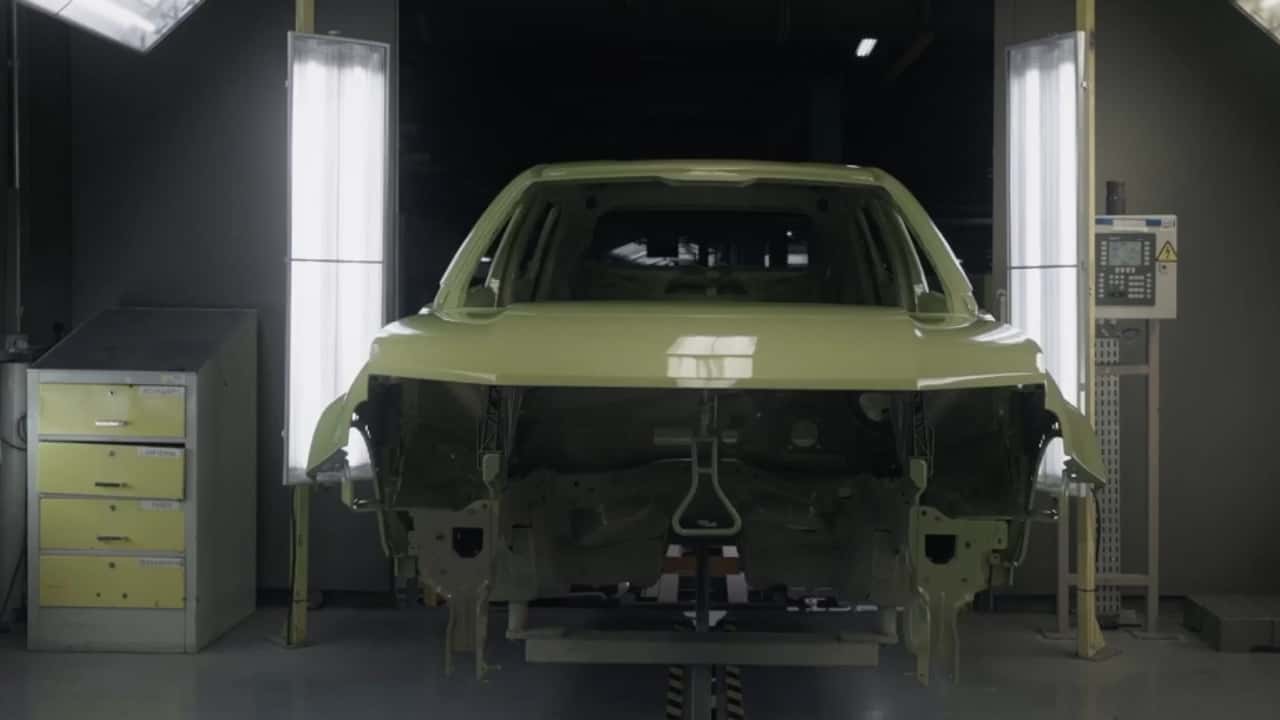
Jeep Avenger begins production in Brazil, debuting as the brand’s new entry-level SUV and inaugurating an unprecedented phase by becoming the first national Jeep manufactured outside of Goiana, as part of a R$ 3 billion plan.
-
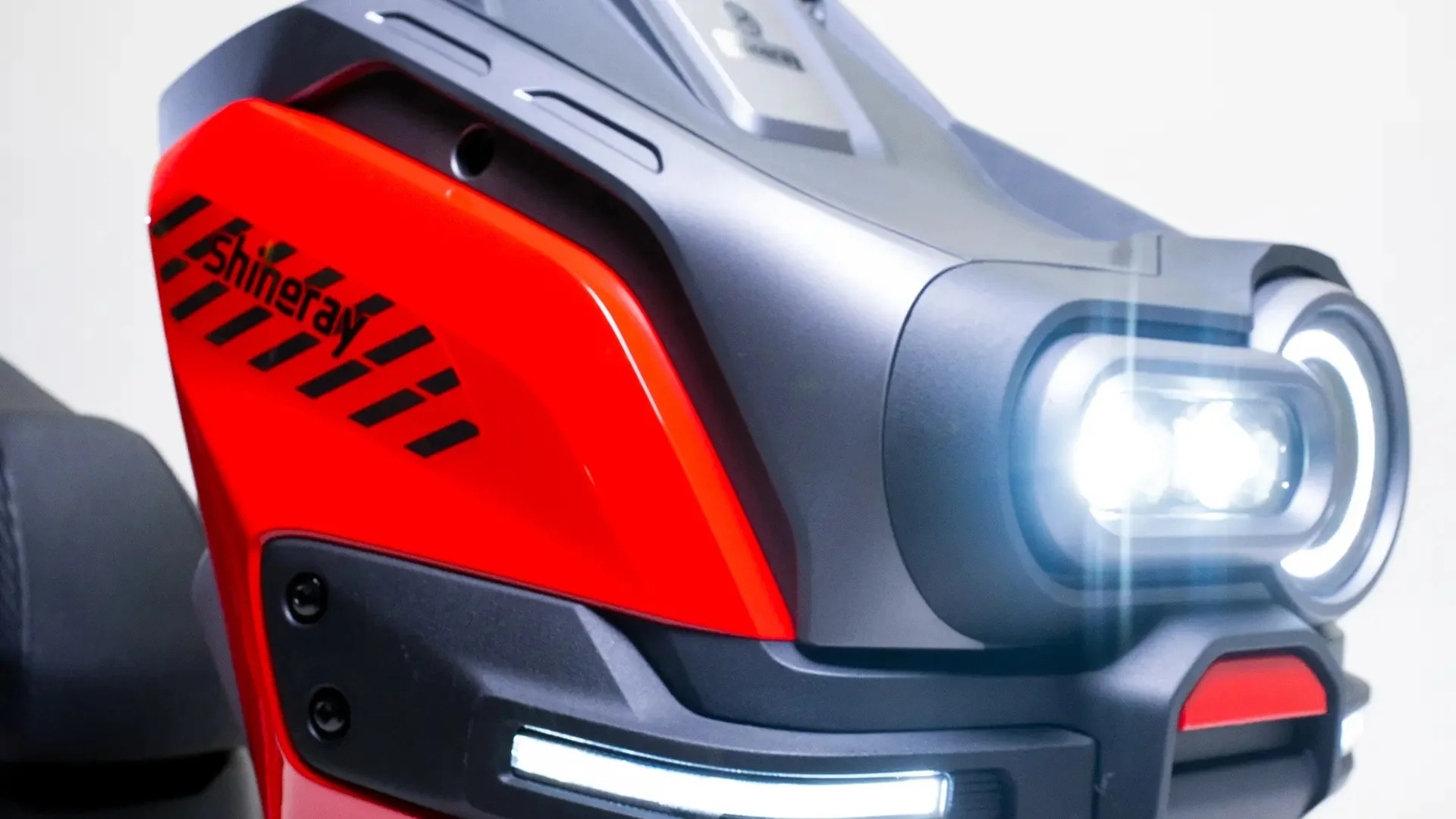
Costing R$ 12,490, the new Shineray Urban Lite 150 “cheap one” arrives in Brazil with a CVT transmission, digital dashboard, and LED lights, making it more affordable than the Biz and targeting those who want to abandon the bus.
-
Ducati brings to Brazil the Superleggera V4 Centenario: 228 hp that become 247 with a track kit, carbon fiber and carbon-ceramic brakes, estimated price between R$ 1.5 and 2 million, deliveries only in 2027.


Meanwhile, apps use GPS signal to cross-reference the vehicle’s position with public or collaborative databases. Consequently, there is no emission of frequency or signal blocking that compromises radars used by the Federal Highway Police (PRF). Therefore, there is no technical interference in the inspection system.
Moreover, the principle of transparency guides inspection in Brazil. Radars should not be deliberately hidden, as understood by the Contran until 2026. Thus, when the app alerts about inspections, it reinforces the educational purpose of the regulation.
Difference Between Allowed Apps and Anti-Radar Devices
However, it is essential to distinguish navigation apps from devices known as “anti-radar.” According to the CTB, electronic devices that detect or block waves emitted by radars constitute a serious infraction. In these cases, the penalty includes a high fine, points on the driving license, and seizure of the equipment.
On the other hand, the radar app on the phone does not have the technical capacity to interfere with official equipment. It only provides visual and audible alerts based on geographic data. Thus, legally, it is treated as an auxiliary tool rather than an illegal mechanism.
When Cell Phone Use May Lead to a Fine
Although the app is allowed, the manner of use may result in fines. According to Article 252 of the CTB, handling a cell phone while driving constitutes an infraction. Therefore, touching the screen with the vehicle in motion may be classified as a medium or severe infraction.
Thus, the issue is not with the app being open, but with the behavior of the driver. The officer may impose a fine if they identify manual use of the device during driving. Consequently, the penalty arises from distraction at the wheel.
To avoid fines, it is recommended to secure the smartphone in an appropriate holder on the dashboard or windshield. Additionally, the device should be placed out of the direct line of sight of the road. Similarly, the destination should be set before the trip begins, prioritizing voice commands.
Inspection and Road Safety in 2026
According to the current understanding of the Contran until 2026, inspections have a preventive and educational character. The main goal of radars is to promote compliance with speed limits and reduce accidents. Thus, when the app contributes to speed reduction, it favors road safety.
Still, law enforcement may impose a fine if they identify improper use of the cell phone. Therefore, keeping Waze open is not an automatic infraction under the CTB. However, improper handling may result in penalties and points on the driving license.
In light of this situation, using technology responsibly is essential to avoid fines. The driver must maintain full attention to the road while driving. After all, traffic safety depends more on the driver’s behavior than on the app displayed on the dashboard.
Do you believe that navigation apps help to make traffic safer or increase risks due to distraction while driving?









Como pode, sempre terem maneiras de roubar o trabalhador, oh país de ****.
Tenho nojo de ser brasileiro, no pelo país, mais pela corrupção ativa em tudo
Do jeito que anda as coisas na arrecadação de verba pública daqui a pouco vão querer multar, sempre tem algum politico que não tem o que fazer querendo aprovar uma lei nesse contexto de multa por uso de aplicativo navegador.!
Os aplicativos ajudam a viagem mais segura pq mostra coisas q estão indevida na estrada assim a pessoa q está no carro fica atento com o q vem pela frente