





 Portuguese
  English
  Spanish
  5 min of reading
  0 comments


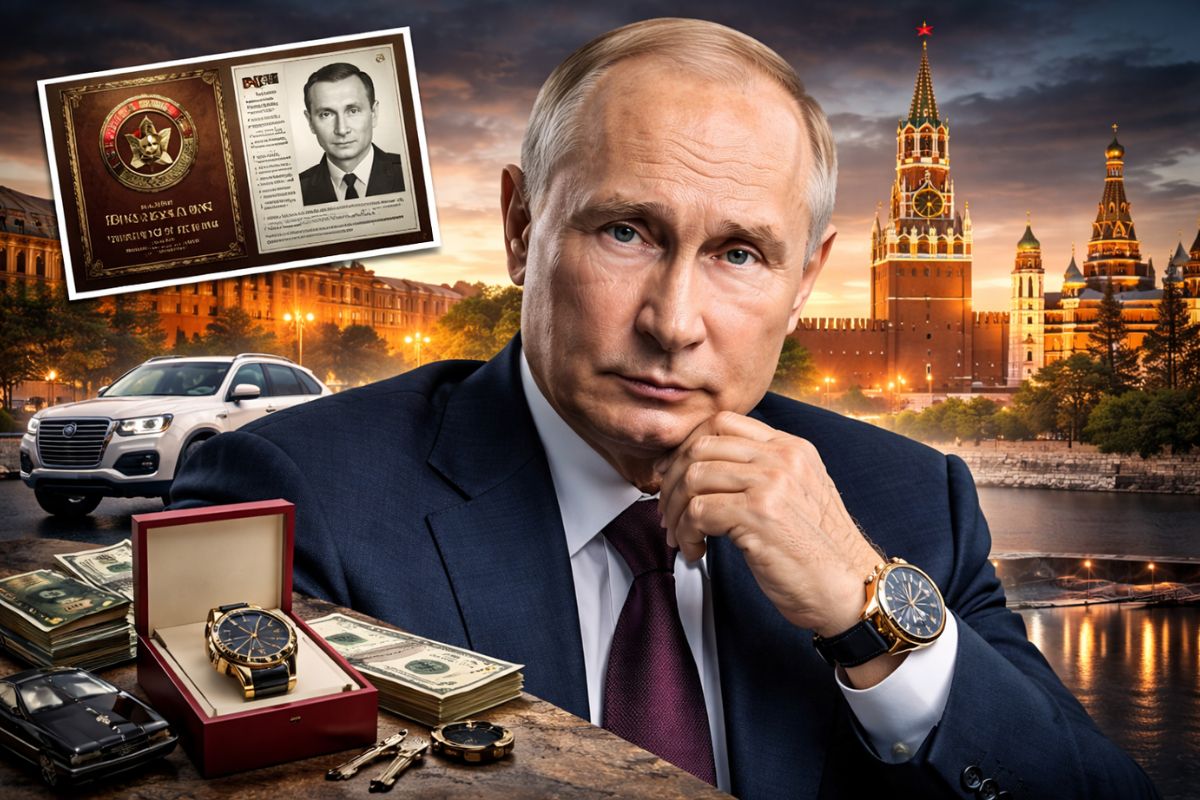
Born in Leningrad, Vladimir Putin left the Soviet intelligence service to enter politics in 1996, assumed the interim presidency in 1999 and was elected in 2000. The trajectory includes Dresden, Moscow, with a doctoral thesis in 1997, and four terms, with declared assets and watches that became symbols.
Vladimir Putin is the President of Russia who came to power at the end of 1999, was elected in 2000, and built a public image anchored in discipline, security, and institutional control. The path goes through Law, the KGB, and a rapid rise in Moscow, to the heart of the Kremlin.
The curiosity today is not only biographical. It is also material and political: what is known about the assets that Vladimir Putin declares, what remains in the realm of speculation, and how the architecture of a continuous government shapes perceptions of strength, risk, and succession.
From Leningrad to Law and the KGB
Born in Leningrad, now St. Petersburg, Vladimir Putin graduated in Law from St. Petersburg State University and entered the Soviet intelligence apparatus.
-
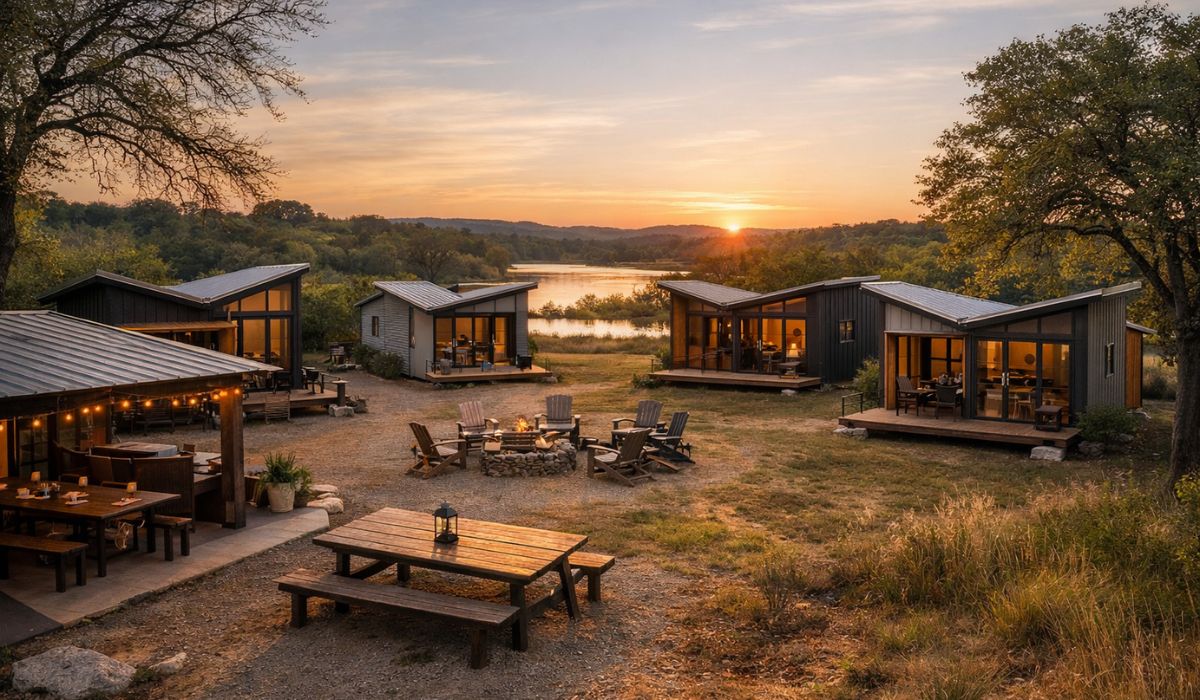
Friends have been building a small “town” for 30 years to grow old together, with compact houses, a common area, nature surrounding it, and a collective life project designed for friendship, coexistence, and simplicity.
-
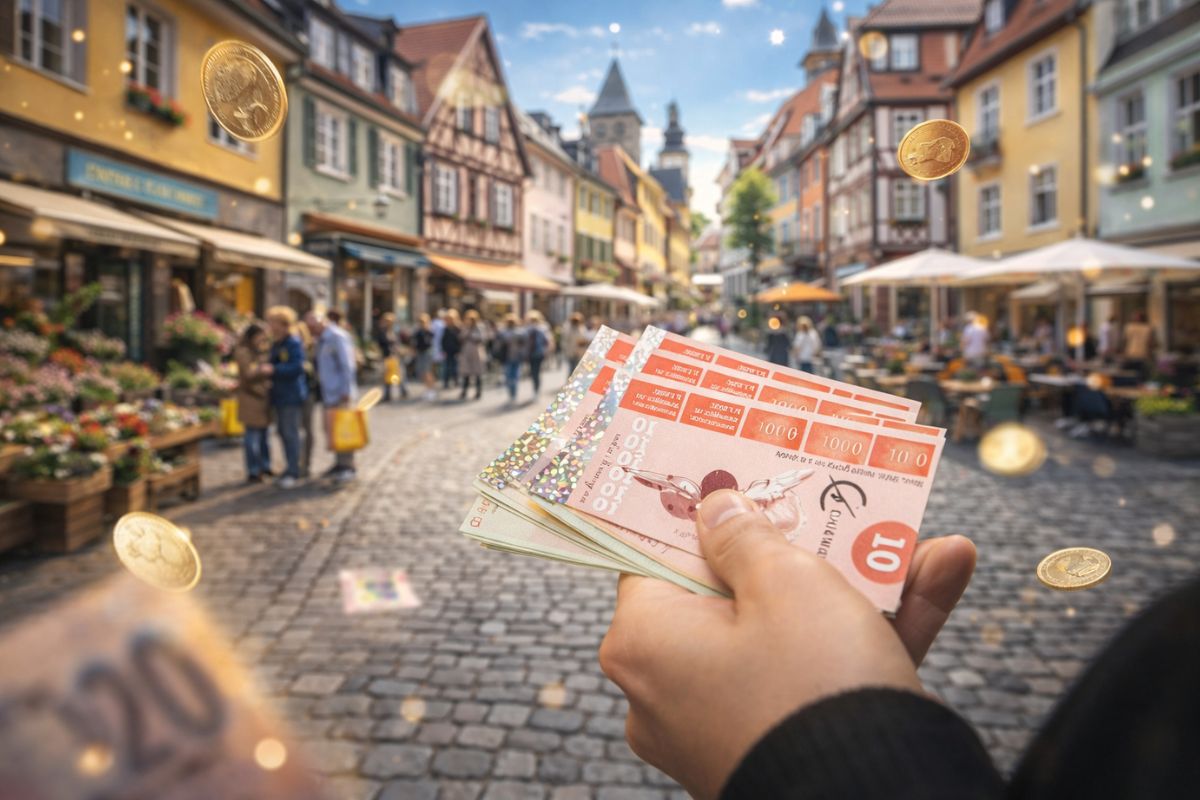
This small town in Germany created its own currency 24 years ago, today it circulates millions per year, is accepted in over 300 stores, and the German government allowed all of this to happen under one condition.
-
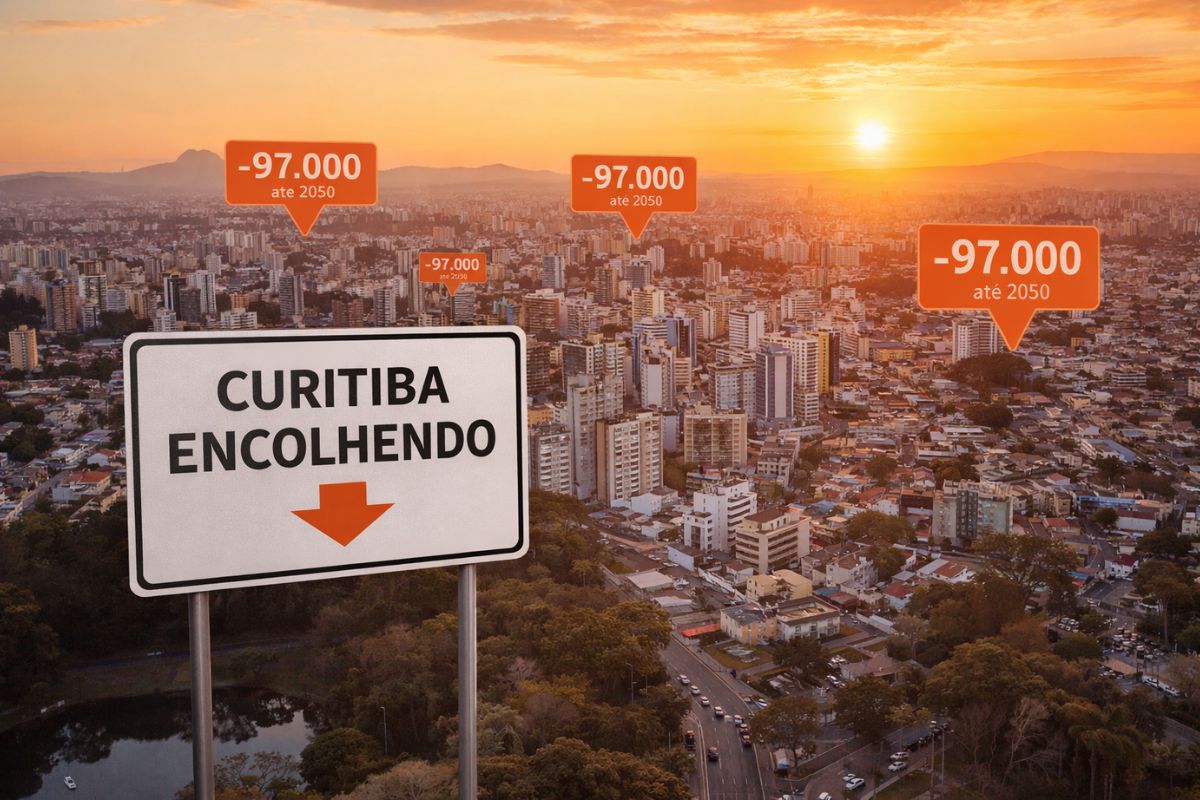
Curitiba is shrinking and is expected to lose 97,000 residents by 2050, while inland cities in Paraná such as Sarandi, Araucária, and Toledo are experiencing accelerated growth that is changing the entire state’s map.
-
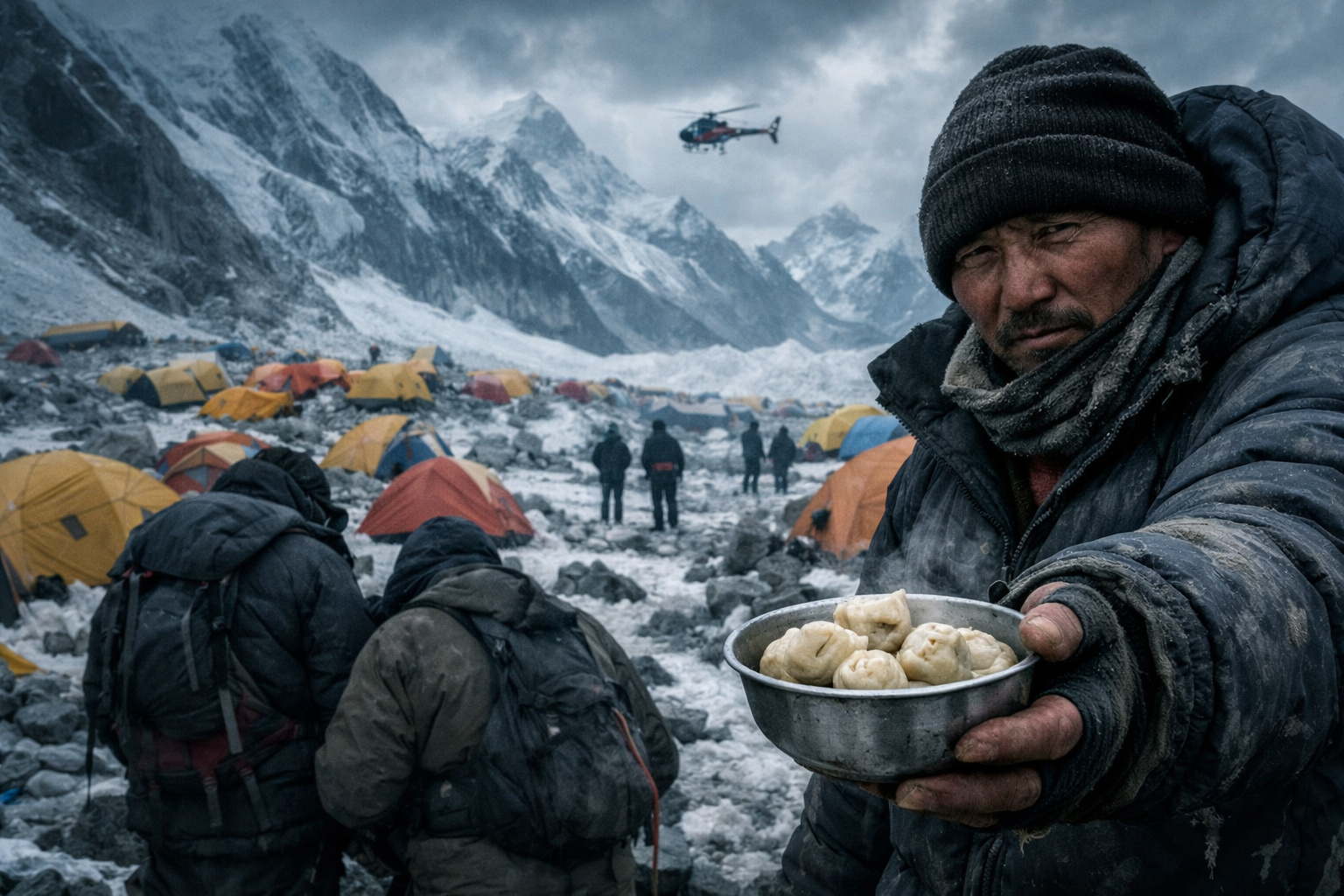
Tourists were poisoned on Everest in a million-dollar fraud scheme involving helicopters that diverted over $19 million and shocked international authorities.

The KGB was his first professional axis, and the experience in security began to guide the way he is described by supporters and critics.
The legal training and work at the KGB created a technical profile, more behind-the-scenes than from the podium.
Still, the official biography maintains that, over more than a decade, he accumulated routines of information gathering, discipline, and hierarchy, a vocabulary that would reappear when his name approached the Kremlin.
Dresden, East Germany and the Transition of Eras
Between 1985 and 1990, Vladimir Putin lived in Dresden, in what was then East Germany, working in the local intelligence service.
Dresden appears as a decisive chapter because it connects a security official to a transforming Europe and, later, to a return to civilian life.
When he left Dresden, he became assistant to the rector of international relations at St. Petersburg State University in 1990.
The leap into politics came in 1996, already in Moscow, in a position related to the management of presidential properties, a step often treated as the gateway to the Kremlin.
Moscow, Internal Escalation and the Path to the Kremlin
In Moscow, the sequence of positions was rapid: deputy head of executive structures, control functions, and, in 1998, the leadership of the Federal Security Service.
The point is that the trajectory ceased to be regional and became national, with decisions and relationships made within a circuit that gravitates around the Kremlin.
In 1999, Vladimir Putin became secretary of the Russian Federation Security Council and, in the same year, prime minister.
Boris Yeltsin’s resignation in December 1999 opened the interim presidency and consolidated the transition from behind-the-scenes operator to the central figure of the Kremlin.
Presidency Since 2000 and the Logic of a Continuous Government
Elected in March 2000 and inaugurated in May of the same year, Vladimir Putin was reelected in 2004, 2012, and 2018, in addition to serving as prime minister from 2008 to 2012.
The hard fact is the permanence, which turns government decisions into a personal brand and makes any crisis interpreted as a direct test of leadership.
Within this narrative, milestones associated with the terms appear, such as the annexation of Crimea in 2014, the military intervention in Syria in 2015, the creation of the Sputnik V vaccine against COVID-19 in 2020, and the war against Ukraine in 2022.
The inauguration of the fourth term in May 2024 reinforced the idea of continuity in the Kremlin.
Declared Assets, Apartments, and Watches That Became a Subject
When it comes to money, there is a clear line between what is official and what is guesswork.
There are no consolidated official data on Vladimir Putin’s fortune, and many estimates circulate without verifiable basis.
What exists, in declared form, is an annual income of around €118,000 in 2021.
In the same declaration, two apartments appear, one of 1,645 sq. ft. and another of 829 sq. ft., in addition to a parking space of 194 sq. ft. and Russian cars such as Gaz-M21, Lada Niva, and Skif.
The watches became a symbol by contrast, with models mentioned such as IWC Mark XVII, Blancpain Léman Aqua Lung, and Patek Philippe Perpetual Calendar 5039J, with prices ranging from tens to hundreds of thousands of reais.
Family, Personal Life, and the Construction of Character
In personal terms, the public biography states that Vladimir Putin is the father of Maria, a doctor, and Katerina, a professional dancer and mathematician, daughters from his marriage to Lyudmila Shkrebnova.
This type of information rarely changes the political game, but helps compose the character that appears associated with the Kremlin.
The contrast is that, although basic data are available, the inner circle is often treated as a subject of protection and control, a cultural extension of someone who trained in the KGB.
For the public, this fuels curiosity, rumors, and also a perception that Vladimir Putin’s power rests on rigid boundaries.
Why Vladimir Putin’s Biography Still Provokes Dispute
The portrait of Vladimir Putin divides because it mixes administrative facts with signals of power. For some, the passage through the KGB indicates method and pragmatism.
For others, it suggests a policy oriented by security and control, with the Kremlin as a permanent center of decision.
There is also a human factor in the public reading: the contrast between the image of austerity and the news about assets, such as apartments and watches.
Dresden and Leningrad, two very different places, are used as narrative symbols, one of the Soviet past and the other of early life, to explain how he arrived and remained in the Kremlin.
What Remains Standing, Even Without Myths
Without needing to turn politics into legend, it can be said that Vladimir Putin is a character built through well-defined stages: Leningrad, KGB, Dresden, Moscow, and the Kremlin.
The public biography helps to understand why he appears as a figure of continuity, and also why any material detail becomes a debate.
If you had to bet on what weighs more in the image of a leader, would you look at career, state decisions, or declared assets like apartments and watches? And, in the case of Vladimir Putin, what seems most determining to explain his longevity in the Kremlin?









-

Uma pessoa reagiu a isso.