





 Portuguese
  English
  Spanish
  3 min of reading
  9 comments


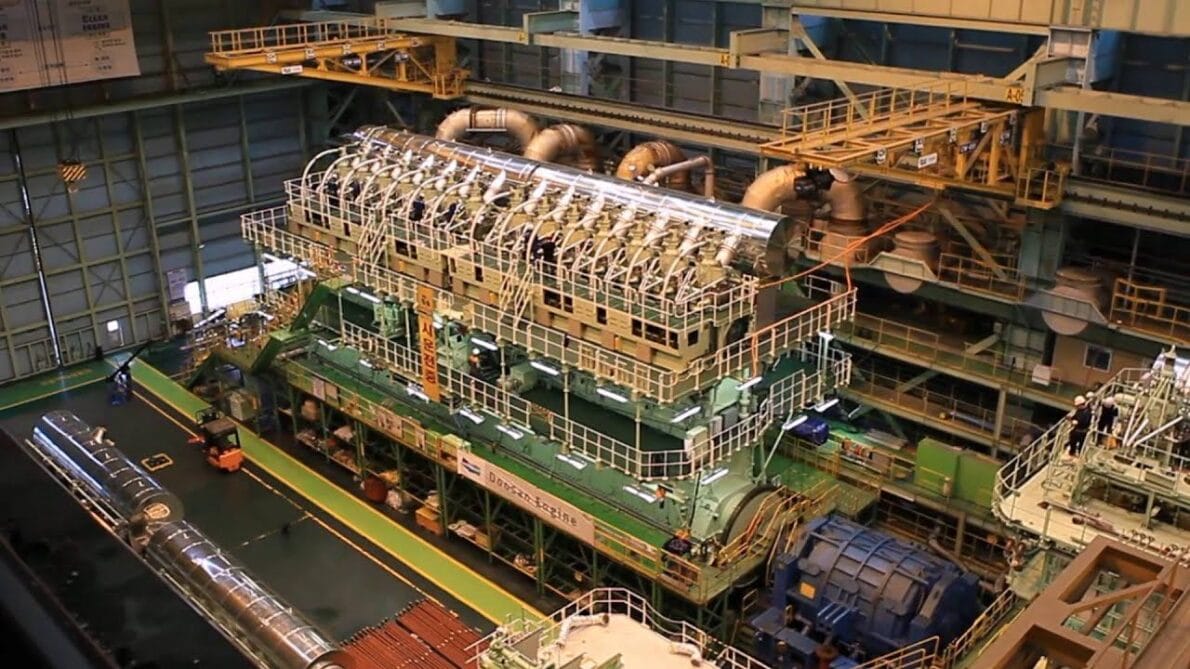

Engineers in Finland, led by Wärtsilä, complete the construction of the world’s largest marine engine, the RT-flex96C, highlighting significant advances in energy efficiency and emissions reduction, designed to operate under extreme maritime conditions.
In Finland, Wärtsilä has achieved a significant milestone by developing the world’s largest marine engine, the RT-flex96C. This technological advancement promises not only greater energy efficiency but also a substantial reduction in emissions, addressing the growing environmental concerns of the maritime industry.
Located at Wärtsilä’s state-of-the-art facilities, this giant of the seas was designed and built with the collaboration of an international team of engineers and naval technology experts. The motivation to create the RT-flex96C was twofold: to meet the demand for more powerful and efficient engines for large vessels and to respond to the urgent need for more sustainable solutions within the sector.
The RT-flex96C Engine Is a Masterpiece of Engineering with 14 Inline Cylinders Capable of Generating an Impressive Power of 109,920 Horsepower
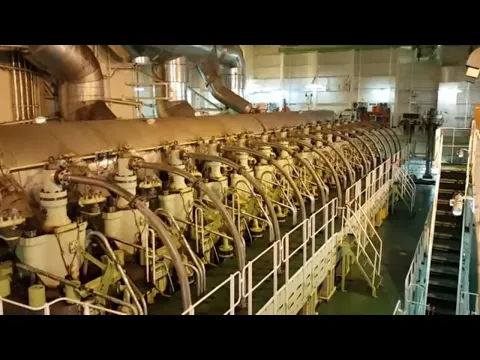

The RT-flex96C engine is a masterpiece of engineering with 14 inline cylinders, capable of generating an impressive power of 110,430 horsepower. Its innovative design includes a common-rail fuel injection system that not only improves combustion efficiency but also reduces harmful gas emissions. The engine can operate with different types of marine fuel, making it versatile for various applications in maritime transport.
-
With 74% of companies facing difficulties in hiring, technicians and engineers in renewable energy are becoming scarce in Brazil and are essential to support the expansion of solar, wind, and green hydrogen projects.

-
Europe is trying to create an ammonia-powered marine engine without auxiliary fuel, which could unlock the race for giant emission-free ships. The technology aims to eliminate one of the biggest obstacles to clean maritime propulsion.
-
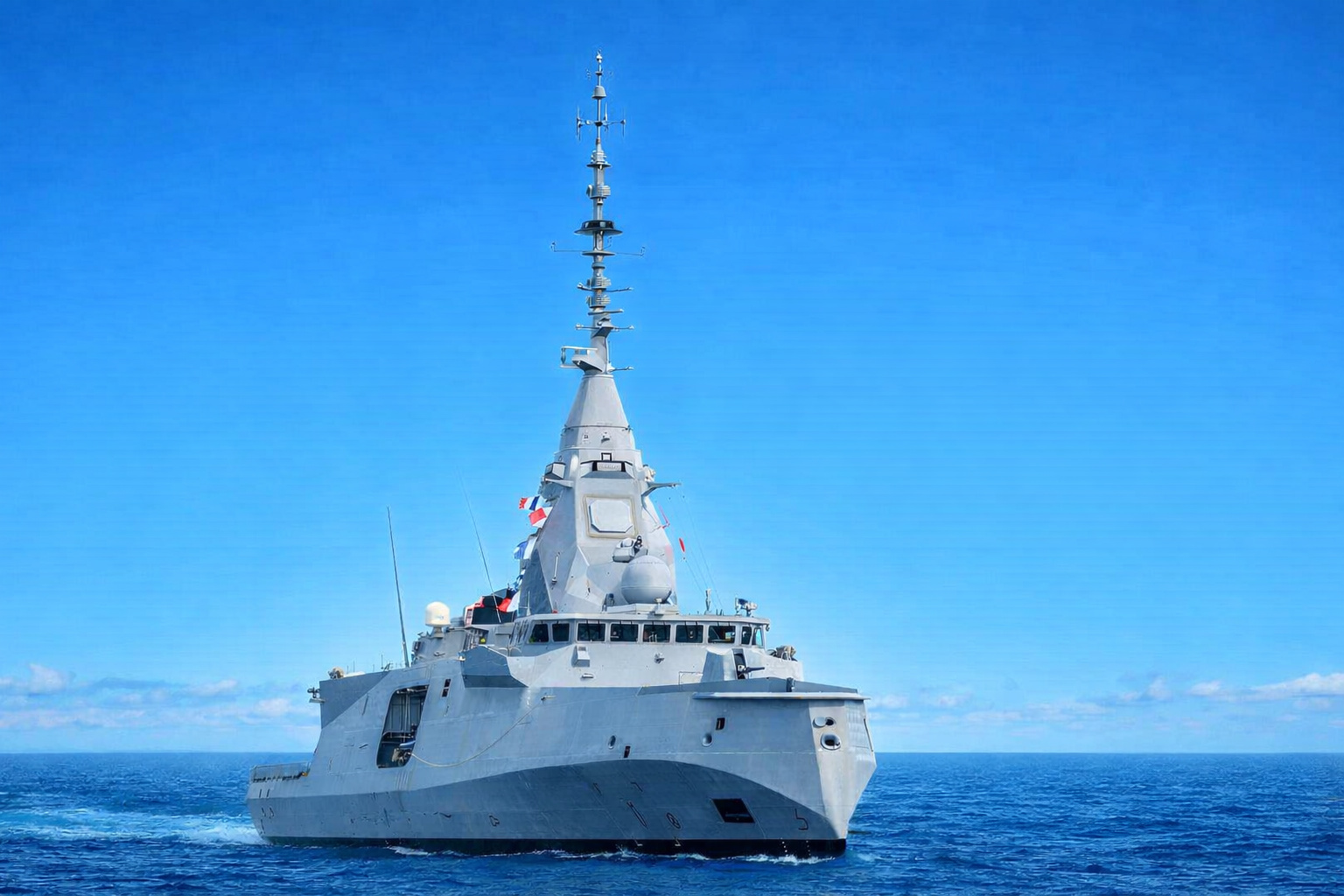
A 4,500-ton frigate with just over 100 crew members, state-of-the-art radar, and cruise missiles is being touted as the new standard of naval warfare in the 21st century.
-
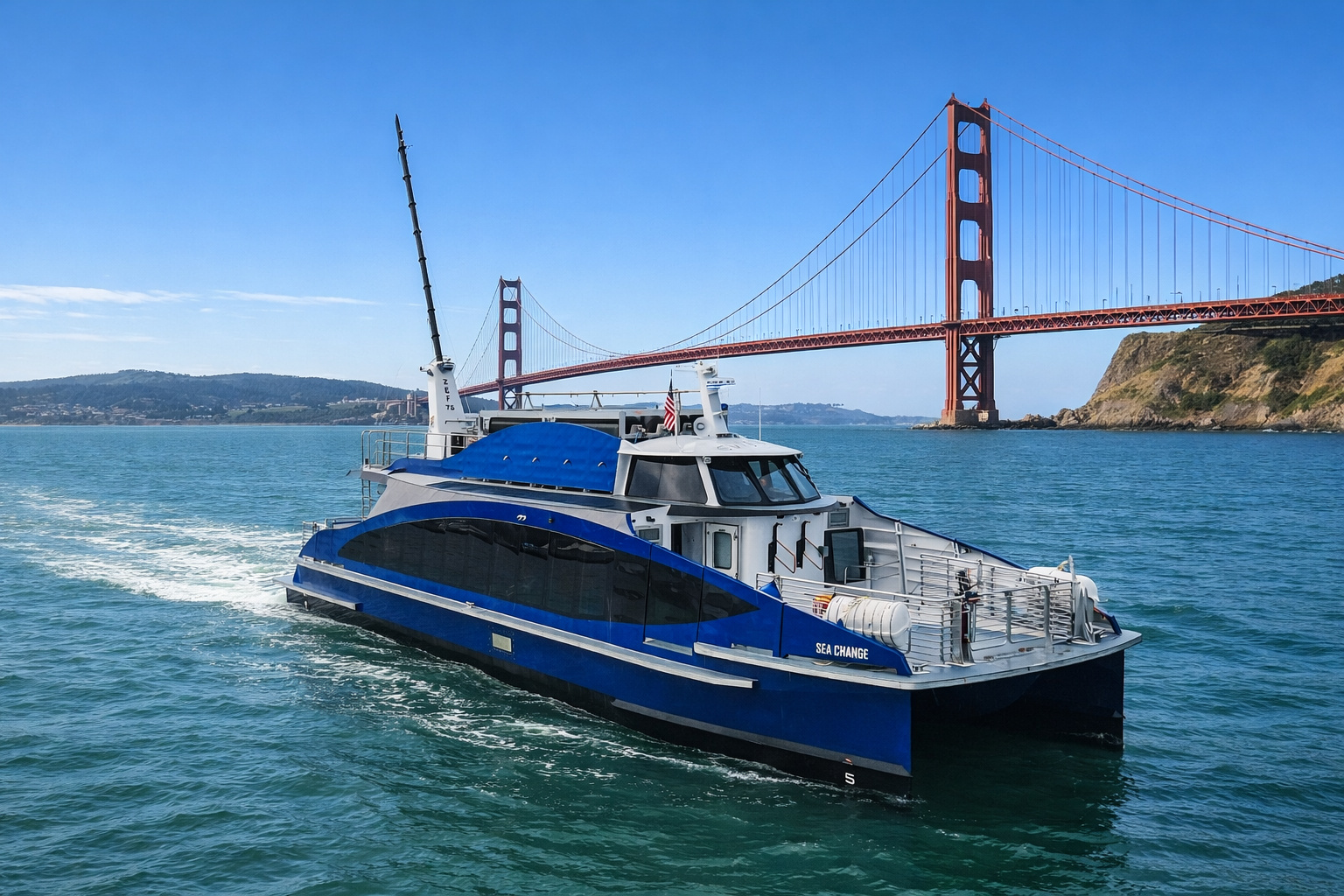
The first commercial hydrogen-powered ferry enters operation in the U.S., eliminates the use of diesel, uses fuel cells to generate clean energy on board, and transforms San Francisco Bay into a landmark of the new era of emission-free navigation.

Finland Is Recognized for Its Excellence in Maritime Technology
Finland is recognized for its excellence in maritime technology, and Wärtsilä has been a leader in this field, known for its disruptive innovations. The decision to develop the world’s largest marine engine reflects Finland’s and Wärtsilä’s commitment to advancing maritime technology and environmental sustainability. This project not only places Wärtsilä on the map as a dominant force in the industry but also reinforces Finland’s position as a center of maritime innovation.
The Introduction of the RT-flex96C Is Set to Revolutionize the Maritime Sector
The introduction of the RT-flex96C is set to revolutionize the maritime sector, offering a solution that combines exceptional performance with environmental responsibility. Vessels equipped with this engine will be able to travel further, faster, and cleaner, helping the industry comply with increasingly stringent global emissions regulations.
The creation of the world’s largest marine engine by Wärtsilä is not only an achievement in engineering and innovation but a significant step towards a more sustainable future for global shipping. With the RT-flex96C, Wärtsilä demonstrates how technology can be used to tackle global challenges, improving efficiency and reducing the environmental impact of maritime transport.







Nossa! Que matéria enriquecedora! Mais nenhum dado?
Parabens, Rafaela Fabris!
A primeira vez que vi os engenheiros da Wärtsilä trabalharem foi na termoelétrica de Mueanda no Maranhão. Pessoas simples e muito inteligentes. Viva a engenharia
Ga heta gigante para esse motor,