





 Portuguese
  English
  Spanish
  4 min of reading
  0 comments


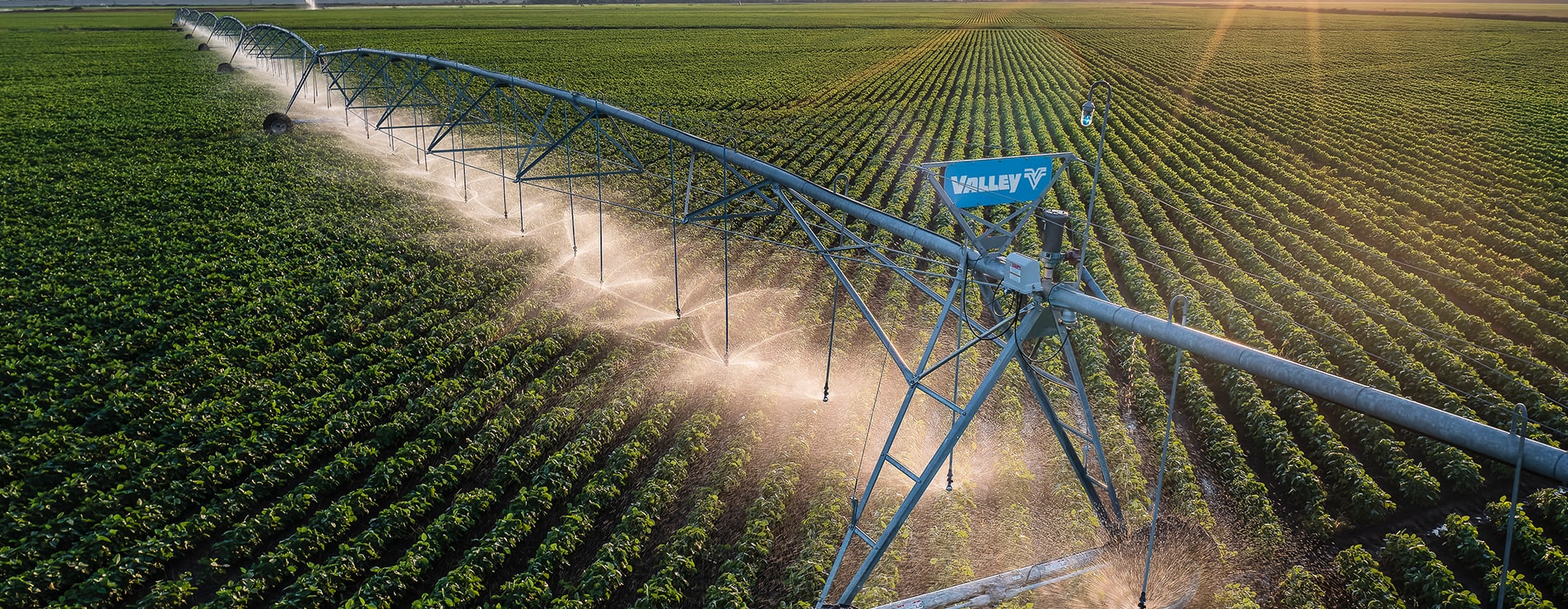
Central Pivot With Up to 853 M, 10” Pipes, 72 M Spans, and Millions of Liters Per Day. The Valley 8000 Shows How Irrigation Became Heavy Engineering in Agriculture.
Central pivot irrigation has evolved from being merely a solution for lack of rain to functioning as a strategic infrastructure within the farm. At the top of this scale is the Valley 8000, a system that spans hundreds of meters, moves massive volumes of water daily, and requires electrical, hydraulic, and operational planning comparable to that of industrial projects. When installed at its maximum limit, it doesn’t just “water a crop”: it orchestrates production.
What Changes When Irrigation Becomes Heavy Engineering
In large pivots, every technical decision has a multiplying effect. A length that extends up to 853 meters defines irrigated area, necessary power, pipe diameter, operating pressure, and even maintenance logistics.
With spans reaching 72 meters, the structure covers large areas with fewer towers, reducing friction points and improving the stability of the set—as long as the design is correct.
-
The sugar-energy sector advances with agricultural technology, but agricultural productivity still raises concerns.

-
The eggshell that almost everyone throws away is made up of about 95% calcium carbonate and can help enrich the soil when crushed, slowly releasing nutrients and being reused in home gardens and vegetable patches.

-
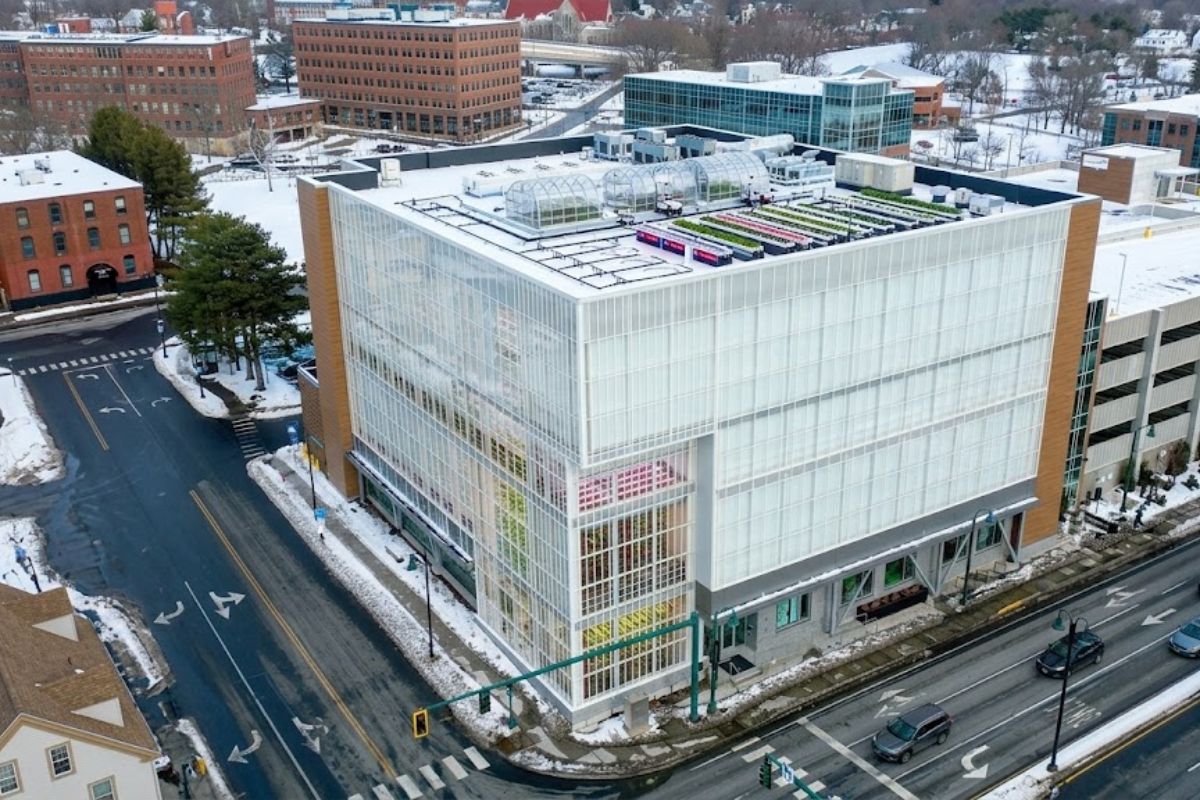
This farm in the United States does not use sunlight, does not use soil, and produces 500 times more food per square meter than traditional agriculture: the secret lies in 42,000 LEDs, hydroponics, and a system that recycles even the heat from the lamps.
-
The water that almost everyone throws away after cooking potatoes carries nutrients released during the preparation and can be reused to help in the development of plants when used correctly at the base of gardens and pots, at no additional cost and without changing the routine.


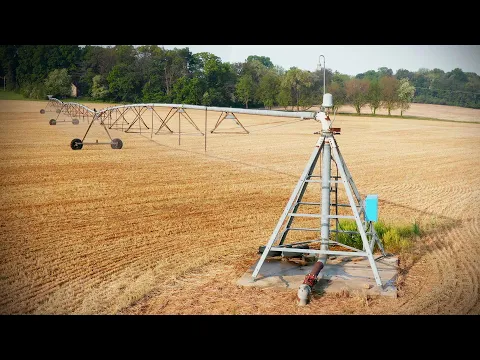

The 10-inch pipes are another game-changer. Larger diameters allow for higher flows with lower head losses, which translates into more uniform application and energy efficiency when the system is properly designed. This is where irrigation stops being “equipment” and becomes a system.
Millions of Liters Per Day: Numbers That Explain the Impact
A pivot of this size operates with flows capable of discharging millions of liters of water per day, depending on management and the applied layer. In regions with hot climates and high water-demand soils, the ability to deliver water at the right pace sustains high productivity and reduces climate risks.
This scale changes the dynamics of the agricultural calendar. Short application windows become sufficient to correct deficits, protect critical crop phases, and stabilize production throughout the harvest. The result is predictability, a rare asset in the field.
Energy, Power, and the Bill That Comes With It
There is no water without energy. Projects with the Valley 8000 require robust electric motors, control panels, sized cables, and often dedicated substations.
Installed power increases with the length, flow, and required pressure. Therefore, the cost “from scratch”—summing pivot, pumps, piping, electrical, and civil works—can approach US$ 200,000, varying according to land, water source, and distance.
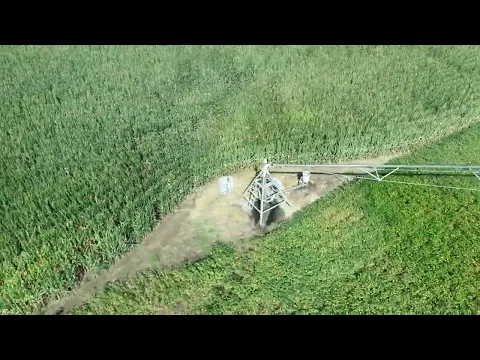
This amount may seem daunting at first glance, but large-scale producers evaluate the return per irrigated hectare, the reduction of risk, and the gain in productivity. In well-managed systems, the investment is spread out over more stable harvests.
Accuracy and Control: Irrigating Less to Produce More
The modern version of the pivot does not deliver water “by eye.” It operates with sector control, variable speed and integration with soil and climate maps. This allows for the precise application of exactly the necessary layer in each section, reducing waste and protecting the soil profile.
Sensors, telemetry, and management software transform the equipment into a data producer. Each turn of the pivot generates a record of application, energy consumption, and crop response—information that refines management and supports technical decisions.
Soil, Foundation, and Stability: The Invisible That Decides Everything
As the length increases, the foundation becomes critical. Poorly prepared soils, steep slopes, or inadequate drainage come at a cost in the form of misalignment, premature wear, and downtime. In long pivots, the civil project is as important as the hydraulic one.
The engineering of the Valley 8000 anticipates solutions for different topographies, but success depends on initial diagnosis. Fine adjustments such as the correct spacing of the towers and the choice of span make the difference between smooth operation and constant headaches.
Maintenance and Availability: Operate Without Stopping
With extensive structures, maintenance needs to be preventive and scheduled. Tower motors, reducers, alignment, and pipe integrity come into periodic routines. The advantage is that systems of this size are designed for high availability, with standardized components and easy access.
Unplanned downtime is costly when working with large areas. Thus, the investment in maintenance is often seen as operational insurance, not as a cost.
The ability to move millions of liters per day requires responsible management of the water source. Harvest, entitlement, level monitoring, and application efficiency are part of the package. When well managed, the pivot reduces losses from evaporation and runoff compared to less controlled methods.
Regulatory pressure grows alongside scale. Transparency in usage data and the adoption of best practices become essential to maintain the social license to operate.
Why the Valley 8000 Became a Reference
By combining extreme length, high flow, precise control and structural robustness, the Valley 8000 has established itself as the solution for those who view irrigation as central infrastructure for the business. It is not a shortcut; it is a commitment to engineering, energy, and management.
Systems like this illustrate the direction in which agriculture is heading: less improvisation, more planning; less reaction, more foresight. Irrigation stops being a “Plan B” and becomes the engine that sustains productivity, predictability, and scale.
In the end, the Valley 8000 is not just a pivot. It is proof that, in modern agriculture, water has become engineering and engineering has become a competitive advantage.









-

2 pessoas reagiram a isso.