





 Portuguese
  English
  Spanish
  3 min of reading
  3 comments


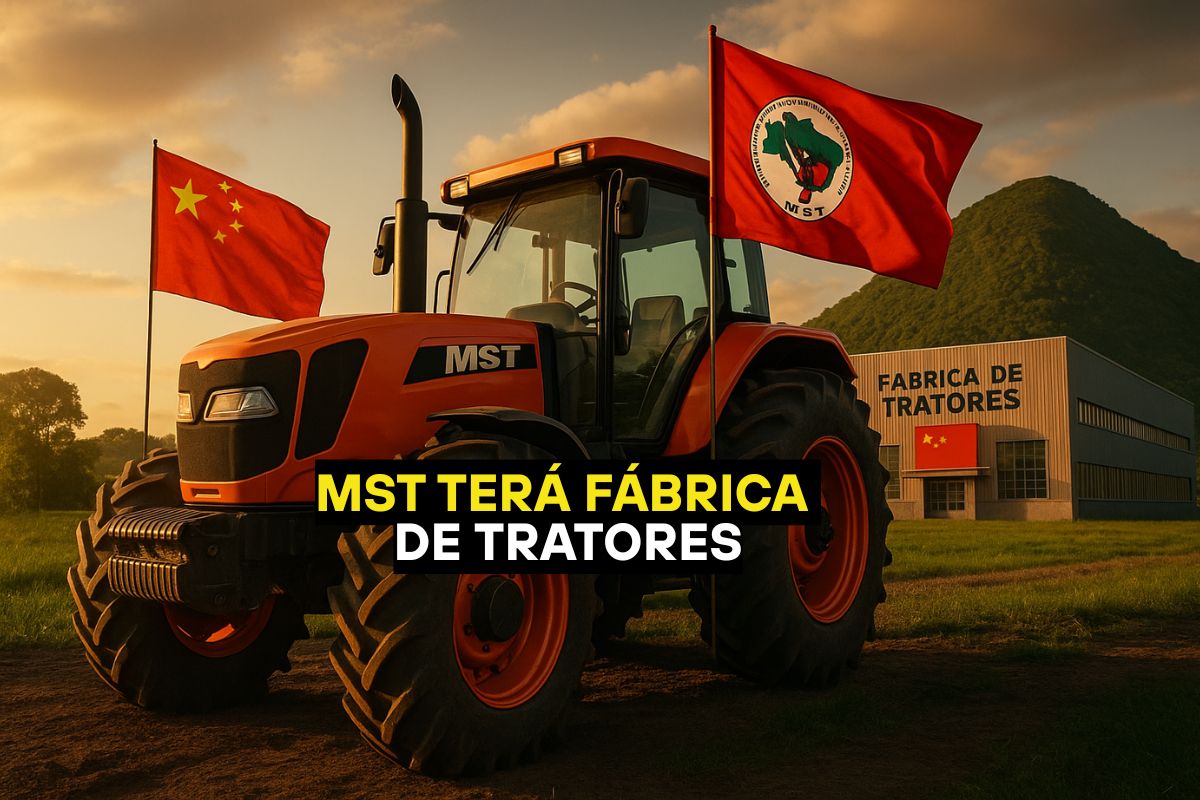


Unprecedented Partnership Between MST, Chinese State Company, and Maricá City Hall Predicts R$ 100 Million in Investments, Job Creation, and Mechanization in the Field.
The MST Will Have a Tractor Factory in Maricá thanks to an agreement signed with the Chinese state company Sinomach, the local government, and the company OZ.Earth. The project promises to transform the municipality into an agro-industrial hub and strengthen family farming across the country.
With an estimated investment of R$ 100 million, the manufacturing unit will have an initial capacity to produce 2,000 tractors per year, in models adapted for small properties, in addition to generating between 200 and 250 direct jobs and hundreds of indirect positions, according to the CompreRural portal and the portal of MST (published on July 13).
Maricá as an Agro-Industrial Hub
The factory will be installed between Ponta Negra and Espraiado, a region where initiatives related to fish production are already functioning.
-
The sugar-energy sector advances with agricultural technology, but agricultural productivity still raises concerns.
-
The eggshell that almost everyone throws away is made up of about 95% calcium carbonate and can help enrich the soil when crushed, slowly releasing nutrients and being reused in home gardens and vegetable patches.

-
This farm in the United States does not use sunlight, does not use soil, and produces 500 times more food per square meter than traditional agriculture: the secret lies in 42,000 LEDs, hydroponics, and a system that recycles even the heat from the lamps.

-
The water that almost everyone throws away after cooking potatoes carries nutrients released during the preparation and can be reused to help in the development of plants when used correctly at the base of gardens and pots, at no additional cost and without changing the routine.


For Mayor Washington Quaquá, the project represents a decisive step in economic diversification: “We will produce tractors to meet Brazil’s huge demand and support family farming”, he stated in an interview with CompreRural.
In addition to machinery production, the agreement includes technology transfer, technical training, and sustainable solutions, such as bio-inputs and renewable energies.
The municipality, which today depends heavily on oil royalties, is starting to establish itself as a rural innovation hub.
Testing and Adaptation of Technology
Before the signing, Chinese equipment such as harvesters and fertilizer spreaders were tested in areas of the MST and at the Água Limpa Farm, from UnB, in 2024.
The results showed good adaptation to Brazilian soil, reinforcing confidence in the feasibility of the factory, highlighted CompreRural.
According to Kelli Mafort from the General Secretariat of the Presidency, the initiative is strategic in times of environmental crisis, as it ensures access to modern machinery adapted to the reality of family farmers.
Between Innovation and Controversies
The involvement of the MST has reignited debates. Critics point to the history of occupying unproductive lands, raising concerns about legal insecurity.
On the other hand, supporters emphasize the movement’s reach and its network of settlements, considered essential for bringing technology and mechanization to small producers, reminded CompreRural.
This contrast between innovation and controversy reinforces the social impact of the project, which could become a turning point for the future of family farming in Brazil.
Expected Impacts
Among the immediate effects are rural industrialization focused on social inclusion, encouragement of production without agrochemicals, and greater technological integration between Brazil and China.
The expectation is that the factory will help reduce poverty in the countryside and enhance food security.
Experts consulted by CompreRural believe that the initiative could empower small farmers and settlers, strengthening Brazil-China cooperation in biotechnology and agricultural mechanization.
The tractor factory project in Maricá, with support from China and leadership from the MST, represents a bold bet on transforming Brazilian family agriculture.
If it succeeds, it could serve as a model for other regions in the country.
Do you believe this partnership will really revolutionize family farming in Brazil? Or do you see risks in this initiative?
Leave your opinion in the comments; we want to hear from those who live this reality in the field or closely follow the sector.










Ai não tem revolução alguma. A china precisa de comida. Tem muitas bocas para alimentar e não consegue fazer isso sozinha. Há muito tempo falo que eles vem para produzir para elea em terras brasileiras roubadas. Brasileiro vai trabalhar para agronegocio CHINES, e não para o Brasil…. Kkkk
Na minha opiniao nso faltam modelos de tratores para a pequena propridade rural..Tendo credito e ou dinheiro é fácil adquirir tratores.. pois há riscos… haverá concorrência c indústrias já existentes….portanto nao há garantia de sucesso. Para nao enfrentar concorrências teria q ter outros atrativos…preço…inovação…
Parece tudo perfeito, dará certo e assegurará a alimentação do povo brasileiro.