





 English
  Francês
  Alemão
  Italiano
  Japonês
  Norueguês
  Portuguese
  Spanish
  6 min of reading
  0 comments


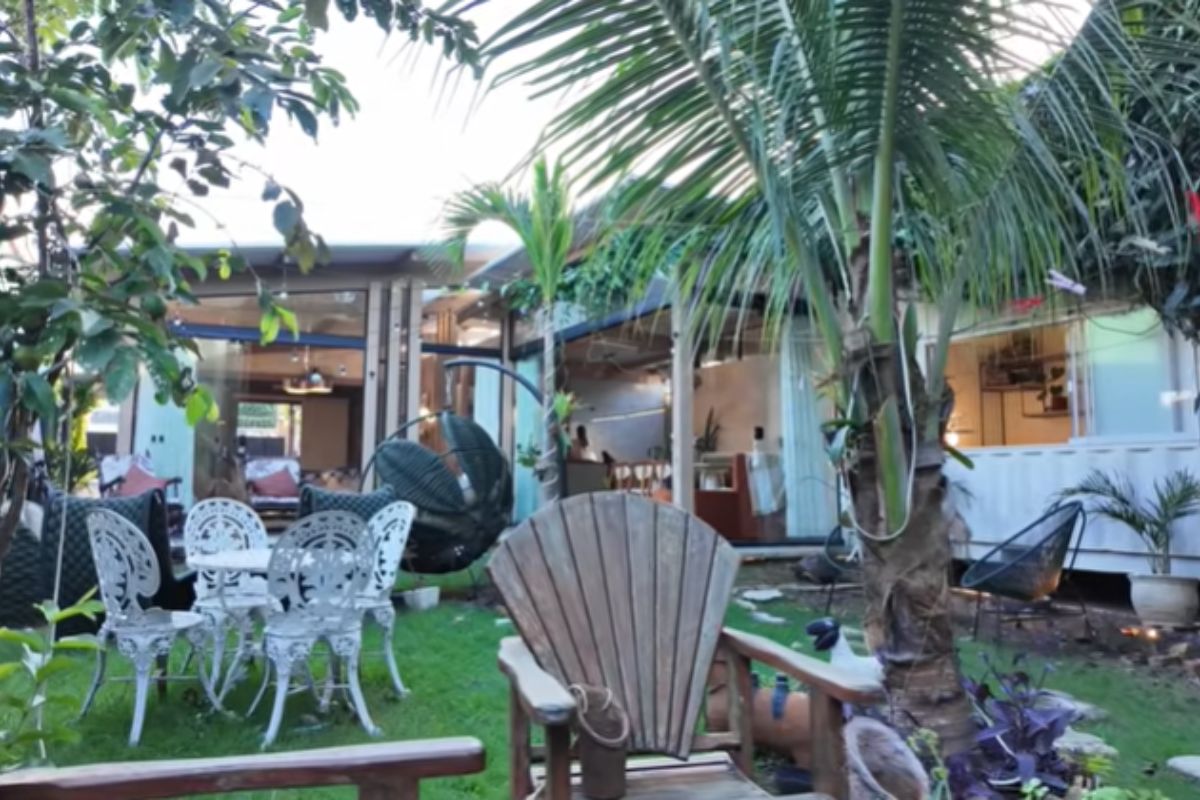
The own house built in stages gathered low-cost solutions, sustainable techniques, and smart choices that, according to the residents, allowed for up to 60% savings in different parts of the work.
The couple’s own house started with a basic but decisive step: the purchase of the land for R$ 55 thousand, about five years ago. From there, the project was executed in phases, with well-defined priorities, installments, adaptations, and decisions made to reduce costs without compromising comfort, functionality, and architectural identity.
The result was a 200 m² dwelling that became a kind of showcase for economic and sustainable solutions. Instead of trying to build everything at once, the residents chose to construct the minimum viable first and gradually expand the house, as money allowed, combining material reuse, rational construction systems, and simplified finishing.
The own house was divided into stages to fit the budget
One of the keys to the project was the division of the work into phases. With less than R$ 100 thousand at the beginning, the couple needed to balance the purchase of the land, well, sewage, and the construction of the first part of the residence.
-
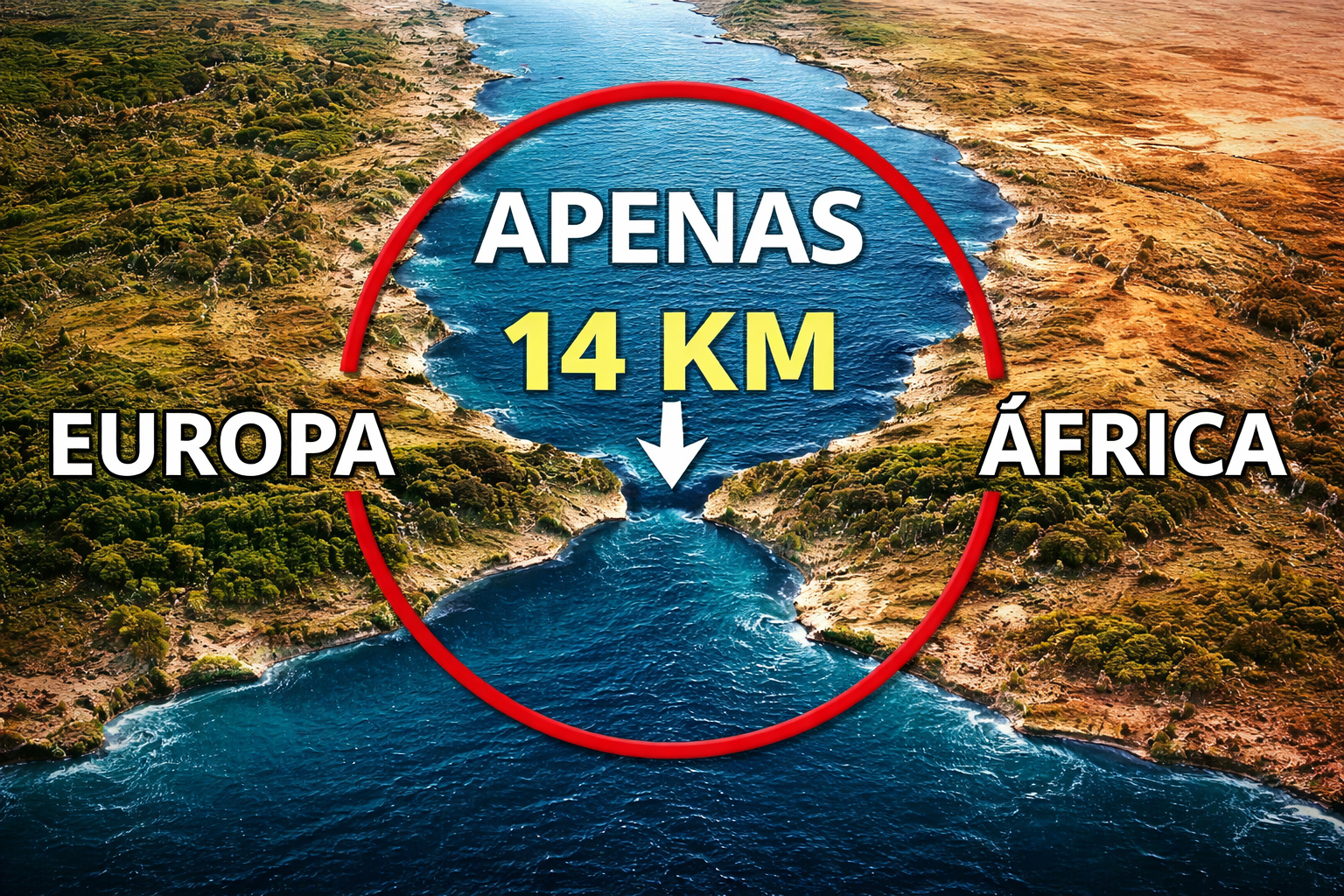
For 45 years, Spain and Morocco have been trying to connect Europe to Africa through a project of just 14 kilometers in the Strait of Gibraltar, and an active tectonic fault on the seabed continues to make the project nearly impossible.
-
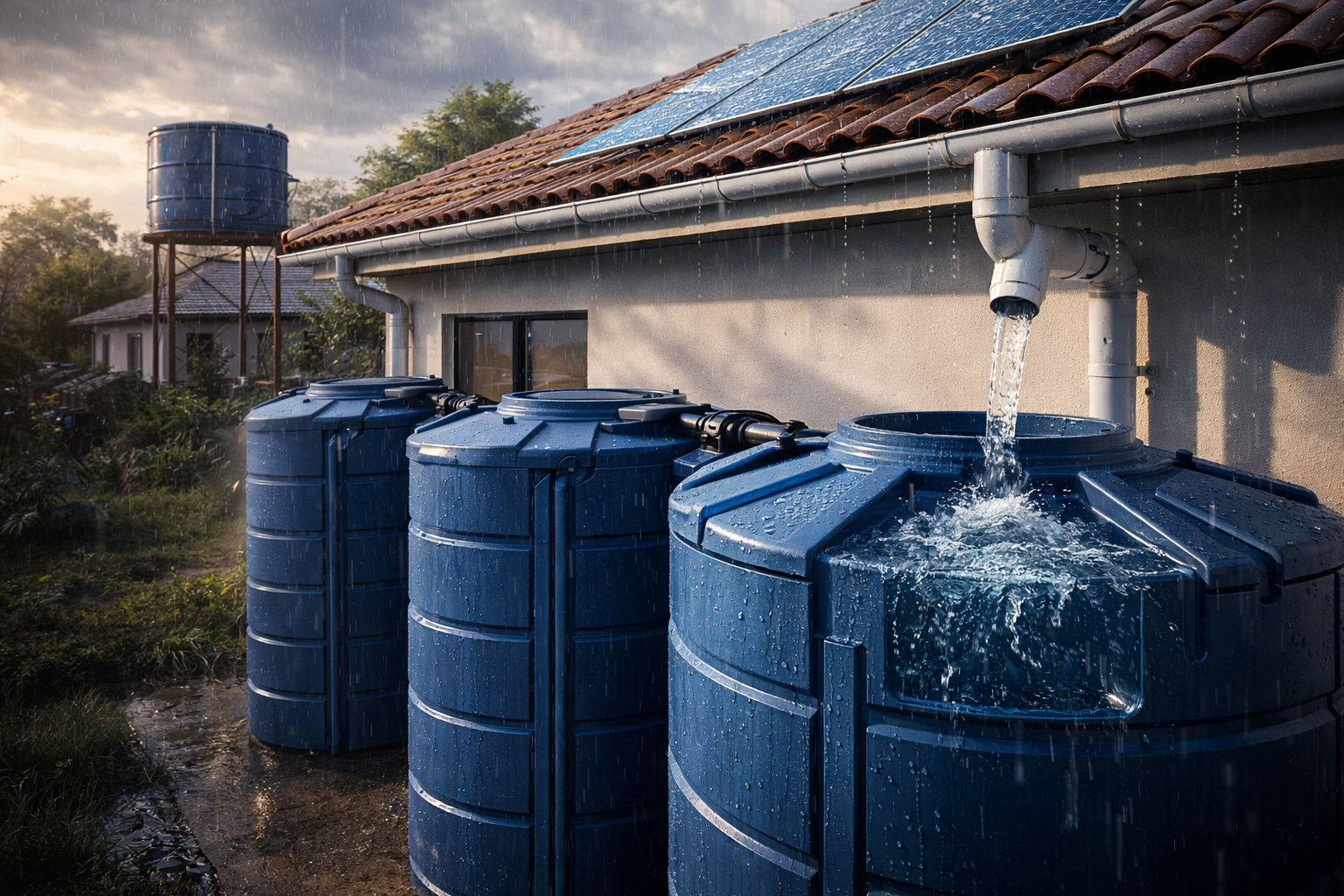
Goodbye expensive water tank: residents replace traditional system with a cheaper and more efficient solution that reduces water consumption and reuses rainwater.
-
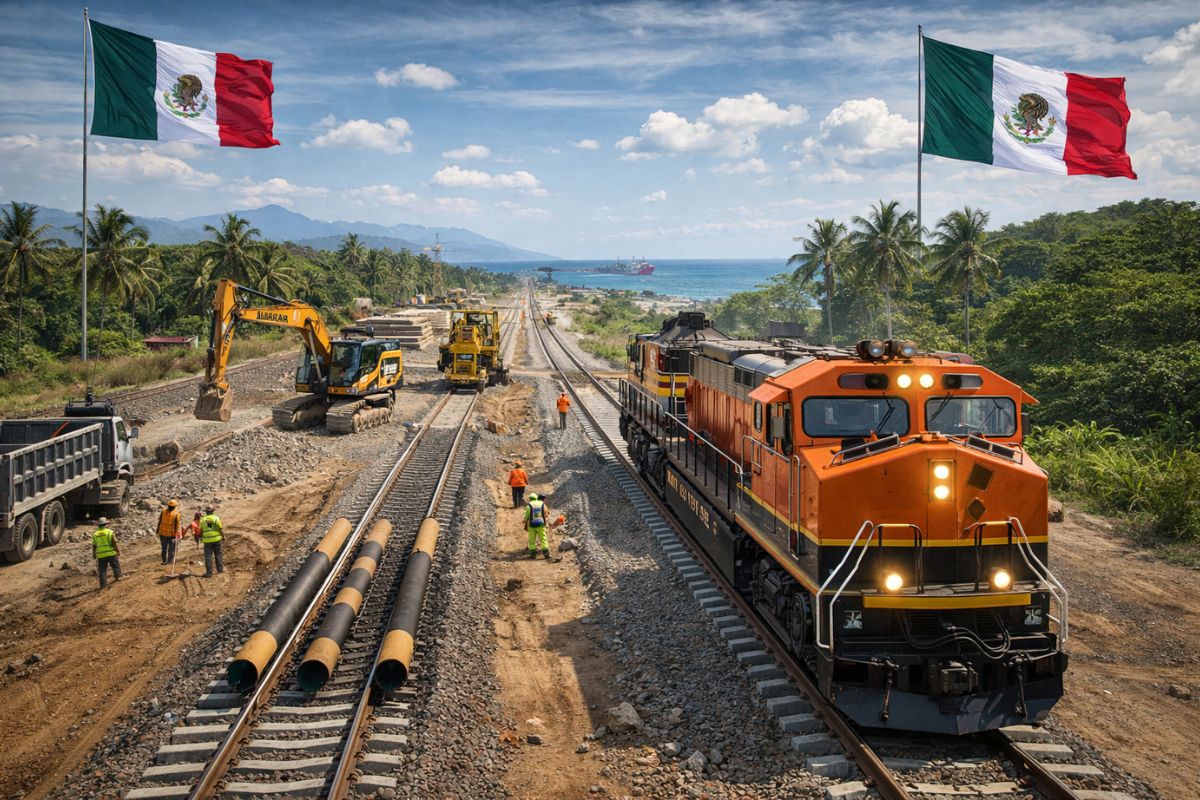
Mexico is building a 300-kilometer railway corridor that connects the Pacific to the Atlantic in just seven hours and wants to compete directly with the Panama Canal, which is already facing water scarcity issues.
-
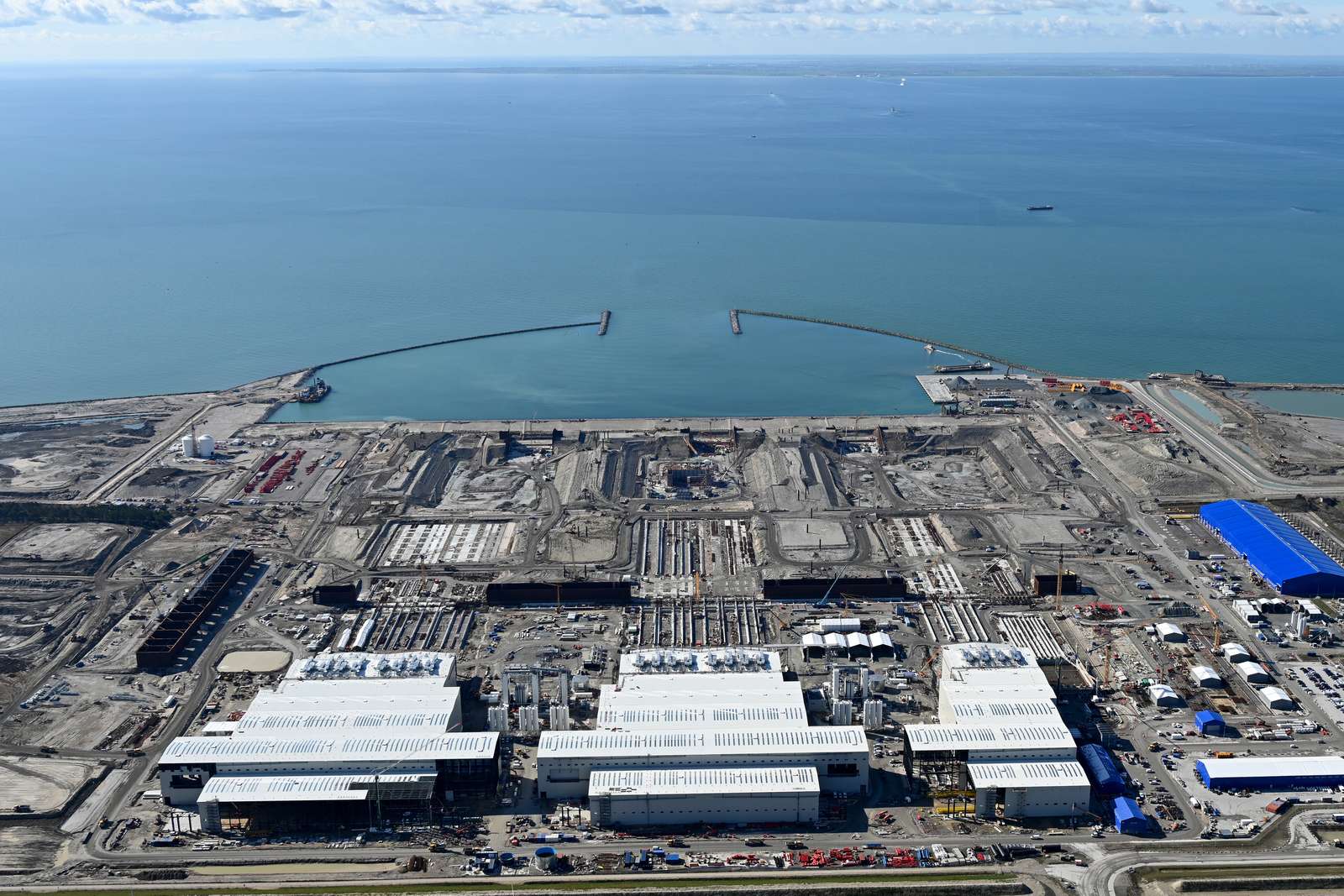
The largest tunnel module factory in the world was built from scratch on a beach in Denmark to produce 89 concrete blocks and will be demolished after the project: each structure weighs up to 10 times the Eiffel Tower and will be installed on the bottom of the Baltic Sea with an accuracy of 12 millimeters in a tunnel that will halve the travel time between Hamburg and Copenhagen.

This required a logic of progressive growth, where the own house was completed as new financial conditions arose.
This strategy avoided the burden of a complete construction right from the start and allowed for the transformation of the first stage into a functional base for living, while expansions were planned more calmly.
Then came the second part of the house and, more recently, the advancement to a third stage, already linked to the need to expand the area due to the growth of the family.
Ecological brick became the protagonist of the economy
Among the most highlighted solutions of the project is the use of ecological brick. According to the base, it was mainly applied to the walls of the house and helped to reduce the consumption of concrete, mortar, wooden forms, and finishing.
In several points, the structure itself was embedded in the system, transforming the masonry into a structural and sealing solution at the same time.
The ecological brick also helped to cut traditional stages of the work, as part of the surfaces dispensed with more expensive coatings. In some sections, the wall did not even receive grout or waterproofing, while in others, a thinner plaster was sufficient.
The logic was always the same: eliminate layers, reduce material, and make the most of the construction itself as the final finish.
Polished radiê concentrated foundation, subfloor, and final floor
Another strong point of the own house was the choice of polished concrete radiê. In the project, it assumed three functions at the same time: foundation, subfloor, and final floor. This allowed for the reduction of services, accelerated execution, and generated, according to the residents, 50% savings in this part of the work.
Moreover, the radiê helped to deal with a terrain that had about 1 meter of slope. Instead of heavily investing in earth movement, the house was worked on different levels, with an internal step and part of the container “floating” in the lower area.
Just in this decision to respect the natural slope, the reported savings were R$ 18 thousand in earth movement.
Cobogó without cobogó, burnt cement, and absence of ceramics reduced costs


The base shows that a good part of the savings came from seemingly simple but very strategic decisions. One of them was the so-called “lack of cobogó,” with bricks positioned upright to create ventilation and natural lighting without the purchase of the conventional hollow element.
There was also a total elimination of porcelain and ceramics. In wet areas, the choice was for burnt cement, including with simplified niches.
According to the report, this greatly reduced the finishing cost. The own house began to be thought of not as a sum of expensive items but as an intelligent combination of leaner solutions.
Reuse became part of the aesthetic of the own house
A good part of what gives identity to the project came from reused materials. Metal gates from the house where the resident grew up were recycled, leftover wood became countertops, donated objects entered the decoration, and even unused iron from the work was converted into furniture and supports.
This reuse does not appear only as forced economy. It also became the language of the own house, reinforcing a more artisanal, affective, and functional aesthetic.
The project shows that low cost does not have to mean a lack of visual care. In several environments, the proposal was precisely to transform leftovers, reuse, and improvisation into design solutions.
Sustainable solutions helped cut fixed expenses
The base also relates the own house to a set of strategies aimed at reducing permanent expenses. Among them are solar energy, ecological pit, natural ventilation, natural lighting, and a green roof in part of the structure.
According to the report, this made the residents stop paying for water, sewage, and energy in the conventional way. The ecological pit was also described as a 60% more economical solution and with the advantage of dispensing with septic tank cleaning, in addition to producing bananas.
In other words, the savings were not limited to the construction moment and began to influence the cost of living in the house as well.
Container, dry construction, and planned expansion maintained the logic of low cost
In the beginning, the couple used a container as an important part of the strategy for implementing the dwelling. It allowed for reducing the construction site and accelerating the occupation of the land.
Then, with the new phase of expansion, the choice became dry construction with light wall, seen as a faster solution to raise the second floor without overloading the existing structure.
This point is important because it shows that the own house was never treated as a static project. It was designed to grow, and the base indicates that the possibility of expansion was already foreseen from the beginning. Thus, each phase did not negate the previous one, but prepared the way for the next.
Countertops, woodwork, and glass entered the project with rational logic
The savings also appeared in interior choices. Countertops without skirts, more affordable granite, metal structure to eliminate central supports, cabinets without backs and doors, and woodwork supported by the walls themselves helped reduce expenses without compromising the daily use of the house.
At the same time, the project strongly invested in simple tempered glass to ensure natural lighting and integration with the surroundings. According to the base, this option cost less than half the price of other frames in some cases.
The own house was assembled with the logic that each element needed to justify its cost by the function it delivered.
The natural surroundings became part of the experience of living
The implementation of the own house also took advantage of the land and its landscape. There is a garden, vegetation designed to protect the west facade from the strongest sun, a yard with a lagoon, pier, kayak, and constant integration between inside and outside. This makes the house not limited to the walls and the roof.
The feeling is of a project that tries to save without giving up spatial quality. The natural surroundings, cross ventilation, light incidence, and internal gardens appear as a concrete part of the experience of living, not as a decorative detail.
The work shows that the own house can grow along with real life
Perhaps the strongest point of the entire story is this: the own house was not built as a finished and closed product, but as a process. First came the land.
Then the minimum viable part. Next, expansions, walls, garage, green roof, solar panels, reused container, and now the preparation for the second floor.
Instead of seeking an ideal construction distant from financial reality, the project was shaped by real life, with a tight budget, installments, reuse, and practical decisions. This is precisely what makes this house stand out as an example of cheap, sustainable, and intelligent construction.
If you were to build your own house, which of these solutions would you be most eager to adopt to save without giving up comfort?









Seja o primeiro a reagir!