





 English
  Francês
  Alemão
  Italiano
  Japonês
  Norueguês
  Portuguese
  Spanish
  4 min of reading


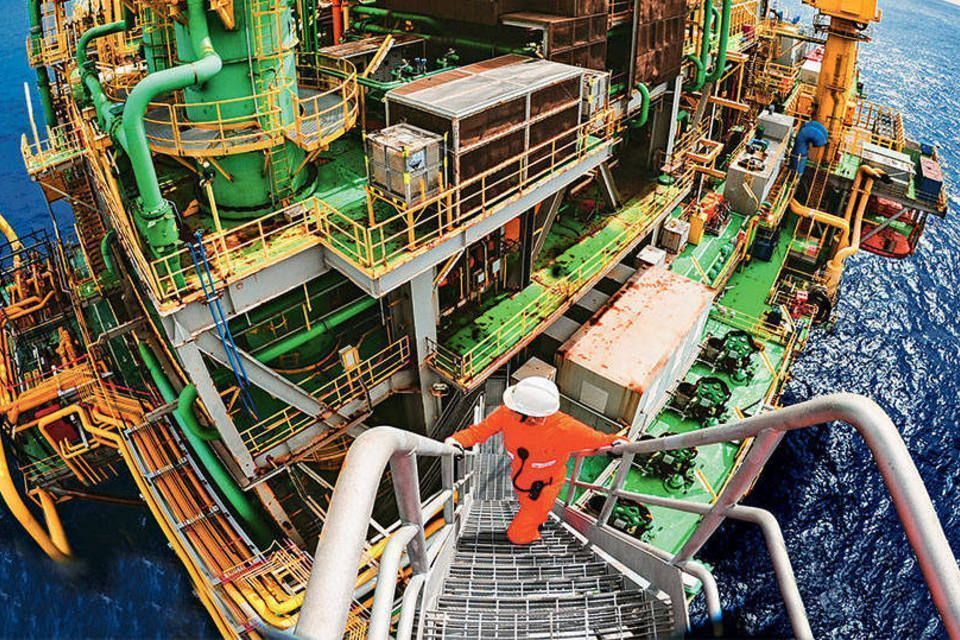
According to a Second Study by Rystad Energy, Petrobras Accounted for About 88% of Opex in Deepwater South America, and the Increase in Its Fleet of FPSOs for Offshore Oil Production Contributed to This Percentage
South America has seen a significant reduction in costs since 2013, when it was the most expensive region in the world for oil and gas production in deepwater. The average operating expenditure (Opex) per barrel of oil equivalent has fallen by more than half since then, from about US$ 26 to US$ 12.7 in 2020, according to a report by Rystad Energy. The region also had the largest cost reduction globally this year, both in absolute and percentage terms, and Petrobras has significantly contributed to this.
Read Also
- Petrobras Starts Sale of Five Oil Fields, Pipelines, and Terminal in Espírito Santo
- Gas Carriers: A New Chance for National Shipyards to Revive Their Glory Days of Shipbuilding
- Closer Relations with India Could Boost Brazil’s Energy Sector
The Opex in deepwater South America is mainly driven by Brazil, which accounted for about 99% of the continent’s brownfield costs from 2013 to 2020. Petrobras alone accounted for nearly 88% of the Opex in deepwater in the region. Therefore, it makes sense to focus cost reductions in Brazil for the greatest impact.
-
Brazilian giant expands borders in the Southeast: Petrobras confirms new oil discovery in ultra-deep waters in the pre-salt of the Campos Basin.

-
Alert in the global energy market: Severe tropical cyclone hits the coast and disrupts gas production at major plants in Australia, threatening global supply.

-
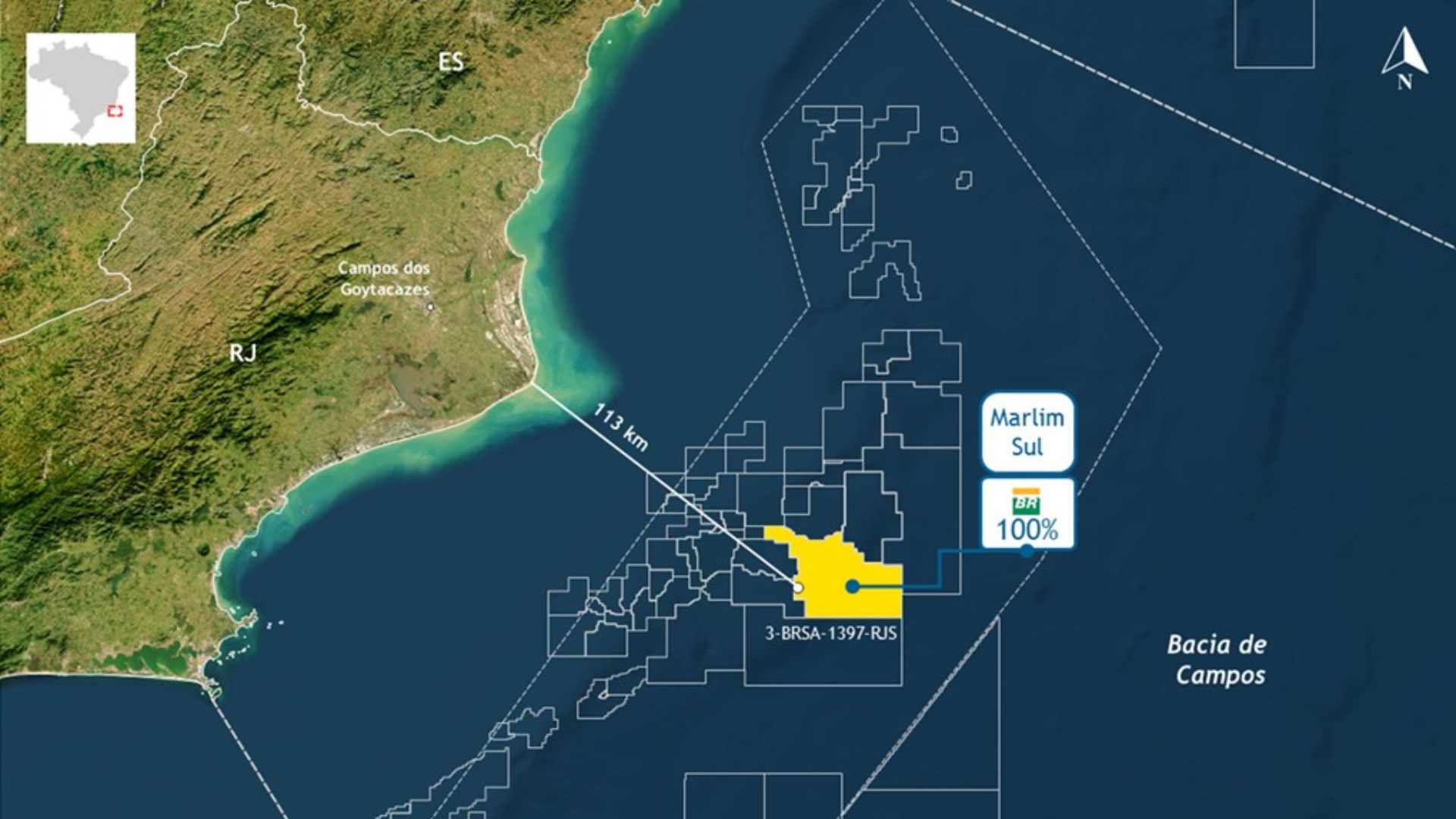
Petrobras finds high-quality oil in the pre-salt at 113 km from RJ and reignites expectations about strategic reserves in the Campos Basin.

-
Ocyan opens registrations for startups focused on innovation in the oil and gas sector and will select projects for Innovation Day with the support of Nexio.


Prompted by the current market volatility due to Covid-19 and turbulence in the energy sector, Petrobras also reduced its workforce by about 22% this year. The company plans to achieve total cost cuts of around US$ 2 billion in 2020 by reducing its overhead and freeing up unnecessary office space.
One of the Factors That Helped Brazil Save on Opex Is Petrobras Swapping Its Fleet of FPSOs for Offshore Oil Production
When the state-owned company began production in the offshore pre-salt basins, it chose to lease most of its fleet, which led to an increase in operating costs. In 2015–2016, the company began ordering more of its own FPSOs.
The numbers from Rystad Energy show that Petrobras increased its fleet of owned FPSOs by 16, while reducing the number of leased FPSOs by six from 2013 to 2020. Eight out of ten offshore fields in Brazil with initial years from 2018 to 2020 were developed through owned FPSOs, while the remaining two fields use leased units, confirming the country’s shift from leased ships to owned vessels.
Petrobras also increased its oil and gas production from 2013 to 2020, further reducing the Opex per barrel due to economies of scale. Looking at this from a global and broader perspective, fields that are already in production generally have a higher likelihood of lower Opex.
Portfolio of Oil-Producing Fields in South America Is Becoming Younger
More than 110 mature fields have been abandoned on the continent in the past eight years, with new fields now accounting for over half of the total production in South America, compared to 17% from very mature fields. Overall, the contribution to production from fields that have passed half of their lifespan has drastically decreased in South America since 2013. It will be interesting to see the cost profiles of Brazil and Petrobras when the decommissioning of older fields begins in a few years, given the country’s lack of experience in this area.
“Looking to the future, we expect that the operating cost per barrel in deepwater will remain relatively stable from 2020 to 2021. However, after 2021, we see lifting costs per production increasing by about US$ 4 per boe, remaining at that level until 2024 with an increase of approximately US$ 1 in 2025,” said Matthew Fitzsimmons, Vice President of Energy Services Research at Rystad Energy.
The uncertainty inflicted by Covid-19 means that service companies, operators, and investors will continue to scrutinize their budgets and avoid any unprofitable or high-risk projects in the coming months and years. Due to the generally low and volatile Brent price this year, oil investments and projects that do not meet the cost and risk criteria set by companies are likely to face delays.
Achieving the lowest possible cost per production will therefore be more vital than ever, despite the fact that cost reductions like those seen in 2014-2016 are unlikely, as many of the possibilities have already been exhausted. The cost-cutting strategies adopted by South America, and more specifically by Brazil and Petrobras, could serve as a roadmap for other struggling regions and countries.
By Rystad Energy






Seja o primeiro a reagir!