





 English
  Francês
  Alemão
  Italiano
  Japonês
  Norueguês
  Portuguese
  Spanish
  4 min of reading
  0 comments


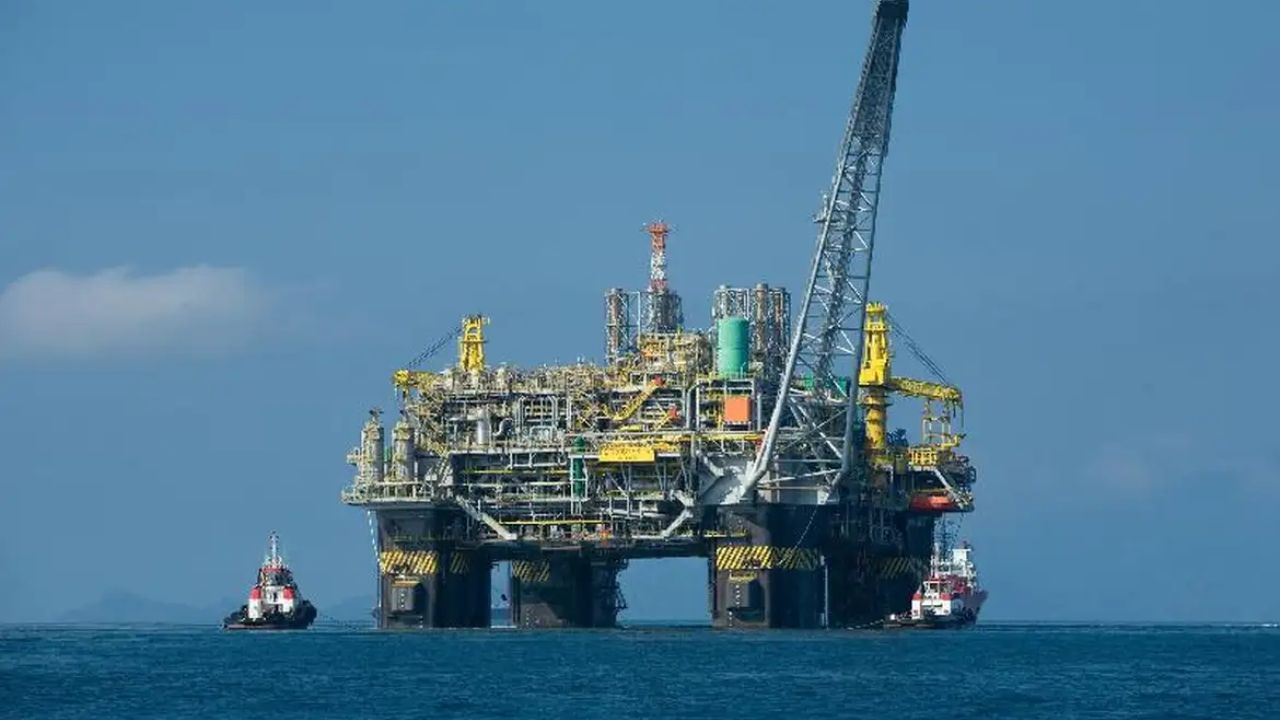
The Campos Basin, Cradle of Deep Water Exploration in Brazil, Rebirths with Technologies That Increase Oil Production and Reduce Emissions. Learn More.
The traditional Campos Basin, located between the northern coast of Rio de Janeiro and Espírito Santo, has been undergoing an impressive turnaround. In 2023, the region added more than 230,000 barrels of oil per day to Brazil’s production, thanks to the operational startup of new platforms and the application of innovative technologies.
The revitalization is part of the largest global program for the recovery of mature deep-water fields — an effort that places the Campos Basin back at the center of the oil and gas industry, even after nearly 50 years since its discovery.
This new phase is founded on sustainability, cost reduction, and intensive use of technological solutions. The operation is led by Petrobras, which has transformed the region into a true open-air laboratory, where innovation and efficiency go hand in hand.
-
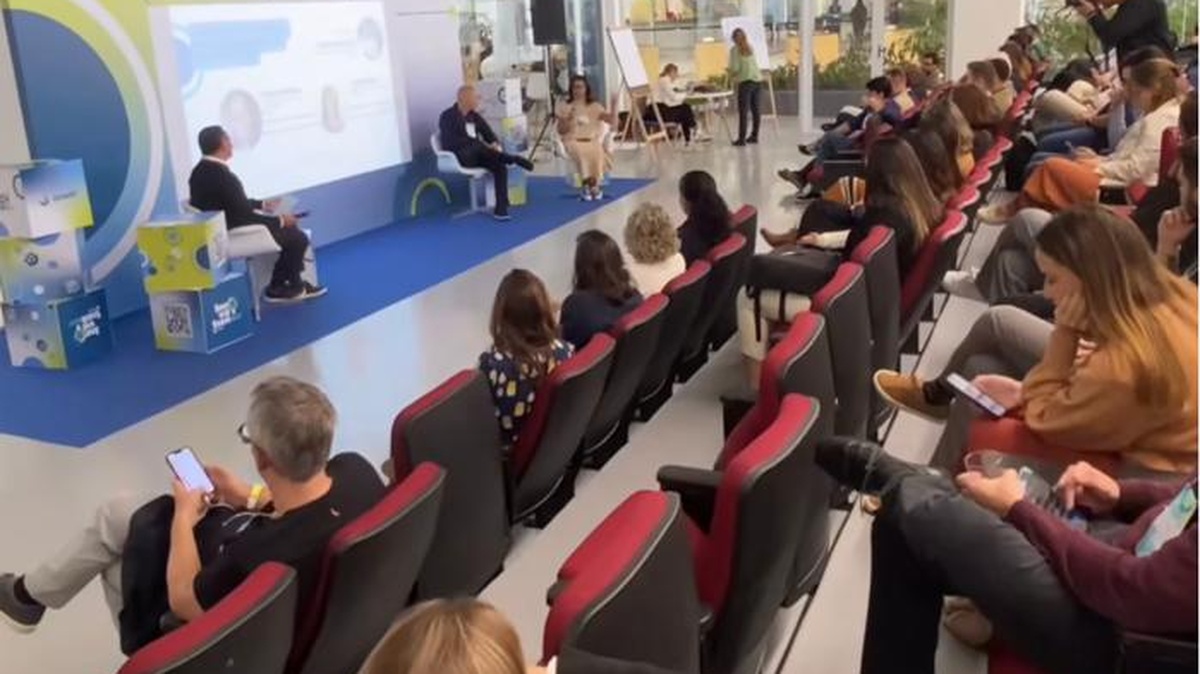
Ocyan opens registrations for startups focused on innovation in the oil and gas sector and will select projects for Innovation Day with the support of Nexio.
-
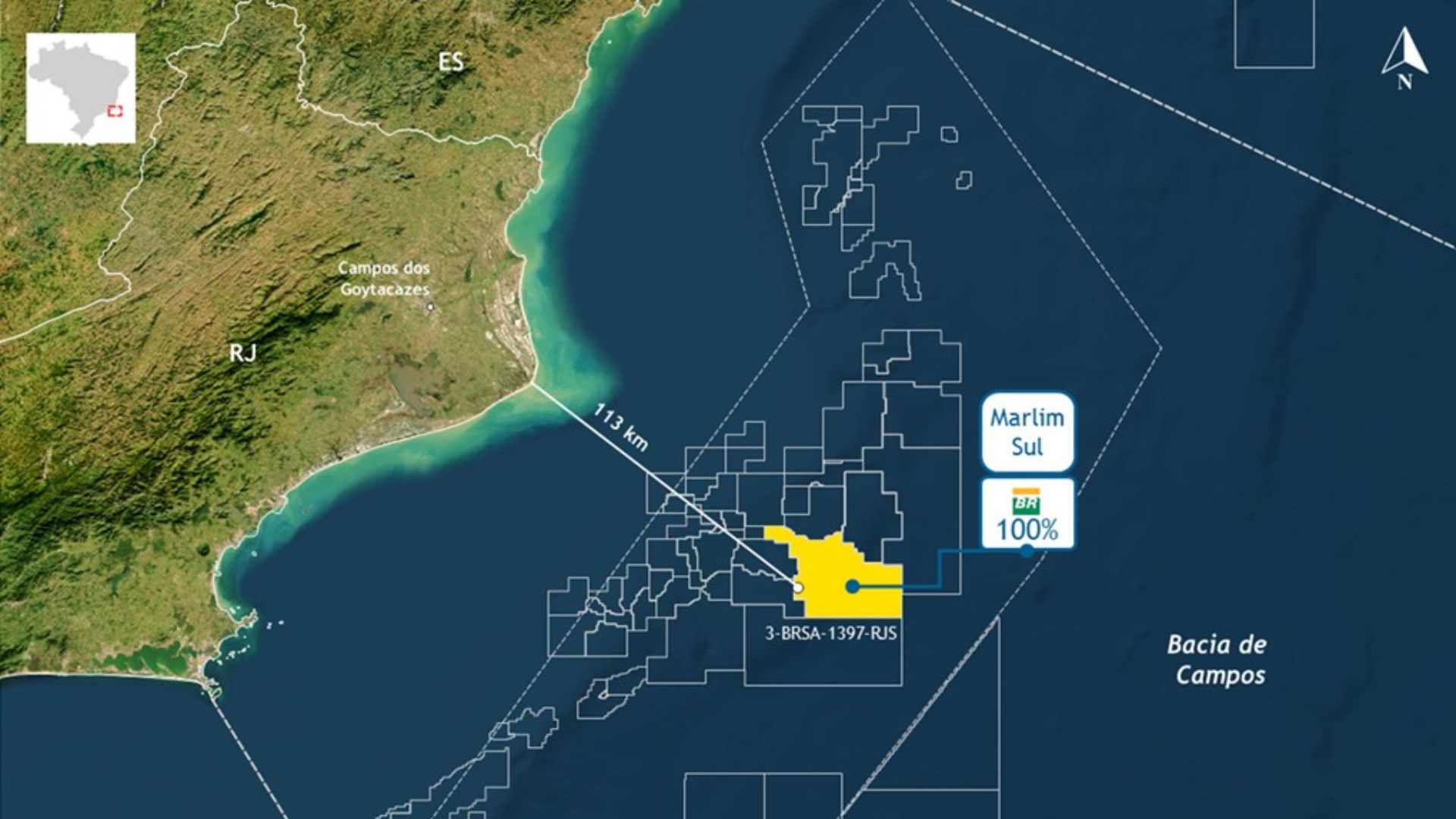
Petrobras announces new oil discovery in the pre-salt of the Campos Basin and reinforces Brazil’s prominence with high-quality reserves that can increase production and energy revenues.
-
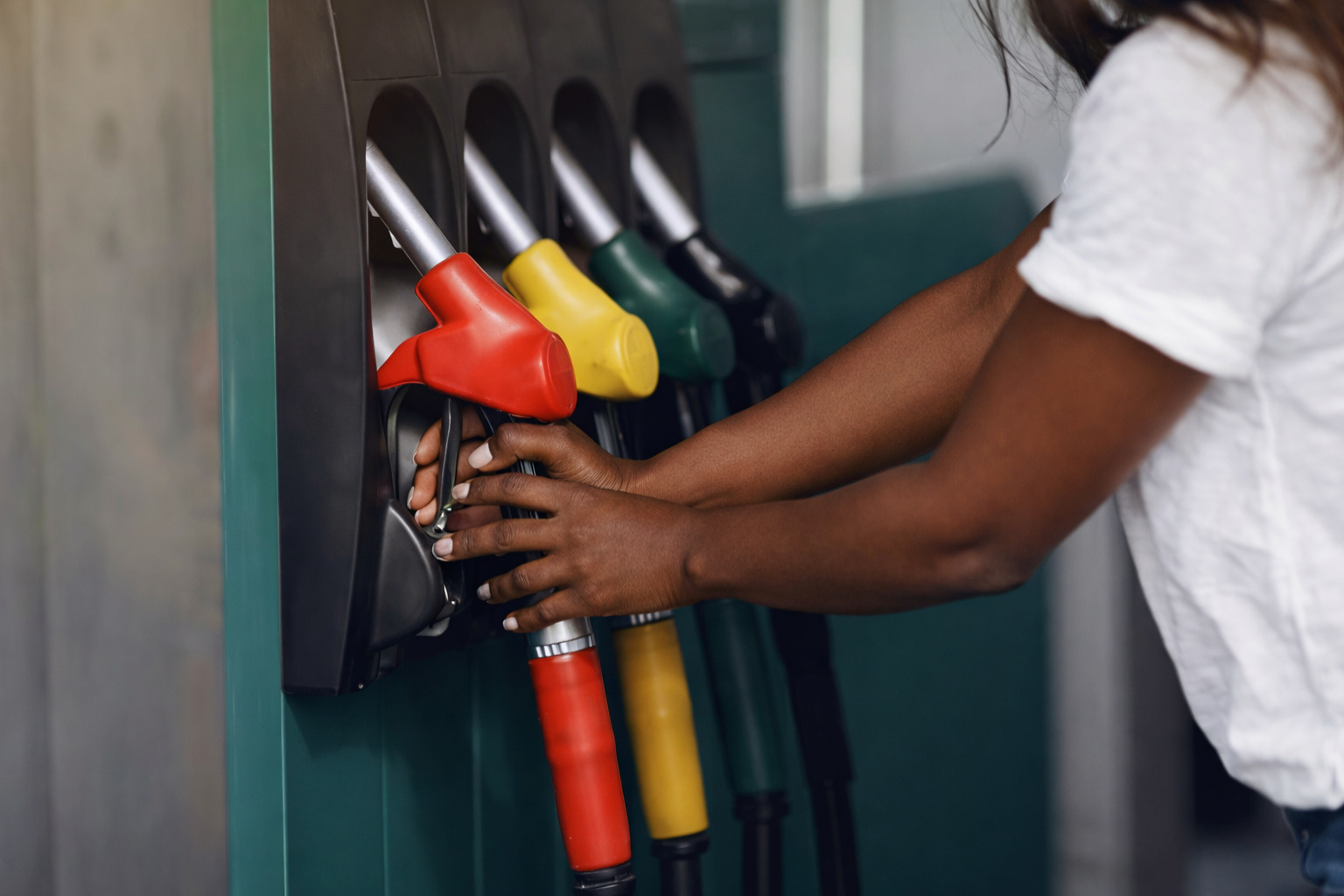
Alert in the fuel market: Analysts and a former director of ANP warn that oil prices may worsen in the coming months due to global instability.
-
Ocyan brings executives and digital solutions to Macaé Energy 2026 and highlights offshore expansion with Nexio and a new base in Macaé.

The success of the initiative has already earned the company its fifth OTC Award — the most prestigious technical award in the offshore industry — due to a 55% reduction in greenhouse gas emissions at the Marlim field.
The Glorious Past of the Campos Basin
Covering approximately 100,000 square kilometers, the Campos Basin is one of the largest sedimentary areas on the Brazilian continental shelf. Its origins date back 100 million years, formed by the separation of the South American and African continents.
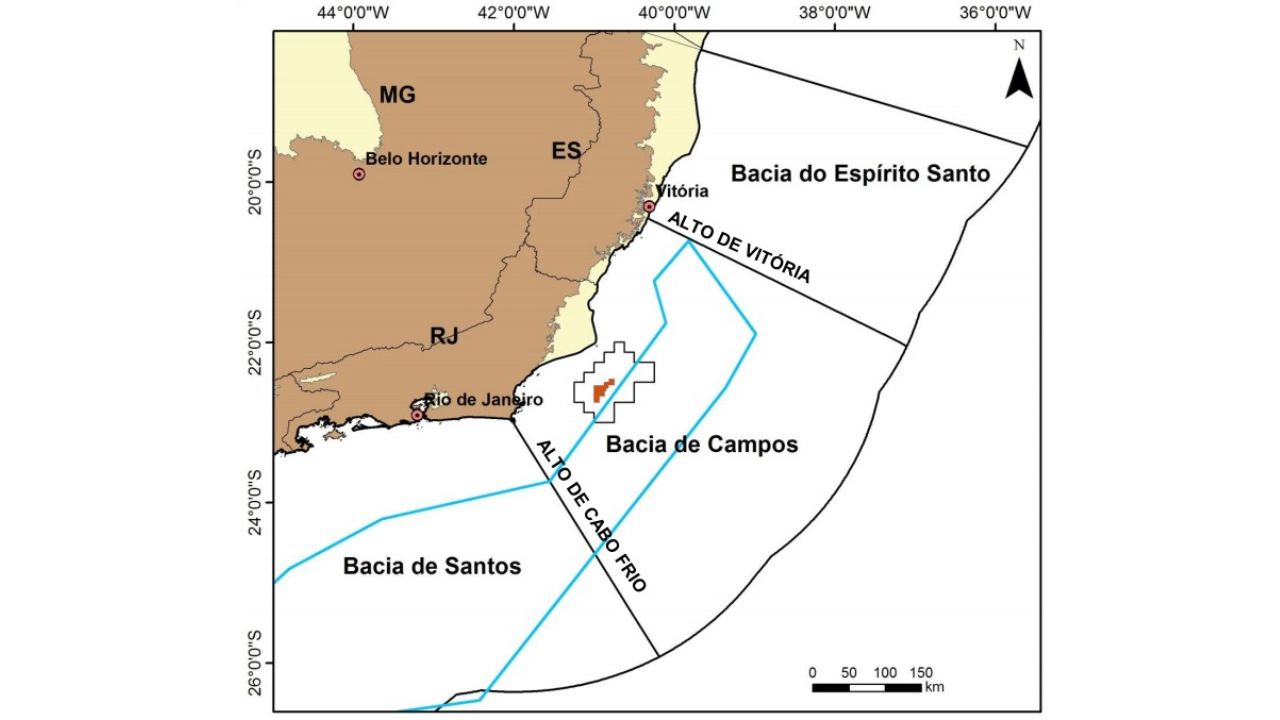
The first commercially viable field was Garoupa, discovered in 1974, at a depth of 124 meters. Offshore production officially began in 1977 at the Enchova field, using the innovative Early Production System (SPA).
The SPA was a game-changer: it reduced the maturation time of oil production from six years to just four months. This strategy allowed extraction to begin even before the definitive installation of fixed platforms.
From this milestone, the Campos Basin became the center of major discoveries in deep water in Brazil, such as the Albacora, Marlim, Roncador, and Barracuda fields.
New Phase Boosts Oil Production with Innovation and Sustainability
The recent revitalization of the Campos Basin shows that, even with decades of activity, the region still has much to offer. Two new FPSOs (floating production, storage, and offloading units) — Anita Garibaldi and Anna Nery — were installed at the Marlim field in 2023.
In addition, 45 new wells have been drilled since 2020 in various fields of the basin, leading to a significant leap in oil production.
These results would not have been possible without the use of groundbreaking technologies. One of the most relevant is the TOT-3P, an innovative three-phase drilling method.
This technique, patented by Petrobras, optimized the construction of wells, reducing the time from 110 to just 56 days — a 49% decrease. The benefits extend to the environment as well, with a reduction of about 50% in CO₂ emissions and operational costs.
Technologies That Transform the Offshore Industry
In addition to TOT-3P, the Campos Basin was also the stage for another innovation: a new model of standardization for flexible pipes.
This initiative establishes uniform technical requirements for the lines used in projects, reducing material variability, shortening contracting times, and increasing equipment durability.
Another highlight is the extended lifespan of the so-called “Christmas Trees” — underwater equipment used to control oil production in wells.
The adoption of modern methods has allowed for their reuse and greater efficiency, while also reducing costs and greenhouse gas emissions.
These practices are being incorporated into technical standards of the industry, establishing the Campos Basin as a global reference in offshore innovation.
International Recognition and Impact for Brazil
The combination of innovation, increased productivity, and sustainability led Petrobras to win its fifth OTC Award in 2024. The distinction is a global recognition of technical excellence and the positive impact of initiatives at the Marlim field.
This achievement is even more symbolic, as the company’s first award in 1992 also took place in the Campos Basin.
This recognition is not only technical — it also represents strategic gains for Brazil. The revitalization of the Campos Basin directly contributes to national energy security and reinforces the country’s position as a leader in deep-water oil exploration.
Brazil’s self-sufficiency in oil, achieved in 2006, was a direct result of the investments and learnings obtained over decades in this historic basin.
The Promising Future of the Campos Basin
Despite its age, the Campos Basin shows that it still has a vital role to play in the Brazilian and international energy landscape. More than just an extraction center, it has become a symbol of technological reinvention and environmental commitment.
The solutions developed there are already being replicated in other industry projects, raising the global operational standard for offshore activities.
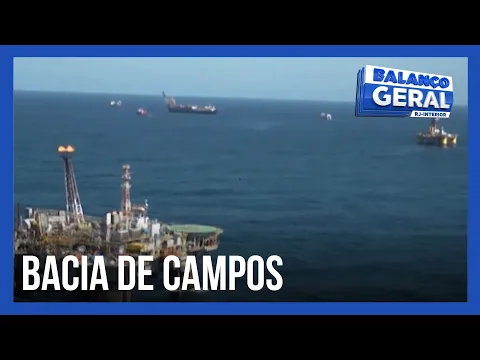

With its strategic location, accumulated experience, and continuous technological evolution, the Campos Basin remains on the radar of Petrobras’s major decisions and the energy sector.
The story that began nearly half a century ago with the discovery of the Garoupa field continues to be written — now, with even more efficiency, innovation, and environmental responsibility.
The revitalization of the Campos Basin has not only reignited oil production in Brazil but has also established the region as one of the main innovation hubs in the offshore industry.
The use of technologies such as TOT-3P, the standardization of pipes, and the reuse of equipment demonstrates that it is possible to unite high performance, cost savings, and respect for the environment. And above all, it proves that the potential of this basin is still far from being exhausted.





Seja o primeiro a reagir!