





 Portuguese
  English
  Spanish
  4 min of reading
  0 comments


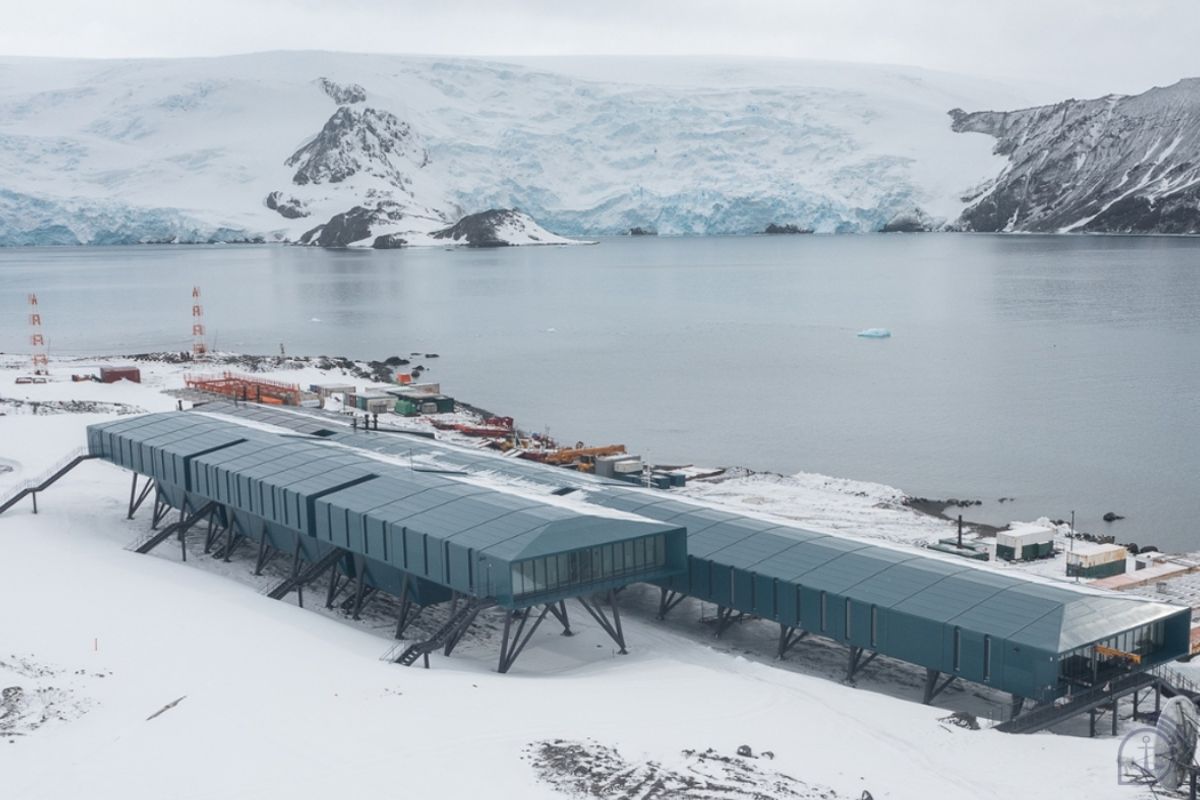
Rebuilt After a Fire and Inaugurated in 2020, the Comandante Ferraz Station Is at the Forefront of Science and Strategy for Brazil on the Coldest and Most Remote Continent on the Planet.
In the coldest, driest, and most isolated place on Earth, Brazil maintains a firm foothold. The Comandante Ferraz Antarctic Station, the Brazilian base in Antarctica, is much more than a research outpost. It is the materialization of a sophisticated geopolitical strategy, a testament to national resilience, and a platform for cutting-edge science that secures Brazil a seat at the select group of countries that decide the future of the white continent.
Sustaining this presence is a monumental logistical challenge, involving a complex annual operation by the Navy and Air Force to bring everything necessary for survival and research. In 2025, the new and modern station, rebuilt after a tragedy, is fully operational, reaffirming Brazil’s commitment to science and peace in Antarctica.
An Issue of Strategy: Why Did Brazil Create PROANTAR in 1982?
Brazil’s presence in Antarctica was a strategic decision. In 1975, the country adhered to the Antarctic Treaty, but to have voting rights in decisions about the continent, it was necessary to demonstrate “substantial scientific research interest.” It was to meet this requirement that, on January 12, 1982, the Brazilian Antarctic Program (PROANTAR) was created.
-
Millions of people have been eating yam for centuries without knowing that this humble tuber contains a compound called diosgenin, which scientists have now discovered can improve memory and help control blood sugar levels.

-
Rigid bags with their days numbered: new trend prioritizes comfort in 2026.

-
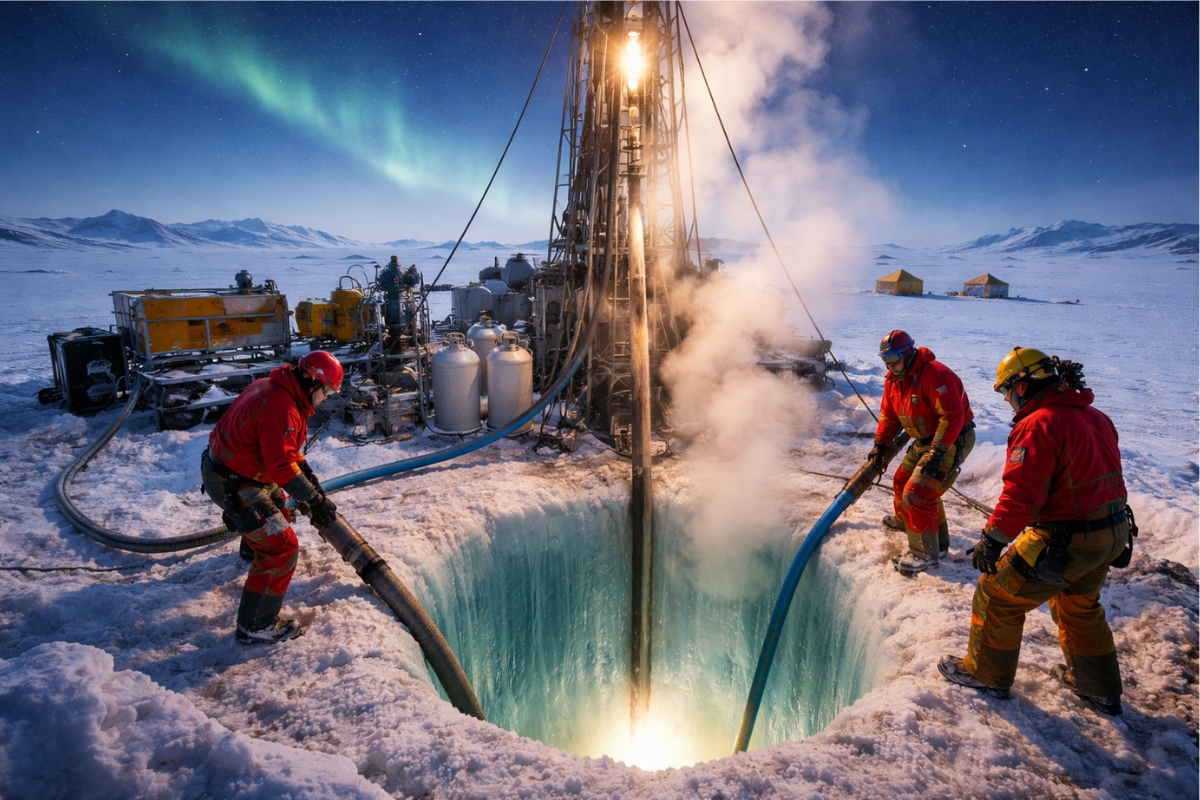
Scientists from an international project drill 1,800 meters of ice in Antarctica using hot water and discover details about one of the most intriguing places on planet Earth.
-
YouTuber creates an excavator equipped with a giant 4.5-meter sword to challenge his brother to a rematch, and the invention quickly goes viral on social media.


The goal was twofold. Geopolitically, to ensure Brazil’s presence in a neighboring continent of immense strategic importance. Scientifically, to understand the phenomena occurring in Antarctica that directly influence the climate and agriculture in our country. The first expedition, in 1982, secured Brazil’s status as a Consultative Member of the Treaty the following year.
The Tragedy of 2012 and the Reconstruction of the Comandante Ferraz Station
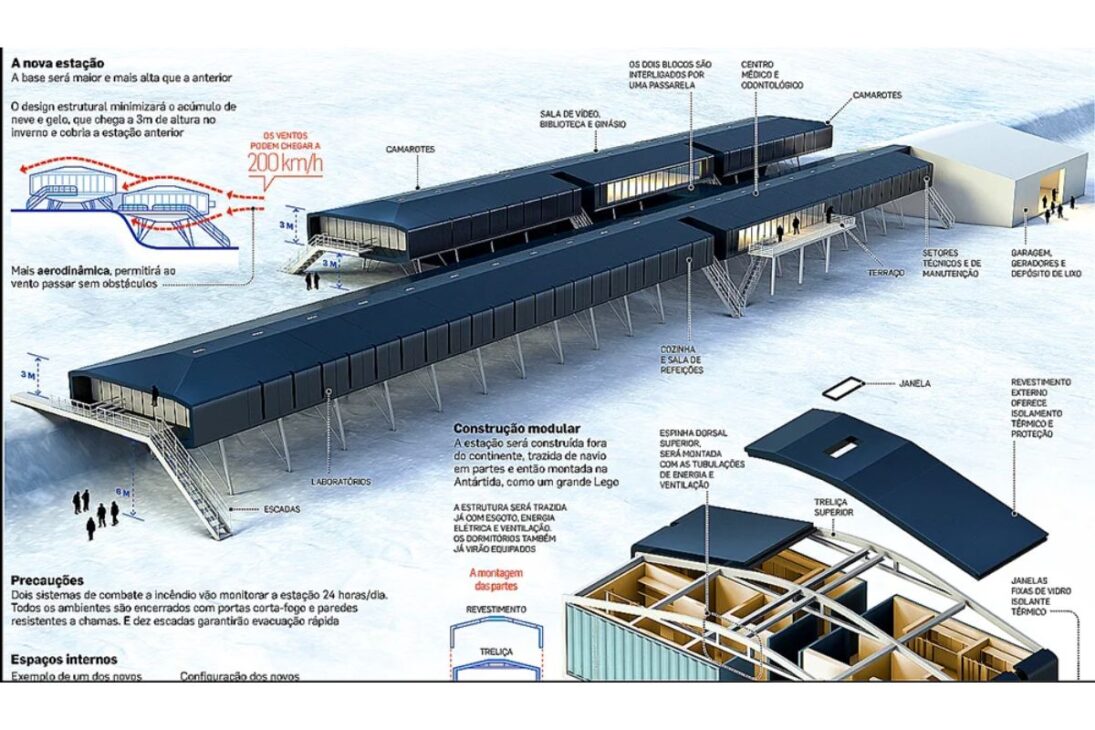
The first Brazilian base in Antarctica was inaugurated on February 6, 1984. For nearly 30 years, it was the home of Brazilian science on the continent until the tragedy of February 25, 2012. A large-scale fire destroyed 70% of the station and, tragically, claimed the lives of two Navy personnel.
Brazil’s response was swift and robust. Instead of abandoning the site, which would mean losing the right to presence, the government decided to invest in a quality leap. With a cost of approximately 100 million dollars, a new station was designed. The construction, an international logistical challenge, was entrusted to the Chinese company CEIEC. The new and modern Comandante Ferraz Antarctic Station was inaugurated on January 15, 2020, with double the capacity and cutting-edge technology.
How the Navy and FAB Ensure Survival in Antarctica
Maintaining the Brazilian base in Antarctica requires an impeccable logistics operation, coordinated by the Brazilian Navy. The backbone is the annual OPERANTAR missions, carried out during the summer with the polar ships “Ary Rongel” and “Almirante Maximiano.” They transport tons of fuel, food, equipment, and personnel to the station.
Aerial support, provided by the Brazilian Air Force (FAB), is equally crucial. With the C-130 Hercules and the modern KC-390 Millennium aircraft, the FAB ensures the rapid transport of personnel and, more importantly, guarantees the resupply of the base during the harsh winter, when the sea freezes and prevents the arrival of ships. In these missions, supplies are dropped by parachute to the team remaining isolated.
Science as Passport: What Is Researched at the Brazilian Base in Antarctica in 2025?
High-quality scientific production is what legitimizes Brazil’s presence in Antarctica. In 2025, the station is fully operational, as evidenced by the XLIII Antarctic Operation (2024-2025). This mission supports 24 research projects and involves 171 scientists from various fields.
The research topics are varied, ranging from the study of fungi and the impacts of climate change to geology and marine biology. The new station, with its 17 modern laboratories, provides a world-class platform for Brazilian scientists to develop their work and contribute to global knowledge about the continent.
Challenges and the Future Until 2048: Sustaining Brazilian Presence on the Ice


The biggest challenge for the Brazilian base in Antarctica and for PROANTAR is financial sustainability. The program relies on a complex budget, which often needs to be supplemented by parliamentary amendments and partnerships, such as the historic collaboration with Petrobras for fuel supply.
Maintaining a strong scientific and logistical program is a strategic investment. By 2048, the Madrid Protocol, which prohibits mineral exploitation in Antarctica, may be reviewed. Brazil’s position in this future debate will depend directly on the weight of its science and its reputation as a relevant and responsible actor on the continent. The new Comandante Ferraz Station is the centerpiece of this strategy.







-

-

-

-

-

-

28 pessoas reagiram a isso.