





 Portuguese
  English
  Spanish
  4 min of reading
  0 comments


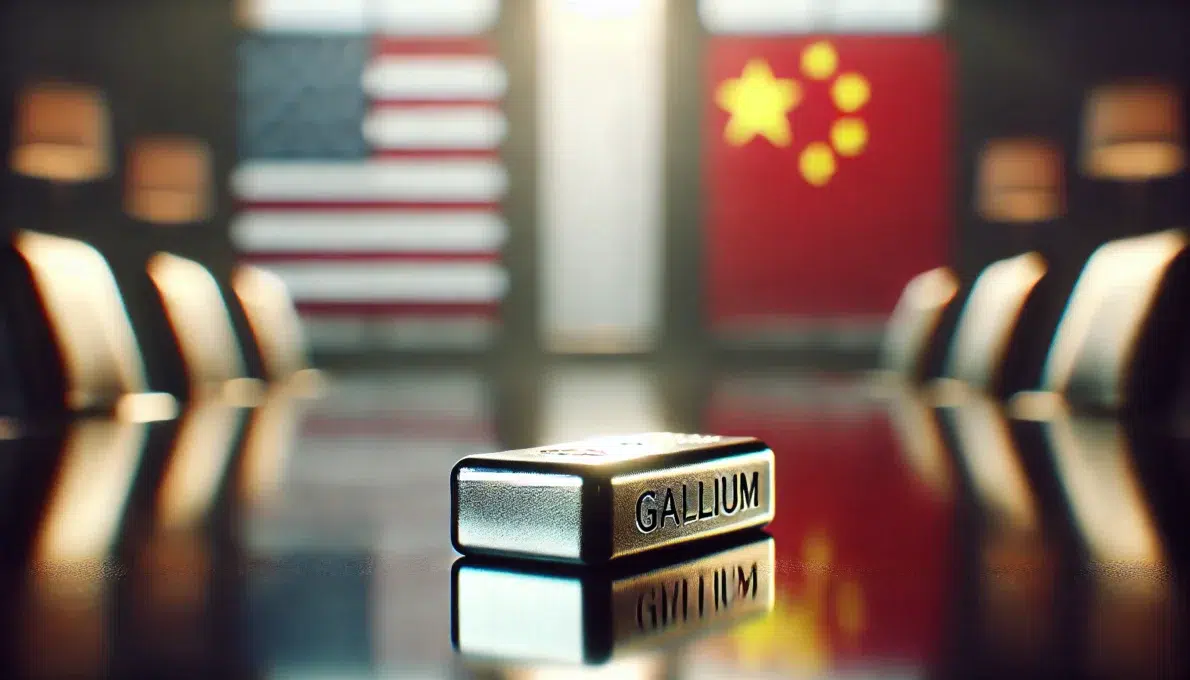
Gallium: The Strategic Metal That Transformed The Rivalry Between The U.S. And China Into A Race For Technological And Military Supremacy
Gallium is a very special metal. Its physicochemical properties make it ideal for being combined with other metals in the manufacturing of a special type of integrated circuits known as wide-band semiconductors. These chips have three characteristics that make them extremely valuable for the production of advanced military equipment: they support higher voltages, temperatures, and frequencies than conventional silicon integrated circuits. China
During the 1970s, the U.S. Defense Advanced Research Projects Agency (DARPA) devoted many resources to the development of semiconductors involving gallium, due to the potential of this metal in military technology projects. Gallium arsenide (GaAs) played a crucial role in the development of the Global Positioning System (GPS), in addition to being used in the enhancement of radars and precision weapons.
Currently, gallium nitride (GaN), which is also backed by DARPA, is being used in the manufacturing of next-generation radars capable of accurately identifying smaller, faster, and more numerous objects at greater distances. Each of these radars contains thousands of chips that utilize gallium. With all this in mind, the conclusion is clear: gallium is an essential metal for the United States. But this country is not the only military superpower in the world.
-
Haiti’s capital is experiencing an energy and construction crisis, facing blackouts, a blocked port, and buildings at risk after years of instability and a significant earthquake.

-
If the USA were to go to war with Brazil, Washington’s greatest fear would not be the attack itself, but facing a vast territory, prolonged resistance, and a costly, chaotic, and unpredictable occupation.

-
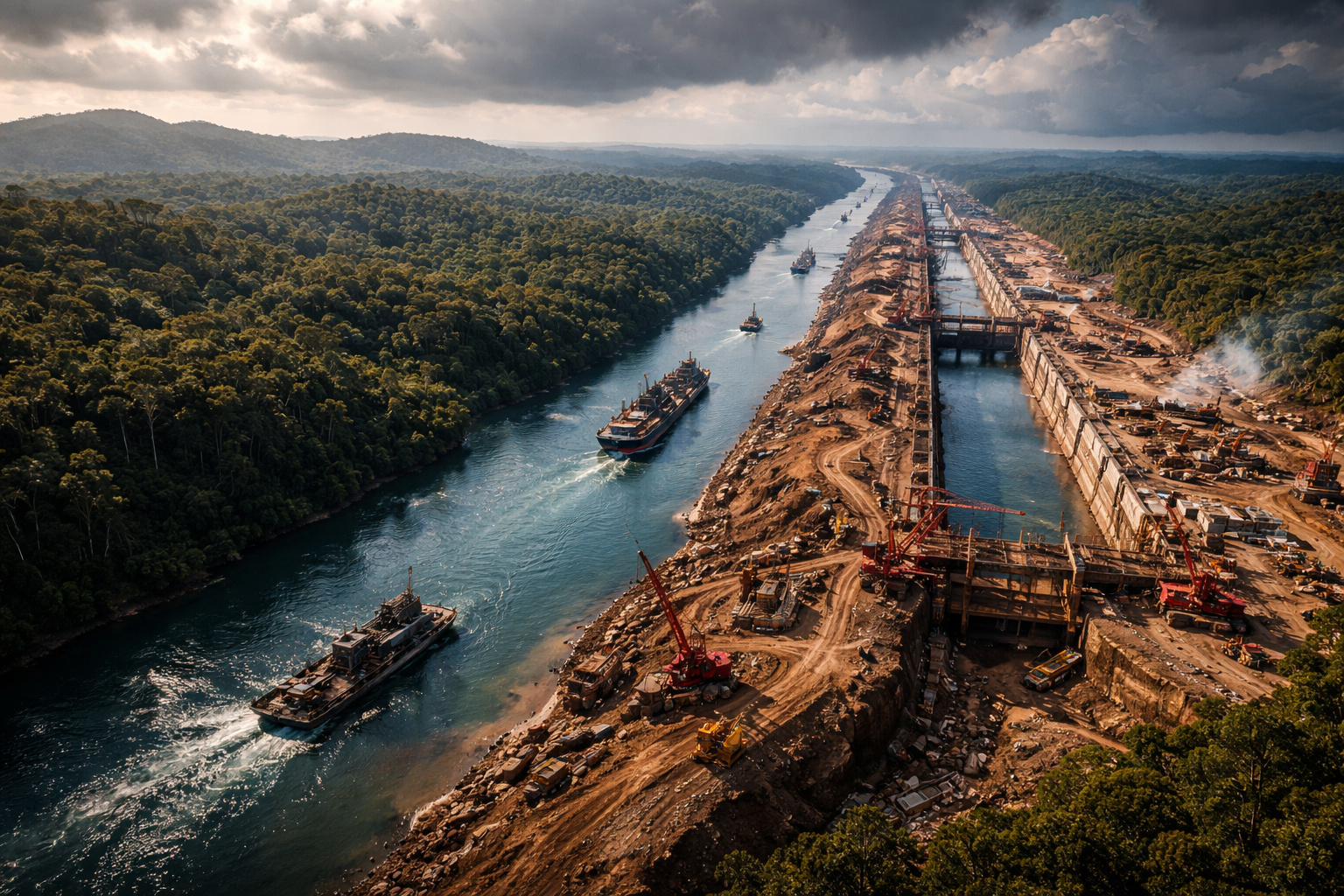
In 2013, Nicaragua sold the concession for a canal to rival Panama to a Chinese billionaire who lost 85% of his fortune, disappeared, and was declared bankrupt. Now the project resurfaces with a new route, a new Chinese partner, and a cost of $64.5 billion.
-
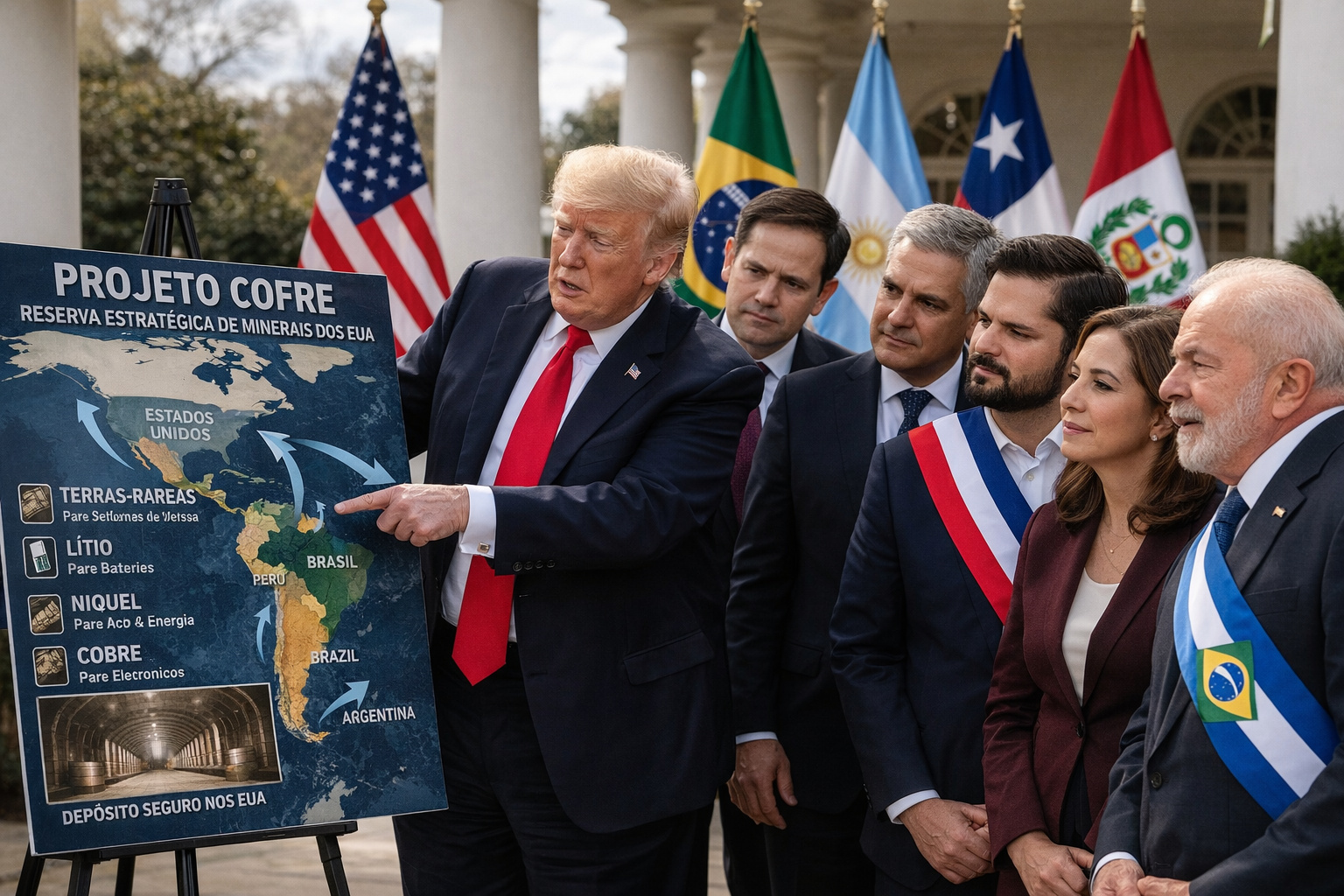
The USA announces a mysterious billion-dollar vault project to store critical minerals, but what intrigues experts is not just the plan itself, but why Latin America, including Brazil, has entered the center of this global dispute against China.



China Is Using Strategic Metals As A Geopolitical Tool
On July 3, 2023, the Chinese Ministry of Commerce announced that it was preparing to impose new restrictions impacting the export of gallium and other metals. These measures came into effect on August 1, 2023. At first, the fact that a country makes it harder to export one or more metals it produces shouldn’t cause a global crisis. However, there is one fact that cannot be ignored: China monopolizes gallium production. Until 2022, the country was responsible for 98% of the world’s raw gallium production.
For Xi Jinping’s government, this metal has a strategic value comparable to that which it holds for the U.S., due to its potential in military applications. Moreover, controlling the export of gallium allows China to respond to the sanctions that the U.S. and its allies have been imposing on the Chinese semiconductor industry. In any case, the Chinese government is sending a very clear message to the U.S. and its allies: China is willing to use the strategic metals it controls as a tool of geopolitical pressure.
The thirteen months since the gallium export restrictions came into effect have had serious consequences. The most obvious is that the global supply chain linked to electronics and the defense industry has been profoundly impacted. Additionally, as we explained just a week ago, the price of gallium and germanium, another chemical element of great strategic relevance, has skyrocketed.
Controlling The Export Of Gallium Allows China To Respond To U.S. Sanctions And Its Allies
In practice, the cost of germanium increased from $1,200 per kg in the first quarter of 2023 to $2,600 per kg in the third quarter of 2024. The price of gallium rose less, but the difference is also significant. In fact, its cost increased from about $300 per kg at the beginning of 2024 to approximately $530 per kg currently. Since August 1, 2023, Chinese producers need to obtain an export license to sell gallium, germanium, and their derivatives outside of China.
In this scenario, the U.S. did not remain idle. They could not. Gallium control has already contributed to China’s military development. The goal of Joe Biden’s administration is to reduce the risks associated with China’s supply chain control and protect its own supply chains, minimizing dependence on the country led by Xi Jinping. However, achieving this under current conditions is not a simple task.
The first step the U.S. took was to invest in gallium extraction and refining capacity within its own borders. In addition, the country is cooperating with its allies to increase the extraction and refining capacity of this metal abroad. However, there is more: the U.S. is promoting the development of technologies that allow recycling gallium to relieve pressure on the global supply chain. Finally, Joe Biden’s government is encouraging the maintenance of a minimum reserve of gallium sufficient to meet defense industry needs for one year. In the coming months, we will see how this scenario unfolds, but the prospects are interesting.








Seja o primeiro a reagir!