





 Portuguese
  English
  Spanish
  5 min of reading
  0 comments


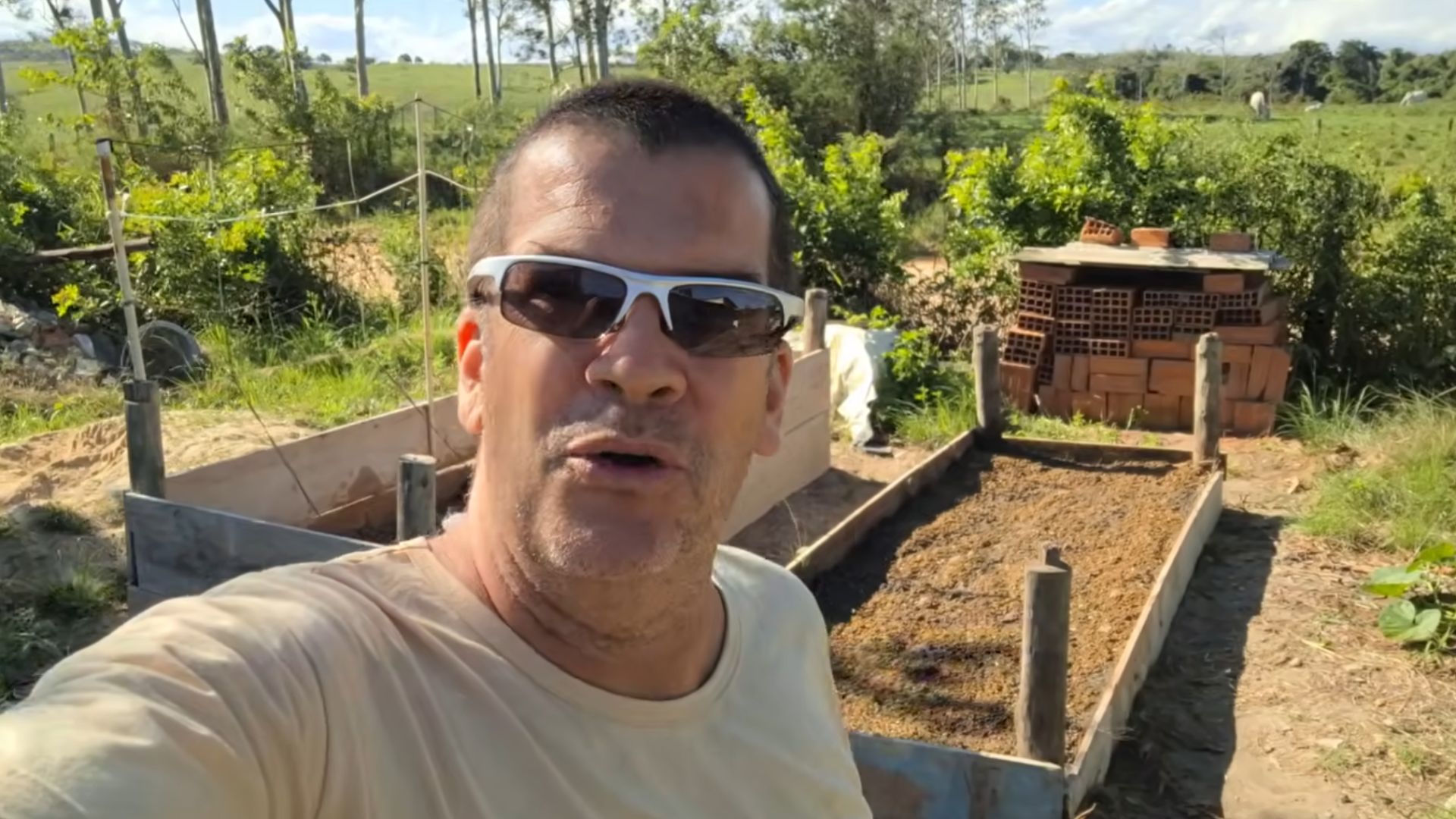
Simple technique transforms waste into efficient agricultural production with raised structure, multiple layers of substrate, and accelerated cultivation in small space, showing how reused materials can ensure fresh food in few weeks with low investment and accessible management.
The construction of a suspended garden with reused materials and low investment gained prominence after a video published on the channel Foot on the Road Brewer, in which Leonardo Arrigoni presents, in practice, the step-by-step of the structure set up on a property.
According to him, the technique allows for cultivating vegetables in a short time, using simple inputs like tarpaulin, wood scraps, ashes, and manure.
Right at the beginning of the video, Arrigoni explains that the proposal arose from the need to utilize resources already available on site.
-
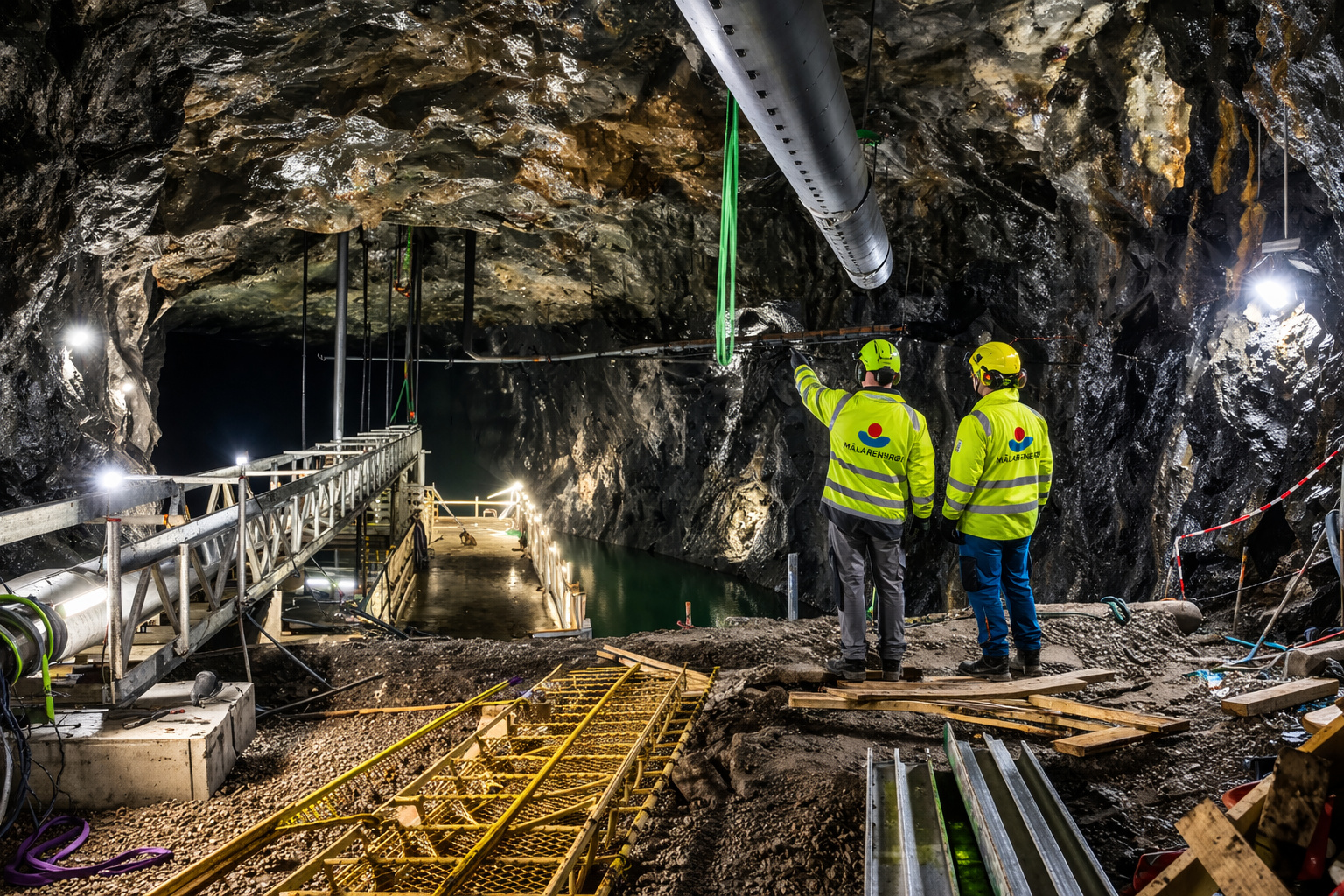
With a volume of 300,000 cubic meters, an old oil depot is transformed into a giant thermos, heating an entire city in Sweden and potentially changing the way energy is stored worldwide.
-
Brazil is chosen as a global laboratory against plastic waste in a project that could last up to 7 years with tens of millions of dollars in investment to prove that the circular economy works on a continental scale.

-
A new study suggests that the Strait of Gibraltar may disappear because the rocks beneath it are triggering a subduction process that could reshape the entire Atlantic Ocean in the next 20 million years.

-
There is a little-known function that allows you to earn a salary in dollars working from home without knowing anything about programming, and Brazilians are already making up to R$ 35,000 per month organizing inventories and routes for American companies.

As reported by him, the structure was made with reused wood from an old construction, which reduced costs and avoided waste.
How to assemble the structure of the suspended garden with reused materials

According to Leonardo Arrigoni, the first step was to assemble the base of the garden with pillars fixed at the four corners and side boards to support the contents.
He highlights that he opted for two models: one simpler, with one side board, and another more robust, with two sides and support for climbing plants, such as tomatoes and cucumbers.
Additionally, according to the content creator, a plastic tarpaulin was installed at the bottom of the structure to retain moisture.
“The tarpaulin holds the water and prevents it from draining quickly,” he explained in the video. The material, common in construction, was reused without the need for purchase.
Moreover, he used old PVC pipes to create a kind of vertical support, forming a net that allows the growth of plants that need support.
As he pointed out, reused wires and ropes helped to form this structure at no additional cost.
Layers of the substrate: how the technique with 8 levels works
One of the central points presented by Arrigoni is the composition of the substrate in multiple layers, which improves drainage and fertility.
According to him, this organization favors the development of plants. The first layer was formed by thin branches and dry leaves, collected from the property itself.
Next, he added a layer of larger leaves, such as those from almond trees, creating a rich organic base in plant matter.
Subsequently, as explained in the video, alternating layers of clay soil and construction sand were added.

This combination, according to him, helps to balance water retention and drainage of the system. After that, the producer added charcoal and ashes from campfires and barbecues.
According to Arrigoni, these elements contribute phosphorus and other important nutrients to the soil.
“The idea was to enrich the soil with what I already had available,” he stated. The next step included the application of lime, used to correct soil acidity.
Finally, the system was completed with chicken manure, which provides essential nutrients for plant growth.
Preparation time of the garden and start of planting
After assembling the layers, Arrigoni emphasized the importance of a resting period for the substrate before planting.
According to him, one of the structures was left “curing” for about a week, while the other received seedlings the very next day.
This occurred due to the presence of previously enriched soil. He also mentioned that initial irrigation is essential to activate the biological processes of the soil.
As demonstrated in the video, water was applied right after the addition of manure.
Production in two months with low cost draws attention

About two months after planting, the results were already visible. According to Leonardo Arrigoni, the garden produced bell peppers, corn, kale, green onions, and chicory in a short time.
Images show the rapid development of the crops, including forming corn ears and kale leaves ready for consumption.
He also mentioned the presence of pests, such as caterpillars, which were controlled manually.
“It’s already yielding results in a short time,” he highlighted. The diversity of crops, according to him, demonstrates the efficiency of the system even with simple resources.
Home composting accelerates soil fertility
In addition to the main gardens, Arrigoni also showed an area dedicated to composting.
As he explained, organic waste from the property, such as food scraps, coffee grounds, and cardboard boxes, are incorporated into the soil.
The goal is to accelerate nutrient production. He emphasized that the material is constantly turned to facilitate decomposition.

“We are feeding the soil to have a faster result,” he stated. This process, according to him, is an efficient alternative for those who do not initially have fertilized soil.
Suspended garden technique can be replicated at home
Throughout the video, Leonardo Arrigoni reinforces that the proposal of the suspended garden is to be accessible and adaptable.
As he pointed out, the use of reused materials and simple inputs makes the method viable even with a limited budget.
He also encouraged the reproduction of the technique in other spaces. The experience presented on the channel Foot on the Road Brewer demonstrates that, with planning and creativity, it is possible to produce food at home efficiently.








Seja o primeiro a reagir!