





 Portuguese
  English
  Spanish
  4 min of reading
  1 comment





New Mega Project from China in Xinjiang Cost US$ 3.5 Billion, Crosses the Tianshan Mountain Range at 3,000 Meters Above Sea Level, Supports 40-Degree Below Zero Cold, Cuts the Journey from 7 Hours to 3h30 and Promises to Become a World Attraction for Road Tourists and Boost the Regional Economy of Xinjiang.
On Friday, December 26, 2025, China launched the Tianshan Shengli Tunnel in the Xinjiang region, connecting two cities separated by the Tianshan mountain range on a direct route via the Urumqi Yuli expressway. The corridor is presented by authorities as the largest express road tunnel in the world, with two lanes in each direction and a maximum speed of 80 km/h.
The project, which began in April 2020 and was completed in January 2025, consumed approximately US$ 3.5 billion and required excavations in the heart of the mountain at about 3,000 meters above sea level, under temperatures that reached 40 degrees below zero. With a length of 22.1 km, the tunnel reduces a journey that previously took 7 hours, navigating around the mountains, to about 3h30 of travel, and will be fully open to the public on January 1, 2026, after a testing and traffic simulation phase scheduled until December 31, 2025.
22.1 Km Tunnel Changes the Roadmap in Xinjiang

The Tianshan Shengli is the most complex section of the Urumqi Yuli expressway, designed to shorten internal distances in the westernmost province of China and better integrate its cities and productive zones.
-
New CCR concrete paving technology promises roads up to 3x more durable, less maintenance, and cost reduction in Brazil.

-
Made from recycled plastic, plastic wood is gaining space in the construction industry because it does not rot, resists moisture, and reduces maintenance costs over the years.

-
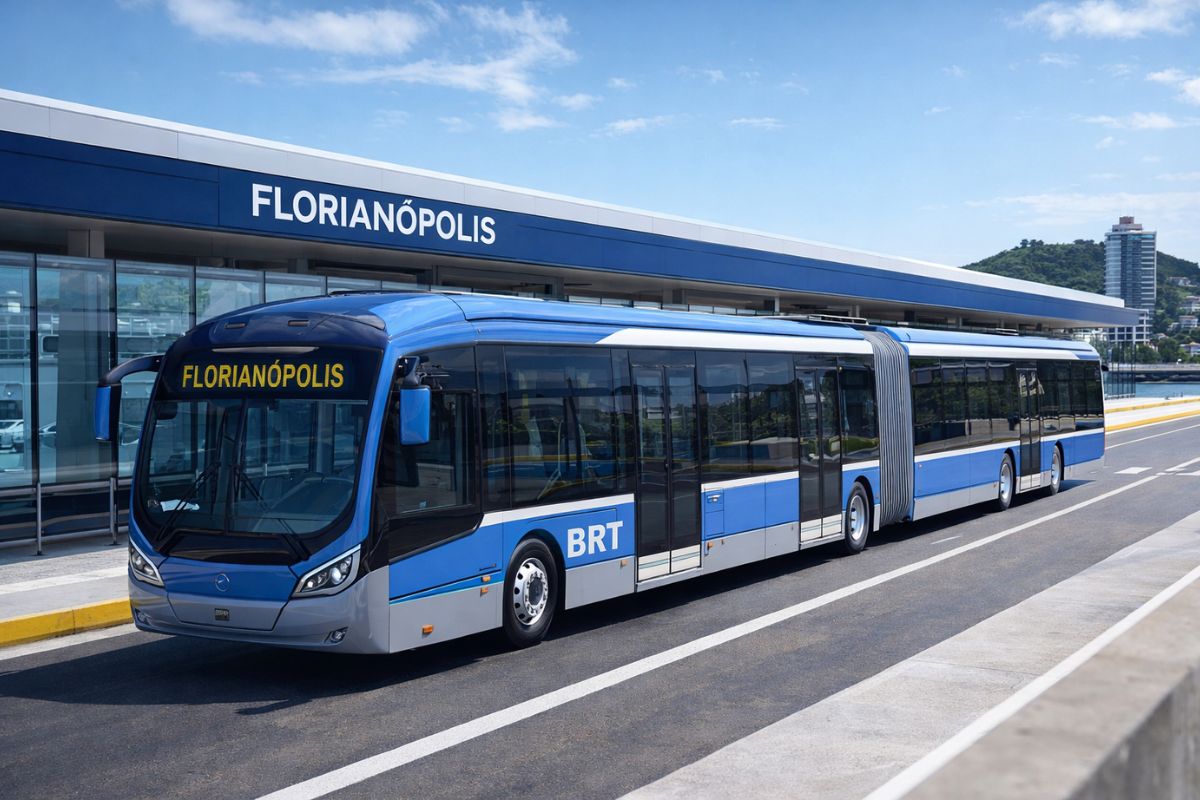
Florianópolis will receive a million-dollar BRT that will begin construction in 2026 with nearly 400 million in funding from the federal government and the Inter-American Development Bank, and the map already shows the routes for the exclusive bus corridors.
-
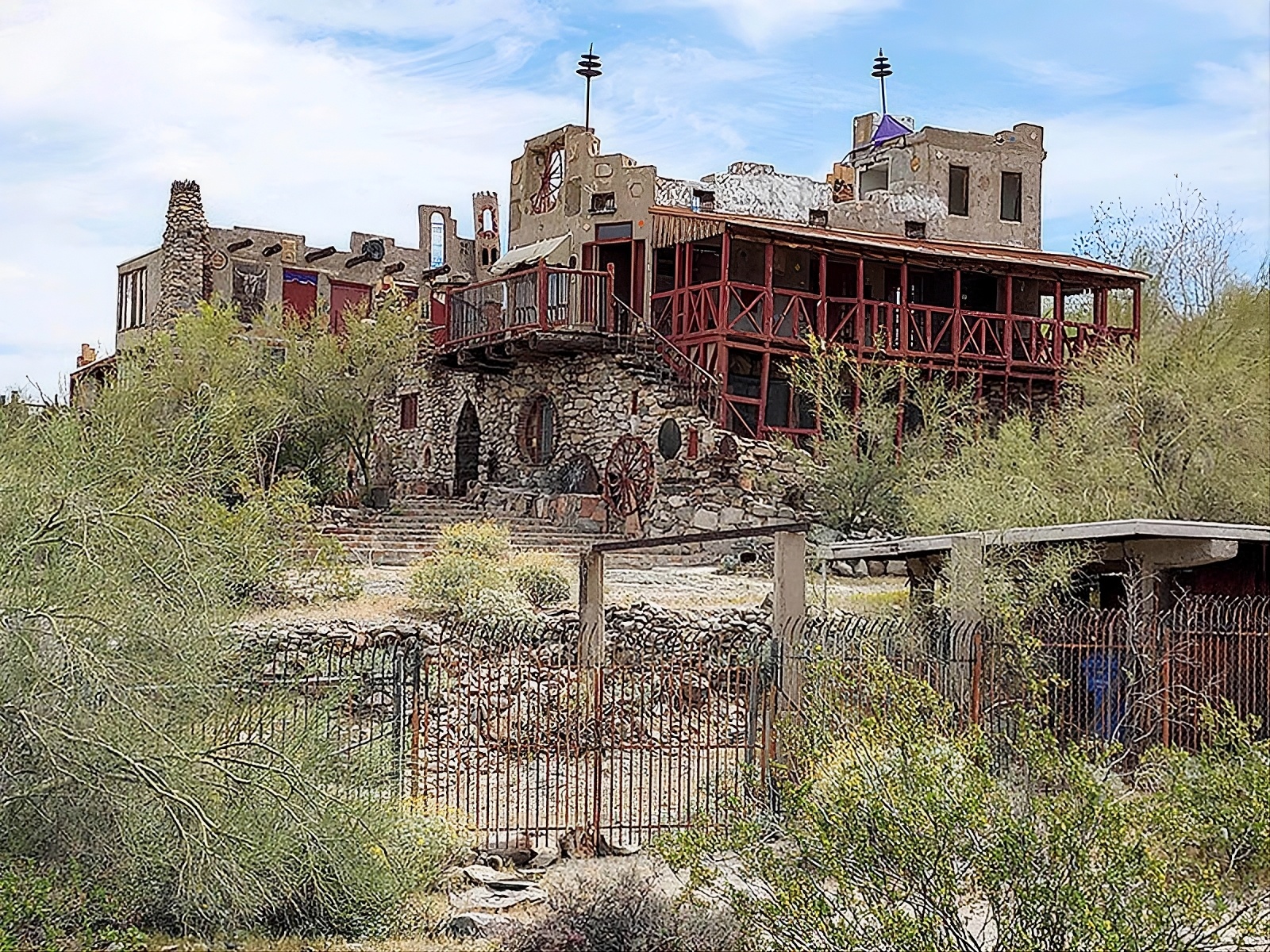
Without a blueprint, without an engineer, and using scrap from the dump, a father spends 15 years building an 18-room castle for his daughter, featuring tram tracks, 13 fireplaces, and over 700 m², which may now be demolished.

By drilling through the Tianshan mountain range in a nearly straight line, the country eliminates curves, long ascents, and descents that previously forced drivers to make lengthy detours.
According to regional authorities, the new route is expected to reduce logistics costs, shorten travel times for trucks and buses, and increase the movement of people between the two cities connected by the tunnel.
In practice, China gains a sort of permanent shortcut within Xinjiang, designed for both cargo transport and the flow of domestic and international tourism.
Billion-Dollar Construction in 52 Months with 3,000 Workers
The construction of the Tianshan Shengli tunnel began in April 2020, during the pandemic, with an initial forecast of around 72 months of work using conventional engineering methods.
With new techniques and site organization, the builders managed to shorten the schedule to 52 months, delivering the main structure in January 2025.
Approximately 3,000 workers participated in the project throughout the entire period, in continuous shifts. Excavation machines, ventilation systems, and heavy equipment were transported to an altitude of 3,000 meters, where the air is thinner and working conditions are more challenging.
For the authorities in Xinjiang, the tunnel has become a symbol of China’s ability to accelerate complex infrastructure projects in remote areas.
Cold of 40 Degrees Below Zero and 3,000 Meters Above Sea Level
One of the most highlighted points by the regional government is the climate challenge. The work was carried out in a mountainous area where the thermometer can drop to 40 degrees below zero, with heavy snow and strong winds for much of the winter.
These conditions required extra precautions regarding safety, electricity, construction materials, and team movements.
Working at about 3,000 meters above sea level also increased the risk of fatigue and health problems for workers.
For this reason, China adopted special schemes for lodging, transportation, and breaks, as well as monitoring systems within the excavation fronts.
The final operation of the tunnel includes robust ventilation, continuous lighting, and emergency systems, aimed at ensuring that drivers can traverse the 22.1 km with the utmost safety possible.
China Competes for Mega Construction Showcase with Other Tunnels Around the World
Although it is presented as the largest express road tunnel in the world, the Tianshan Shengli is not the longest road tunnel ever built.
This title still belongs to the Lærdal Tunnel in Norway, inaugurated in 2000, which has a length of 24.5 km and also a speed limit of 80 km/h. The difference is that the Chinese section is part of a high-standard expressway, designed for large vehicle flows.
With the new tunnel, China reinforces its strategy of using mega infrastructure projects to integrate remote regions while also creating new road postcards for the country.
The expectation is that the crossing of the Tianshan Shengli, combining high engineering, mountain scenery, and technology, will become a world road attraction, attracting drivers, tourists, and influencers interested in documenting the experience of crossing 22.1 km inside a mountain in Xinjiang.
Would you dare to drive for more than 22 kilometers inside this tunnel in China in the midst of a winter of 40 degrees below zero?










I don’t understand taking 3.5 hours to drive 22 km at 80km/h ,I did not read well or the travel is longer between the 2 cities .Good work.😁