





 Portuguese
  English
  Spanish
  3 min of reading
  0 comments


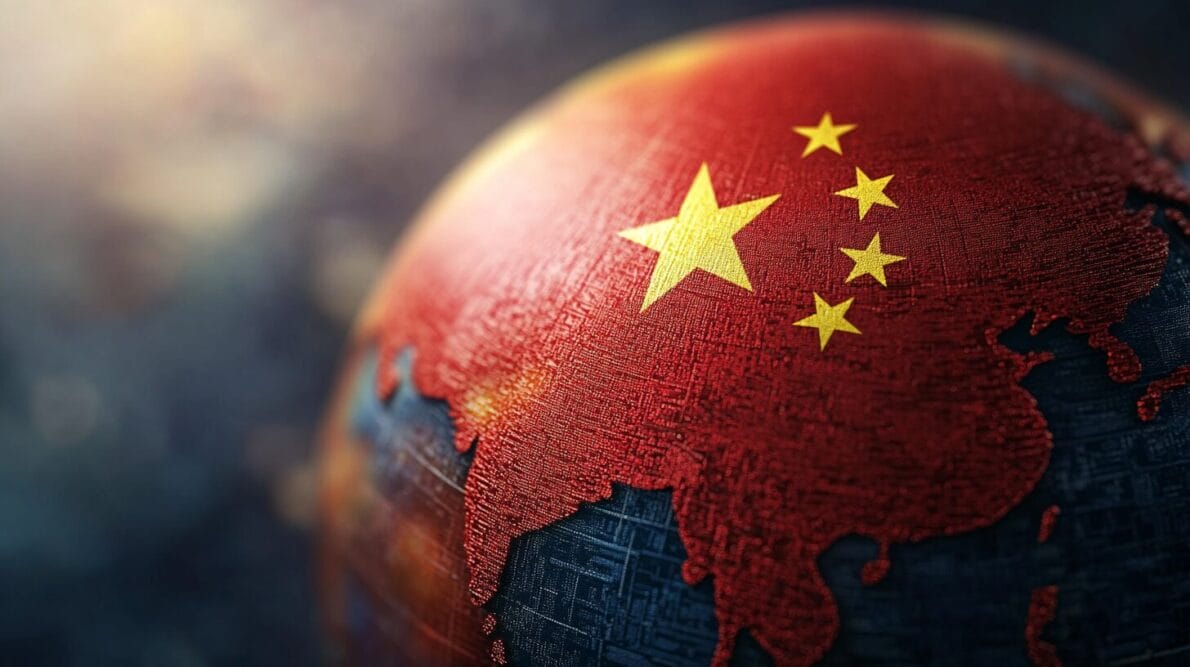
Reinvigorating the Chinese Economy: Investment in Infrastructure and Technology Is the Key to China’s Growth Against Other Superpowers?
The Chinese government announced an ambitious project to reinvigorate the economy, focusing on infrastructure and high technology. However, experts question its effectiveness due to the neglect of the real estate crisis and low domestic consumption. China, under the leadership of the Communist Party, presented a new economic plan aimed at revitalizing its economy amid a global landscape of uncertainties. The project, which focuses on massive investments in infrastructure and technology, seeks to stimulate scientific innovation and position the country as a global leader in high technology. However, the lack of attention to real estate crises and low domestic consumption has raised doubts about the actual effectiveness of these measures, according to the econoliviapocast channel.
Bet on High Technology and Scientific Innovation
The new economic plan of China promises significant investment in high technology and scientific innovation sectors. The government is committed to leveraging the development of new technologies such as artificial intelligence, 5G, and biotechnology. This includes strategic partnerships with companies and universities to foster research and development.
However, the lack of competition in the Chinese market, due to the Communist Party’s control, raises concerns about the country’s ability to maintain a sustainable and competitive innovation in the long term. Experts argue that the absence of a competitive environment may limit creativity and efficiency, which are essential for technological progress.
-
Unemployment rises again to 5.8% at the beginning of 2026, raising alarms about the end of temporary positions and its impact on the Brazilian job market.

-
Document organization can cut invisible costs in small businesses, a simple step that prevents waste, rework, and losses in daily operations.

-
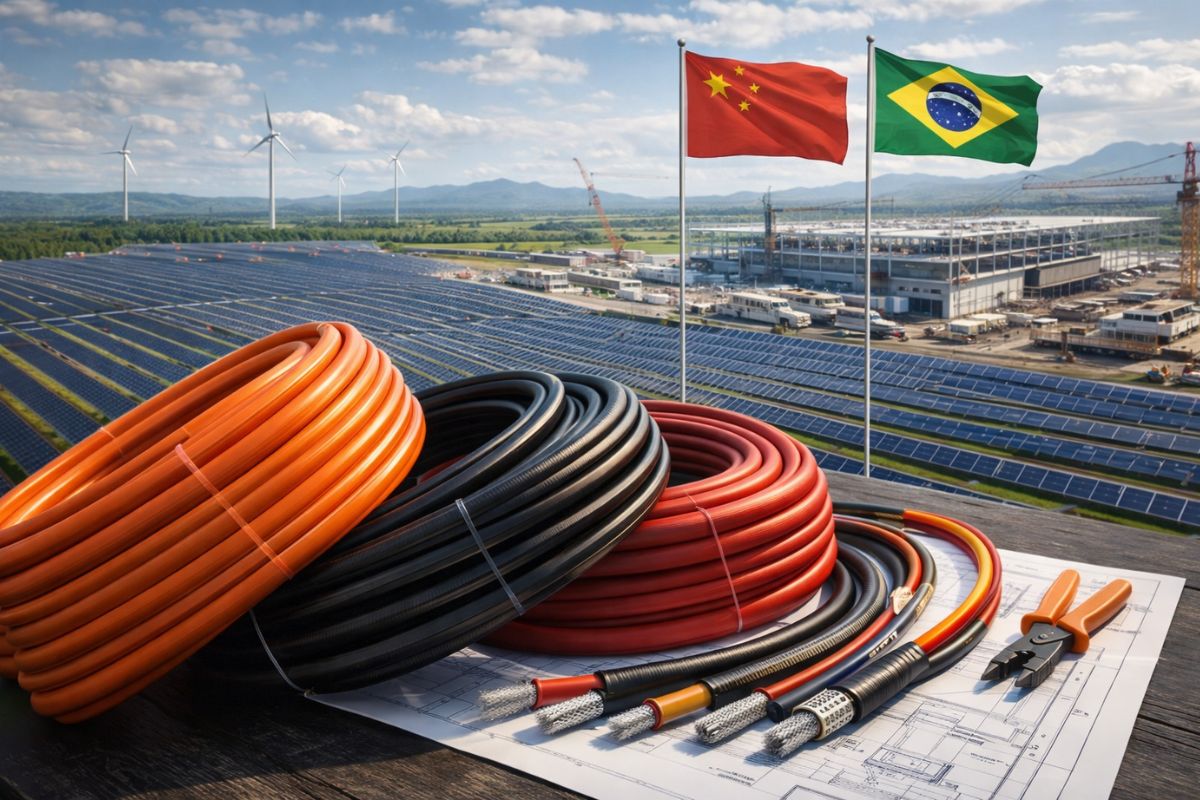
Chinese giant worth nearly R$ 4 billion that manufactures cables for electric cars, solar energy, and robotics wants to open a factory in SC.
-
Many employers do not know, but the law guarantees domestic workers a 25% increase in salary during trips, 50% for overtime, 20% for night shifts, and 17 additional benefits that can lead to labor lawsuits if not paid.


Real Estate Crisis and Domestic Consumption Ignored
While the plan focuses on infrastructure and technology, little attention has been given to the real estate crisis plaguing the country. The so-called “ghost cities”, with numerous unfinished apartments, represent a significant challenge that still needs to be addressed. Additionally, low domestic consumption remains a barrier to economic growth.
Analysts suggest that China’s economic recovery depends not only on investments in large projects but also on measures that encourage consumption and resolve real estate issues. Without a balanced approach, the plan may fail to achieve its long-term objectives.
Social Measures and Global Trade Alliances
The plan also includes social measures, such as incentives to increase the birth rate and reforms to the pension system, aimed at improving the well-being of the population. Additionally, efforts are being made to expand local tax revenues and reduce interest rates, seeking greater economic stability.
In terms of international relations, China is strengthening trade alliances with countries in Latin America and Africa, including Brazil. These partnerships aim to offset internal limitations and open new markets for Chinese products. However, the global market has reacted with skepticism to the plan, reflecting uncertainties about its efficacy and China’s ability to overcome internal challenges.
An Uncertain Future for the Chinese Economy
Despite the grand promises, China’s new economic plan faces considerable skepticism both internally and globally. The lack of attention to the real estate crisis and low consumption, coupled with internal social and political issues, may limit the success of the proposed initiatives. The Chinese government needs to adopt a more holistic approach, balancing investments in technology with practical solutions to economic and social problems to ensure sustainable and inclusive growth.









Seja o primeiro a reagir!