





 Portuguese
  English
  Spanish
 5 min of reading
  5 comments


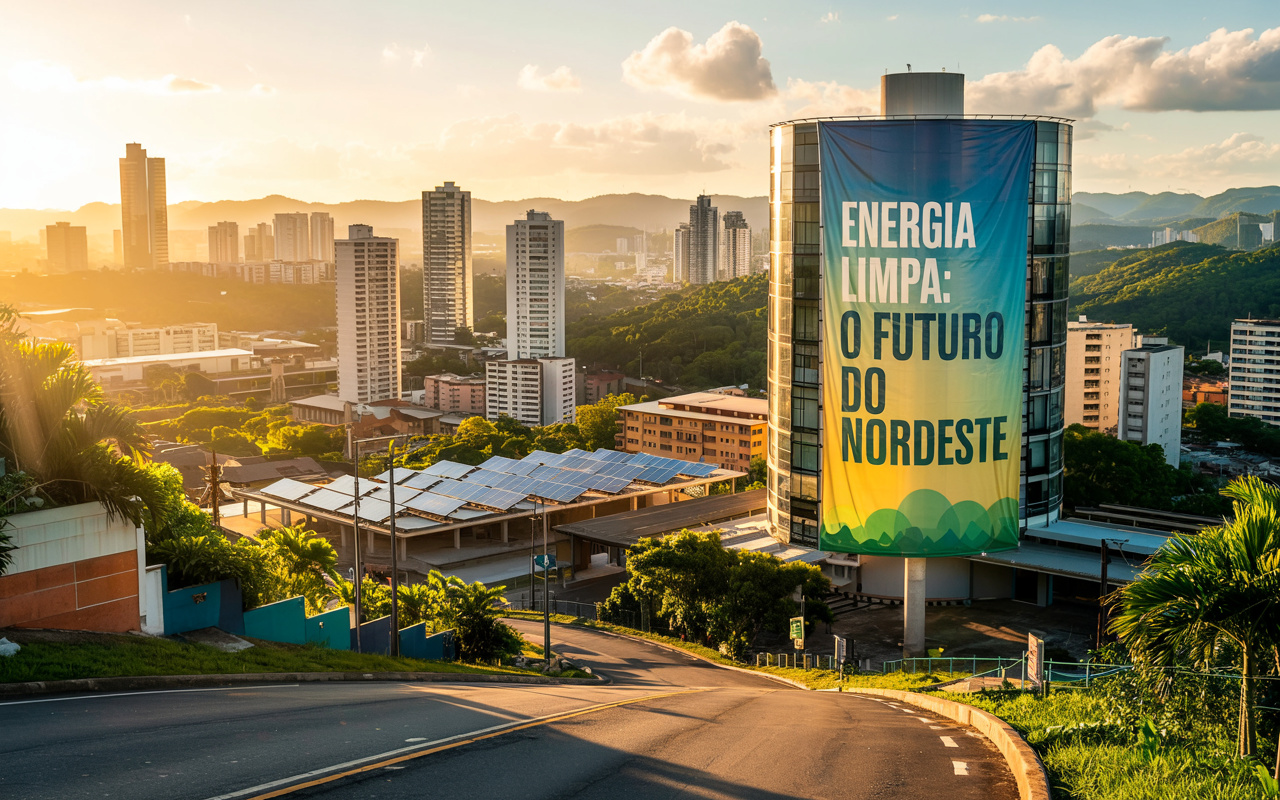


Juazeiro do Norte, Once Underappreciated, Emerges as a Strategic Hub in the Northeast, Attracting Billions in Projects, Clean Energy, and Credit. Understand the Progress That Transforms This Interior City into an Example of Regional Economic Renaissance
Juazeiro do Norte, in southern Ceará, has stopped being merely a center for religious pilgrimage to become one of the main development hubs in the Northeast. The city, historically linked to the figure of Padre Cícero, has been attracting national attention for its surprising economic growth.
Construction companies, banks, and major investors in the clean energy sector are betting on the region’s potential, generating a virtuous cycle of urban development, innovation, and job creation.
This economic transformation, which seemed unlikely just a decade ago, reflects a new trend of investment interiorization in Brazil. Today, Juazeiro do Norte represents an emblematic case of economic renaissance in the Northeast, leaving behind the stigma of being a forgotten city in the region.
-
Son of a seamstress from the rural area of Ceará who did not speak English wins a scholarship of over 2 million reais at Williams College, one of the top 10 universities in the United States, covering everything including dormitory, meals, and annual trips to Brazil.

-
Bill Gates revealed that the true secret behind every great achievement is not a brilliant leap but rather small improvements repeated over the years, and the data from his own career and the fight against climate change prove that he is right.

-
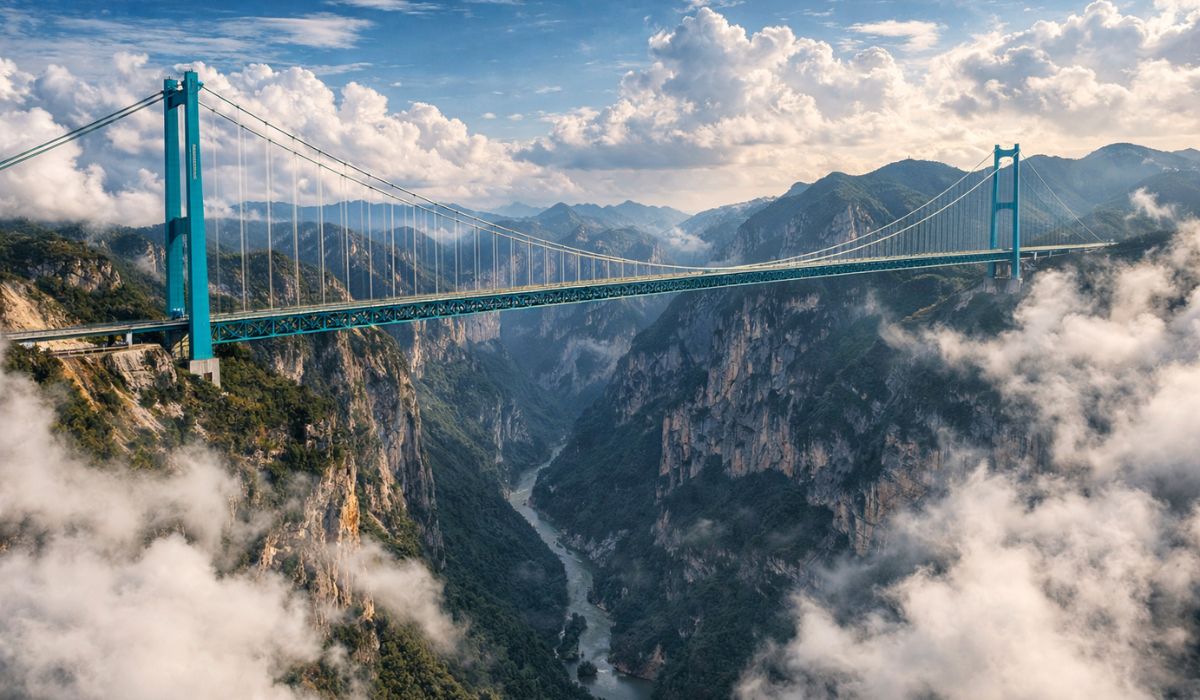
With 22 thousand tons of steel, a height nearly three times greater than the Eiffel Tower, and a cost of R$ 1.6 billion, China is building the highest bridge on the planet over a colossal canyon, reducing a crossing time of over 2 hours to just over 2 minutes.
-
With more than 635,000 doctors, Brazil sees competition increasing in large cities, and recent graduates are competing for shifts at an accelerated pace while the countryside still faces shortages.


Real Estate and Construction Sector Boost the Growing City in the Northeast
The construction sector has been the main thermometer of this progress. Major developers such as MRV Engenharia, Direcional, and Tenda, as well as local construction firms, invest in residential projects aimed at different income brackets.
The city’s population, estimated at over 280,000 inhabitants, is growing at a rapid pace, driven by regional migration. Many residents from neighboring municipalities seek better job, education, and public service opportunities in Juazeiro. Urban densification, in turn, drives new investments in infrastructure, public transport, and sanitation.
Clean Energy and Sustainability Drive the Economic Renaissance of the Region
Another highlight is the renewable energy sector. The Ceará semi-arid region is recognized as one of the areas with the highest solar potential in the world, and Juazeiro do Norte is part of the so-called “solar corridor” in the Northeast. The city already has several photovoltaic generation projects and is preparing to welcome new billion-dollar projects.
According to ABSOLAR (Brazilian Association of Photovoltaic Solar Energy), Ceará currently ranks second in the national ranking for installed solar energy capacity in the Northeast. Juazeiro is considered a strategic location due to the quality of solar irradiation and the availability of land for power plant installations.
International companies such as Brookfield, Atlas Renewable Energy, and Canadian Solar, along with investment funds like BlackRock, are among the main investors in the region. Support from the state government and tax incentives have been crucial in consolidating this new cycle of sustainable growth.
Financial System and Banks Bet on the City That Was Once Forgotten
The financial system closely follows this new economic dynamic. Traditional banks, such as Banco do Nordeste, Santander, Bradesco, and Caixa Econômica Federal, have expanded their operations in the city in recent years.
From 2022 to 2024, Banco do Nordeste allocated over R$ 400 million in credit for local initiatives, focusing on housing finance, productive microcredit, and support for small rural entrepreneurs.

Additionally, fintechs such as Nubank, Cora, and Banco Inter have intensified their activities, betting on the digital growth of the population. Increased internet access — now available in over 80% of urban households — has driven the inclusion of previously excluded groups into the traditional financial system.
The growing city in the Northeast has also hosted events focused on financial education and digital inclusion, fostering a more competitive and resilient business environment.
Education and Professional Qualification Strengthen the Economic Renaissance of Juazeiro do Norte
Investment in education has been another important pillar of this economic renaissance in the Northeast. The city is home to the Federal University of Cariri (UFCA), established in 2013, which offers courses in engineering, health, social sciences, and renewable energies. The Federal Institute of Ceará (IFCE) also offers technical and higher education courses focused on local development.
According to information from the Federal University of Cariri (UFCA), responsible for a large portion of higher education enrollments in the municipality, the number of students increased from just over 4,000 students in 2023 to over 5,800 students in 2025. This represents a growth of more than 45% in total enrollments in just a few years, indicating strong expansion of higher education in Juazeiro do Norte.
Meanwhile, institutions from the S System (SENAI, SENAC, SEBRAE) are offering training courses in areas such as construction, information technology, commerce, tourism, and solar energy.
This educational offer has enabled the local population to qualify for new job openings created in productive sectors, contributing to a decrease in the unemployment rate in Ceará, which fell from 7.5% in the second quarter of 2024 to 6.5% in the fourth quarter of 2024, reaching the lowest level since 2014.
Religious Tourism Drives the Economy in the Forgotten City of the Northeast
Juazeiro do Norte continues to be one of the largest religious tourism destinations in Brazil, receiving around 2.5 million pilgrims annually. The city is the main center of devotion to Padre Cícero, with tourist attractions such as the monumental statue in the Horto, the Living Museum of Padre Cícero, and historic churches.
In recent years, religious tourism has become more professionalized. Investments have been made in the hotel network, urban mobility, and the creation of cultural tours. The city hall and the local tourism industry have sought to diversify the offerings with gastronomic experiences, popular festivals, and creative economy fairs.
The impact is visible: the Tourism Secretariat of Ceará estimated that, only between July 9 and 16, 2023, the Cariri region — which includes Juazeiro do Norte — generated around R$ 200 million from tourism activities. The city is now looking to attract visitors outside the religious calendar, integrating with cultural routes such as the Cariri Route and UNESCO initiatives on creative cities.
Juazeiro do Norte Symbolizes the Economic Renaissance of the Northeast
Juazeiro do Norte represents a new reality for the northeastern semi-arid region. From a forgotten city in the Northeast to a protagonist of a modern, diversified, and sustainable growth model, the municipality offers lessons on how planning, strategic investments, and valuing human capital can transform historical realities marked by exclusion.
The economic renaissance of the Northeast goes through cities like Juazeiro, which demonstrate how the decentralization of development is not only possible but desirable. For Brazil, the example of Juazeiro is a reminder that the future can — and should — include the interior, with innovation, inclusion, and shared prosperity.







Juazeiro do Norte é uma excelente cidade.
Juazeiro nunca foi uma cidade esqucida sempre foi destaque no comércio e no turismo.
Hoje a produção de energia limpa, se torna mais necessária e de extrema importância.
Nesse sentido, A busca por soluções sustentáveis para a produção de energia é uma necessidade urgente diante dos desafios ambientais enfrentados pelas grandes cidades. A MAYA EKT WTE se destaca nesse cenário ao investir em tecnologia de ponta para gerar energia limpa de forma inovadora. Nosso diferencial está em transformar o lixo — um dos maiores problemas urbanos — em uma valiosa fonte de energia e outros produtos úteis. Ao fazer isso, não apenas reduzimos a dependência dos aterros sanitários, que causam inúmeros impactos negativos à saúde e ao meio ambiente, mas também oferecemos uma solução inteligente, eficaz e sustentável para o gerenciamento de resíduos.