





 Portuguese
  English
  Spanish
  4 min of reading
  18 comments




The Construction of the Rio Negro Bridge Transformed the Amazon’s Landscape, Connecting Manaus to the Interior and Boosting the Socioeconomic Development of the Region.
If you think that building a nearly 4 km bridge over the enigmatic waters of the Rio Negro was easy, you are mistaken! The construction of the Rio Negro Bridge was an epic worthy of great engineering feats, challenging nature and overcoming obstacles that seemed insurmountable.
Located in Manaus, the bridge connects the Compensa neighborhood in the West Zone to the AM-070 highway, also known as Manoel Urbano Highway, in Iranduba. With a length of 3,595 meters, it is classified as a cable-stayed bridge with a central span of 400 meters that majestically rises above the river.
Proposal for Construction
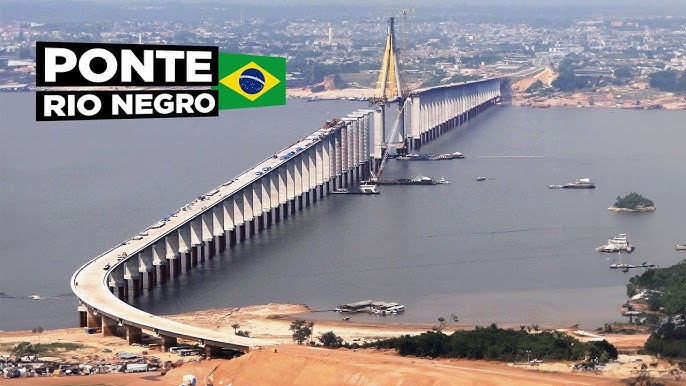
It all began in 2003 when the proposal for the construction of the bridge was presented to the Legislative Assembly of the State of Amazonas. The idea was ambitious: to connect Manaus to the interior of the state, reducing the reliance on ferries to neighboring cities like Iranduba and Novo Airão. The popular mobilization was intense, culminating in the collection of 120,000 signatures at the São Raimundo post in just six months.
-
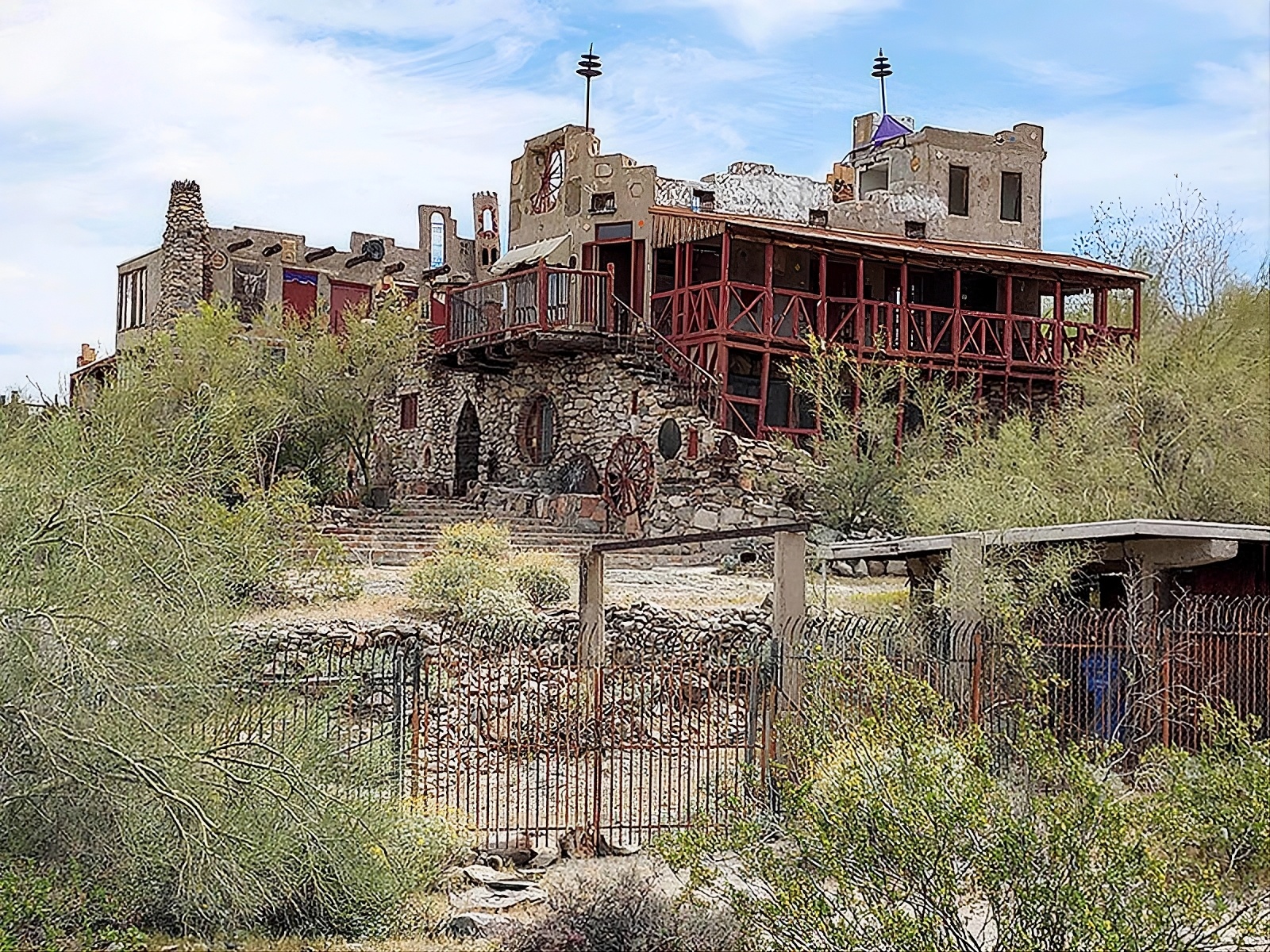
Without a blueprint, without an engineer, and using scrap from the dump, a father spends 15 years building an 18-room castle for his daughter, featuring tram tracks, 13 fireplaces, and over 700 m², which may now be demolished.
-
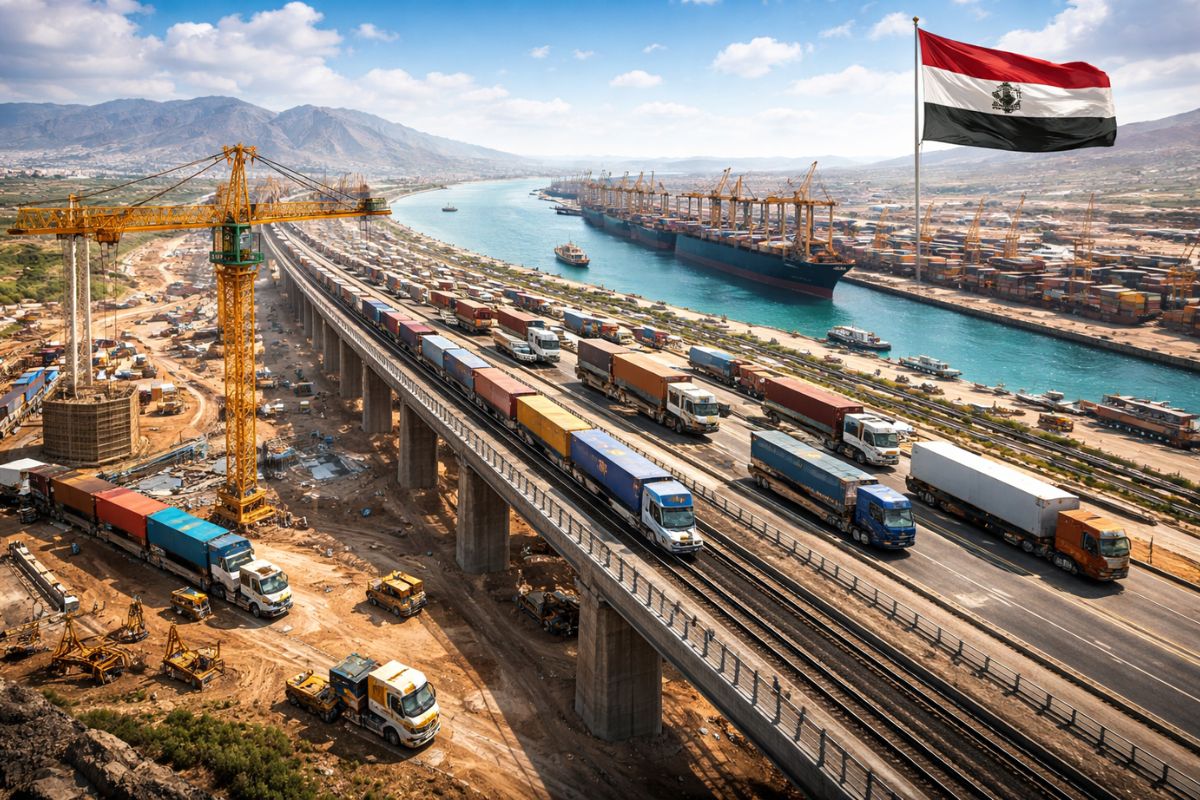
A megaproject worth R$ 89 billion is advancing in Iraq and promises to change the game in global trade by creating a new corridor between Asia and Europe, reducing traditional routes and repositioning the country as a logistics powerhouse.
-
Goodbye bedside table: floating shelves become a trend in 2026 by freeing up space in the bedroom, improving circulation, bringing visual lightness, and integrating technology without taking up floor space.

-
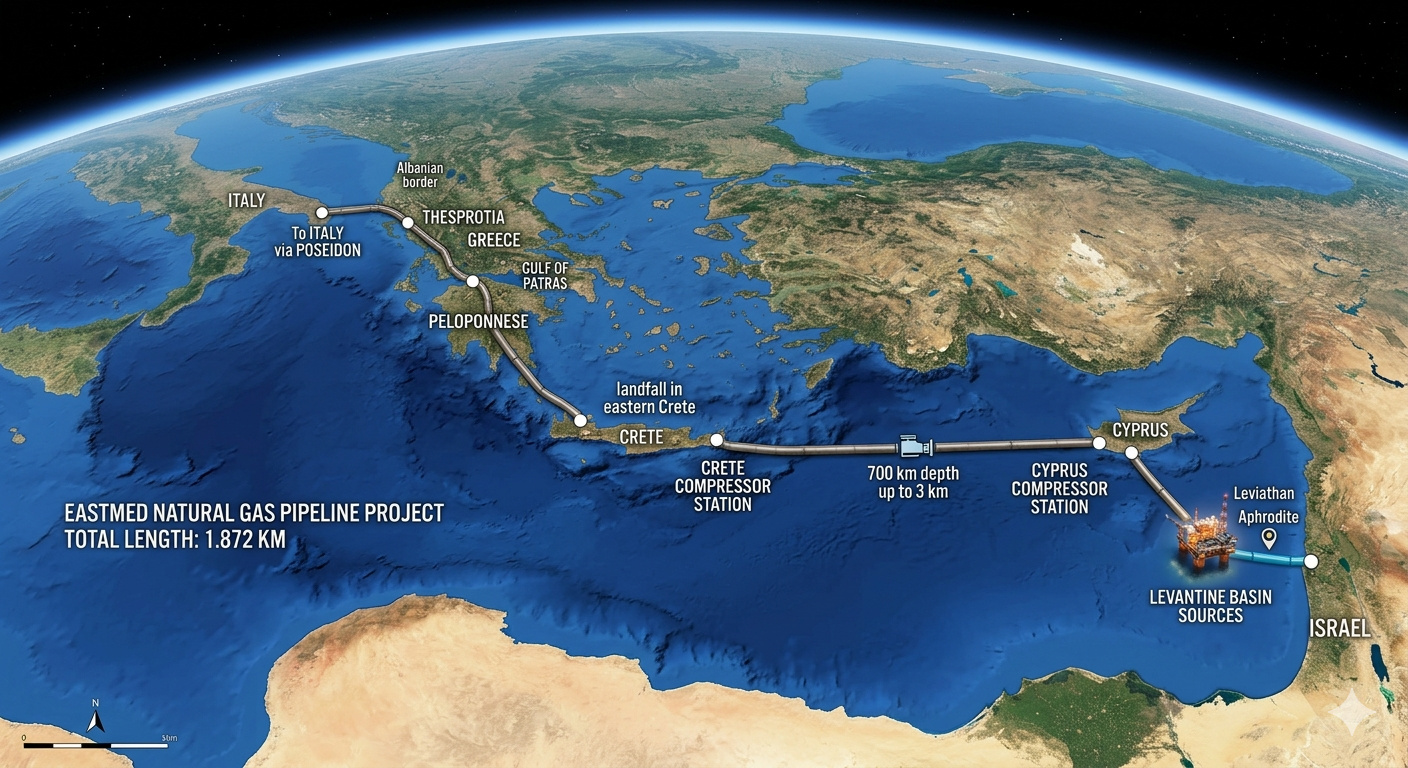
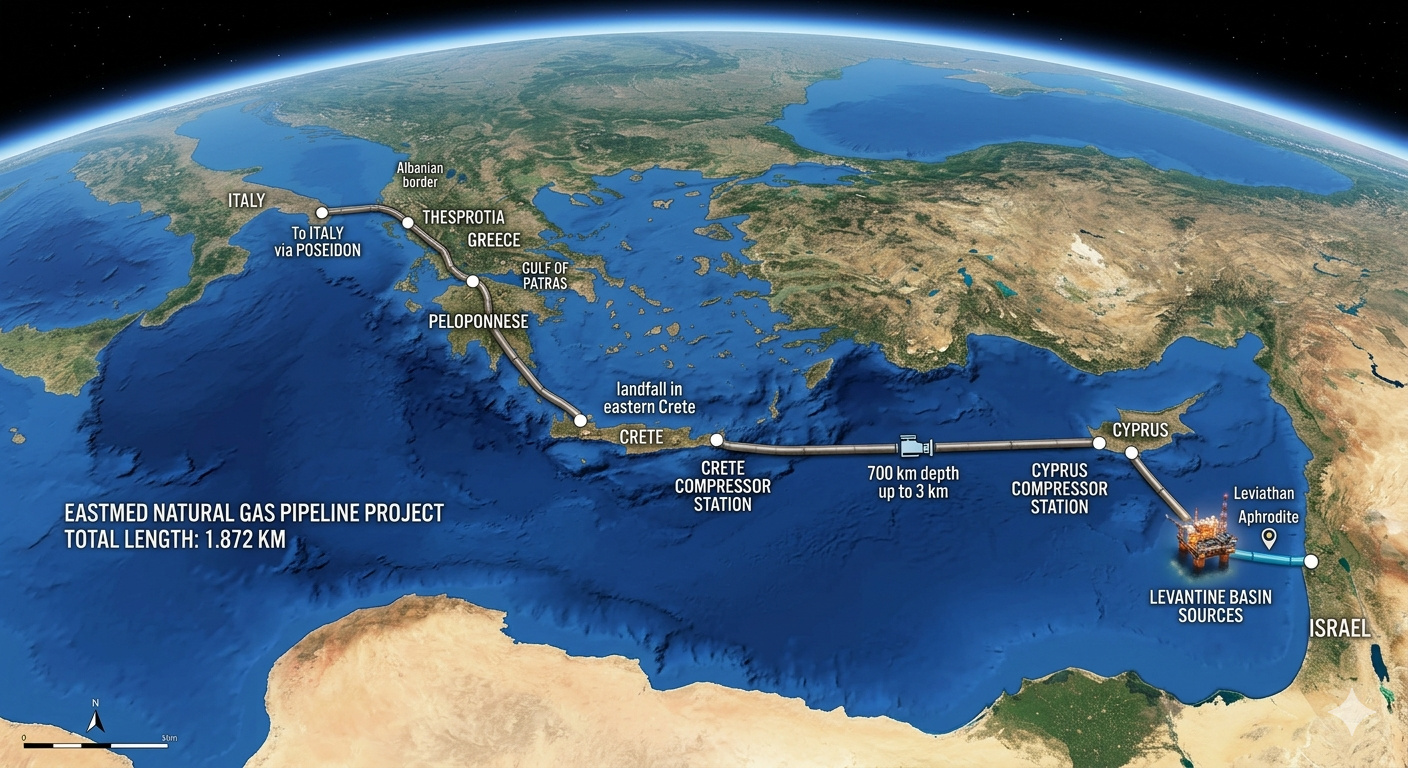
Israel, Greece, and Cyprus signed an agreement in 2020 to transport gas from the Mediterranean to Europe via a 1,872 km pipeline, but Turkey claimed sovereignty over part of the maritime route, and the project never materialized.
The Project Gained International Recognition
The project gained international recognition after numerous hearings and discussions, the service order was released in December 2007, and construction began in 2008. The project gained international recognition not only for the bold architecture of the Rio Negro Bridge but also for the environmental, social, and economic solutions it proposed.
Challenges were plentiful. The team from the Rio Negro Consortium, formed by the construction companies Camargo Corrêa, Engeform, and Construbase, had to unveil the secrets of the river, conducting bathymetry at different depths, soil tests, and resistance tests to accommodate the 246 excavated piles necessary for the foundation.
Logistics Was Another Critical Point
To ensure a continuous flow of materials, two concrete production facilities were created, each with a capacity to produce 80 cubic meters per hour. The metal sleeves, large tubes used in constructing the piles, were manufactured on-site. Transporting pieces over 50 meters tall and 60 tons was no easy task!
The Rio Negro Bridge impresses with its numbers: 203 pre-cast beams, 160,395 cubic meters of concrete—enough to build three Maracanã stadiums—and 25 floating construction sites where work occurred simultaneously. The structure, reminiscent of a diamond, was designed to reduce wind effects thanks to its innovative aerodynamic shape.
Rio Negro Reached Record High Water Levels in 2023
During construction, nature showed its strength. In 2009, the Rio Negro reached record high water levels, an unforeseen event that complicated the formwork of the foundation blocks. The solution? To build the “shell block,” allowing work to continue without compromising the schedule.
After 3 years and 5 months of intense work, the Rio Negro Bridge was inaugurated on October 24, 2011, coinciding with the 342nd anniversary of Manaus. The ceremony was attended by the state governor and President Dilma Rousseff.
Initial Investment
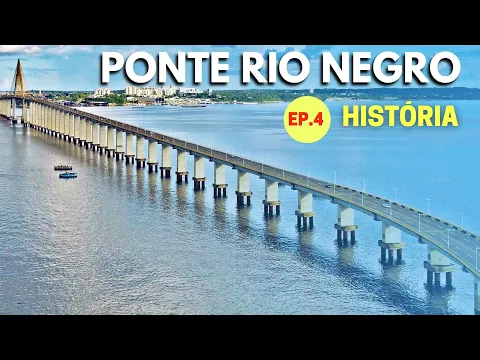

The initial investment was estimated at R$ 506 million, but due to additions for new work fronts—such as pylons protection, nautical signaling, and lighting—the total cost reached approximately R$ 1.099 billion.
In 2017, the bridge was named Journalist Phelippe Daou Bridge, in honor of the communicator who greatly contributed to the defense of the Amazon’s interests.
The Construction of the Rio Negro Bridge Was Not Just an Achievement for Amazonas
Today, the Rio Negro Bridge has four traffic lanes—two in each direction—along with a lane for pedestrians. The speed limit is 60 km/h. Its construction enabled the expansion of industry, tourism, commerce, and agribusiness, marking a milestone for the local community by generating new jobs and facilitating crossing.
Fit is worth noting the recognition of the more than 2,500 workers and everyone who made this dream a reality. The construction of the Rio Negro Bridge was not just an achievement for Amazonas, but for the entire country, demonstrating that Brazil is capable of executing large-scale works with mastery and architectural beauty.
And you, what do you think about the impact of the Rio Negro Bridge on regional development and what other projects could follow this example to benefit the Amazon?






Essa ponte rio negro encheu foi muito o bolso dos políticos corruptos Omar aziz,Eduardo Braga do presidente lula condenados e descondenados dinheiro que dá pra fazer 3 pontes dessas e o ministério público nunca fiscalizou essas obras dinheiro que dava pra bancar muitos anos de saúde melhor pro povo **** muquiranas e só ver onde moram esses políticos e que fazem de esbanjou
Muito bom.
Linda ponte, digna da maior e mais rica metrópole e capital da Amazônia brasileira. A importância da ponte Rio Negro beneficia todo o Polo Industrial e turístico de Manaus.