





 Portuguese
  English
  Spanish
  3 min of reading
  0 comments


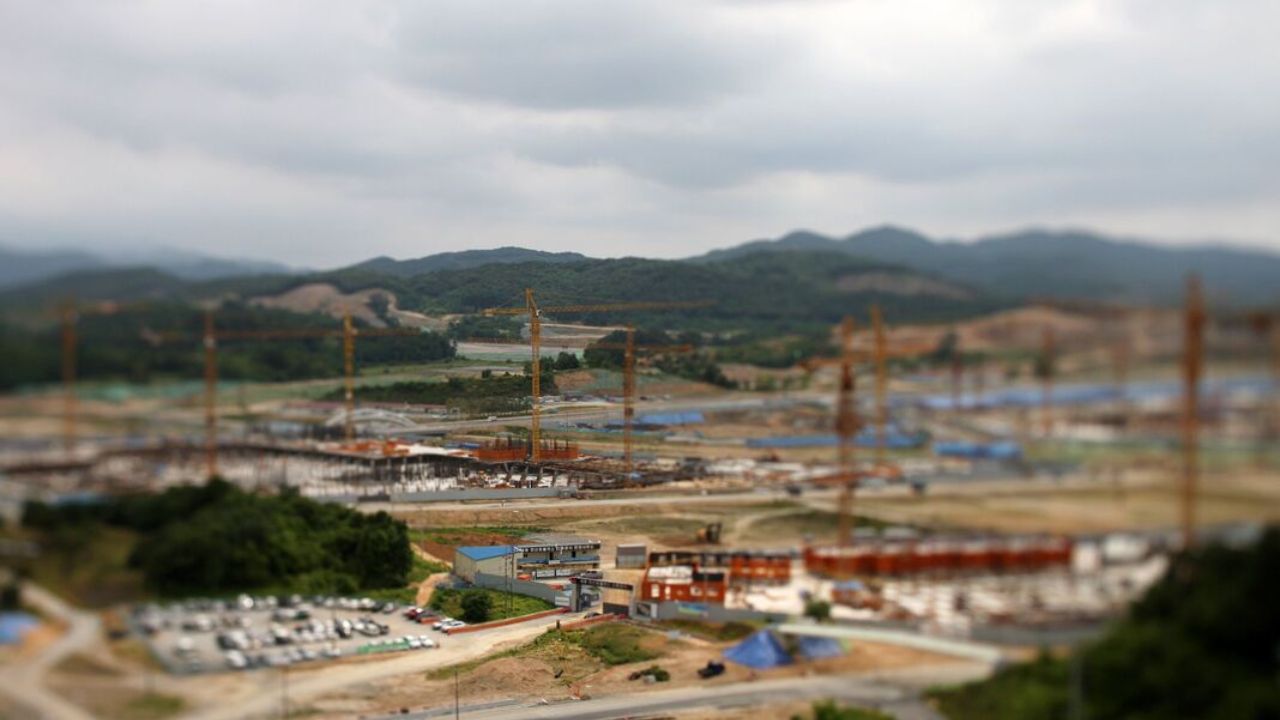
South Korea Went Through Accelerated Growth In Recent Decades, Becoming One Of The Most Advanced Economies In The World. As A Result, Its Cities Grew Rapidly, Leading To Problems Like Overcrowding And Traffic Congestion. To Solve This Issue, The South Korean Government Created Sejong, The Construction Of A Planned City That Would Serve As The New Administrative Capital Of The Country.
However, despite massive investments in construction, infrastructure, and incentives to attract residents, the city has still not managed to reach its population target. Many government employees prefer to commute daily from Seoul to Sejong instead of moving there.
The Need For A New Capital
Seoul, the capital of South Korea, has nearly 10 million inhabitants and has faced urban challenges for years. To relieve the pressure on the city, authorities proposed in 2002 the relocation of the administrative capital to a new location.
Thus, Sejong was born, officially founded in 2007, gathering regions from South Chungcheong and North Chungcheong to form a new settlement. In 2012, government agencies began to be transferred there, with the expectation that the city would quickly attract new residents.
-
New CCR concrete paving technology promises roads up to 3x more durable, less maintenance, and cost reduction in Brazil.
-
Made from recycled plastic, plastic wood is gaining space in the construction industry because it does not rot, resists moisture, and reduces maintenance costs over the years.

-
Florianópolis will receive a million-dollar BRT that will begin construction in 2026 with nearly 400 million in funding from the federal government and the Inter-American Development Bank, and the map already shows the routes for the exclusive bus corridors.
-
Without a blueprint, without an engineer, and using scrap from the dump, a father spends 15 years building an 18-room castle for his daughter, featuring tram tracks, 13 fireplaces, and over 700 m², which may now be demolished.

Investments And Infrastructure Of The City
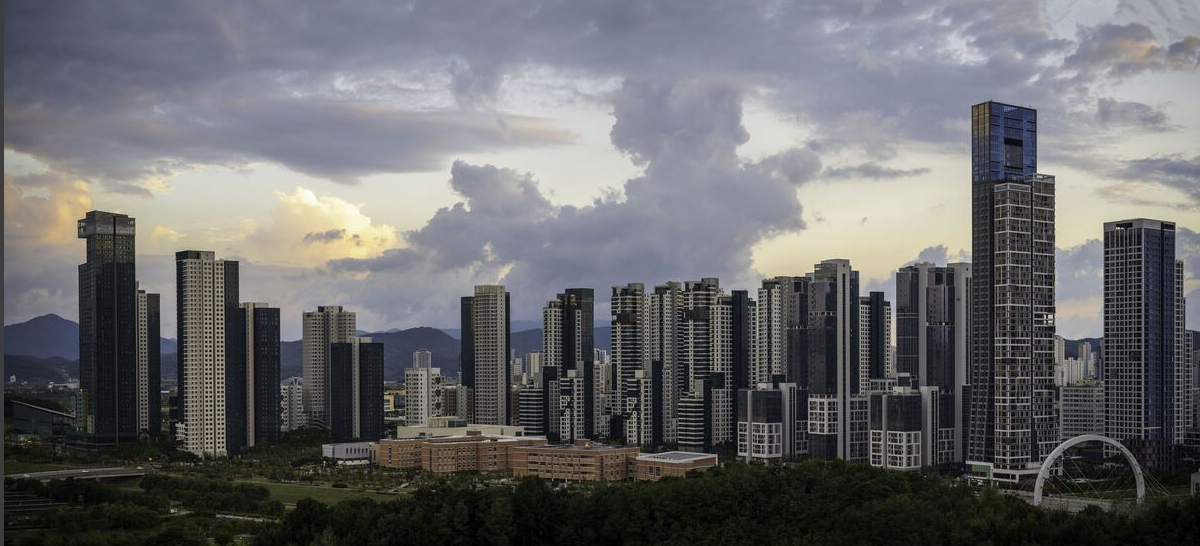
To transform Sejong into an attractive city, the South Korean government made significant investments in construction and urban development. Among the initiatives, the following stand out:
- The transfer of various government agencies to Sejong.
- The creation of housing aimed at young people and public employees.
- The implementation of commercial districts close to the ministerial buildings.
- The attempt to attract companies and new businesses to boost the local economy.
Despite these efforts, the city still struggles to attract residents on a large scale.
The Challenges Faced In The Construction Of Sejong
One of the main obstacles to Sejong’s population growth is its public transport infrastructure, considered limited compared to other South Korean cities. Among the main issues are:
- Lack Of Subway: The city does not have its own system, making transportation less efficient. Only by 2029 is the inauguration of an extension of Line 1 of the Daejeon Metro expected, connecting Banseok to Sejong.
- Few Train Stations: The nearest train station is located in Osong, which makes it difficult for those wishing to travel between cities.
- Inefficient Bus System: Bus transportation does not adequately meet the residents’ demand, leading many to opt for private vehicles.
According to a 2017 OECD report, the construction of the city faces challenges in implementing an efficient public transport system, as the low population density makes operating a more robust network economically unfeasible.
Another significant challenge faced by Sejong is that many government employees still prefer to live in Seoul. The city is only 112.65 km away, and the good connectivity between them allows workers to make the daily commute by train or bus.
This means that, even with incentives, many employees do not consider it advantageous to permanently move to Sejong, which directly impacts the city’s growth rate.










Seja o primeiro a reagir!