





 Portuguese
  English
  Spanish
  3 min of reading
  0 comments


EastMed, Designed to Connect Israel and Cyprus’ Reserves to Europe, Faces an Uncertain Future Due to Geopolitical, Economic, and Environmental Challenges Threatening Its Viability
The EastMed pipeline was conceived as a transformative project, an energy artery to transport natural gas from the Eastern Mediterranean to Europe, reducing dependence on Russian gas. However, what was once seen as a geopolitical game-changer is now stalled in 2025, mired in complex disputes and pessimistic assessments.
Understand the saga of the EastMed pipeline, detailing the project, the challenges that stalled it, and the alternatives that now shape the region’s energy future.
What Is the EastMed Pipeline and What Is Its Geostrategic Ambition?
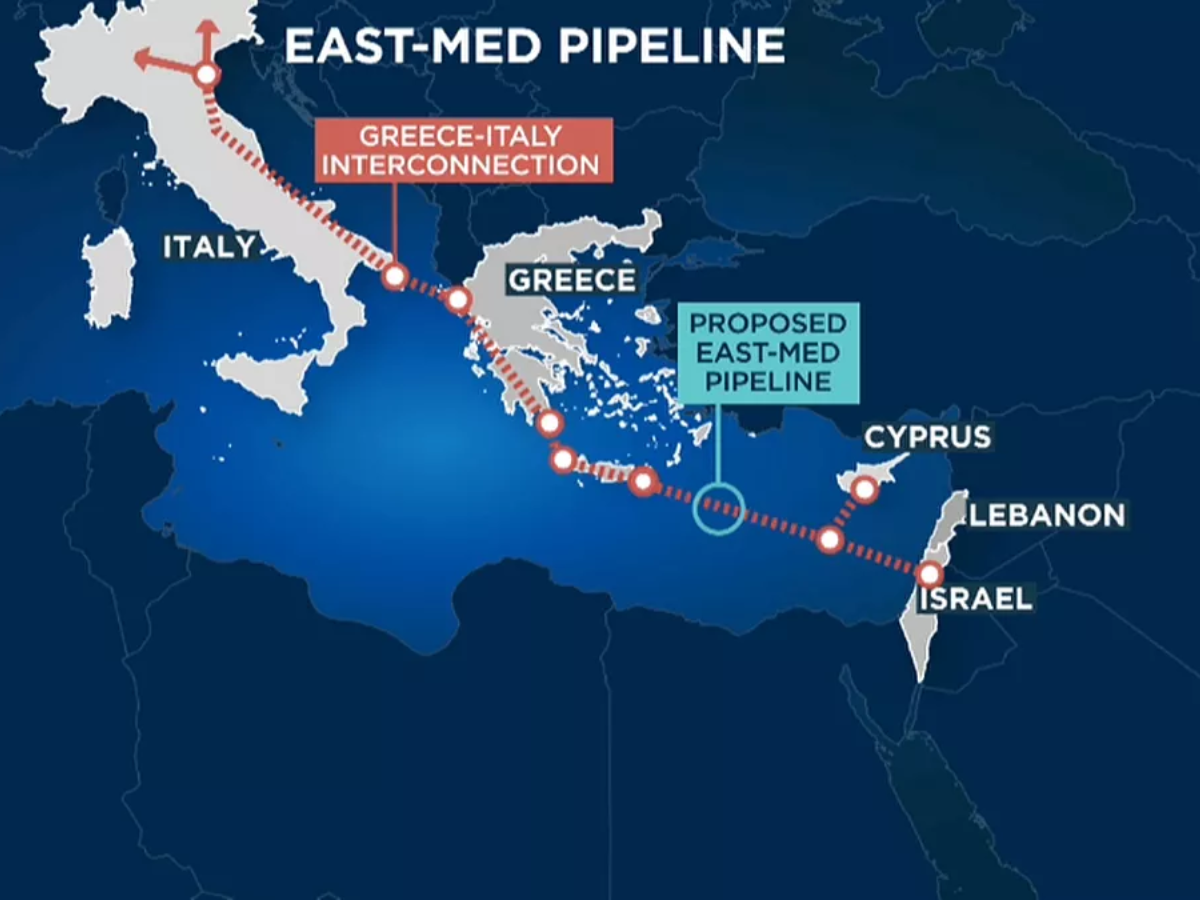
The EastMed pipeline was designed to be one of the longest and deepest underwater pipelines in the world. With a 1,900 km length, its route would start from the gas fields of Israel and Cyprus, crossing the Mediterranean to Greece, and potentially connecting to Italy. The planned initial capacity was 10 billion cubic meters per year (bcm/a), expandable to 20 bcm/a.
-
New CCR concrete paving technology promises roads up to 3x more durable, less maintenance, and cost reduction in Brazil.

-
Made from recycled plastic, plastic wood is gaining space in the construction industry because it does not rot, resists moisture, and reduces maintenance costs over the years.

-
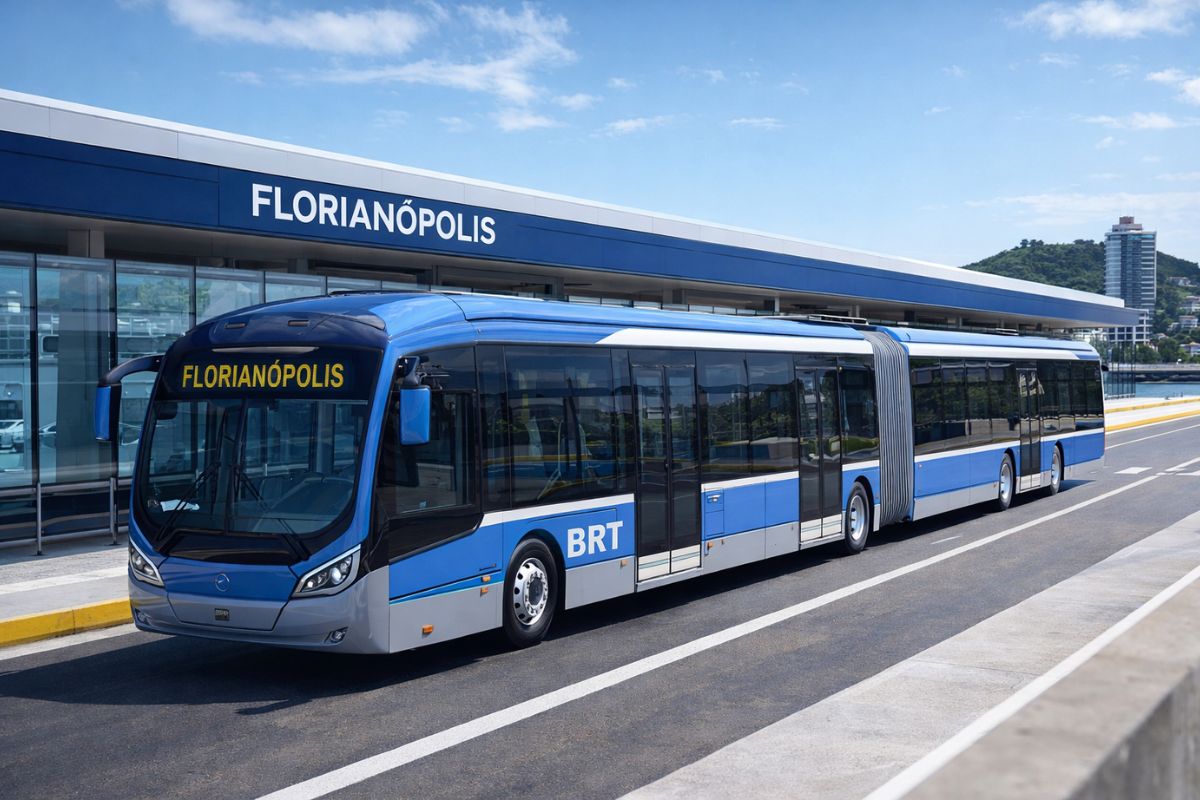
Florianópolis will receive a million-dollar BRT that will begin construction in 2026 with nearly 400 million in funding from the federal government and the Inter-American Development Bank, and the map already shows the routes for the exclusive bus corridors.
-
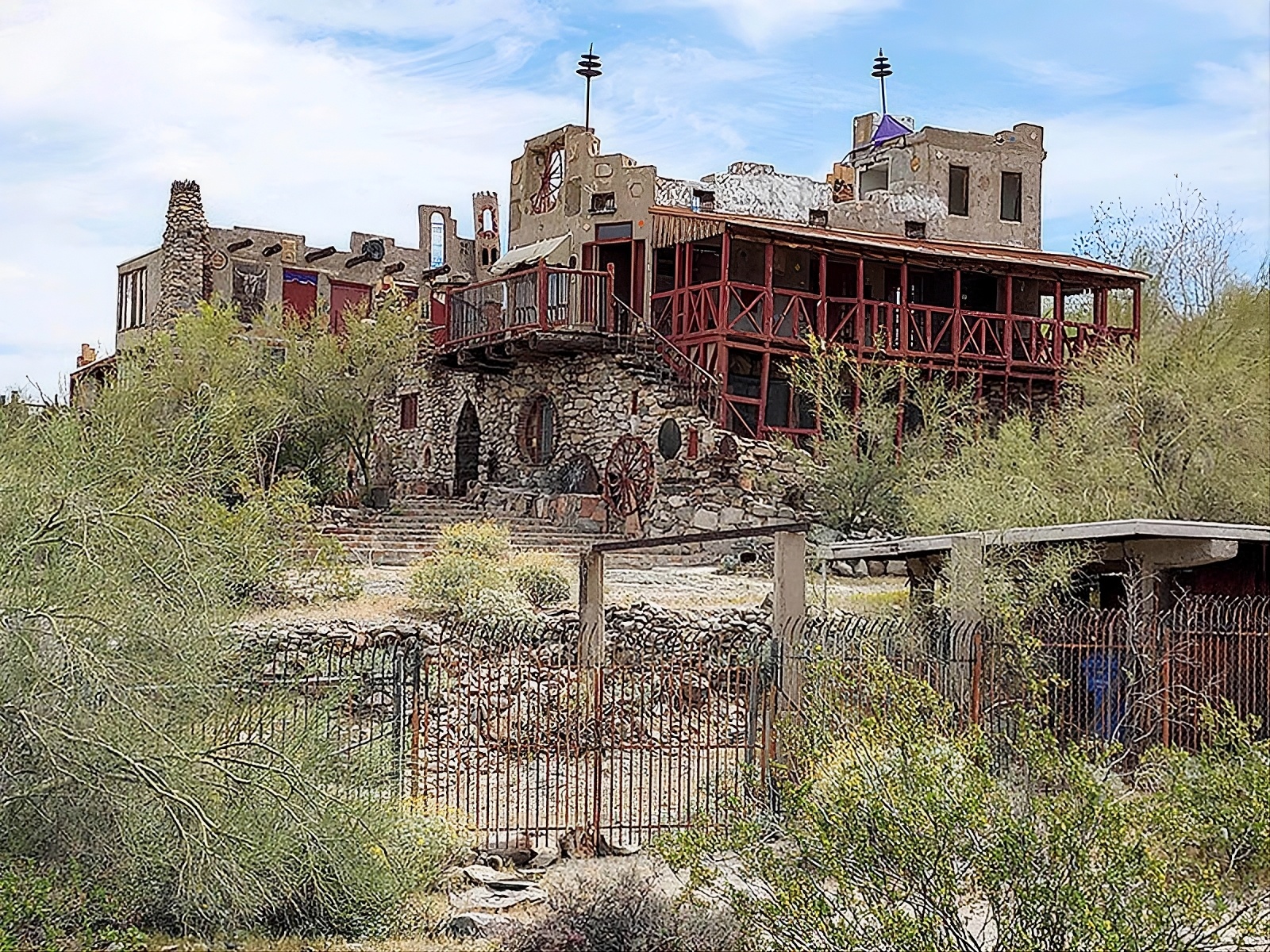
Without a blueprint, without an engineer, and using scrap from the dump, a father spends 15 years building an 18-room castle for his daughter, featuring tram tracks, 13 fireplaces, and over 700 m², which may now be demolished.

The main geostrategic objective was to provide Europe with a new non-Russian gas route, strengthening the continent’s energy security. The project, led by the IGI Poseidon consortium (a joint venture between the Greek DEPA and the Italian Edison), even achieved Project of Common Interest (PCI) status from the European Union. The initial cost was estimated at around €6 billion, with operations expected to begin in 2025.
The Challenges That Stalled the EastMed
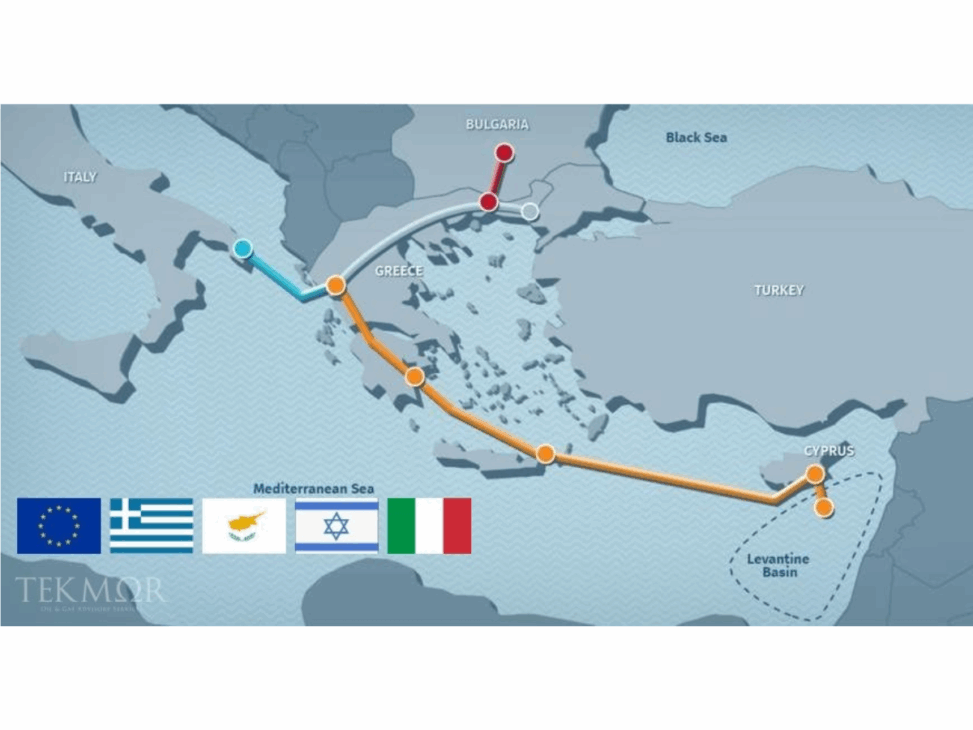
The realization of the EastMed pipeline faced formidable obstacles. The most critical is the fierce opposition from Turkey, which, not being part of the project and having its own maritime claims in the region (the doctrine of “Mavi Vatan” or Blue Homeland), views the proposed route as a threat to its interests and sovereignty. Ankara has shown willingness to use its naval strength to prevent the project’s advancement in waters it considers its own.
The situation complicated in January 2022 when the United States withdrew its political support for the project, citing economic viability concerns, environmental issues, and the fact that it was a source of regional tension. The CEO of the Italian energy giant ENI, Claudio Descalzi, even stated that any agreement for the pipeline would need to include Turkey, emphasizing the impossibility of bypassing Ankara.
Moreover, the project’s economic viability was questioned. The cost, which could exceed €10 billion, and a long return on investment timeline clash with the EU’s goals of reducing gas consumption and advancing decarbonization.
Alternative Routes to the EastMed Pipeline
In light of the impasse of the EastMed pipeline, more flexible and economically viable alternatives have gained traction.
LNG (Liquefied Natural Gas): The development of a Floating LNG (FLNG) plant in Cyprus is seen as a more realistic option. LNG offers greater market flexibility, as it can be sold to various global buyers, not just to Europe.
Shorter Pipelines: The construction of a pipeline linking Cypriot gas fields to existing LNG terminals in Egypt is another alternative under consideration. This would leverage Egyptian infrastructure for exports.
Connection to Turkey: A direct pipeline to Turkey has long been considered the most economically advantageous option. However, this would require a complex political resolution of disputes between Turkey and Cyprus.
The Uncertain Future of the Pipeline, Scenarios, and Implications for 2025-2030
At the beginning of 2025, the future of the EastMed pipeline, as originally conceived, seems highly unlikely. The most probable scenario is its cancellation or indefinite delay. Regional focus is likely to shift toward more modular and realistic gas export solutions, such as LNG.
The failure of the EastMed pipeline to materialize serves as a case study on how grand ambitions for energy can become hostage to geopolitical rivalries. The lesson for Europe and Eastern Mediterranean countries is the need to seek more pragmatic and inclusive energy cooperation to ensure stability and sustainable development in the region.










-

-

-

-

6 pessoas reagiram a isso.