





 Portuguese
  English
  Spanish
  4 min of reading
  0 comments


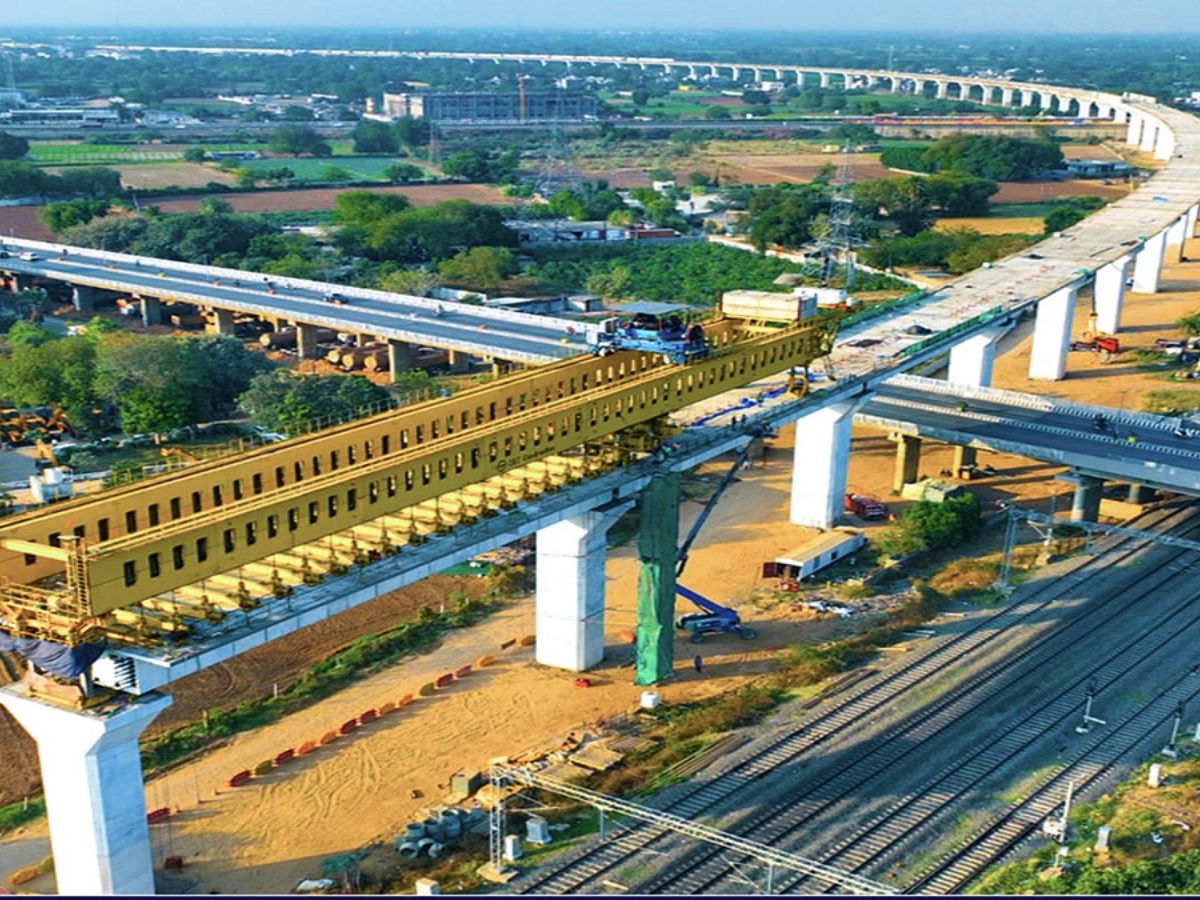
India Advances in Building Its First High-Speed Corridor, the Mumbai-Ahmedabad (MAHSR) Project. With Shinkansen Technology and Japanese Funding, This New Bullet Train Promises to Revolutionize Transportation and Boost the Indian Economy, Serving as a Model for Modernizing the Country’s Vast Railway Network
The Mumbai-Ahmedabad High-Speed Rail Corridor (MAHSR) project, known as India’s first new bullet train, is a historic infrastructure initiative. It aims to connect two vital economic poles, transforming domestic travel and symbolizing the advancement of Indian engineering. Although full inauguration has yet to occur, the project is in an advanced stage of construction.
The partial operation of the line is scheduled for 2026, with total completion by 2028. This ambitious corridor, approximately 508 km long, is a testament to the strong strategic partnership between India and Japan.
The First New Bullet Train of India
The MAHSR is India’s first foray into high-speed rail technology. The project, conceived in 2013 and with the groundbreaking laid in 2017, aims to revolutionize connectivity between Mumbai, the financial center, and Ahmedabad, the industrial hub in Gujarat. The goal is to reduce travel time between the two cities from 6-7 hours to approximately 2 hours.
-
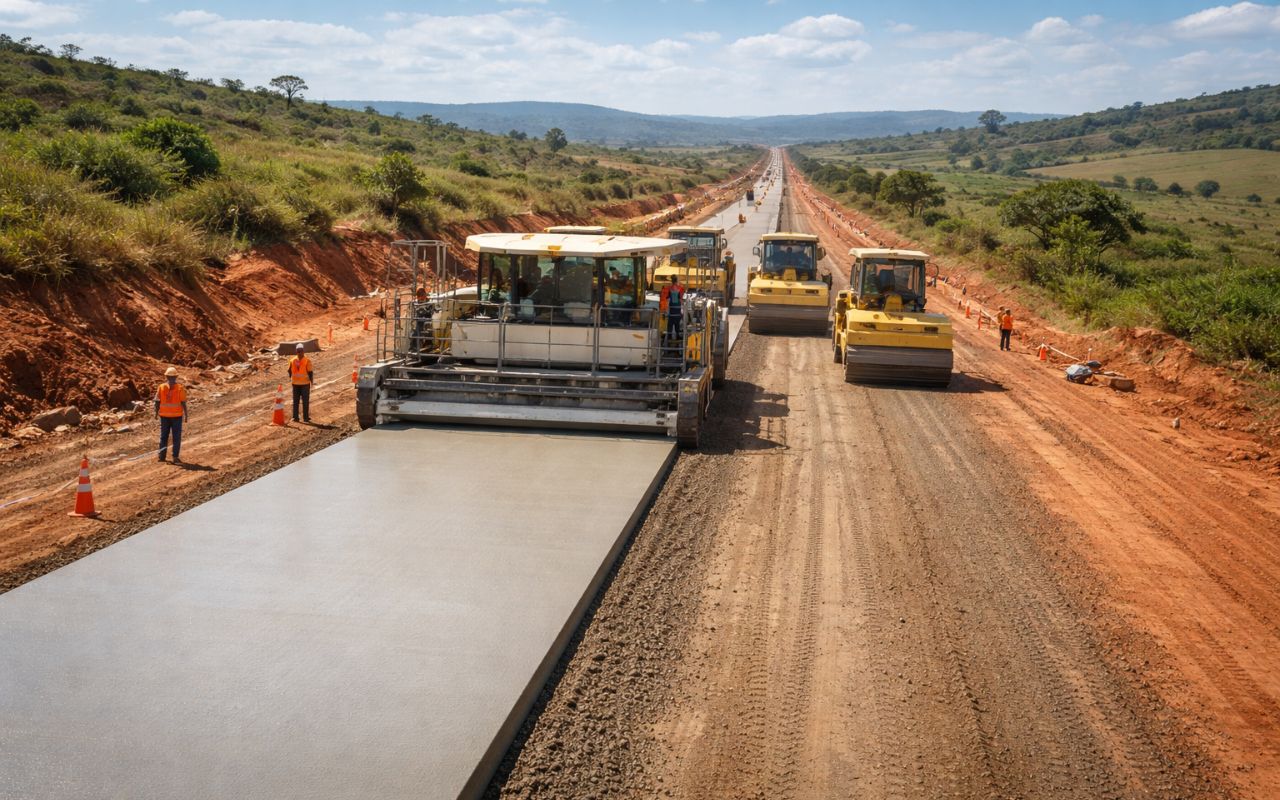
New CCR concrete paving technology promises roads up to 3x more durable, less maintenance, and cost reduction in Brazil.
-
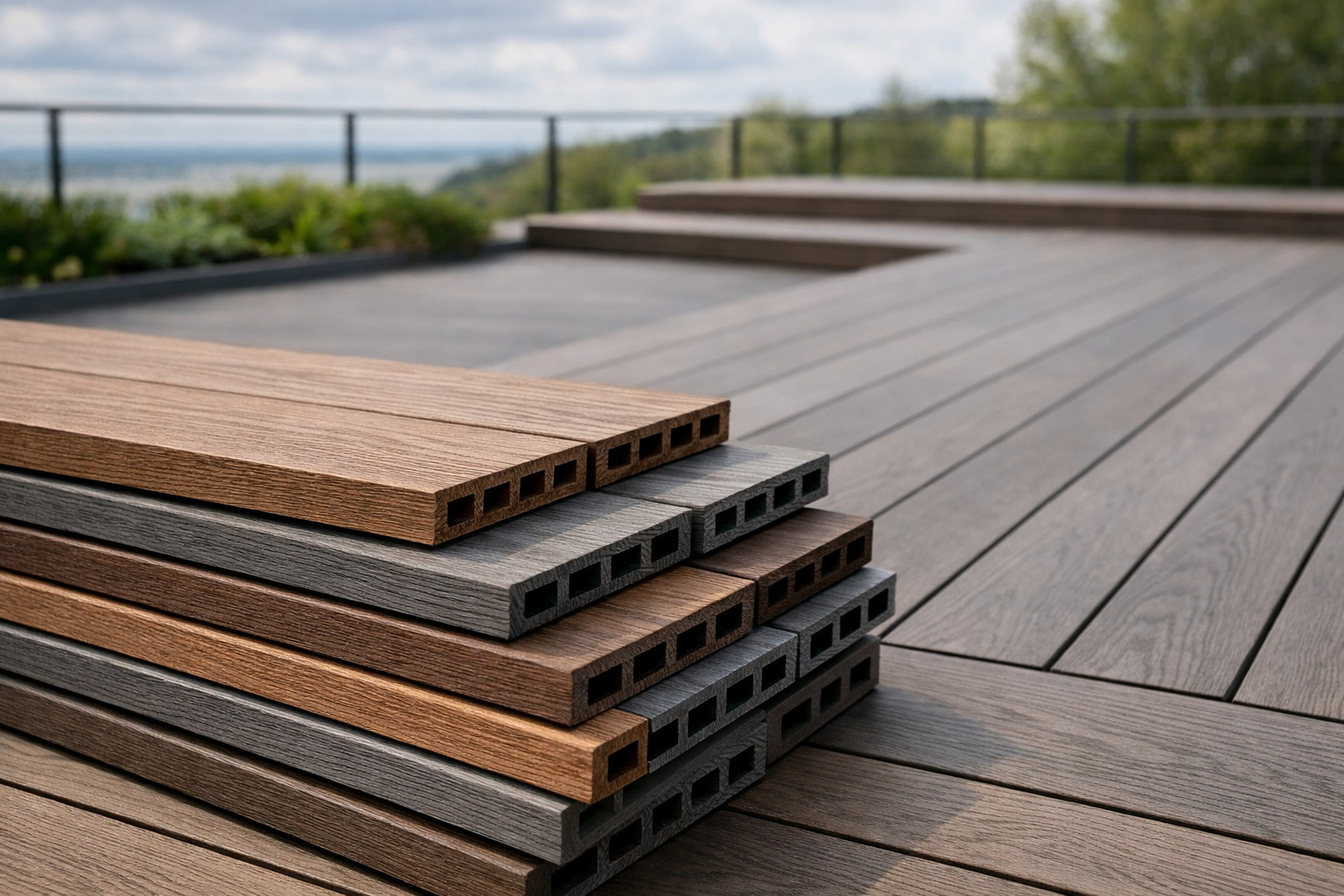
Made from recycled plastic, plastic wood is gaining space in the construction industry because it does not rot, resists moisture, and reduces maintenance costs over the years.
-
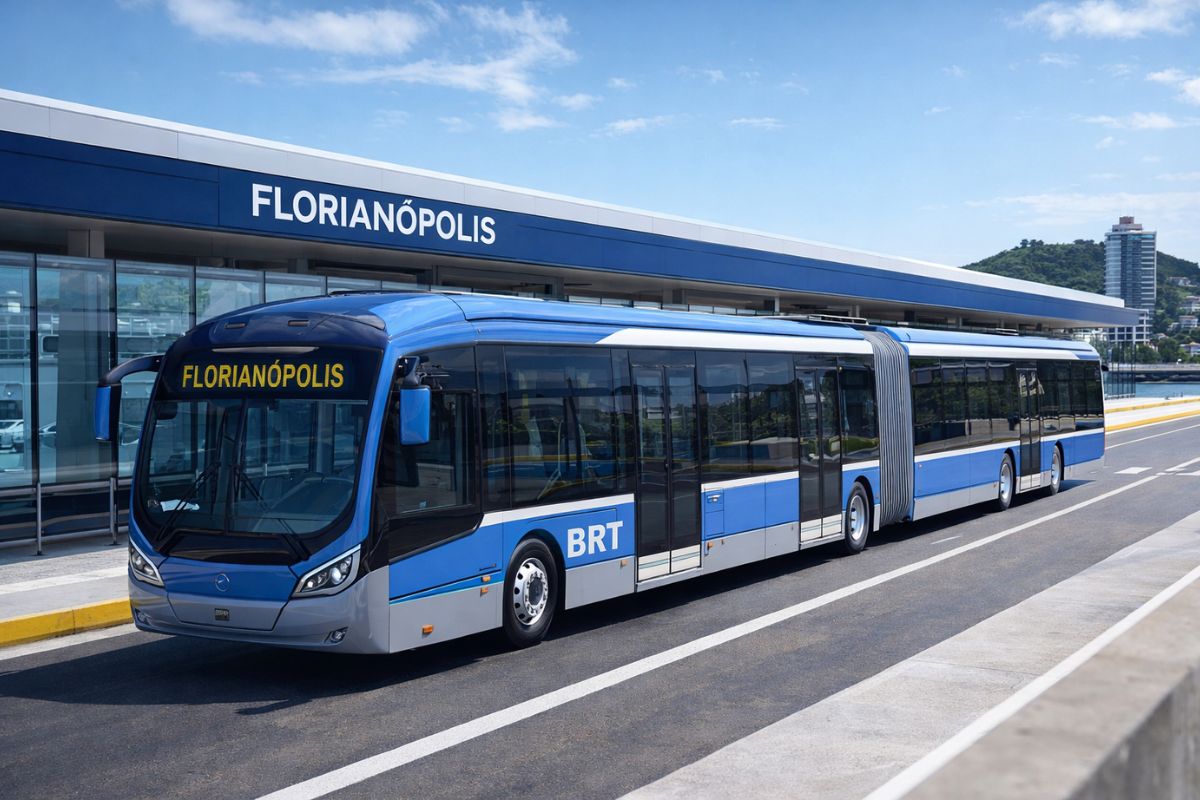
Florianópolis will receive a million-dollar BRT that will begin construction in 2026 with nearly 400 million in funding from the federal government and the Inter-American Development Bank, and the map already shows the routes for the exclusive bus corridors.
-
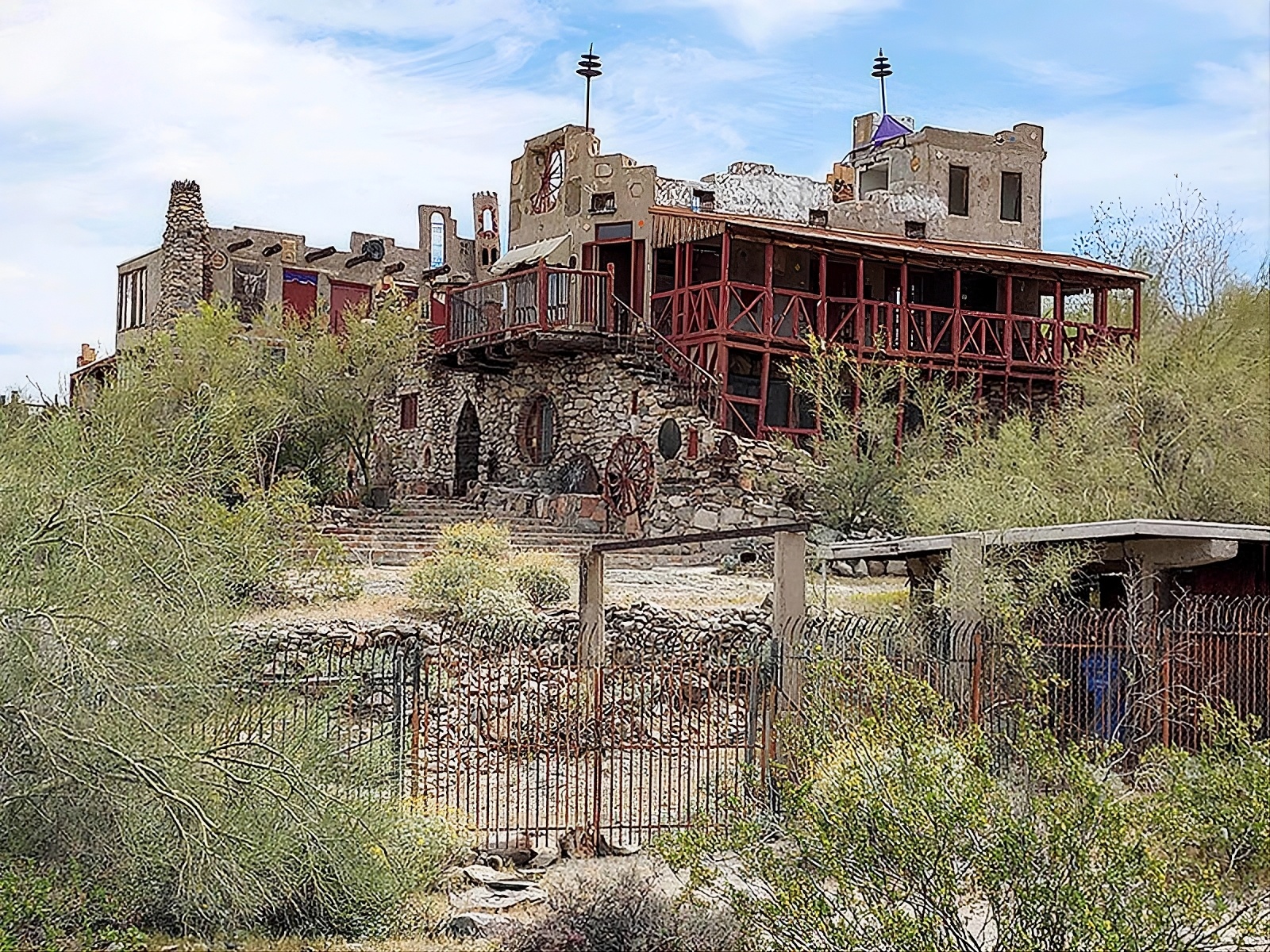
Without a blueprint, without an engineer, and using scrap from the dump, a father spends 15 years building an 18-room castle for his daughter, featuring tram tracks, 13 fireplaces, and over 700 m², which may now be demolished.
The corridor will have 12 stations, and trains will reach a maximum speed of 320 km/h. Despite initial delays, primarily due to the pandemic and challenges in land acquisition, the project is progressing with a new goal for partial launch between Surat and Bilimora by 2026, and full operation by 2028. As of October 2024, physical progress reached 47.17%.
Shinkansen Technology and Financial Support Driving the New Bullet Train
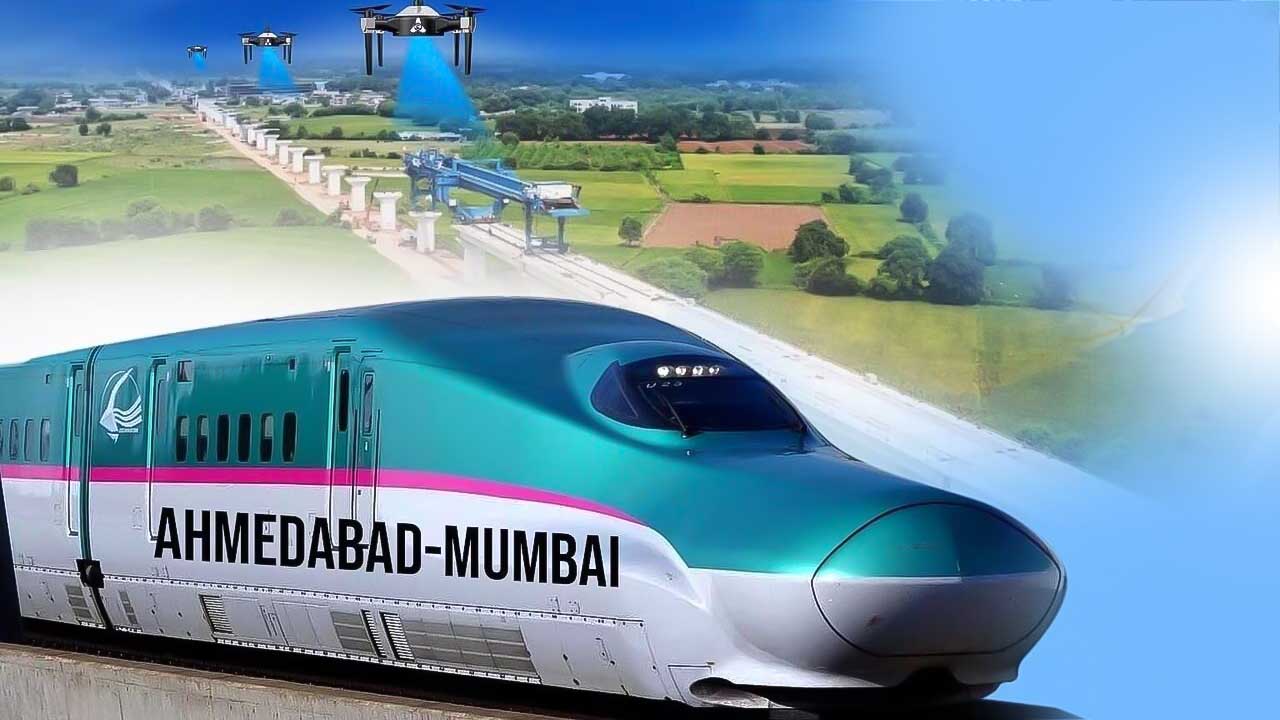
The partnership with Japan is crucial for the MAHSR. The Japan International Cooperation Agency (JICA) finances approximately 80-81% of the project, with low-cost loans (0.1% interest, 50-year term, and 15-year grace period). This support extends beyond financial aid, including technical cooperation and training.
The project employs the renowned Shinkansen technology from Japan, including rolling stock (E5 Series trains for testing, with the future E10 Series in sight), signaling, and design standards. A crucial component is the “Make in India” initiative, involving technology transfer for local manufacturing of components and the development of indigenous high-speed trains by Indian Railways. About 1,000 Indian engineers are being trained in various specialties, utilizing technologies like Augmented Reality (AR) and Virtual Reality (VR).
Milestones of the New Bullet Train Mumbai-Ahmedabad
By 2025, over 70% of the civil works for the MAHSR, including viaducts and tunnels, were completed or at advanced stages. A total of 243 km of viaducts and 352 km of pillar work has been finished. The project includes 465 km of viaducts, 28 steel bridges, and the first underwater railway tunnel in India, measuring 7 km, part of a larger 21 km tunnel in Maharashtra.
The acquisition of 100% of the 1,389 hectares needed was completed in January 2024, overcoming one of the biggest initial challenges. The construction employs advanced digital technologies such as Artificial Intelligence (AI), LiDAR, and robotics to enhance efficiency and safety. The ballastless J-Slab track system, based on Shinkansen standards, ensures stability and low maintenance. Japanese safety standards, with zero fatalities in 60 years of Shinkansen, serve as a benchmark, including the train control system (DS-ATC).
What the New Bullet Train Means for the Indian Economy and Society?
The new bullet train is expected to boost the Indian economy by 2.7%. Enhanced connectivity will facilitate trade and business between Mumbai and Ahmedabad. The project has already generated thousands of construction jobs and will create more during the operational phase.
Real estate development around the stations is anticipated, and tourism is expected to increase. Environmentally, the HSR emits significantly less CO2 per passenger-kilometer than cars or planes. The stations are designed to be eco-friendly, featuring rainwater harvesting and solar energy. JICA also supports Transit-Oriented Development (TOD) to maximize socio-economic benefits in station areas.
The MAHSR as a Pilot for a National High-Speed Network


The Mumbai-Ahmedabad corridor is just the beginning of India’s vision for a high-speed rail network. The MAHSR serves as a pilot project for the ambitious “Diamond Quadrilateral”, which will connect four megacities: Delhi, Mumbai, Kolkata, and Chennai.
This project aligns with the National Rail Plan 2030, aiming to create a “future-ready” railway system. India plans to develop four other high-speed corridors by 2035 and is fostering the production of indigenous high-speed trains. The new bullet train MAHSR is, therefore, a catalyst for infrastructure modernization and positioning India as a global leader in high-speed rail.









Seja o primeiro a reagir!