





 Portuguese
  English
  Spanish
  4 min of reading
  5 comments


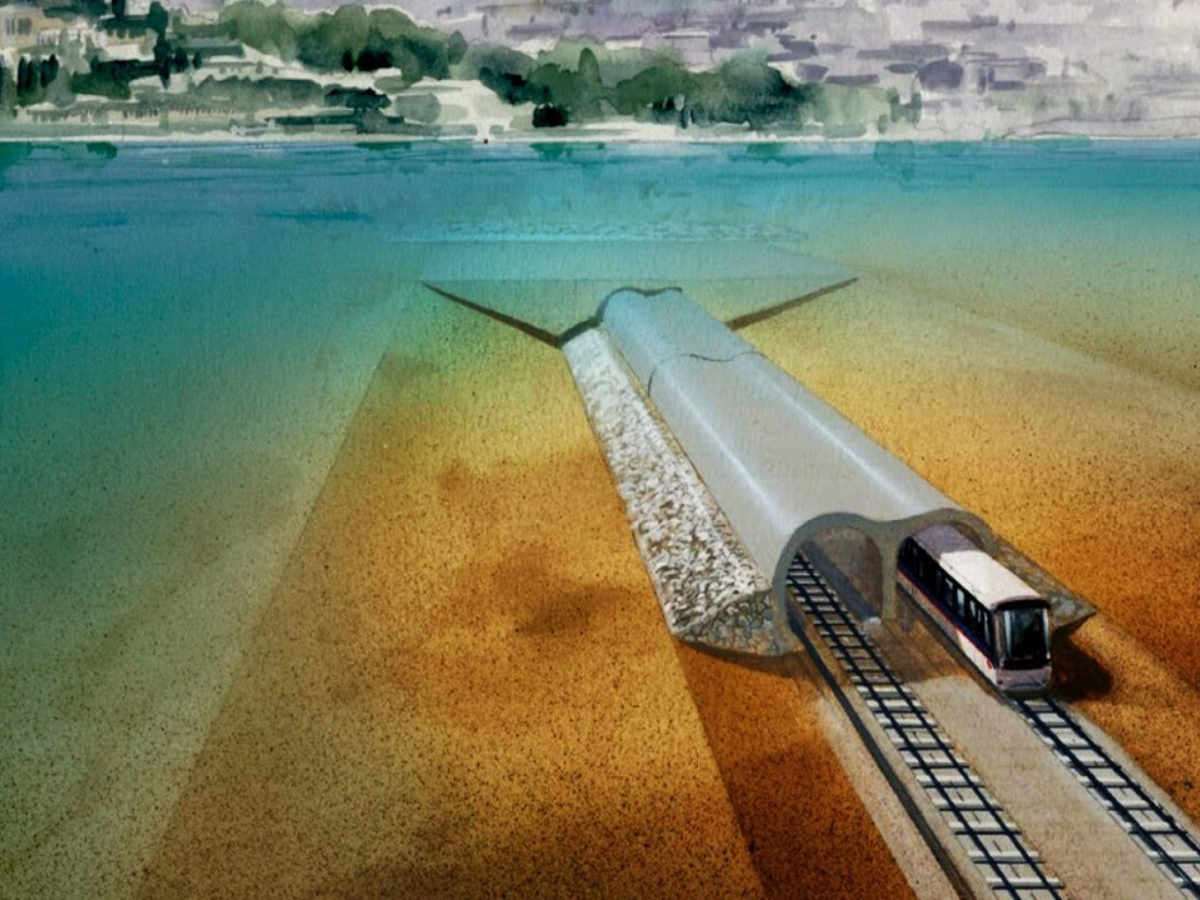


Discover The Engineering And Impact Of The Marmaray Project In Istanbul, Whose Deepest Silk Road Tunnel Overcame Seismic Challenges And Revealed Millennia-Old Archaeological Treasures
The Marmaray is a feat of modern engineering, notable for its submerged tunnel, which is the deepest Silk Road tunnel and the deepest in the world for railway systems. Understand its construction, the challenges overcome, the historical discoveries, and its role as a vital link in global connectivity.
Istanbul, the city that spans two continents, has always dreamed of overcoming the Bosphorus Strait barrier with a railway connection. The Marmaray Project made this century-old ambition a reality, creating an uninterrupted link between Europe and Asia. This monumental work not only transforms transportation but also positions itself as a strategic hub in Eurasian trade.
The Genesis And Modern Imperative Of The Marmaray Project
The idea of a railway crossing under the Bosphorus dates back to the 19th century, with concepts presented as early as 1860 by Sultan Abdul Medjid. By the late 20th century, Istanbul’s population growth and chronic congestion on existing bridges made this necessity urgent.
-
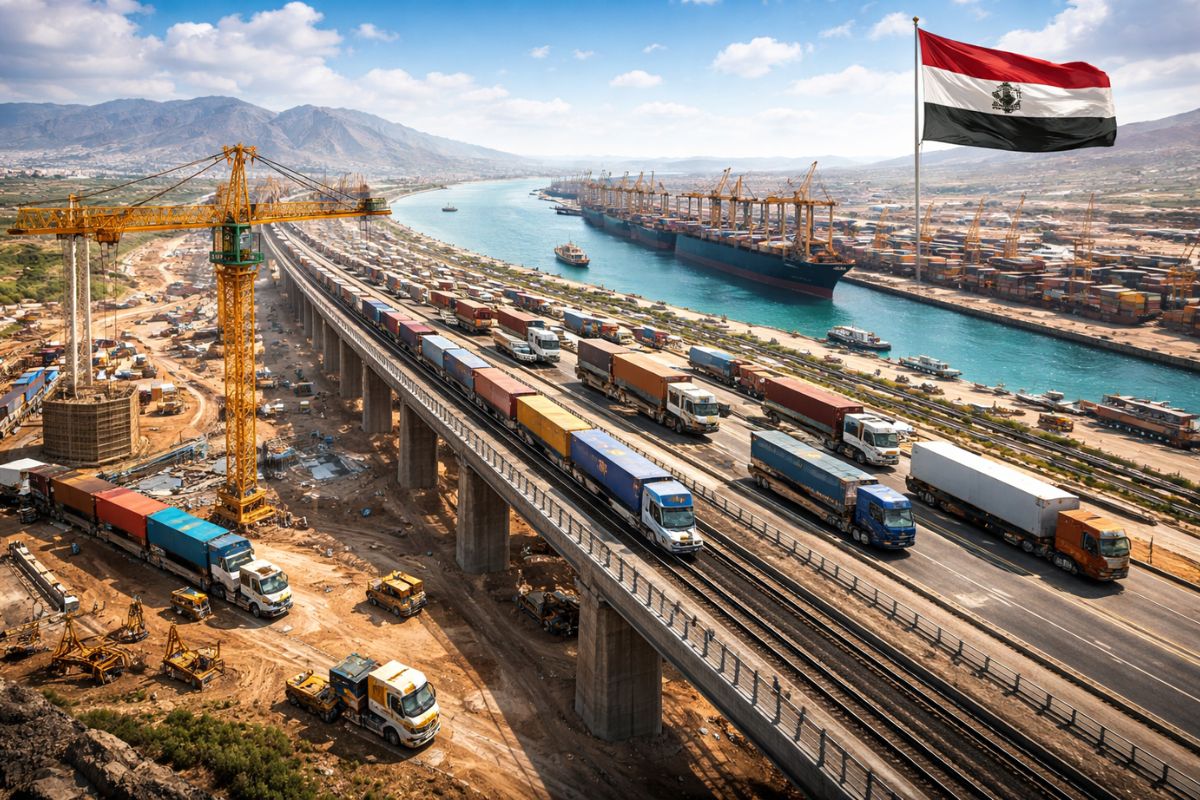
A megaproject worth R$ 89 billion is advancing in Iraq and promises to change the game in global trade by creating a new corridor between Asia and Europe, reducing traditional routes and repositioning the country as a logistics powerhouse.
-
Goodbye bedside table: floating shelves become a trend in 2026 by freeing up space in the bedroom, improving circulation, bringing visual lightness, and integrating technology without taking up floor space.

-
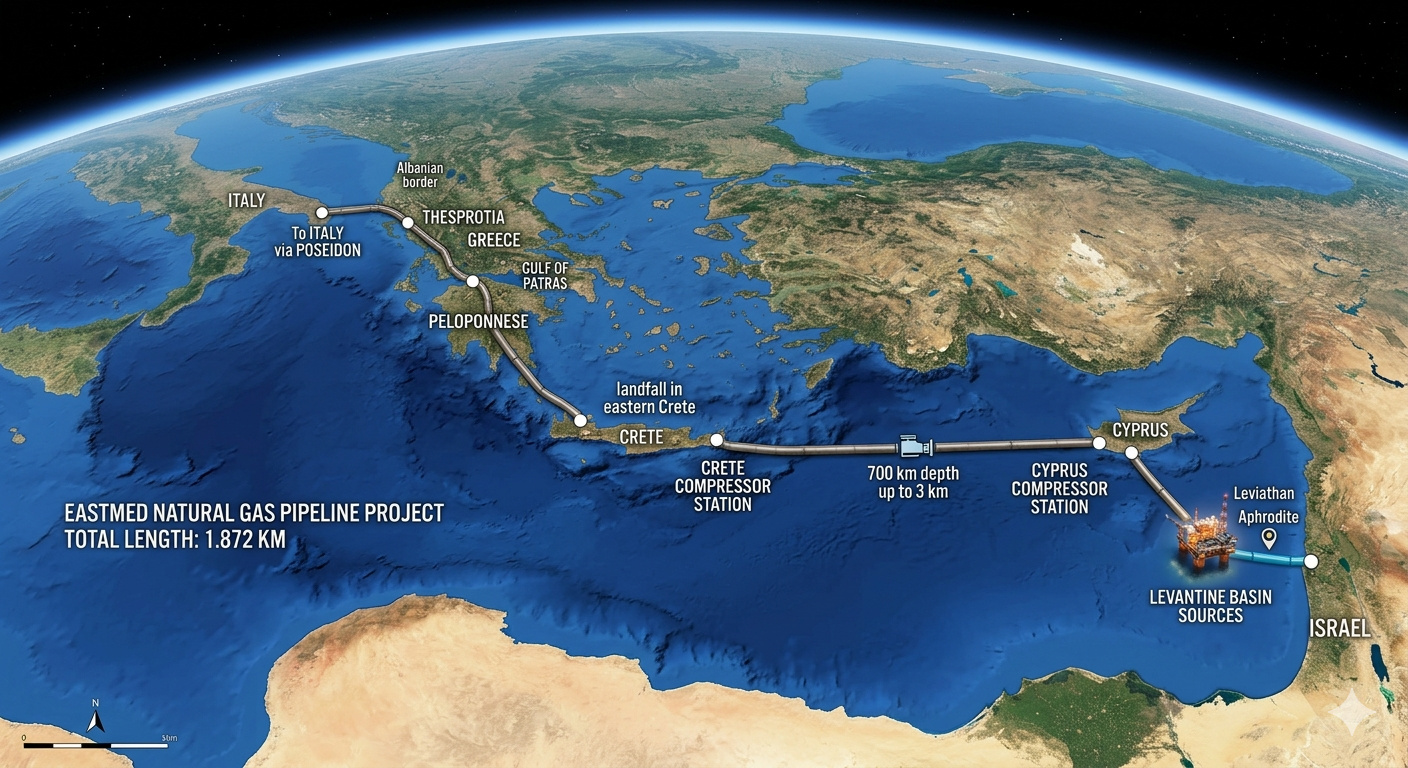
Israel, Greece, and Cyprus signed an agreement in 2020 to transport gas from the Mediterranean to Europe via a 1,872 km pipeline, but Turkey claimed sovereignty over part of the maritime route, and the project never materialized.
-
Israel, Greece, and Cyprus signed an agreement in 2020 to transport gas from the Mediterranean to Europe via a 1,872 km pipeline, but Turkey claimed sovereignty over part of the maritime route, and the project never materialized.

The Marmaray Project was conceived to alleviate urban traffic, provide modern public transport, and, crucially, establish a continuous rail link for passengers and freight between the two continents. Heralded as the “project of the century”, it reflects Turkey’s ambition to modernize its infrastructure.
The Construction Of The Deepest Silk Road Tunnel
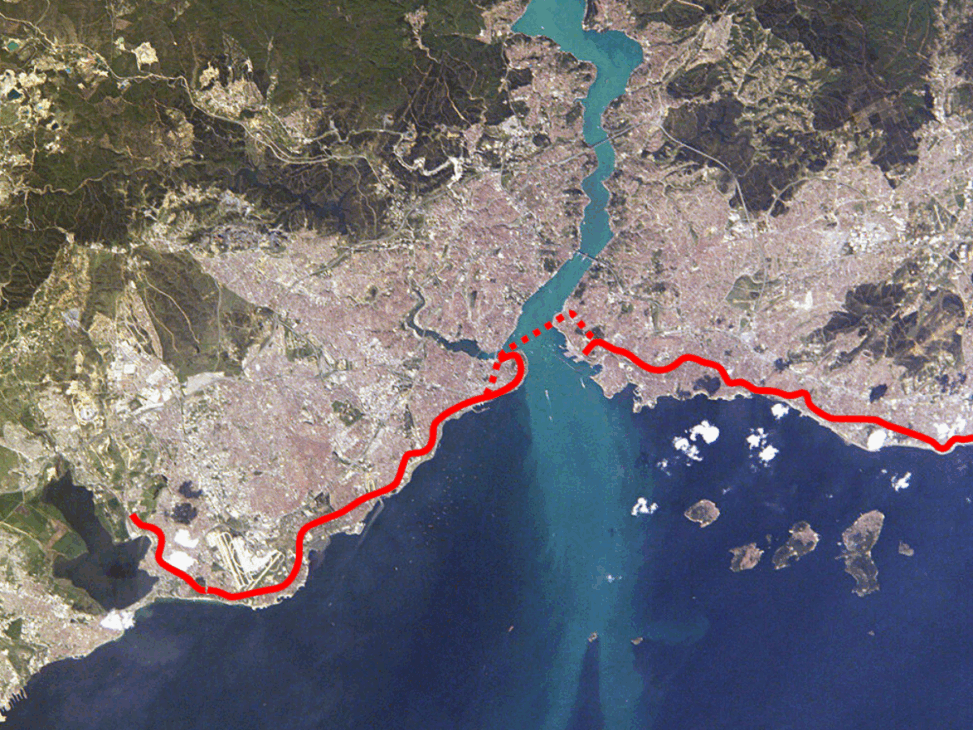
The Marmaray is a high-capacity railway line measuring 76.6 km in length, linking Halkalı (European side) to Gebze (Asian side). Its centerpiece is the Bosphorus crossing, measuring 13.6 km, which includes a 1.4 km submerged tube tunnel. This structure was laid approximately 60 meters below sea level, making it the deepest submerged tunnel in the world used by railway systems.
The construction faced formidable challenges. Proximity to the North Anatolian Fault, one of the most seismically active zones in the world, required a highly resilient design, engineered to withstand a magnitude 7.5 earthquake. The tunnel was designed to be flexible, and emergency locks were installed between its 11 prefabricated sections. The logistics of positioning these 18,000-ton sections under the strong currents of the Bosphorus was also a tremendous feat.
The Archaeological Discoveries That Rewrote The History Of Istanbul
The excavations for the Marmaray, especially at the Yenikapı station, became one of the largest archaeological projects in the history of Istanbul. The discoveries were extraordinary:
The Theodosian Harbor (4th Century): The largest harbor of ancient Constantinople was revealed.
Byzantine Shipwrecks: A fleet of 36 to 37 ships from the 5th to 11th centuries was found, including what appears to be the only ancient galley (rowed warship) ever discovered.
Neolithic Settlement: The most surprising revelation was that of the oldest known settlement of Istanbul, dating back 8,500 years, pushing the city’s history back by millennia.
These discoveries, though immensely valuable, caused delays of over four years to the project and increased its costs, highlighting the complex balance between development and heritage preservation.
Remodeling The Megacity And Eurasian Trade
The Marmaray has the capacity to transport up to 75,000 passengers per hour in each direction, with trains operating every 2 minutes. Integrated with other metro lines, trams, and ferries, it has significantly increased the share of rail transport in Istanbul’s mobility.
For freight, the Marmaray has become a vital artery, enabling uninterrupted rail freight transport under the Bosphorus. Freight trains use the tunnel overnight, connecting China to Europe in about 12 days. The deepest Silk Road tunnel is a cornerstone of the Middle Corridor, a strategic trade route circumventing Russia, enhancing the resilience of global supply chains.
Safety, Challenges, And The Legacy Of A Monumental Work


Concerns about seismic safety were addressed with a robust design, verified by independent entities such as TÜV SÜD. The tunnel was approved for traffic in 2019, and its operational history since then has been solid.
The Marmaray connects Istanbul’s past, from Ottoman dreams to the history unearthed beneath its tracks, with a future of modern transportation and global integration. It stands as a powerful symbol of Turkish engineering prowess, of strategic vision, and as a fundamental link between continents and epochs, ensuring its relevance for generations to come.






Eu sou apenas um mecânico sem formação universitária e não faço parte dos intelectuais do nosso país, mas Vivi esse período nada saudável para qualquer país do mundo.
Algumas pessoas falam do PT, parecem que o PT está governado o Brasil uns 100 anos, mas esqueceram que o próprio governo militar de 1964 a 1985 foram o atraso para o Brasil.
O ex.presidente Ernesto Hackmann Geisel deu início ao desmanche das duas únicas indústrias automotivas brasileiras ( FNM= fábrica nacional de motores e CBT=Companhia brasileira de tratores.
Aí tivemos Fernando Afonso Collor de Mello, destruído tanto empresas estatais quanto empresas privadas com a queda de Collor entre Itamar Franco, continuação de Collor e Fernando Henrique Cardoso seguindo o consenso de Washington , mas Fernando Henrique Cardoso é o queridinho dos fanáticos e não é criticado.
Todos os países que seguiram o consenso de Washington se atrasaram.
E o Brasil ainda não tem sequer um trem de alta velocidade ligando principalmente as maiores metrópoles do país, RIO-S. PAULO.
É triste viver em um país c/os maiores recursos do planeta e não termos uma infraestrutura de 1° de mundo.
O Brasil era pra ter uma das maiores malhas ferroviárias e hidrovias do planeta. Na época do Império, o Brasil já tinha uma das naiores malhas ferroviárias do mundo.
D. Pedro II já tinha planejado construir uma mega hidrovia interligando toda a America do Sul. Mas o projeto nunca saiu do papel. A República, que é governo do povo, conseguiu ser pior que a Monarquia.
D. Pedro II tinha visão de estadista. Nossos presidentes têm visão feudais e coronelismo.
Sou de uma geração que se dizia que éramos o futuro da nação. Vejo q/este futuro nunca chega. É triste saber q/vivemos em um pais que era p/ser de 1° mundo, com + desenvolvimento tanto econômico quanto IDH.
Ninguém, nem autoridades nem os políticos de uma maneira geral têm o direito de travar o desenvolvimento de um país e seifar os sonhos de gerações em gerações de um país desenvolvido e socialmente + justo.
Pena que talvez não terei a oportunidade de alcançar estas transformações q/o país precisa. Pois sou da geração 6.0. Mas faço um apelo. Se o povo e a sociedade não fazer a diferença e as cobranças para estas transformações, pouca coisa vai mudar.
Foi criado uma estatal para administrar o trem rio sp no tempo de Dilma se pagava altos salários mas o projeto nunca saiu do papel mais um falcatrua do pt
Infelizmente a nossa politica é toda voltada para corrupção. Um povo inerte,acostumado ao sistema escravagista.