





 English
  Francês
  Alemão
  Italiano
  Japonês
  Norueguês
  Portuguese
  Spanish
  6 min of reading
  0 comments


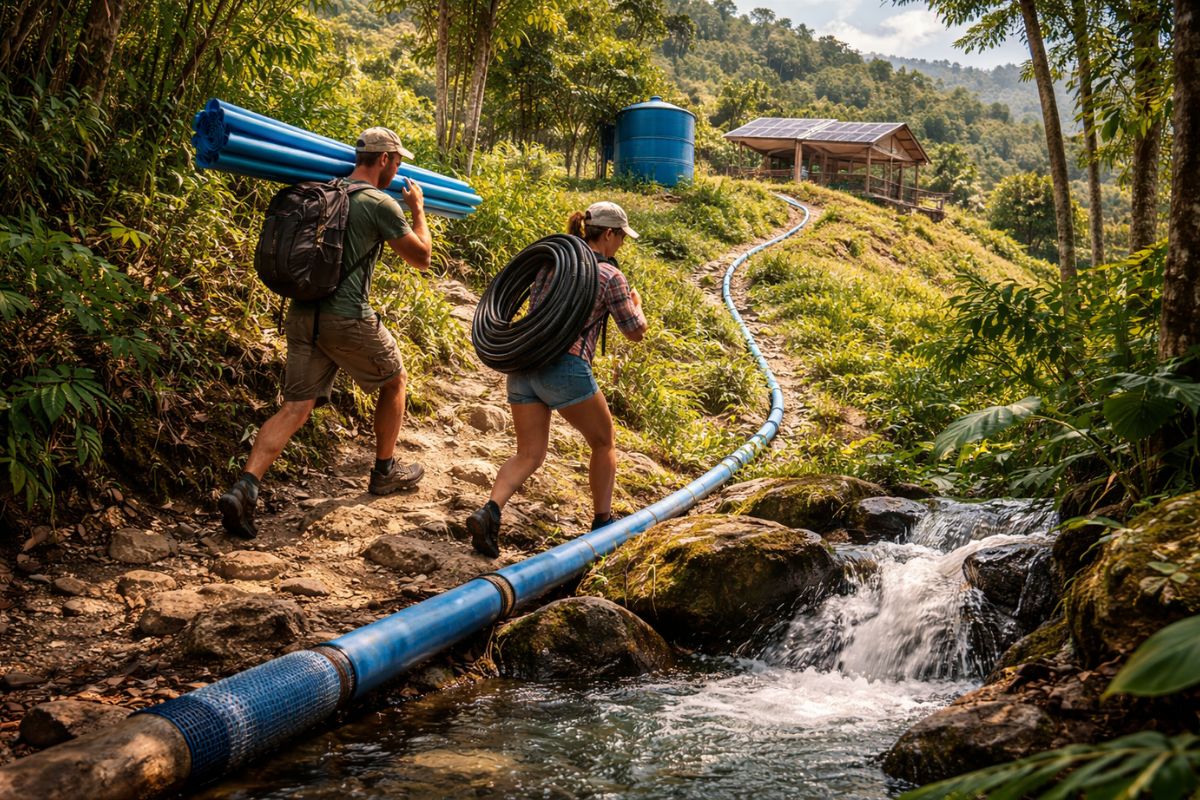
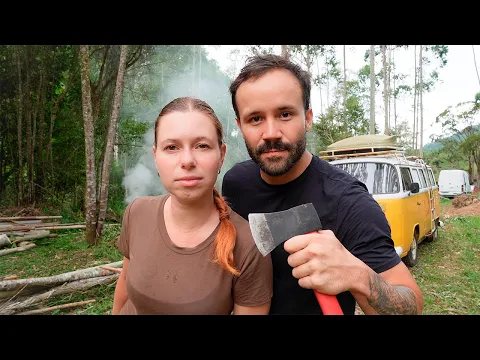
The couple decided to face the water shortage practically and built, with family help, a system to capture the spring at the top of the hill, channel the water to the lower part of the land, and create a cheap, functional, and sustainable solution to ensure their own supply.
The couple’s initiative arose from a basic need. Without piped water on the land and with the routine requiring constant climbs to the spring, the project became an absolute priority. The challenge was great: transporting cement, pipes, tarps, tools, and other materials up a steep access, carrying everything on their backs to the top.
More than a simple construction, what happened there was a mix of physical effort, intelligent improvisation, and planning with what was available on site. Water ceased to be just a desire for comfort and became the central point to make the land truly usable.
The result did not come from heavy machinery or a sophisticated structure. It arose from walking, organization, hand-washed stones, improvised cement preparation, and a lot of teamwork. It is precisely this combination of simplicity and efficiency that makes the solution stand out.
-
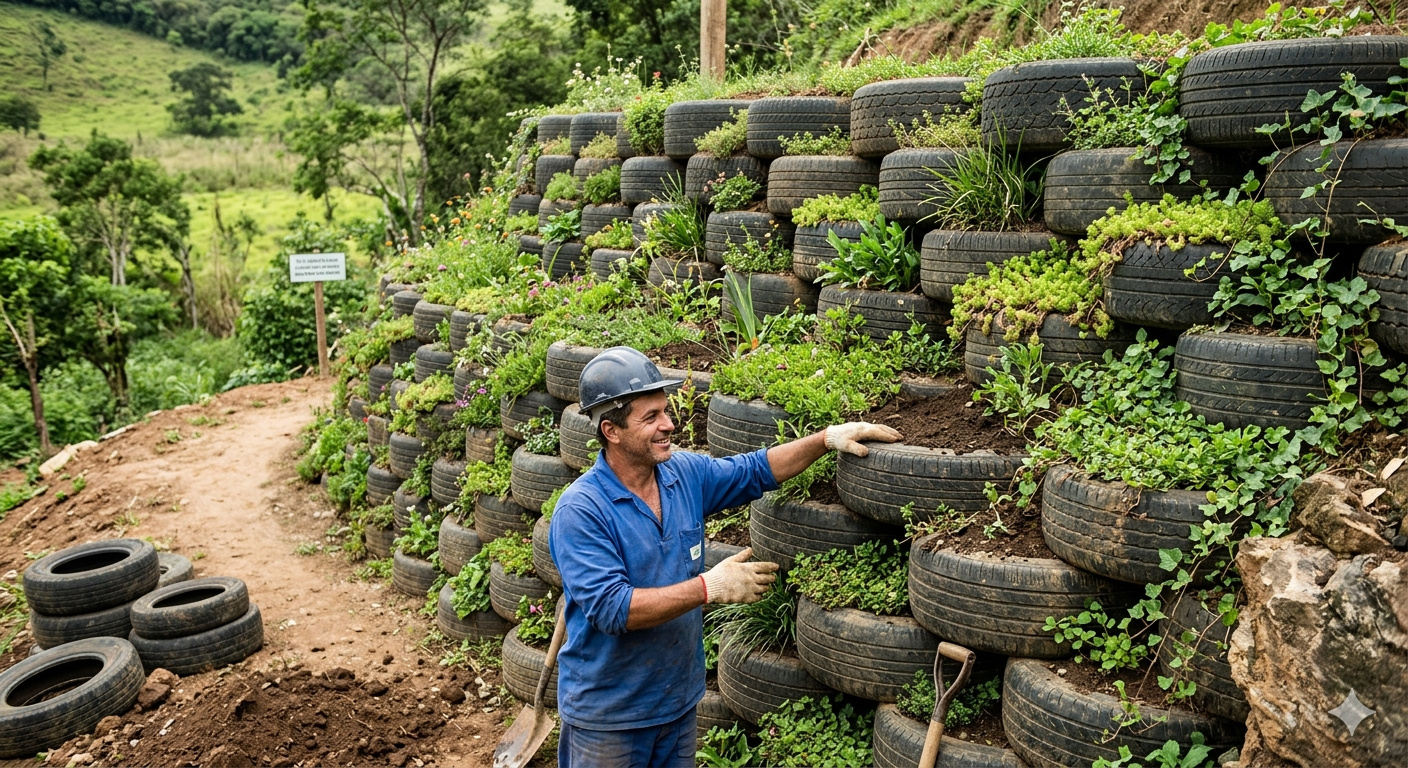
Goodbye expensive retaining wall: builder teaches how to create an ecological structure with recycled tires that holds the soil, reduces costs, and repurposes materials that would go to waste.
-
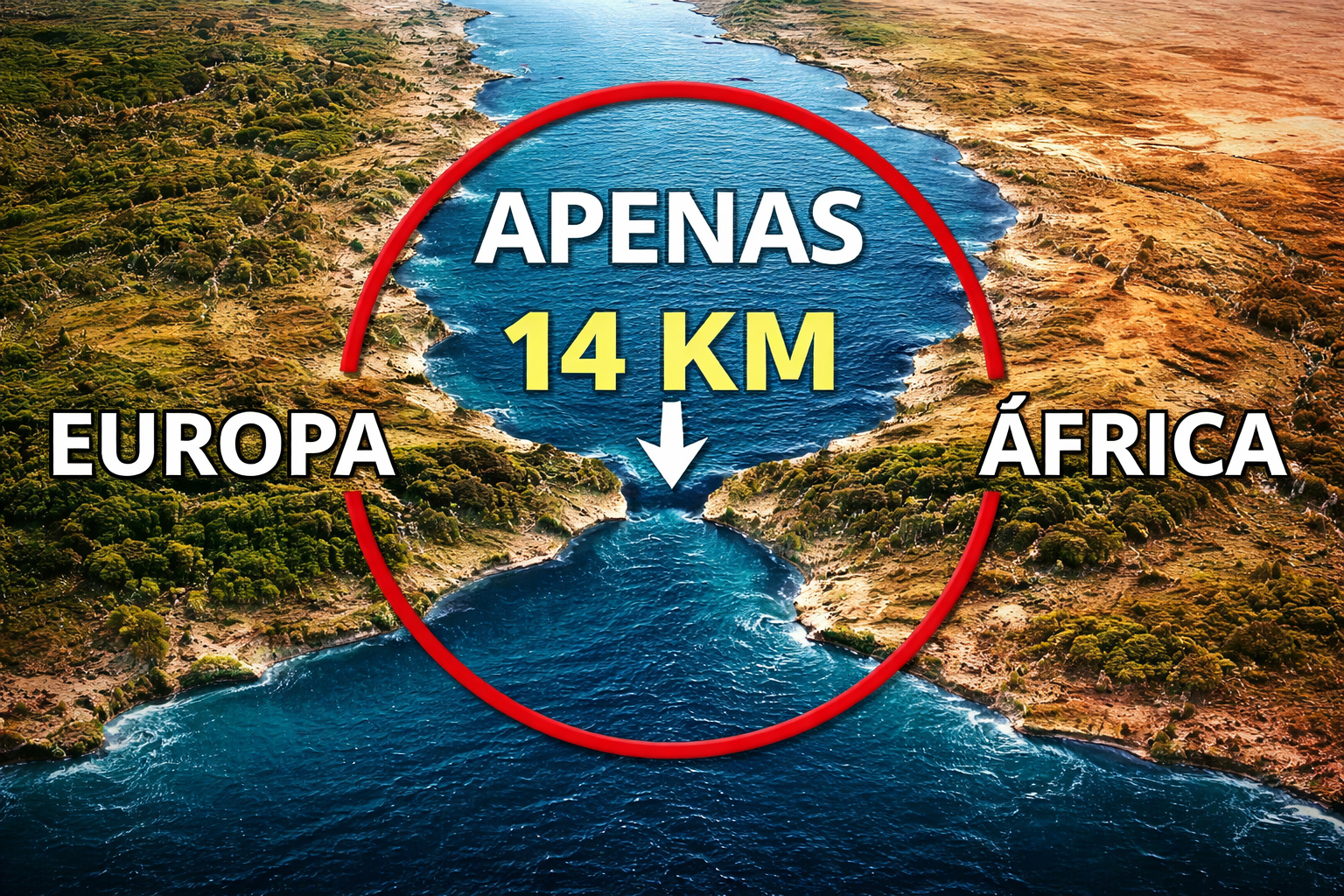
For 45 years, Spain and Morocco have been trying to connect Europe to Africa through a project of just 14 kilometers in the Strait of Gibraltar, and an active tectonic fault on the seabed continues to make the project nearly impossible.
-
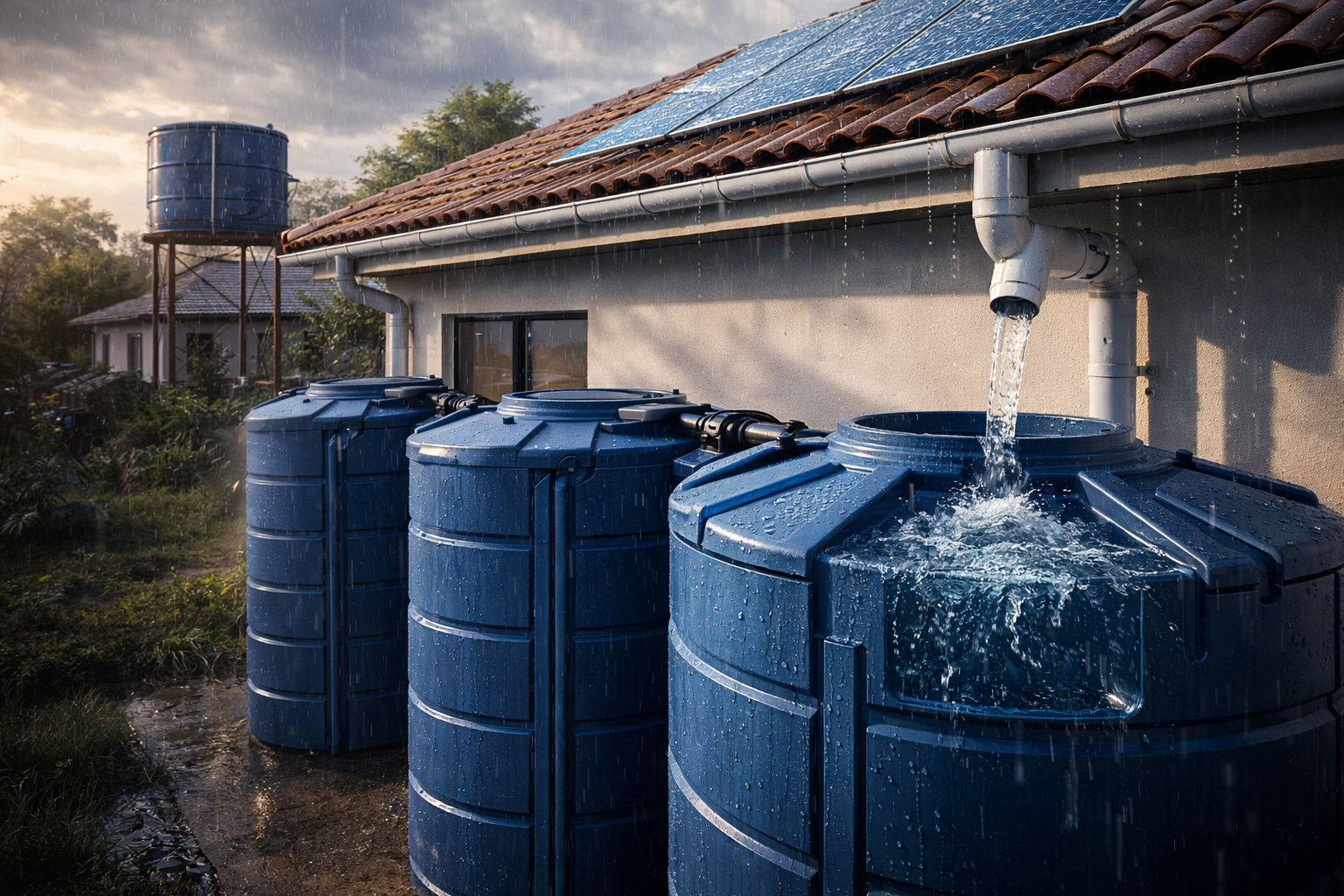
Goodbye expensive water tank: residents replace traditional system with a cheaper and more efficient solution that reduces water consumption and reuses rainwater.
-
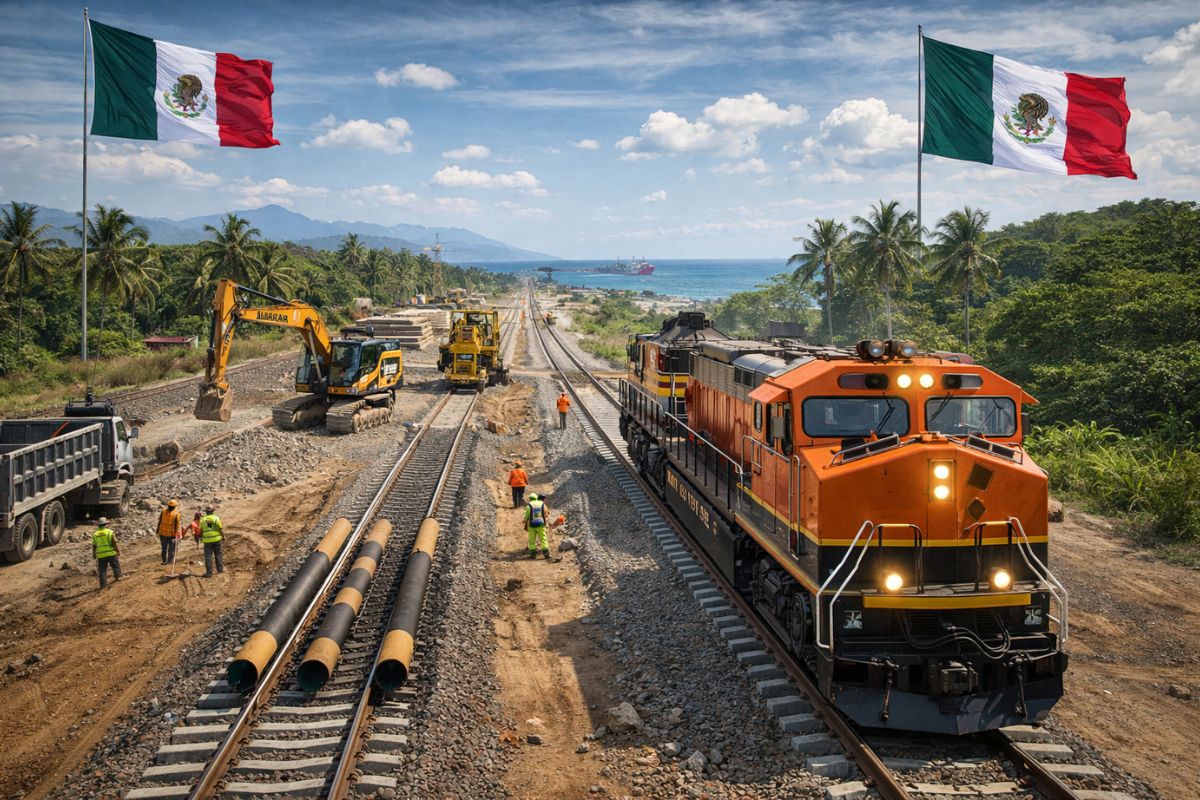
Mexico is building a 300-kilometer railway corridor that connects the Pacific to the Atlantic in just seven hours and wants to compete directly with the Panama Canal, which is already facing water scarcity issues.

The couple transformed the spring into a priority on the land
From the beginning, the couple made it clear that water was one of the foundations for continuing any other work on the land. Without it, daily tasks such as drinking, cooking, and carrying out the construction depended on a tiring logistics, with constant climbs to the spring.
This explains why the mission gained weight early on. Without water, there is no stable routine, no viable construction, and no comfortable permanence on the land. The decision to channel the spring was, in practice, a decision to make the space viable for the future.
The climb up the hill became the most difficult part of the mission
The hardest stage faced by the couple was the access to the spring. The path goes through a steep part of the land, crosses forest, dry soil under pines, and closed sections, until reaching the area where the water springs from the ground.
Carrying the materials there required heavy effort. Backpacks with pipes, tools, tarps, cement, and bleach were carried uphill on a tiring route. The difficulty was not only in building the solution but in getting the solution to the right place.
The couple located the spring and measured the distance to the lower part

Before starting the definitive intervention, the couple made an incursion to locate the spring and measure the approximate distance to the lower part of the land. The calculation indicated something between 200 and 220 meters, which helped to size the work necessary to bring the water to where it would really make a difference in daily life.
This reconnaissance also served to understand the topography of the path. The work could not be thought of only at the spring because it depended on the entire route between the source and the point of use. It was this reading of the land that gave direction to the service.
The system was thought out with barrier, piping, and safety outlet
The solution built by the couple started with the idea of forming a barrier in the spring area to create a small reservoir. From there, the system gained three main functions: the hose piping that will carry the water down, the cleaning tube, and the so-called thief, used to drain excess.
This organization shows that the work was done logically. It was not enough just to capture the water; it was necessary to control entry, cleaning, and excess volume to make the spring functional and safer for continuous use.
Stones from the region helped close and protect the structure
The couple used stones found in the area to build and cover the spring structure. These stones were washed and sanitized before being placed over the catchment area, helping to form a more stable protection over the water outlet point.
This choice shows how the work took advantage of the resources from the land itself. Instead of relying on expensive or difficult-to-transport materials, the solution combined what was carried uphill with what the region itself offered.
Cement, tarp, and pipes shaped the capture
After cleaning the site, the couple began to assemble the more structural part of the work. The cement barrier was created to secure the base of the spring, the pipes were positioned at different levels, and the tarp cover was added to help protect and seal the system.
The set was organized in a simple but functional way. Each element had a clear role in the functioning of the spring, from the main water outlet to the specific tube for sanitization and the thief that prevents overflow.
The couple created a solution to clean and sanitize the water
One of the most important details of the system assembled by the couple was the creation of a practical way to sanitize the spring. The structure gained a specific tube for cleaning, allowing bleach to be placed at the upper point and then opening the lower outlet to wash the area.
This feature shows that the concern was not only to capture the water but to maintain its quality. The work aimed not only to solve the supply issue but to do so with the minimum control and safety possible within the reality of the land.
The work was done with intelligent improvisation and family help
The work of the couple did not happen alone. Family members participated in the climb, collecting stones, mixing cement, sanitizing materials, and the overall organization of the work. At times, the division of tasks was essential for everything to progress without stalling.
This collective dimension gave another tone to the project. Piped water became a shared goal, and this helped transform a heavy task into a construction done together, with physical effort, cooperation, and practical improvisation.
Cheap solution helped avoid greater expenses at the beginning

One of the most interesting points about what the couple did is the potentially reduced cost of the solution. Since access to the top was difficult and the transport of materials was limited, the work needed to use as much as possible of what was available on site and avoid more complex structures.
This made the project simpler but also more coherent with reality. Instead of waiting for an expensive and perfect solution, the couple preferred to first solve the essentials, ensuring water and leaving fine adjustments for later.
Piped water became a mark for the future of the land
At the end of the work, the couple already considered the first stage completed. The spring was organized, piped water became a concrete possibility, and the land gained one of the most important foundations for the advancement of the next phases.
This moment was treated as a watershed in both the literal and symbolic sense. With available water, the space ceases to be just a promise and begins to transform into a place possible to live, build, and plan with more autonomy.
The couple wants to continue with the project respecting the land
Even with the water directed, the couple makes it clear that the spring work is just a part of a larger plan. The intention is to continue fencing, planning, organizing accesses, and thinking about the use of the land with a broader vision, respecting water resources, terrain, and connection with nature.
This choice reinforces the spirit of the project. It is not just about erecting structures, but about building a space with more autonomy, less waste, and better utilization of what the land itself offers.
The simplicity of the solution helps explain its strength
In the end, what stands out most about what the couple did is the simplicity of the response to a huge problem. With manual labor, basic materials, and utilization of the place, they created a solution that can completely change the routine on the land.
That is exactly what makes the story so strong. The work does not impress with luxury or technology, but with the ability to solve the essentials with effort, practical intelligence, and a sense of priority.
Would you have the courage to do like this couple and climb a hill carrying materials to ensure your own water supply on the land?







Seja o primeiro a reagir!