





 Portuguese
  English
  Spanish
 4 min of reading
  0 comments


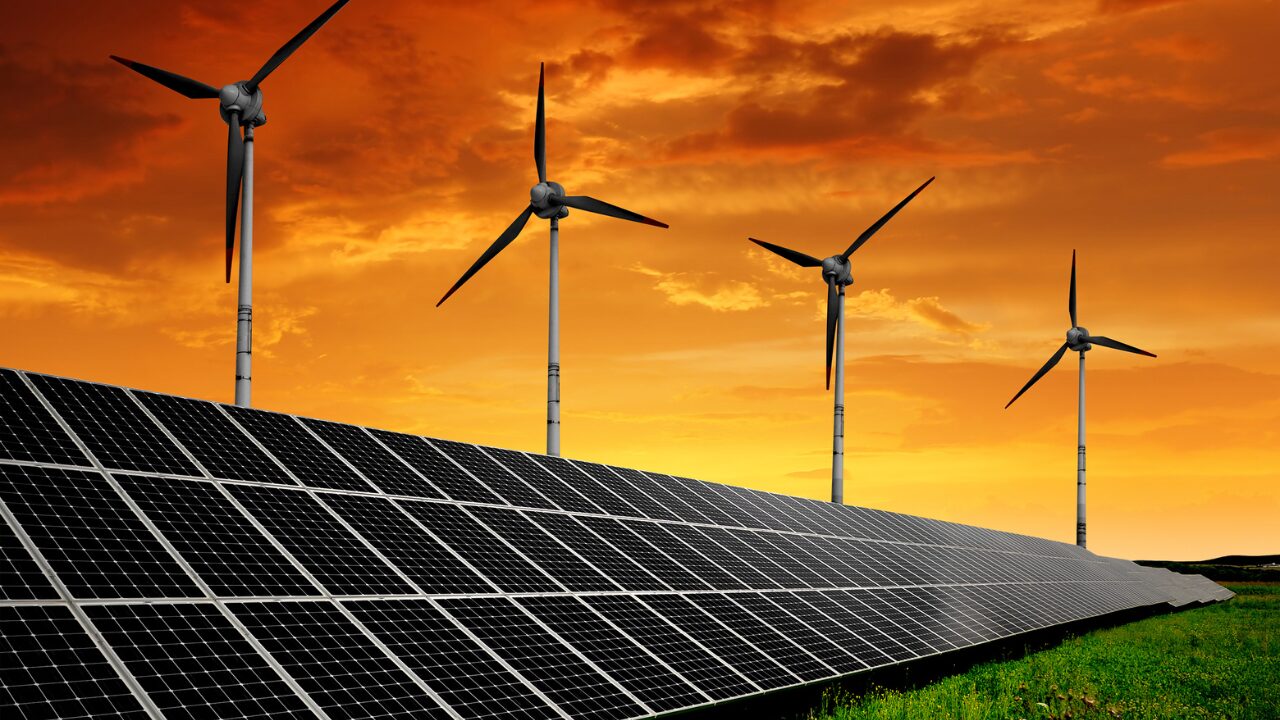
The Cuts in Renewable Energy Generation in Ceará, Caused by the Lack of Transmission Infrastructure, Resulted in Million-Dollar Losses, Affecting Investments and Confidence in the Solar and Wind Energy Sector.
In recent years, a growing problem has affected renewable energy plants in Brazil, especially in the state of Ceará: energy cuts, also known as curtailment. This phenomenon occurs when solar and wind power plants are forced to interrupt production due to the inability of the electrical transmission grid to carry all the energy generated.
As a result, companies are facing significant financial losses. In Ceará, losses have already exceeded R$ 262 million, affecting both solar and wind parks.
The Impact of Curtailment in Ceará Generates Billion-Dollar Losses
The state of Ceará, recognized as one of the largest producers of renewable energy in Brazil, is the second most affected by generation cuts, falling behind only Minas Gerais in terms of losses.
-
Renewable energy advances over protected areas in Brazil, and a survey by the Energy Transition Observatory reveals silent impacts that challenge environmental conservation and pressure sensitive traditional territories.

-
Rio Grande do Sul accelerates energy transition: State invests in renewable technologies and consolidates decarbonization strategies and pathways to attract billions in new industrial investments.

-
With 160,000 m² of collectors, an area larger than 20 football fields, Silkeborg, in Denmark, hosts a solar thermal plant that heats 19,500 homes and could become the largest solar heating plant in the world.

-
A study reveals the expansion of renewable energy procurement in Brazil and shows how companies are taking advantage of opportunities to reduce expenses, ensure energy efficiency, and strengthen strategic environmental commitments.


Since the beginning of this crisis, which intensified from 2021, solar and wind plants have accumulated substantial losses.
In 2025, for example, Ceará’s wind farms reported losses of R$ 20 million due to the interruption of 341.4 thousand MWh of energy.
Meanwhile, solar plants, between 2024 and 2025, faced an impact of R$ 56 million, with 716.46 thousand MWh of wasted energy, equivalent to the annual consumption of all households in Roraima in 2023.
These generation cuts are carried out by the National Electric System Operator (ONS) when the electrical transmission infrastructure does not have the capacity to carry the energy generated by the plants to other parts of Brazil.
The result is that a large portion of the renewable energy generated in the Northeast ends up being wasted, despite being a clean and abundant source.
The Economic Challenge for Renewable Energy Plants
The financial impact of curtailments is devastating for companies investing in renewable energy.
Rodrigo Sauaia, executive president of the Brazilian Solar Photovoltaic Energy Association (Absolar), warns of the fragility of the economic situation of the plants, which are struggling due to the lack of adequate compensation for the cuts.
“Until April, compensation for solar plants represented only 2.5% of the total loss”, highlights Sauaia.
Moreover, the situation has discouraged new investments in the sector. Kleber Lima, a professor at the Federal University of Ceará (UFC), points out that the limitation on energy generation reduces the attractiveness for new projects, as investors do not see sufficient returns to justify the high costs.
He adds that, with constant interruptions, Ceará risks losing its leading position in renewable energy generation, as industry players become increasingly reluctant to make new financial investments.
Transmission Infrastructure is a Critical Bottleneck
The main reason behind curtailments is the lack of electrical transmission infrastructure in Brazil, especially in the Northeast.
The current transmission grid does not have sufficient capacity to carry all the energy generated by solar and wind plants to other regions of the country.
In some situations, energy generation in the Northeast exceeds local demand, and the only option would be to export the surplus to other regions or store that energy.
However, the capacity for renewable energy storage is still limited in Brazil.
The country is in the process of implementing battery auctions for energy storage, but there is still a significant gap regarding the need for more investments in transmission lines and efficient storage technologies.
Kleber Lima explains that Brazil urgently needs more investments in both transmission infrastructure and storage systems to harness the full potential of renewable energy generated in the Northeast.
Investments and Legal Uncertainty
Aside from direct financial losses, uncertainty regarding the continuity of operation of renewable energy plants in Brazil is another factor that has generated concern in the sector.
Luis Carlos Queiroz, president of the Union of Energy Industries and Services in the Electric Sector of the State of Ceará (Sindienergia), believes that the uncertainty created by generation cuts makes it very difficult for companies in the sector to decide on new investments.
He observes that many of the projects that were underway are being reevaluated or suspended due to the financial impact of curtailments.
The lack of a stable and reliable environment also affects the local industry producing equipment for wind and solar parks, such as blades, solar panels, and wind turbines.
Qair Brasil, a company with assets in renewable energy in Ceará, is an example of how generation cuts have impacted the company’s plans. Gustavo Silva, Qair’s operations director, explains that project structuring was based on an expected generation that is now being drastically affected by the cuts.
The Path to Recovery in the Renewable Energy Sector
In the face of this challenging scenario, the Brazilian government recognizes the urgent need to expand electrical transmission capacity to prevent renewable energy generated in the Northeast from continuing to be wasted.
The Ministry of Mines and Energy has requested that the ONS present, by June 2025, a study on measures to enhance the flow of energy and improve the utilization of clean energy.
For Kleber Lima, in addition to more investments in storage, it is essential for Brazil to invest in significant improvements in the electrical transmission grid.
“Without these improvements, we will not be able to carry the renewable energy produced in the Northeast, and the situation will continue to undermine investors’ confidence in the sector,” he concludes.








Seja o primeiro a reagir!