





 Português
  Inglês
  Espanhol
  4 min de leitura
  0 comentários


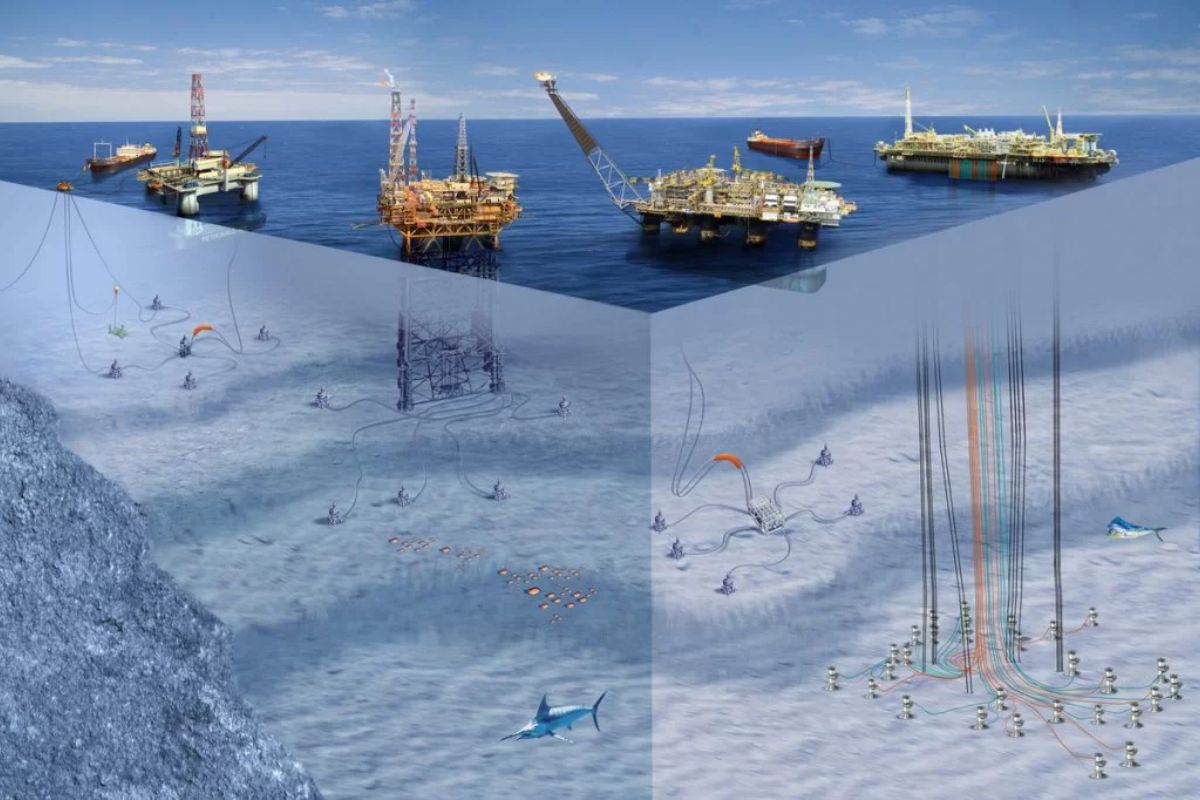
Understand How the Discovery of Pre-Salt, with Its Giant Reserves of Oil and Natural Gas Located in the Santos and Campos Basins, Deeply Transformed the Brazilian Energy and Economic Scenario.
The discovery of Pre-Salt, which occurred throughout the 2000s, represented one of the most significant milestones in Brazil’s recent history. Giant reserves of oil and natural gas were identified beneath a thick layer of salt, at great depths in the Atlantic Ocean.
We will explore the geological context of the Santos and Campos Basins, the main milestones of the discovery of Pre-Salt, the immense technological challenges overcome, the vast economic impacts, and the management models adopted for this wealth, without forgetting the socio-environmental challenges.
Pre-Salt: The Brazilian Treasure in Ultra-Deep Waters
The Pre-Salt reserves are vast accumulations of oil and natural gas situated beneath an extensive layer of salt. They are primarily located in the Santos and Campos Basins, along the Brazilian coast, over a stretch of approximately 800 kilometers in length. The geology is impressive: the reservoirs lie beneath a water column that can reach 3,000 meters, followed by a salt layer of up to 2,500 meters thick, with the total depth from the sea surface to the reservoirs reaching up to 7,000 meters.
-
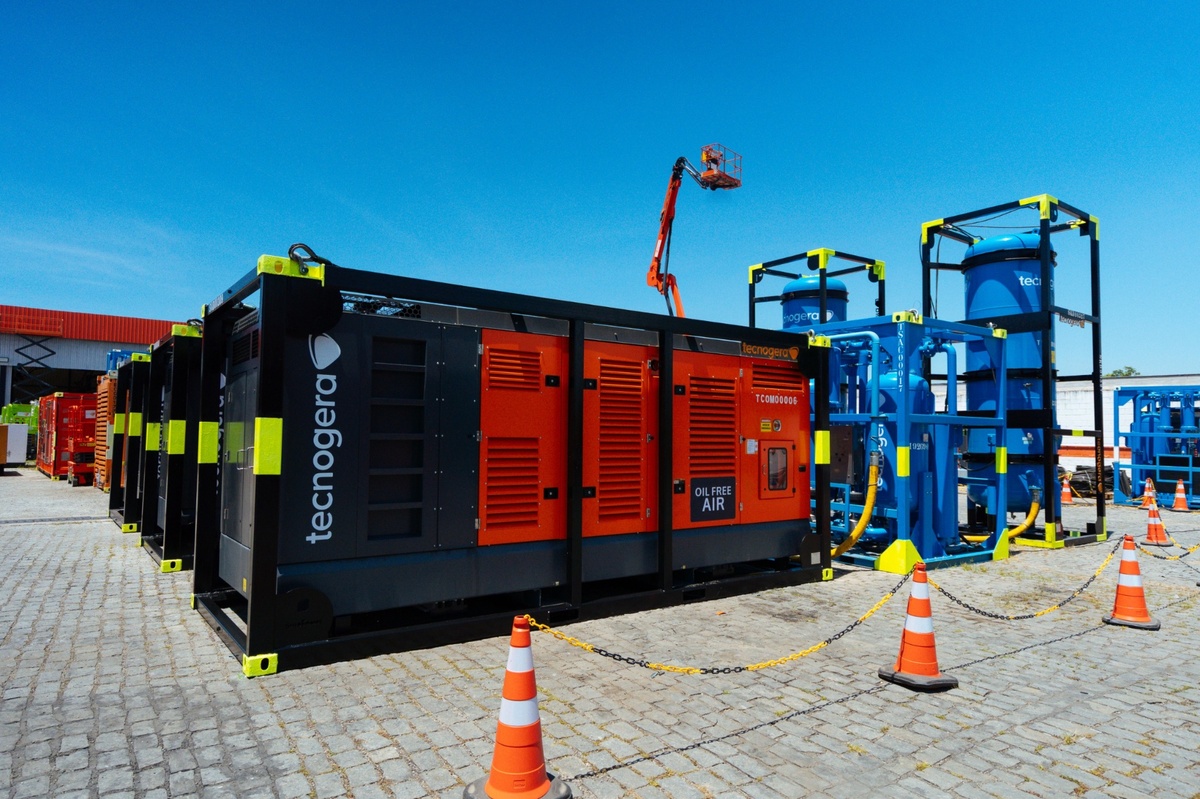
Offshore industrial demand in Macaé skyrockets with the recovery of oil and gas and could grow by up to 396% by 2026 in the Campos Basin.
-
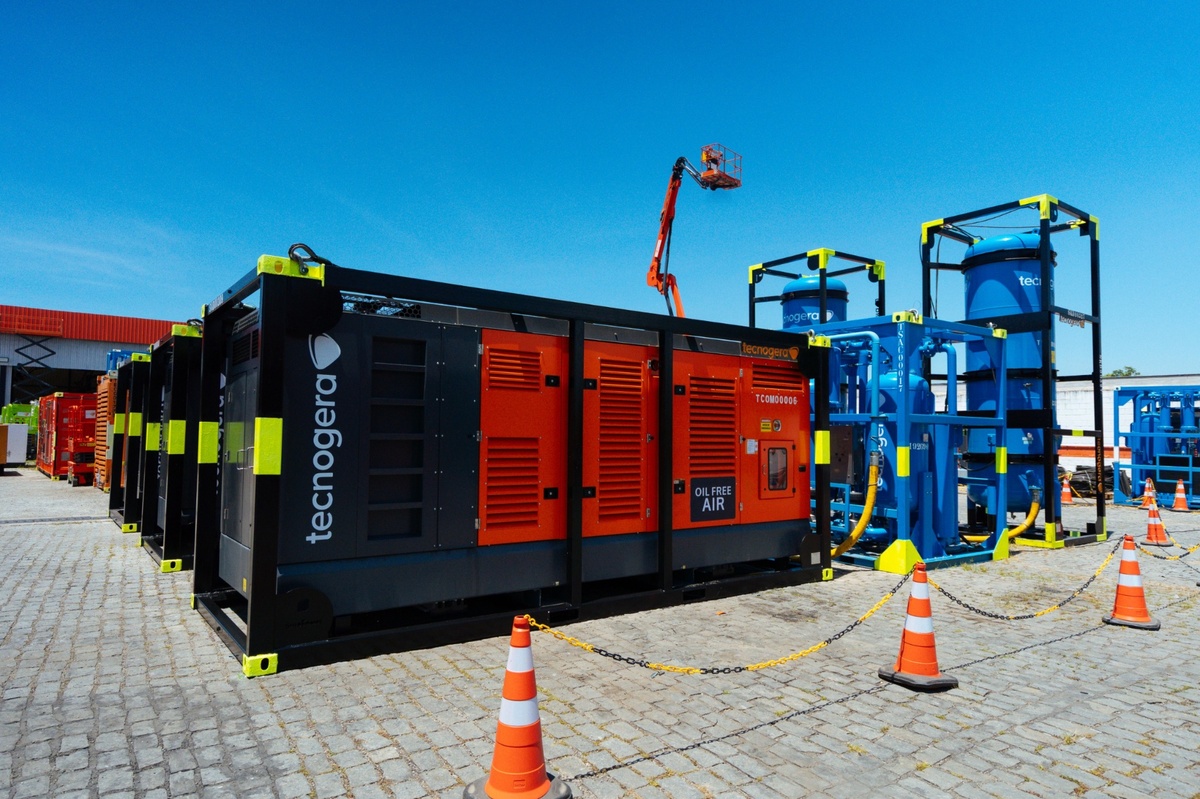
Offshore industrial demand in Macaé surges with the recovery of oil and gas and could grow by up to 396% by 2026 in the Campos Basin.
-
Brazilian giant expands borders in the Southeast: Petrobras confirms new oil discovery in ultra-deep waters in the pre-salt of the Campos Basin.

-
Alert in the global energy market: Severe tropical cyclone hits the coast and disrupts gas production at major plants in Australia, threatening global supply.


An important differentiator is the quality of the oil found. It is predominantly light oil, with low sulfur content, which gives it high commercial value and optimizes domestic refining.
The Timeline of the Discovery of Pre-Salt: A Decade of Milestones
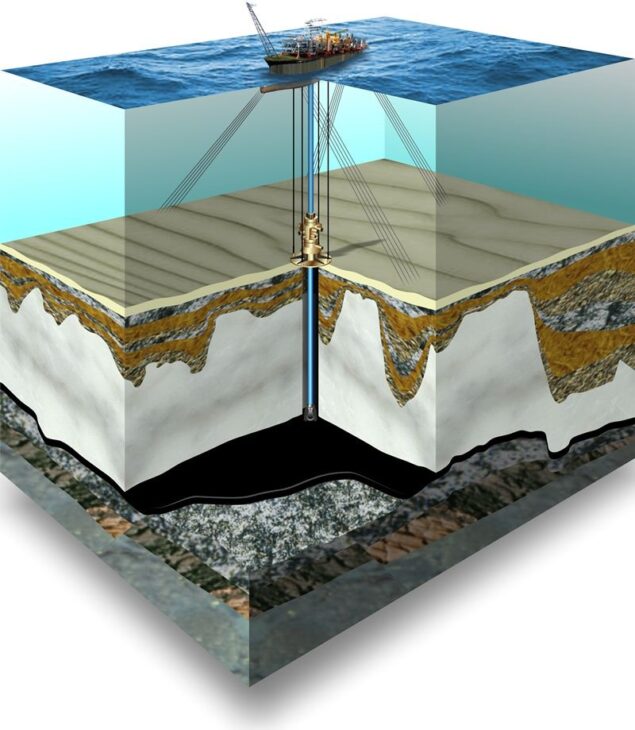
The journey to the discovery of Pre-Salt was gradual. In 2005, the first drilling reached the geological context of Pre-Salt in the Parati Prospect (Santos Basin), validating exploratory theses, although it was not yet commercial. The following year, in 2006, the first discovery considered commercial of oil in Brazilian Pre-Salt also occurred in Parati.
The big milestone came in 2007, with the announcement of the gigantic discovery in the Tupi prospect (later renamed Lula), in the Santos Basin. Initial estimates pointed to 5 to 8 billion barrels of oil equivalent, one of the largest global discoveries in recent decades. In 2009, the first Long-Term Test (LTD) was conducted in Tupi, and in the same year, on May 1st, the first oil production in Pre-Salt from the Santos Basin began.
Overcoming Barriers: Technological Challenges and Pioneering Innovations
The exploration of Pre-Salt imposed unprecedented technological challenges. The extreme conditions included total depth, complex drilling of the salt layer (which presents the phenomenon of creep, potentially closing the well), high pressures and temperatures, and the great distance from the coast (up to 300 km). Additionally, the associated gas contained high concentrations of CO2.
Petrobras, through its research center (CENPES), led the development of innovative solutions. Notably, the HISEP® technology, patented by the company, allows for the subsea separation of oil and CO2-rich gas, with the reinjection of the latter into the reservoir, acting as Carbon Capture and Storage (CCS). Collaboration with Brazilian universities, such as UNIFEI and UFRJ, and with the oil service industry was essential to overcoming these barriers.
The Transformative Economic Impact of the Discovery of Pre-Salt
The discovery of Pre-Salt reconfigured the Brazilian economy. The country established itself as an oil powerhouse and achieved self-sufficiency in light oil, improving the quality of the product processed in its refineries. There was a significant contribution to Gross Domestic Product (GDP) and a historical reversal in the trade balance of oil and derivatives, which became consistently surplus.
The exploration generated record government revenues through royalties, special participations, and signature bonuses. Pre-Salt Petroleum S.A. (PPSA) projects a trillion-dollar collection for the Union over the next ten years. The supply chain of the oil and gas industry was stimulated, as was job generation, although the effectiveness of the Local Content Policy (PCL) has been the subject of debates and adjustments.
Management and Regulation of Wealth: Sharing, Funds, and the Role of the State
With the magnitude of the discovery of Pre-Salt, Brazil altered its regulatory framework. The production-sharing regime was introduced for Pre-Salt areas (Law No. 12,351/2010), where the state (Union) retains ownership of the oil and the contractor is reimbursed for costs and receives a share of the profit. The National Agency of Petroleum, Natural Gas and Biofuels (ANP) continued its regulatory and oversight functions. The PPSA was established to manage the sharing contracts and commercialize the Union’s share of oil and gas. Petrobras took on the role of the main operator.
The Pre-Salt Social Fund was established to allocate part of the wealth to priority areas such as education, health, and poverty alleviation. However, audits by the Federal Court of Accounts (TCU) pointed to governance failures and misallocation of resources over the years.
The Future of Production in Pre-Salt
The exploration of Pre-Salt is not without socio-environmental challenges. There are inherent risks to marine biodiversity, requiring constant monitoring and robust contingency plans for oil spills. The high concentration of CO2 in the associated gas is a relevant environmental issue, making reinjection into reservoirs (CCS) an important mitigation strategy.
Environmental licensing, conducted by IBAMA, is a complex process that seeks to balance development and protection. It is crucial to consider the impacts on traditional and local communities, as mapped by the Peoples Project. Looking to the future, Pre-Salt will continue to be dominant in national production for many years, but the exploration of new frontiers, such as the Brazilian Equatorial Margin, will be necessary to sustain production levels in the long term. Natural gas from Pre-Salt also plays a strategic role in the country’s energy transition.









Seja o primeiro a reagir!