





 Portuguese
  English
  Spanish
  4 min of reading
  0 comments


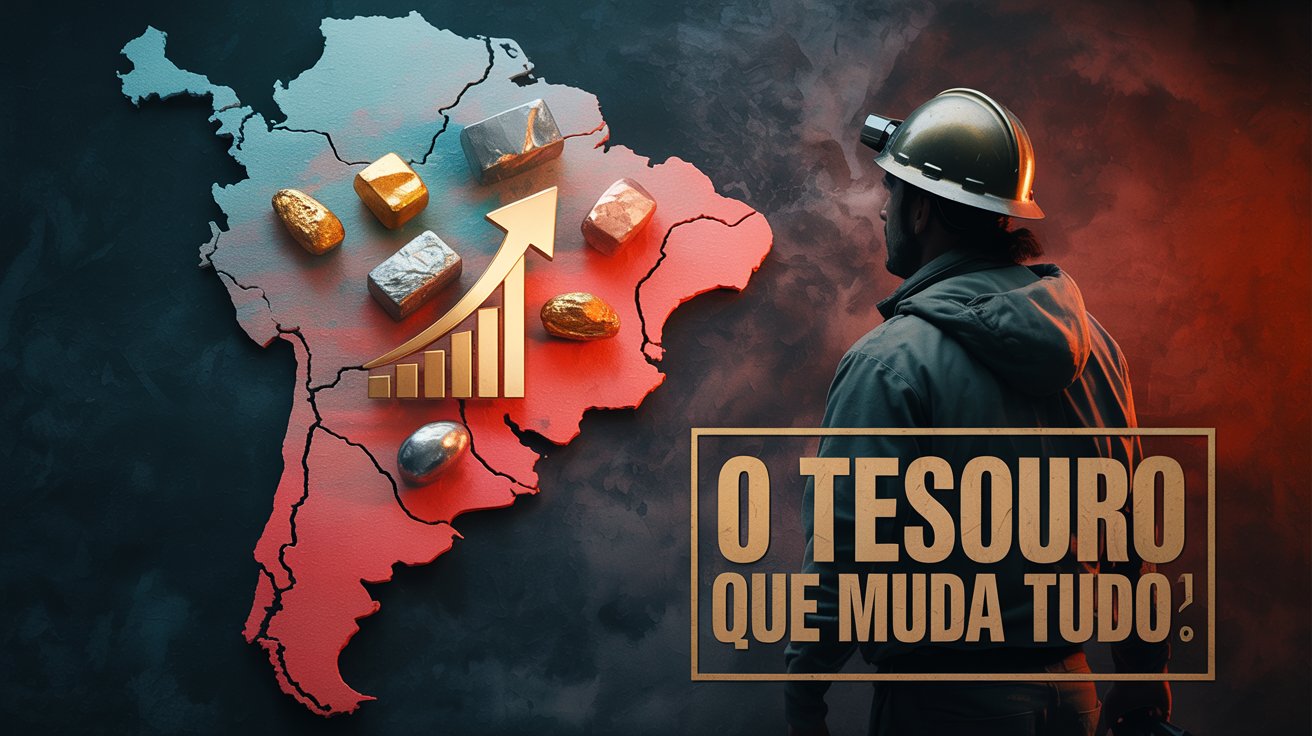
Argentina Announces Largest Mineral Discovery in 30 Years, with Vast Reserves of Copper, Gold and Silver, and May Alter the South American Economic Balance.
A new geological exceptionalism identified in the Andean region of Argentina promises to change the mining landscape in South America.
A team led by BHP and Lundin Mining (operating under the local name Vicuña) confirmed the existence of the largest copper, gold, and silver deposit reported on the continent in the last 30 years, putting the country in the spotlight in the international market.
Located at over 4,000 meters above sea level, the deposit encompasses a vast rocky area that, according to official estimates, contains about 12 million metric tons of copper — equivalent to approximately 26 billion pounds.
-
More than 13,000 fragments of pottery used as tickets, accounts, school exercises, and everyday messages resurface from the sands of Egypt, revealing a colossal archive of ordinary life hidden for centuries in Athribis.

-
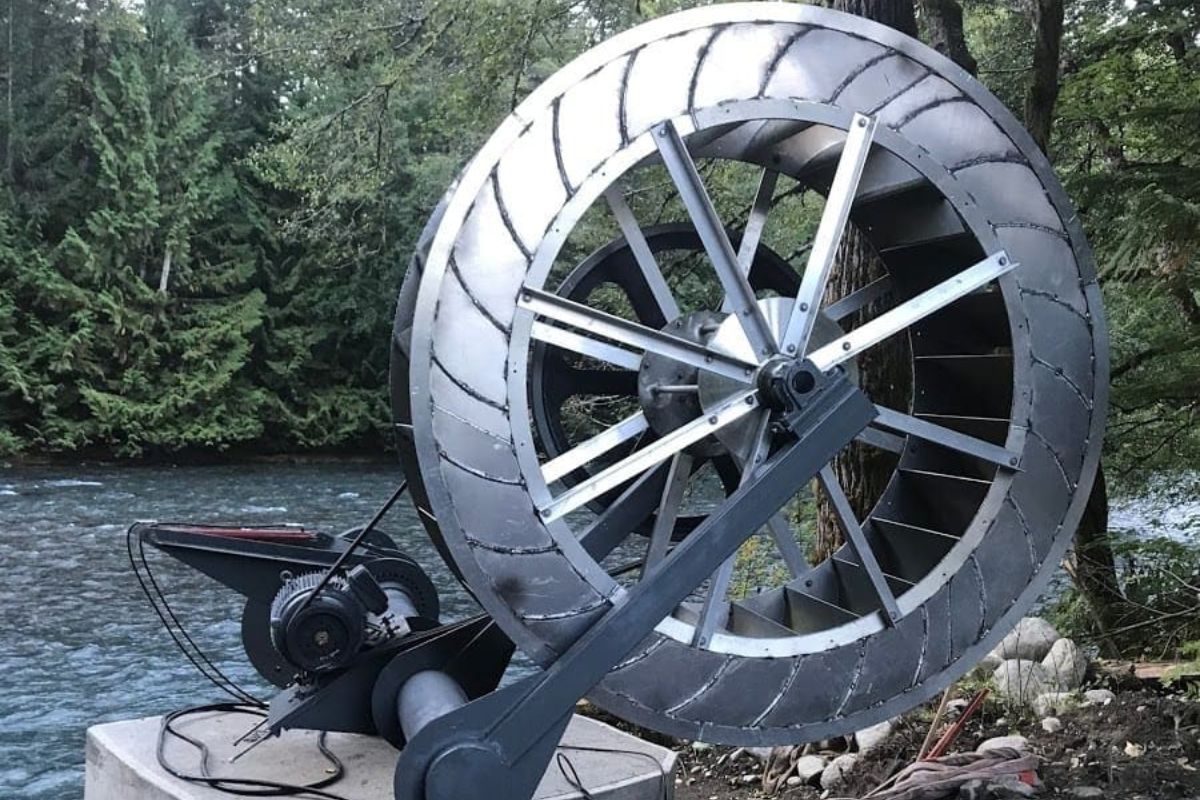
A retired engineer in Canada built a water wheel by the river next to his house that generates 36 kWh per day without needing a dam, and now it produces so much energy that he exports the surplus to the power grid.
-
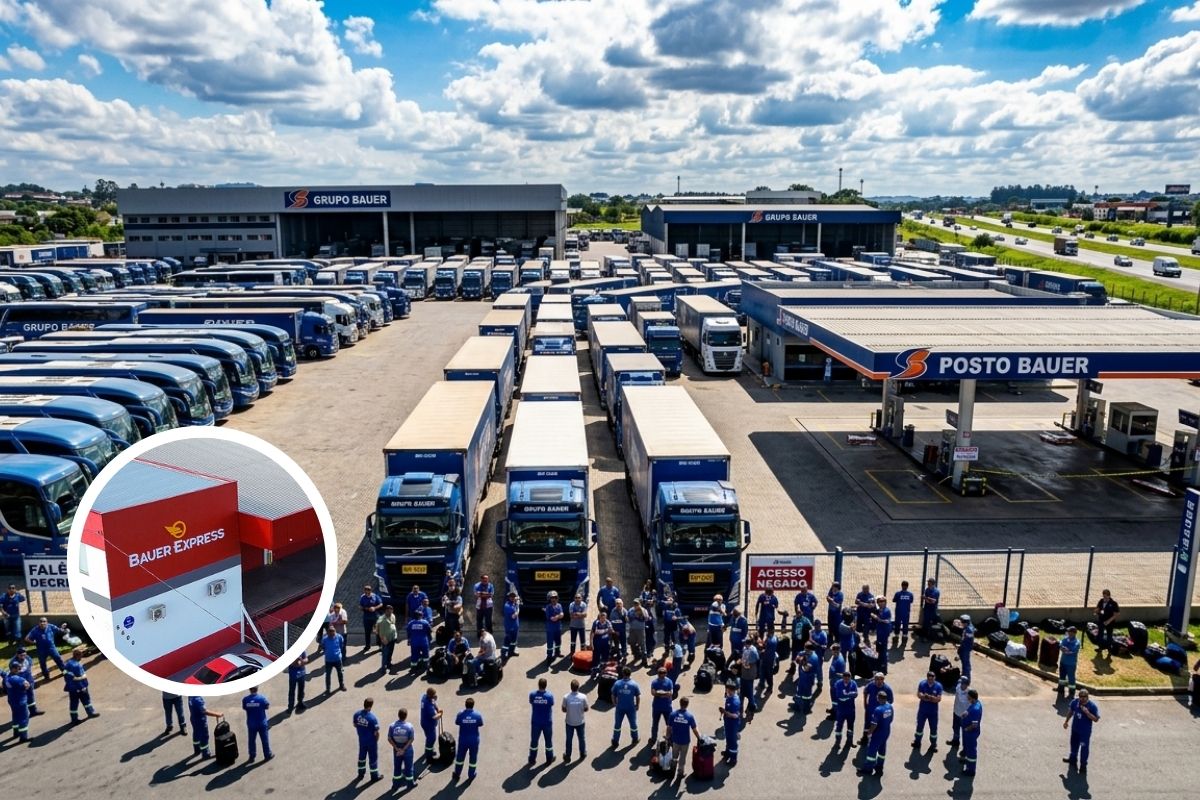
Bauer Group collapses after failed judicial recovery: 25 years, 800 vehicles, and a network of gas stations leave a debt of R$ 50 million and 100 layoffs, exposing costs, tight margins, and expensive credit in Brazil.
-
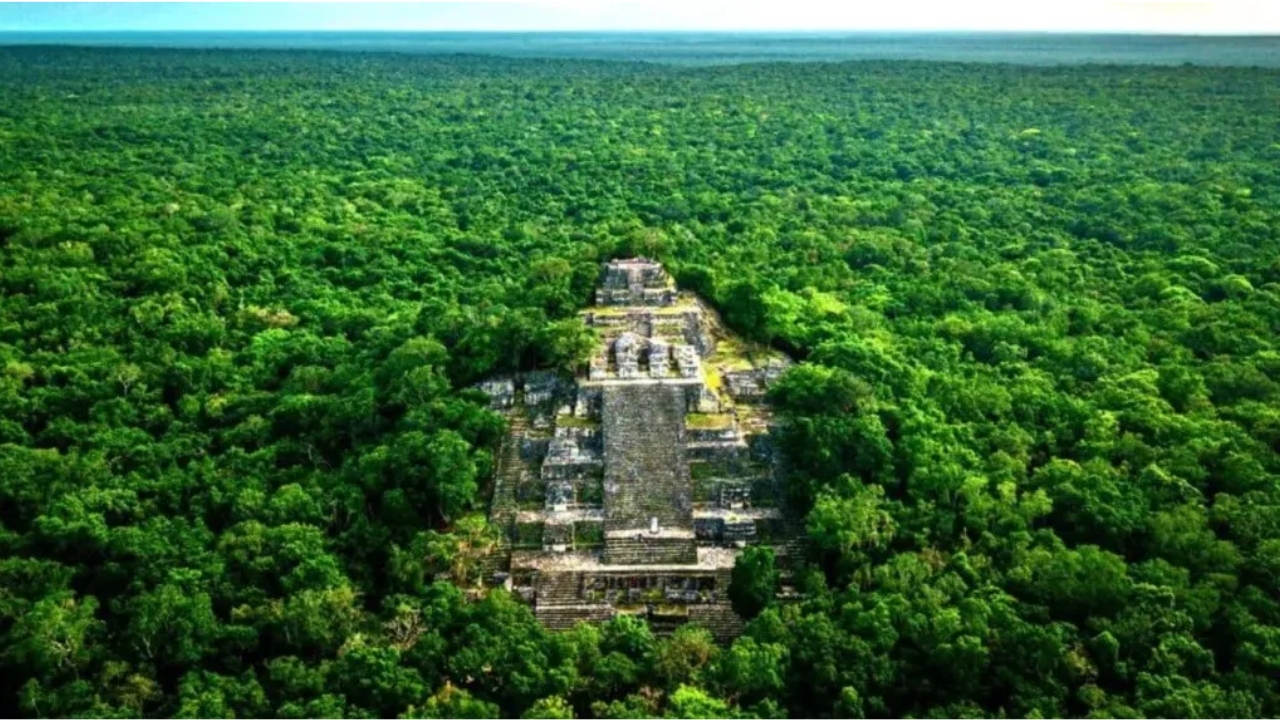
A huge Maya city has been detected beneath the Mexican jungle with the help of LiDAR, a system that shoots laser pulses from above to map the ground beneath the vegetation, revealing 6,764 structures.
Additionally, the site features combined reserves of gold and silver exceeding 80 million ounces, totaling approximately 92 million tons of metallic minerals, according to preliminary data released by the responsible companies.
The investigations included advanced geological mapping, with satellite and drone remote sensing, complemented by deep drilling and high-precision laboratory analysis.
This process allowed for the identification of the most promising areas even before physical testing — a combination of technology and intelligence applied to mineral exploration.
Argentine authorities officially validated the numbers after independent audits by technical institutes.
Economic Potential of Mining in Argentina
The discovery represents a strategic opportunity for Argentina’s economic growth.
Large-scale extraction of these reserves could imply:
GDP Expansion: the influx of large volumes of copper and precious metals is likely to increase the mining sector’s contribution to Gross Domestic Product, currently around 2%, but with significant potential for increase.
Attraction of Foreign Direct Investments (FDI): global companies have already expressed interest in concessions and partnerships, which could generate investments in infrastructure, research, and technology.
Job Creation: the project is expected to create thousands of direct jobs in extraction, logistics, services, and construction, in addition to indirect jobs in local production chains.
Regional Development: planned investments in highways, energy, and housing would benefit neighboring communities, integrating them into the production cycle.
Additional Tax Revenue: the increase in mining activity will contribute to taxes, royalties, and exports, bolstering public finances.
Repercussions for South American Mining
On the international stage, Argentina is consolidating itself as an alternative source of copper, undermining Chilean and Peruvian hegemony, responsible for about 60% of global production.
Market diversification could create more favorable conditions for negotiating trade agreements and technological partnerships.
Intensified Competition: with a new large-scale mining hub, regional competition is likely to heat up, potentially impacting international prices.
Diversification of Sources: global companies will view Argentina as an additional destination for expansion, reducing historical dependence on Chile and Peru.
Technical Innovation: the project will serve as a laboratory for new exploration and mining sustainability technologies, attracting research investments.
Rapid Growth of the Internal Chain: from processing to support services, various segments may experience accelerated growth.
Sustainability and Environmental Responsibility
Dave Dicaire, CEO of Vicuña, highlighted the commitment to responsible practices.
According to him, the project will prioritize environmental and social care, with goals to minimize impacts and promote community benefits.
Argentine authorities will closely monitor the advancement of operations, with special attention to environmental legislation and the rights of local populations.
Comparison with Major Discoveries in the Sector
In the last three decades, few discoveries have had comparable relevance.
One of the most notable cases occurred in Peru in the 1990s, however, none have simultaneously gathered significant reserves of copper, gold, and silver on such a broad scale.
Furthermore, the growing use of remote sensing and analysis technologies distinguishes this modern find from traditional methods.
Prospects for the Coming Years
In the coming years, the focus will be on the operational phase: defining schedules, civil works, construction of mining facilities, and logistical infrastructure — such as railways and ports.
Internal estimates indicate that production could begin between 2027 and 2028, potentially generating between US$ 2 and 4 billion annually in exports in the medium term.
In the long term, the success of the venture will depend on the ability to balance productivity, sustainability, and governance, creating a positive narrative in the long run.
There is still room for public-private partnerships, expansion of academic research, and strengthening of national technologies related to mining.
If the project meets its milestones, Argentina could become the third-largest copper producer in the world, surpassing countries with a well-established tradition in the sector.
This would open pathways for a strategic reconfiguration of global industrial chains, especially in electrification and technology sectors, which demand large quantities of the metal.
By achieving these goals, the country would reinforce its presence in international trade while also favoring income generation and sustainable regional structuring.
However, many details still depend on the implementation of environmental regulations, agreements with indigenous populations, and adaptation to global price and supply dynamics.
What Changes for Brazil?
Finally, the question remains: in light of a transforming mining scenario, how will this new Argentine prominence affect Brazil, which currently faces challenges in expanding its mineral base?






Seja o primeiro a reagir!