





 Portuguese
  English
  Spanish
  3 min of reading
  15 comments


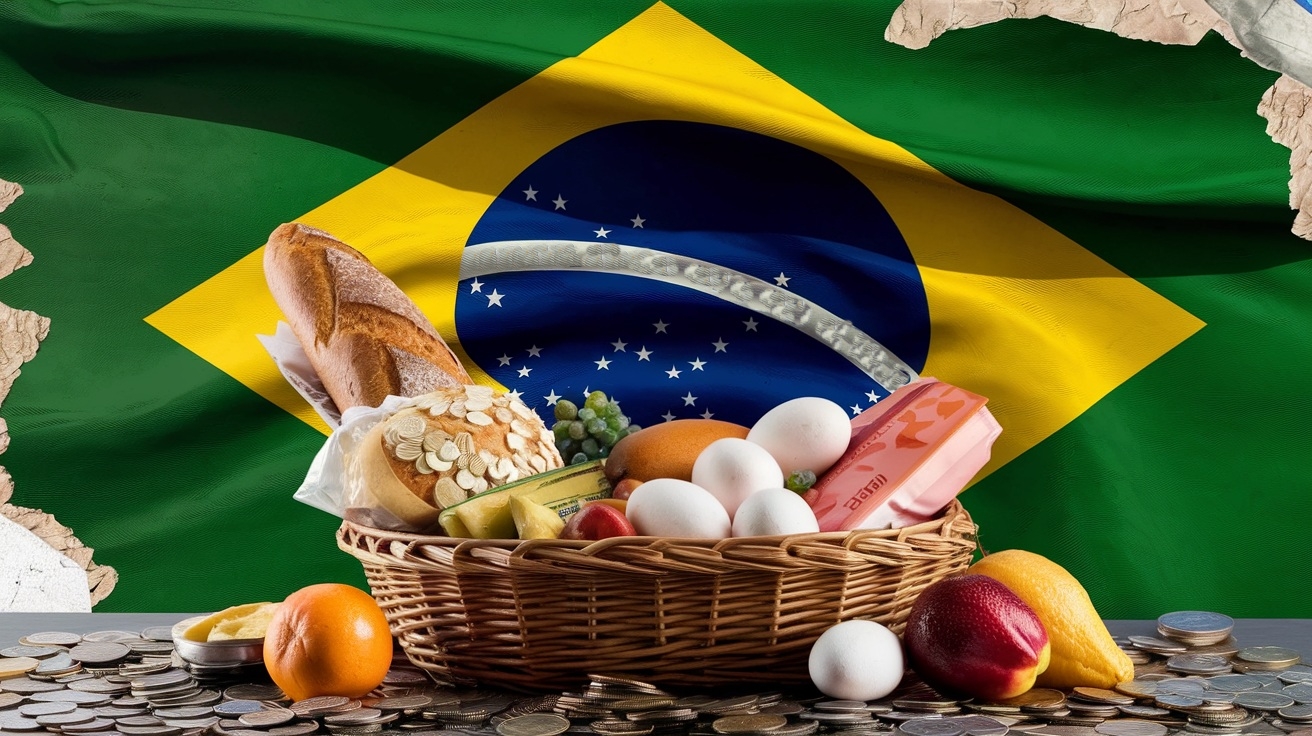


Understand How the Currency Devaluation Affects the Cost of Living and the Brazilian Economy
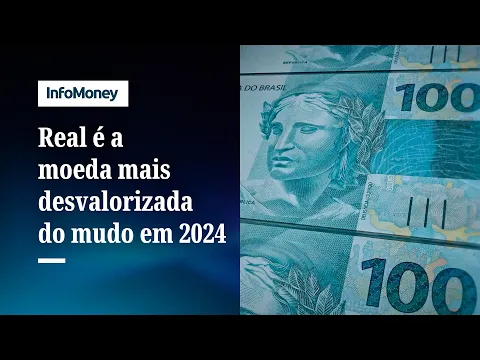
The Brazilian economy faces one of the greatest challenges of the last few decades: the historical depreciation of the Real. In 2024, the Brazilian currency reached its lowest level in 30 years, surpassing negative records since the creation of the Real Plan in 1994. This scenario not only worries economists and investors but also has a direct impact on the lives of the population.
What Led to This Historical Devaluation?
Diverse factors contributed to the fall of the Real, but the main cause is the government’s fiscal imbalance. In 2024, the Central Bank was forced to intervene several times, burning approximately R$ 190 billion from the foreign reserves, trying to contain the dollar’s rise. However, these actions proved ineffective, given the crisis of confidence environment.
Furthermore, the lack of economic planning and the controversial statements from the government worsened the situation. According to experts, the contradictory messages and the inability to present concrete solutions increased market distrust, accelerating the exit of capital from the country.
-
Larger than entire cities in Brazil: BYD is building a 4.6 km² complex in Bahia with a capacity for 600,000 vehicles per year, but the discovery of 163 workers in conditions analogous to slavery has shaken the entire project.

-
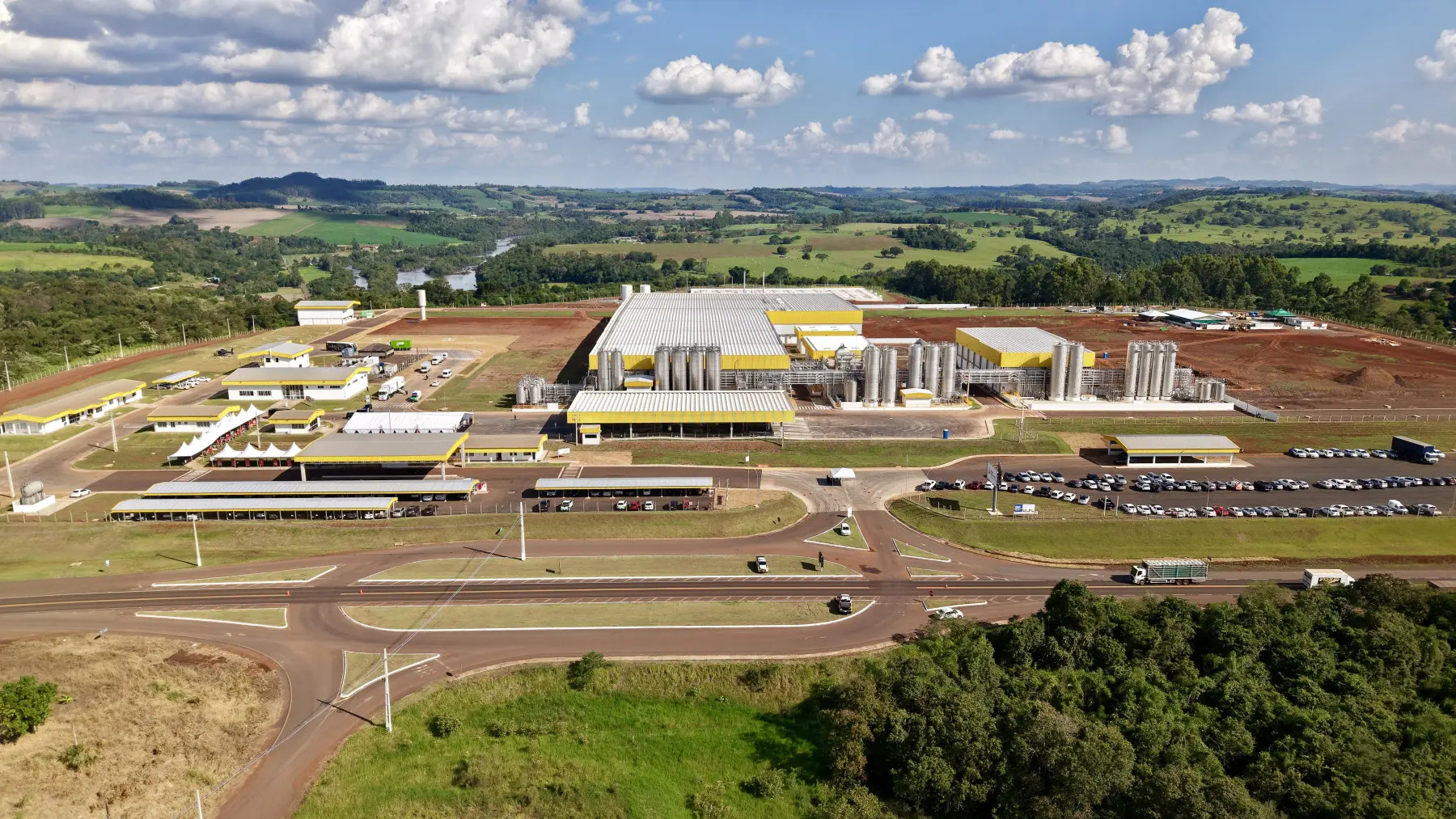
With an investment of R$ 612 million, a capacity to process 1.2 million liters of milk per day, Piracanjuba inaugurates a mega cheese factory that increases national production, reduces dependence on imports, and repositions Brazil on the global dairy map.
-
Brazilian city gains industrial hub for 85 companies that is equivalent to 55 football fields.

-
Peugeot and Citroën factory in Argentina cuts production by half and opens a layoff program for more than 2,000 employees after Brazil drastically reduced purchases of Argentine vehicles.



Impacts on the Population
The devaluation of the Real has devastating effects on the purchasing power of Brazilians. With the dollar surpassing R$ 6.19, imported goods, such as food, electronics, and fuels, became even more expensive. The rise of the dollar also puts pressure on production costs in various sectors, which is directly reflected in inflation.
Another point of concern is the lack of incentives for national production. With depreciated labor and social services being prioritized, many workers stop seeking formal employment, opting to remain in assistance programs. This reduces the supply of goods and increases prices, further worsening the situation.
Consequences for Investors
For the financial market, the devaluation of the Real represents a high risk. Foreign investors are withdrawing their resources from Brazil, seeking more stable and predictable economies. This capital flight not only reduces liquidity in the domestic market but also increases pressure on the Brazilian currency, creating a vicious cycle.
For national investors, the situation is equally challenging. The rise of the dollar makes import costs prohibitive, limiting investment diversification possibilities and business expansion.
What to Expect in 2025?
Experts predict that 2025 will be a year of severe adjustments. The recovery of the Real will depend on concrete measures to stabilize public accounts and restore market confidence. Among the priorities are controlling public spending, tax reform, and strengthening the Central Bank as an independent institution.
However, with the pre-election year on the horizon, there are fears that the government may opt to increase spending, further worsening the fiscal imbalance. In this context, Brazilians will need to prepare for a period of uncertainties and possible worsening of inflation.
The historical devaluation of the Real is a direct reflection of structural problems in the Brazilian economy. The fiscal imbalance, combined with the lack of confidence in the markets, places the country in a scenario of uncertainty. The question remains: will the government be able to reverse this situation and restore economic stability in 2025?









Aí para quem fez o L….
Só no Brasil que fecham 854 mil empresas e o emprego aumenta. Eles acham que somos **** mesmo.
Estávamos melhorando, um país maravilhoso, tem tudo e mais um pouco. Mas a quadrilha voltou ao local do crime e trouxe com ela novos ****.
Estamos perdendo nossa dignidade, até quando os escoteiros e os juristas renomados e milionários, aceitarão está situação? Até quando vamos ficar calados, sem ações? Vamos ficar na m…a, de novo?.
Chamem o Chapolin Colorado, nos ajudara mais que os políticos e os escoteiros.
Triste povo brasileiro, não tem o espírito do argentino. Vejam o que o Milei está fazendo, endureceu, está organizando e o povo está apoiando. A moeda mais valorizada e a nossa a menos.
Meu Deus!!!