





 Portuguese
  English
  Spanish
  5 min of reading
  0 comments


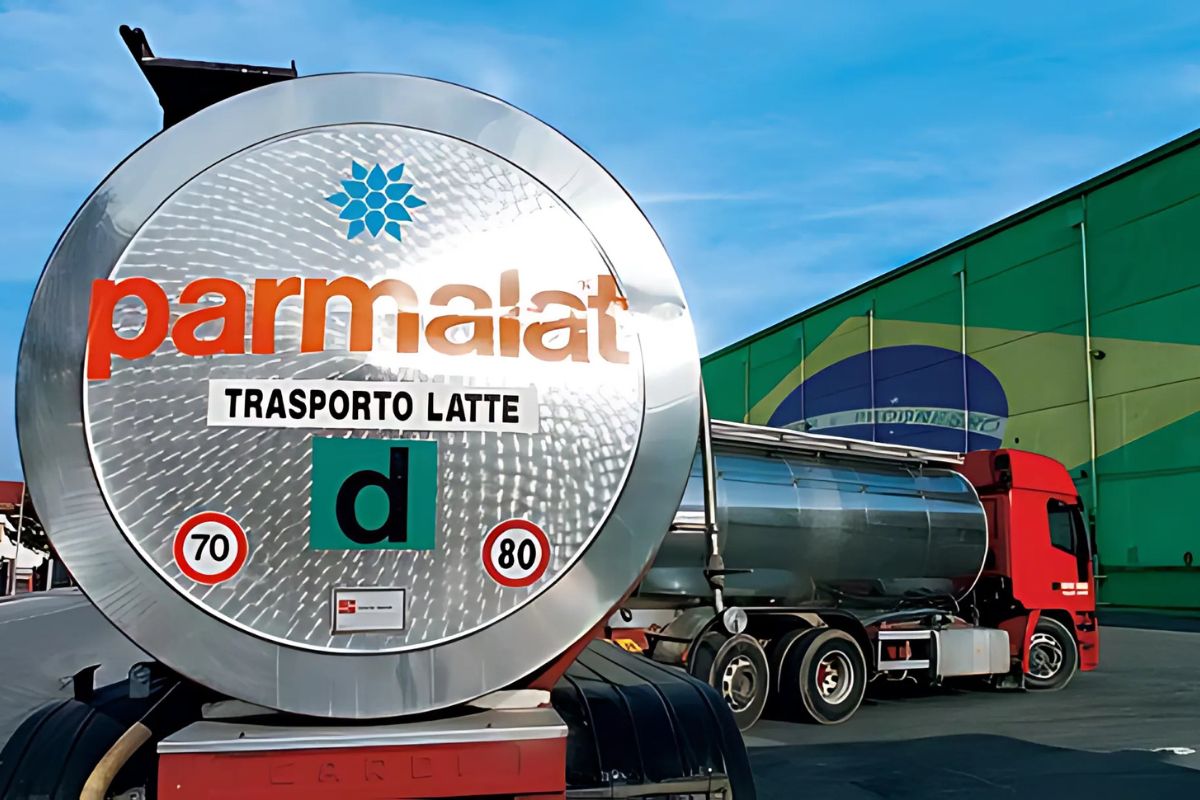
The Collapse Of The Italian Giant Parmalat In 2003 Shook Brazil, Leaving A Trail Of Evaporated Billions And A Complex Network Of Fraud. We Investigated The Local Impact, The Destination Of Funds And The Lasting Consequences.
The collapse of Parmalat, the Italian dairy giant, in 2003 reverberated with devastating force in its global operations, hitting Brazil hard. Billions of reais seemingly disappeared, raising deep questions about corporate integrity and financial oversight.
The collapse of Parmalat was not just a European financial event. In Brazil, the fall of the dairy giant left a vacuum of billions of reais. This scandal exposed serious flaws and initiated a hunt to understand the complex scheme of deceits and the whereabouts of the money.
The Billion-Dollar Fraud Of Parmalat In Italy
Once a symbol of success, Parmalat became emblematic of one of the largest financial scandals in history. Founded in 1961 by Calisto Tanzi, the small Italian milk pasteurizer grew exponentially. However, worrying signs appeared as early as 1988, with a “mini debt crisis” and tax investigations for accounting fraud in a Swiss subsidiary.
-
Larger than entire cities in Brazil: BYD is building a 4.6 km² complex in Bahia with a capacity for 600,000 vehicles per year, but the discovery of 163 workers in conditions analogous to slavery has shaken the entire project.

-
With an investment of R$ 612 million, a capacity to process 1.2 million liters of milk per day, Piracanjuba inaugurates a mega cheese factory that increases national production, reduces dependence on imports, and repositions Brazil on the global dairy map.

-
Brazilian city gains industrial hub for 85 companies that is equivalent to 55 football fields.

-
Peugeot and Citroën factory in Argentina cuts production by half and opens a layoff program for more than 2,000 employees after Brazil drastically reduced purchases of Argentine vehicles.


The house of cards fell in 2003, revealing a staggering deficit of €14 billion. The tipping point was the default on a €150 million bond payment, despite the company reporting €4 billion in cash. The investigation uncovered that an account at Bank of America, supposedly holding nearly €4 billion, simply did not exist.
Calisto Tanzi, founder and CEO, and Fausto Tonna, Chief Financial Officer (CFO), were identified as the main architects of the fraud. They used techniques such as fictitious transactions, double invoicing, dozens of offshore companies (such as Bonlat, which reported €11 billion in nonexistent assets), and forged documents to disguise the true financial situation. Financial reports from 1990 to 2002 showed consistent profits, but the reality was losses in 12 of those 13 years. The initial motivation appears to have been to cover losses in the South American subsidiary starting in 1990.
The scandal also exposed glaring failures in oversight. Internal and external auditors failed catastrophically. The International Organization of Securities Commissions (Iosco) concluded that the auditors failed. Poor corporate governance, with power concentrated in the Tanzi family, allowed the fraud to flourish.
Brazil In The Eye Of The Hurricane

The failure of Parmalat in Italy triggered a deep crisis in its Brazilian subsidiary. Operations in Brazil, started in 1977, never recorded real profits. To mask this deficiency, the subsidiary received average annual infusions of R$100 million from the parent company, totaling about R$3 billion over the years. This amount, coming from minority shareholders and Italian bankers, served to conceal the negative results in Brazil.
A US$300 million agreement with Bank of America in 1997 for off-balance-sheet financing implied a high and unrealistic assessment of Parmalat Brazil. With the global collapse, this agreement failed. In June 2005, when filing for bankruptcy protection, Parmalat Brazil acknowledged debts of R$2.2 billion. At its judicial auction in 2006, the debt was still R$2 billion, affecting over 10,000 creditors, mostly milk producers.
The operational consequences were severe. More than 100 employees were fired from the headquarters in São Paulo. Milk producers, who had Parmalat as the second largest national buyer, suffered from payment delays and falling prices. Protests and roadblocks occurred. The Parmalat brand was severely tarnished, with a drop in sales and a halt in operations before the auction.
Parmalat Brazil filed for bankruptcy protection in July 2004, converted to judicial recovery in June 2005. The recovery plan was approved in February 2006.
Investigations Into Fraud And Embezzlement Of Funds By Parmalat In Brazil
Brazilian authorities quickly mobilized. The Federal Police (PF) began its investigations in January 2004, focusing on money laundering, tax evasion, and accounting fraud, and requested the breaking of bank and tax secrecy. The PF sought cooperation with the Italian police.
The Securities and Exchange Commission (CVM) instituted Administrative Sanctioning Process (PAS) 27/2005 to investigate irregularities. The Federal Public Prosecutor’s Office (MPF) worked in conjunction with the PF and the Central Bank.
Explosive allegations emerged. It was suspected that part of the R$3 billion sent from Italy to cover losses in Brazil had returned to the Tanzi family. Fausto Tonna claimed that Parmalat made donations to Brazilian political parties and paid bribes to inspectors in Brazil. He also accused Gianni Grisendi, manager in Latin America, of covering up losses of US$3 billion since 1999. The CPI of Banestado raised suspicions of the embezzlement of up to US$1 billion related to the Parmalat group, using offshores.
Despite the investigations, the final fate of all the “disappeared” funds remains partly a mystery, given the complexity of the transactions and the use of tax havens.
Legal Proceedings And Regulatory Responses To The Parmalat Case
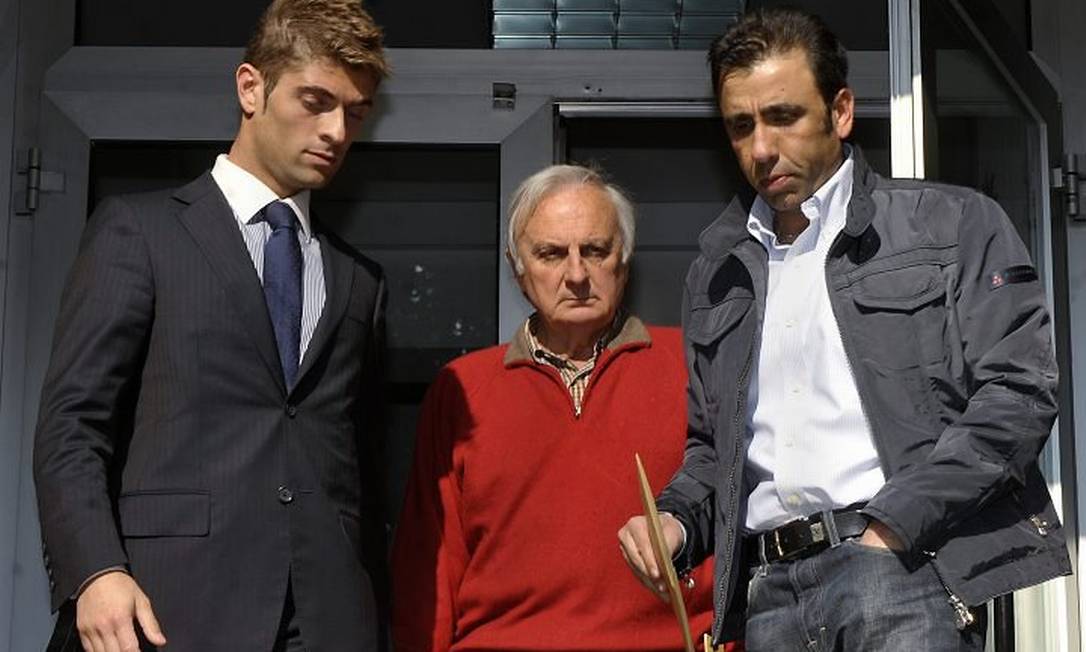
The CVM, through PAS 27/2005, sought to hold administrators and auditors accountable. In October 2007, Parmalat Brazil entered into a Commitment Agreement, donating R$20,000. Deloitte Touche Tohmatsu Auditors and partners paid R$50,000 and committed to hold a seminar. Some administrators also entered into agreements.
In June 2012, the CVM judged the remaining parties. Sixteen Administrators Of Parmalat Alimentos Were Fined R$200,000 Each For Oversight Failures. Andrea Ventura, financial director, received an additional fine of R$200,000 for irregularities in the financial statements.
In the criminal realm, a news report in June 2005 stated that “Justice Convicts 11 In The Parmalat Case,” but specific details are not included in the sources of this report. The auditors’ failure was criticized. Globally, Deloitte & Touche (global firm) paid US$149 million to Parmalat in 2007 to settle allegations, without admitting guilt.
Lasting Consequences Of The Scandal
The Parmalat scandal shook investor confidence in the Brazilian market. The case intensified discussions about corporate governance and the need for independent oversight and transparency.
Brazil was already seeking to strengthen its rules, with CVM Instruction 308 (1999) and CVM Instruction 381 (January 2003). The scandal reinforced the importance of these measures. Key lessons include the need for independent boards, complete information disclosure, skeptical auditors, and combating conflicts of interest.
The Parmalat brand suffered severe damage in Brazil. The company was acquired at auction by Laep Investments in 2006. Globalization, which allowed Parmalat to expand, also exposed Brazil to sophisticated frauds.
The collapse of Parmalat remains a cautionary tale about the potential for massive frauds. The pursuit of transparency, accountability, and justice is an ongoing commitment to ensure the integrity of markets. The “mystery” of the billions may never be fully solved, but the lessons should resonate.









Seja o primeiro a reagir!